Dunkin’s ‘Zero Sugar’ Drinks Are Under Fire as a Lawsuit Challenges Their Claims

Dunkin’ is facing a proposed class-action lawsuit that questions whether its “zero sugar” energy drinks are being marketed accurately. Filed on September 30, 2026, in federal court in Massachusetts, the complaint alleges that the beverages contain allulose, a low-calorie sweetener that the plaintiff argues should count as sugar under federal labeling rules. Chicago resident Phyllis Wells says she regularly bought the drinks because she was trying to limit her sugar intake and relied on Dunkin’s advertising. The case could have implications for how food and beverage companies describe products made with alternative sweeteners, although the allegations have not been proven in court.
A Customer Says Dunkin’s Zero Sugar Claims Are Misleading

Wells filed the lawsuit against Dunkin’ Brands and its parent company, Inspire Brands, claiming the chain misled customers by promoting Dunkin’ Zero beverages as containing zero sugar. According to the complaint, she purchased the drinks about two to three times a week at a drive-through in Chicago because she wanted to reduce her sugar consumption. She says she relied on the company’s promotional claims and would not have bought the beverages, or would have paid less for them, had she known about the allulose. The lawsuit seeks financial compensation and changes to the challenged marketing, but a judge has not determined whether the claims are valid.
The Lawsuit Focuses on Dunkin’ Zero Energy Drinks

Dunkin’ introduced its Zero energy drink line on March 4, 2026, advertising the beverages as zero sugar and offering flavors such as Blackberry Tangerine, Tropical Mango and Juicy Peach. Other flavor combinations and varieties have also been introduced, expanding the range available to customers. The lawsuit challenges the zero-sugar claims across the Dunkin’ Zero line rather than focusing on a single flavor or cup size. The drinks are marketed as a lighter alternative for customers who want a flavored, caffeinated beverage without the sugar associated with many conventional sweetened drinks.
Allulose Is the Ingredient at the Center of the Dispute
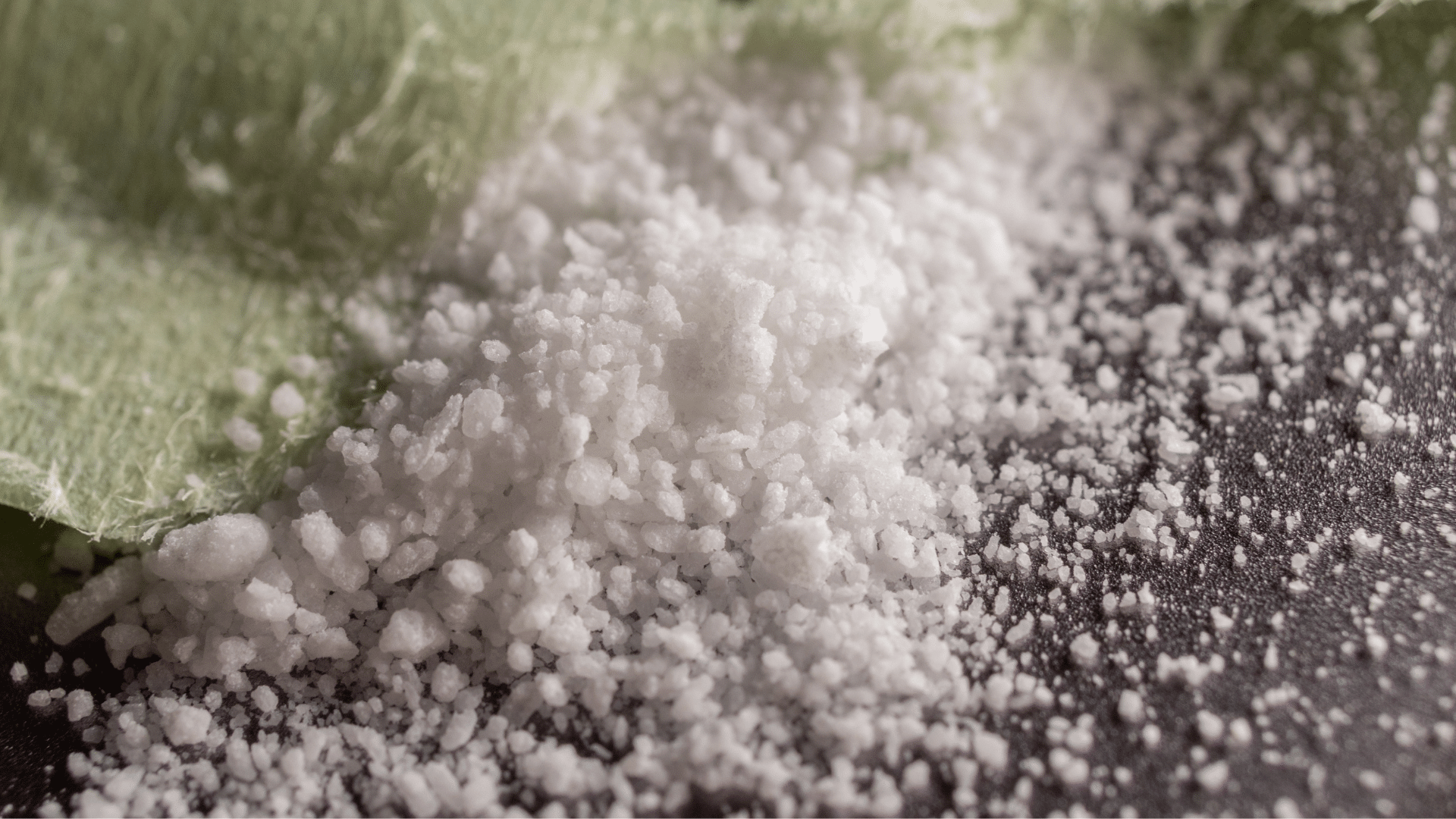
The complaint centers on allulose, a low-calorie sweetener that occurs naturally in small amounts in foods such as figs, raisins and maple syrup. Allulose is chemically classified as a monosaccharide, a type of simple sugar, but the body processes it differently from ordinary table sugar. It provides far fewer calories than conventional sugar and generally has a much smaller effect on blood glucose levels. The lawsuit argues that its chemical classification matters when deciding whether Dunkin’ can describe the drinks as containing zero sugar.
The Complaint Estimates Several Grams of Allulose per Drink
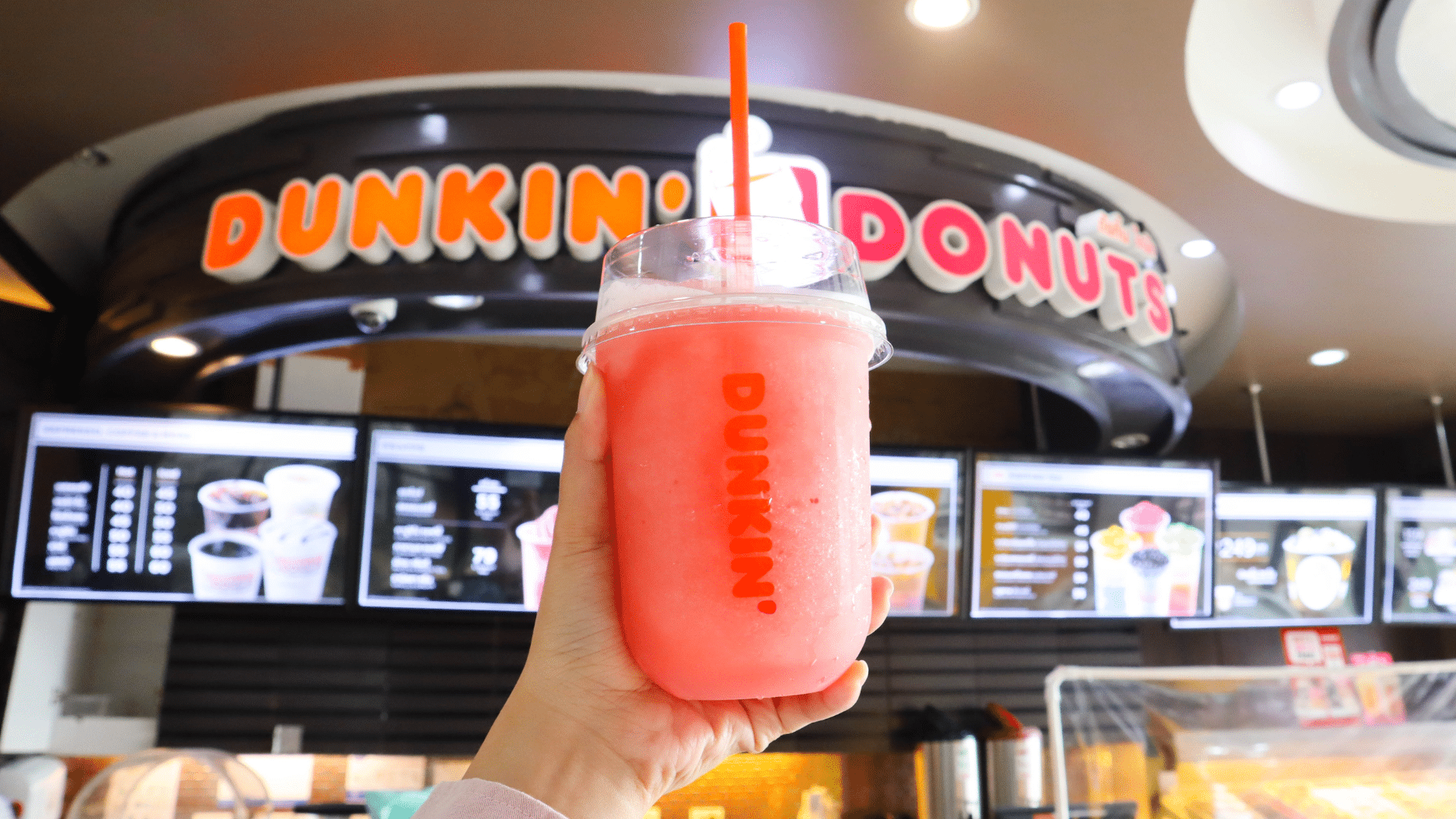
According to the complaint, a medium Dunkin’ Zero drink contains approximately 8 to 10 grams of allulose, while a large may contain about 11 to 13 grams. Those figures are estimates based on the ingredient information and carbohydrate amounts cited in the filing, rather than a court-confirmed laboratory finding. Dunkin’s nutrition information lists zero grams of total and added sugars for the drinks, while the complaint argues that the allulose should count as sugar under the relevant rules. That difference between the nutrition label and the plaintiff’s interpretation is central to the case.
FDA Guidance Makes the Legal Question More Complicated

The Food and Drug Administration allows manufacturers to exclude allulose from the total-sugars and added-sugars lines on Nutrition Facts labels under its guidance. That policy reflects the fact that allulose behaves differently from conventional sugars in the body and contributes very few calories. The lawsuit, however, argues that this labeling treatment does not automatically make a “zero sugar” marketing claim accurate when the product contains a significant amount of allulose. The case therefore raises a technical but important question about the difference between what appears on a nutrition label and what consumers reasonably understand from advertising.
The Lawsuit Could Affect More Than One Dunkin’ Flavor
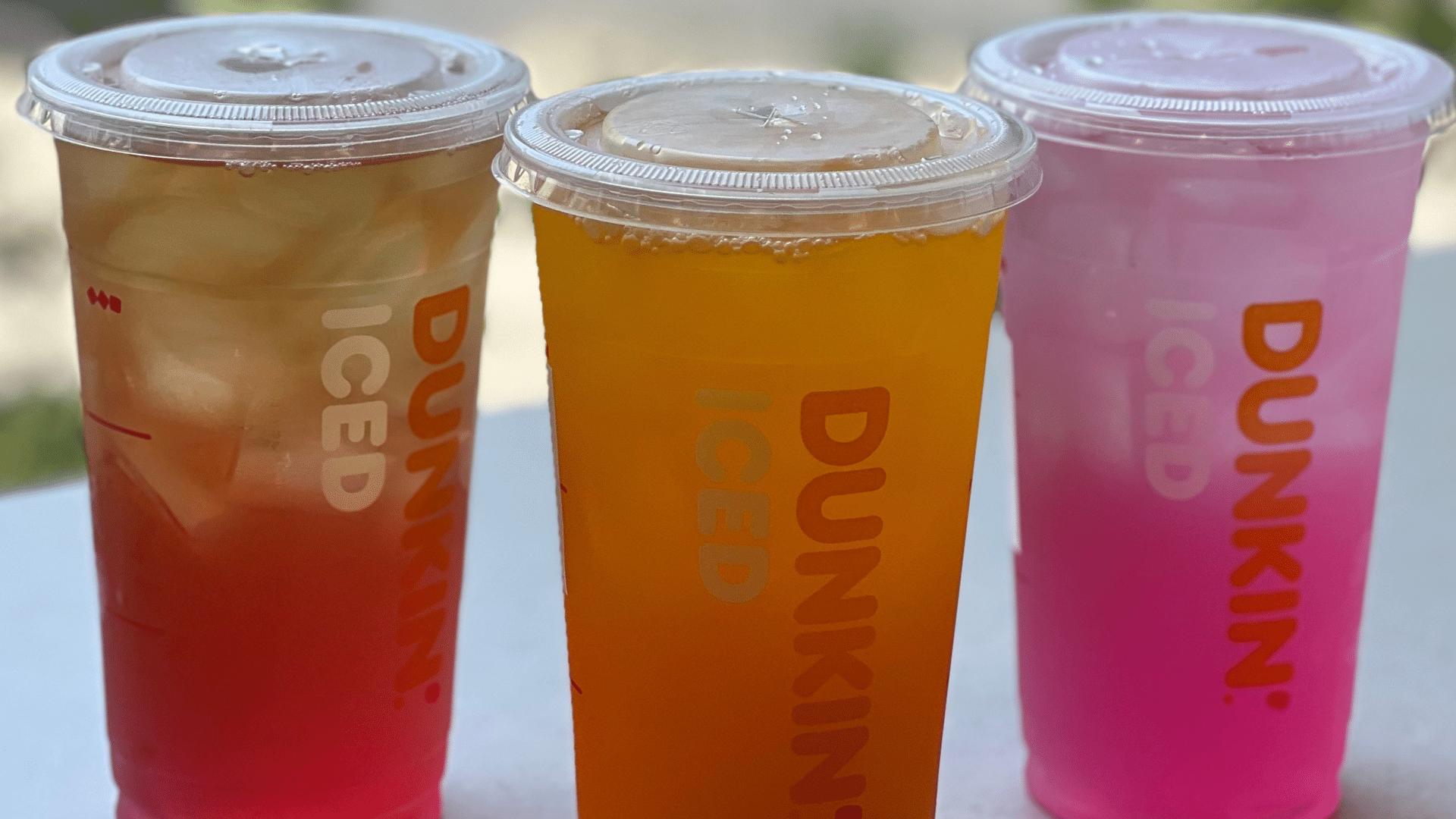
The proposed class action seeks to cover U.S. consumers who purchased Dunkin’ Zero drinks for personal or household use beginning March 4, 2026, along with a separate group of Illinois consumers. If a court certifies the class, the case could potentially involve customers who purchased different flavors and sizes, not just Wells herself. The complaint alleges consumer fraud, misleading representations and other legal violations, and it seeks damages, restitution and changes to the company’s marketing. However, the class has not been certified, and there is currently no settlement or claim form for customers to submit.
Other Beverage Companies Face Similar Questions About Sugar Claims

Dunkin’s lawsuit comes amid broader scrutiny of how beverage companies use terms such as “sugar-free” and “zero sugar” when their products contain alternative sweeteners. Starbucks also faced a separate lawsuit in October 2026 over claims that certain beverages advertised as sugar-free contain allulose, according to published reports. The cases reflect growing legal attention to how consumers interpret product names, ingredient lists and nutrition information. Similar allegations do not establish wrongdoing, but they show that companies may face challenges when the language used in marketing appears to conflict with how a product’s ingredients are interpreted under labeling rules.
Dunkin’ Has Not Yet Been Found Responsible for Misleading Customers
The lawsuit remains an allegation, and no court has ruled that Dunkin’ violated consumer protection or food-labeling laws in this case. Reports published after the filing said Dunkin’ had not immediately responded to requests for comment, so the company’s full legal response was not available at the time. The court will need to consider the relevant regulations, the product information and whether the marketing would mislead a reasonable consumer. Until those questions are resolved, customers should distinguish between the plaintiff’s claims and any findings a court may eventually make.
What the Case Could Mean for Customers Seeking Less Sugar
The dispute highlights why shoppers who want to limit sugar may need to look beyond a product’s front-of-package claims and review its ingredient list and nutrition information. Allulose is a low-calorie sweetener that differs from ordinary sugar, and its presence does not mean the drinks have the same nutritional impact as a conventional sugary beverage. Still, the lawsuit argues that consumers should be able to understand what a “zero sugar” claim means without having to research the chemistry of every ingredient. The outcome could help clarify how alternative sweeteners may be described in beverage marketing, but for now, the allegations remain unresolved.