Health Alert Issued for Headcheese Deli Meat Sold in 2 States After Listeria Sickens Multiple People
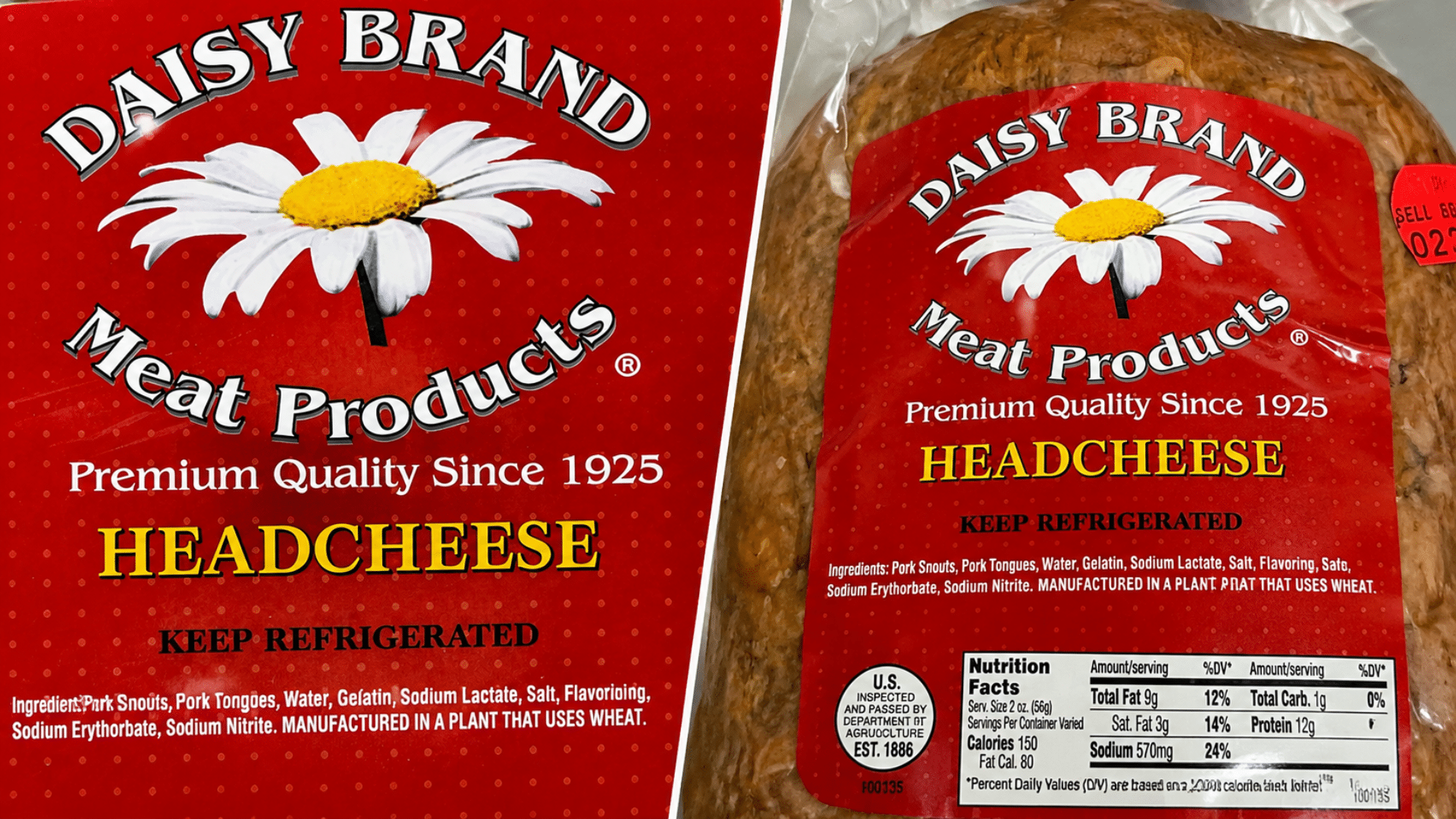

Could a traditional deli counter staple be lurking in your refrigerator with a hidden, life-threatening danger? Federal health officials have issued an urgent public safety warning regarding a specific brand of ready-to-eat headcheese after a localized foodborne illness outbreak left multiple people severely sick. The discovery has prompted safety regulators to bypass a traditional recall and move straight to a public advisory, warning families across two Midwestern states to immediately inspect their deli purchases before consuming them.
The warning, issued on May 9, 2026, by the U.S. Department of Agriculture’s Food Safety and Inspection Service (FSIS), flags potential Listeria monocytogenes contamination in headcheese manufactured by Crawford Sausage Company, Inc. Headcheese is a ready-to-eat pork deli meat typically composed of cooked meat and seasonings pressed into a loaf or gelatin-style product. The specific items under alert are sold under the Daisy Brand label and were produced on January 20, 2026, carrying a use-by date of March 26, 2026.
The meat was distributed directly to retail deli counters across Illinois and Indiana, where it was meant to be sliced to order for everyday shoppers. Because these items were sold in varying weight packages directly from the deli case, federal inspectors cautioned that individual consumer packages might only display the producer’s brand name without the explicit use-by dates or batch markers. Officials are treating the situation with high urgency, as the bacteria can quietly survive and continue to multiply even under ideal refrigeration temperatures.
Outbreak Investigation Confirms Bacterial Match

The public health alert was triggered during a joint epidemiological investigation spearheaded by the Illinois Department of Public Health alongside local health agencies. At least three individuals in Illinois became severely ill after consuming headcheese purchased from three completely separate retail locations. During patient interviews, investigators noticed a distinct pattern of headcheese consumption, prompting field agents to pull unopened samples of the product directly from commercial distribution channels for rigorous laboratory screening.
Initial laboratory diagnostics on the unopened Daisy Brand packages returned a positive result for the presence of Listeria. On May 14, 2026, health officials updated the advisory after advanced whole genome sequencing testing successfully matched the bacterial samples taken from the Crawford Sausage Company facility directly to the specific outbreak strain responsible for sickening the Illinois patients. The concrete scientific link officially confirmed the deli meat as the source of the localized contamination.
Rather than pursuing a standard corporate product recall, federal regulators elected to issue a strict public health alert because the specific batch in question is no longer actively available for purchase on store shelves. However, because headcheese has a relatively stable storage window and consumers frequently freeze or hold deli meats for extended periods, health departments are deeply concerned that contaminated portions may still be sitting inside residential kitchens, waiting to be consumed.
Manufacturer Halts Production in Chicagoland
In direct response to the federal findings, Crawford Sausage Company, Inc., which operates its historic production facility on South Pulaski Road in Chicago, confirmed it is cooperating fully with regulatory investigators to trace the root cause of the breakdown. A corporate representative announced that the company is proactively launching an internal audit to determine how the pathogens breached their facility’s strict environmental sanitation protocols. To protect the public during the inquiry, the manufacturer announced plans to completely discontinue production of the headcheese line.
Because the product was heavily distributed throughout the broader Chicagoland metropolitan area, health organizations are issuing meticulous instructions for both commercial retailers and everyday consumers to mitigate the risk of cross-contamination. Listeria is a notoriously resilient bacterium that thrives in cold, damp environments, meaning it can easily transfer from an infected slice of meat onto refrigerator shelving, knives, deli slicers, and adjacent food items like cheeses or alternative cold cuts.
The Food and Drug Administration advises anyone who may have stored the product to immediately execute a deep-clean protocol. This involves washing all internal refrigerator walls, bins, and shelving units with hot, soapy water, followed by a thorough rinsing and sanitizing wipe down. Retail delis that housed the Daisy Brand logs have been instructed to immediately discard any open meats or cheeses that shared the display cases and to execute rigorous chemical sanitization across all food-contact surfaces.
Severe Risks for Vulnerable Populations

While exposure to contaminated food can cause short-term gastrointestinal distress in healthy adults, a Listeria infection can develop into invasive listeriosis, a severe and potentially fatal condition. The medical risks are exponentially higher for older adults, individuals with compromised immune systems, and pregnant women. In healthy individuals, symptoms typically mirror a severe flu, manifesting as high fevers, intense muscle aches, severe headaches, a stiff neck, confusion, and a sudden loss of balance.
For pregnant individuals, the biological consequences are uniquely devastating. Even if the mother experiences only mild, flu-like symptoms, the underlying bacterial infection can easily cross the placental barrier, resulting in miscarriages, stillbirths, premature deliveries, or severe, life-threatening infections in newborn infants. Because the incubation period for listeriosis is unusually long, symptoms can take anywhere from 24 hours to a full 70 days to manifest after the initial consumption of contaminated food.
Medical providers are urging anyone within the high-risk demographics who suspects they consumed the flagged Daisy Brand meat within the last two months to seek immediate professional medical evaluation if they begin developing a fever or muscle aches. Listeriosis is highly treatable if caught early through targeted regimens of intravenous antibiotics. For consumer inquiries regarding safety protocols or to report a suspected product issue, the USDA maintains a dedicated Meat and Poultry Hotline to assist families nationwide.