McDonald’s $2.50 McDouble Has Fans Missing the 99-Cent Menu Era
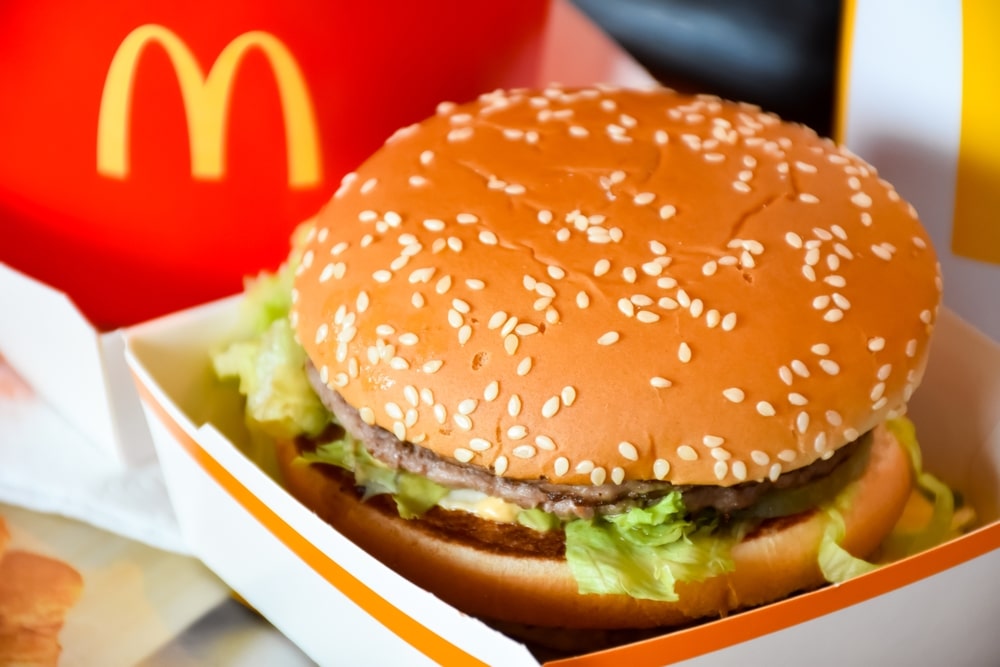

McDonald’s newest “McValue” offerings were designed to appeal to inflation-weary customers looking for cheaper meals. Instead, the company’s $2.50 McDouble promotion has triggered a wave of online backlash from consumers who remember when the same burger cost less than a dollar.
Social media users across Reddit and X have been comparing today’s prices with the chain’s former Dollar Menu era, which became iconic during the late 2000s recession. One Reddit user quoted in multiple reports wrote, “Anyone remember when McDoubles used to be 99 cents? It was only 10 years ago.” Others questioned whether a $2.50 burger still qualifies as a “value” item at all.
The frustration reflects a broader shift in consumer expectations around fast food. For decades, chains like McDonald’s built their reputation around affordability and convenience. But many customers now say the gap between restaurant prices and grocery store costs has narrowed enough that fast food no longer feels like the bargain it once was.
McDonald’s launched its updated McValue platform nationally in April, featuring several menu items under $3, along with breakfast and combo deals aimed at budget-conscious diners. The company says the new menu offers flexibility and “predictable everyday low prices” rather than relying solely on app-exclusive promotions and temporary coupons.
Inflation Has Changed the Fast-Food Business
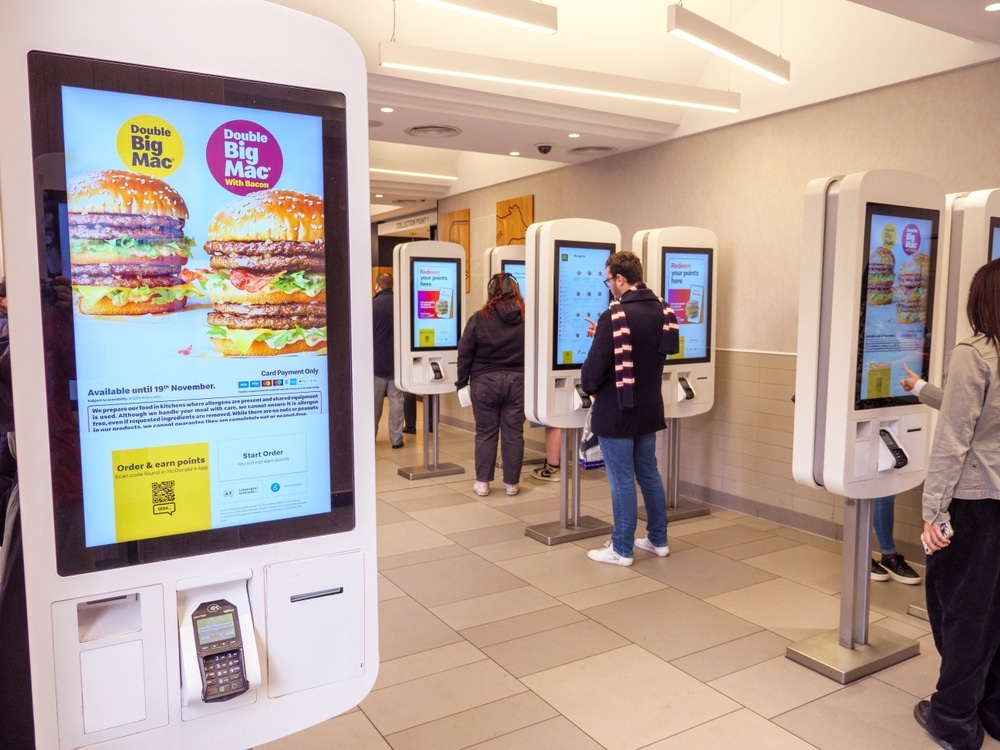
Behind the price increases is a reality affecting restaurants across the country: operating costs have risen dramatically in recent years. According to data from the National Restaurant Association, food and labor costs for the average restaurant have both increased roughly 35% over the past five years.
The association reported that restaurants also face rising utility bills, occupancy expenses, insurance costs, credit card processing fees and supply costs. Average menu prices increased approximately 31% between 2020 and 2025, largely to preserve already-thin profit margins that typically sit around 5%.
Restaurant industry analysts say the old $1 price point has simply become difficult to sustain. Restaurant Business noted that the fast-food industry’s value wars have effectively shifted from the “Dollar Menu” era to what some analysts now call the “$3 menu economy.” Taco Bell and McDonald’s have both introduced menus built around items priced below $3 because maintaining older pricing structures has become increasingly unrealistic.
McDonald’s executives have also acknowledged the pressure facing franchise owners. CEO Chris Kempczinski recently said inflation and rising operating expenses are constricting cash flow for franchisees, who operate roughly 95% of McDonald’s locations. Energy prices tied to global instability, including higher oil and natural gas costs, have added further strain on restaurant operations.
Some consumers understand those realities, even if they still dislike the higher prices. Online commenters defending McDonald’s pointed out that ground beef, labor and transportation costs have all risen significantly since the mid-2010s. Others argued that convenience itself carries value, especially for customers balancing work schedules and rising grocery prices.
Consumers Are Becoming More Selective
Even with expanded value menus, fast-food chains are increasingly competing with grocery stores and convenience stores for budget-minded consumers. A recent Tillster survey of more than 2,100 U.S. diners found that many Americans are cutting back on restaurant spending altogether while reevaluating what they consider a worthwhile purchase.
According to the report, nearly 70% of diners said they have reduced or maintained their dining-out budgets because of economic conditions. More than 60% reported abandoning online food orders because of service fees, while many others said they are choosing cheaper menu items or visiting restaurants less often.
The study also found that price is no longer the only factor shaping dining decisions. Consumers increasingly prioritize food quality, convenience and speed alongside affordability. Grocery stores and convenience stores have capitalized on those shifting expectations by expanding prepared food options that compete directly with traditional fast-food meals.
That trend is beginning to affect customer loyalty across the restaurant industry. Tillster reported that nearly half of American diners changed their favorite restaurant within the past year, signaling a major shift in consumer behavior. Analysts say chains can no longer rely on habit alone to retain customers, especially when households are becoming more cautious with discretionary spending.
McDonald’s and other major chains have responded by leaning heavily into loyalty apps, digital offers and bundled meal promotions. But customer reactions to those efforts have been mixed, particularly when longtime fans compare today’s deals with the deeply discounted menus of previous decades.
Nostalgia for the Dollar Menu Isn’t Going Away
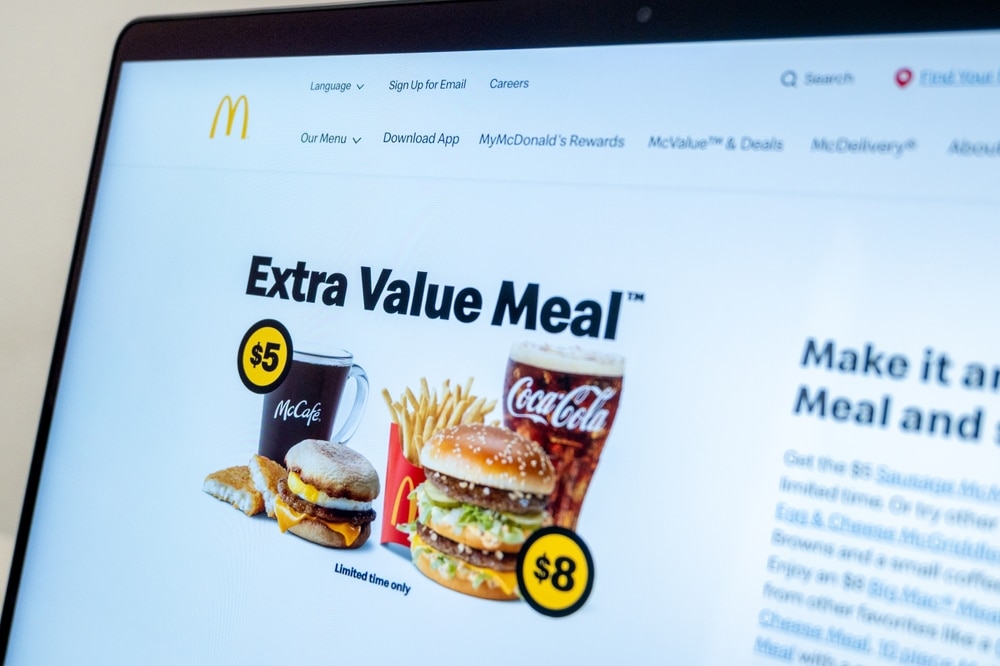
The emotional reaction to the McDouble pricing debate highlights how strongly consumers associate McDonald’s with a different economic era. During the Great Recession, the company’s Dollar Menu became one of the most recognizable symbols of affordable fast food in America, helping drive massive traffic to restaurants at a time when many households were financially strained.
Today’s environment feels very different to many customers. Inflation has pushed up prices across nearly every category of spending, from groceries and gasoline to rent and insurance. In that context, some consumers view rising fast-food prices as another sign that everyday affordability continues slipping further out of reach.
Still, McDonald’s appears committed to its current strategy. Company representatives have repeatedly emphasized that the McValue platform is designed to evolve alongside customer preferences while offering more pricing flexibility than older one-size-fits-all value menus. Early performance indicators, executives say, have generally met company expectations.
Whether consumers ultimately embrace the updated menu may depend less on nostalgia and more on how shoppers define value in today’s economy. For some customers, a $2.50 burger still represents a relatively affordable convenience meal. For others, it serves as a reminder of how much everyday costs have changed in just over a decade.
As inflation continues reshaping consumer habits, fast-food chains face a difficult balancing act: convincing customers they are still affordable while navigating the rising costs that made the 99-cent menu increasingly impossible to maintain.

