National Farmers Union Warns Your Grocery Bill Is About to Spike as Iran War Blocks Key Trade Route
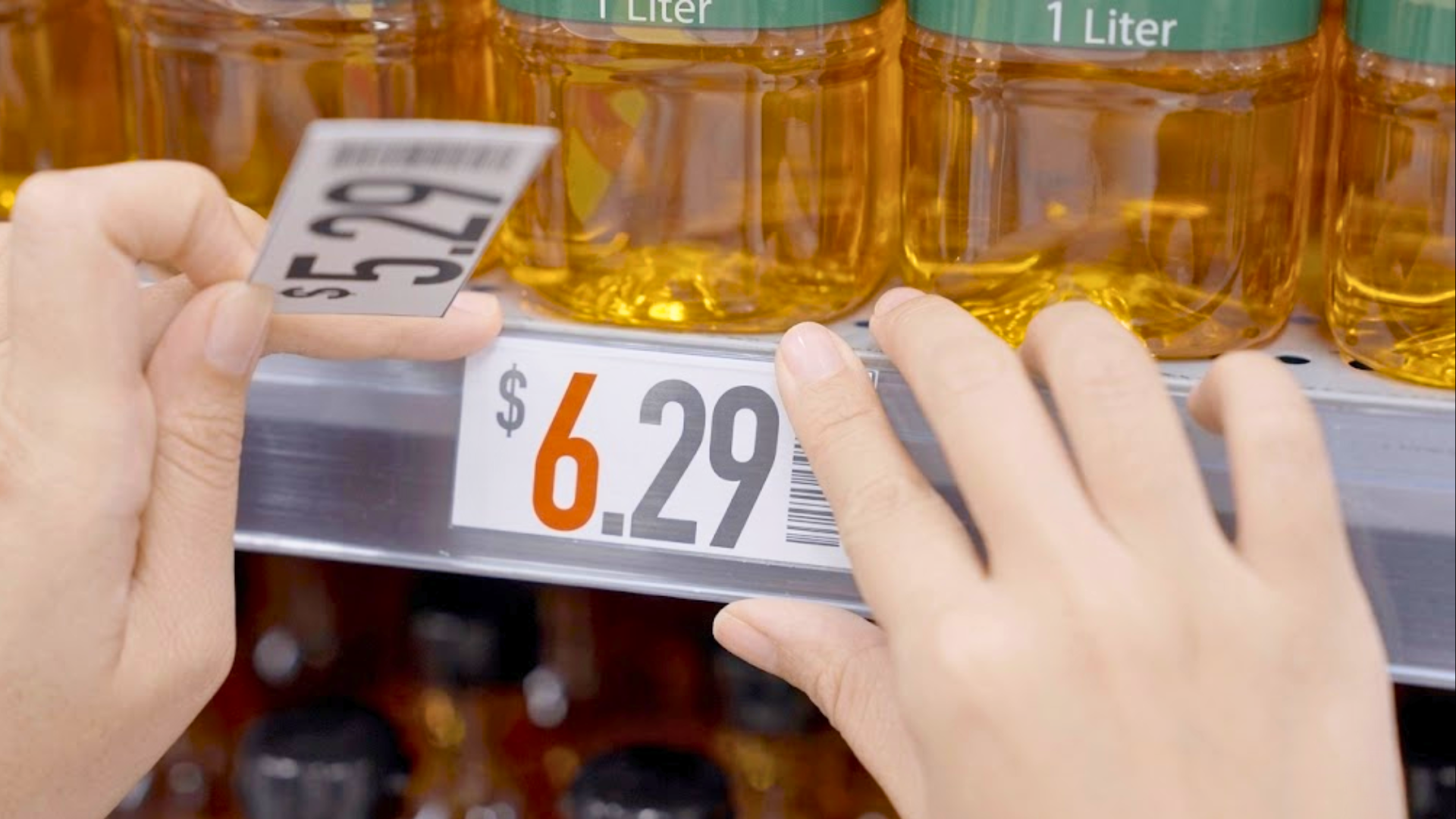

The National Farmers’ Union (NFU) has issued a stark warning that household grocery bills are set to climb as a direct result of the ongoing conflict in the Middle East. NFU President Tom Bradshaw cautioning that the world supply is being turned upside down, creating a dramatic impact across the entire food chain. While some costs may be absorbed by businesses, experts admit that price hikes will inevitably be passed on to the consumer.
The crisis stems from Iran’s continued blockade of the Strait of Hormuz, a critical maritime artery that has now been effectively closed for over three weeks. This trade route is essential for the global movement of natural gas, crude oil, and fertilizer—all of which are fundamental to modern food production. As these vital resources become trapped behind the blockade, the cost of farming is skyrocketing.
Government ministers are scheduled to hold an emergency Cobra meeting next week to address how this conflict is destabilizing the cost of living. With energy bills already forecast to rise by hundreds of pounds, the addition of surging food prices is creating a volatile backdrop for households. Farmers are urging the government to take the situation very seriously as the pressures span from the field to the supermarket shelf.
The Six-Week Countdown for Fresh Produce

Shoppers can expect to see the first wave of price increases in the produce aisle within the next six weeks. Crops grown in glasshouses, such as tomatoes, cucumbers, and peppers, are the most immediate casualties of the trade block. These operations rely heavily on natural gas for heating, and as energy prices surge due to the blockade, the cost of growing these staples is rising instantly.
Beyond the immediate hit to vegetables, the dairy and livestock sectors are braced for impact over the next three to six months. Dairy farmers typically purchase fertilizer on an as needed basis, making them highly vulnerable to the sudden price spikes caused by the closure of the Strait of Hormuz. As fertilizer costs rise, the expense of maintaining grazing land and producing milk follows suit.
While farmers of arable crops like wheat and barley may be temporarily shielded because they often buy supplies in advance, the protection is only a buffer. If the conflict persists, even these baseline staples will face the same inflationary gravity. Retailers and the British Retail Consortium have stated they are working hard to minimize the impact, but they admit that sustained energy increases will directly affect the price of goods.
Red Diesel and the Hidden Costs of Farming
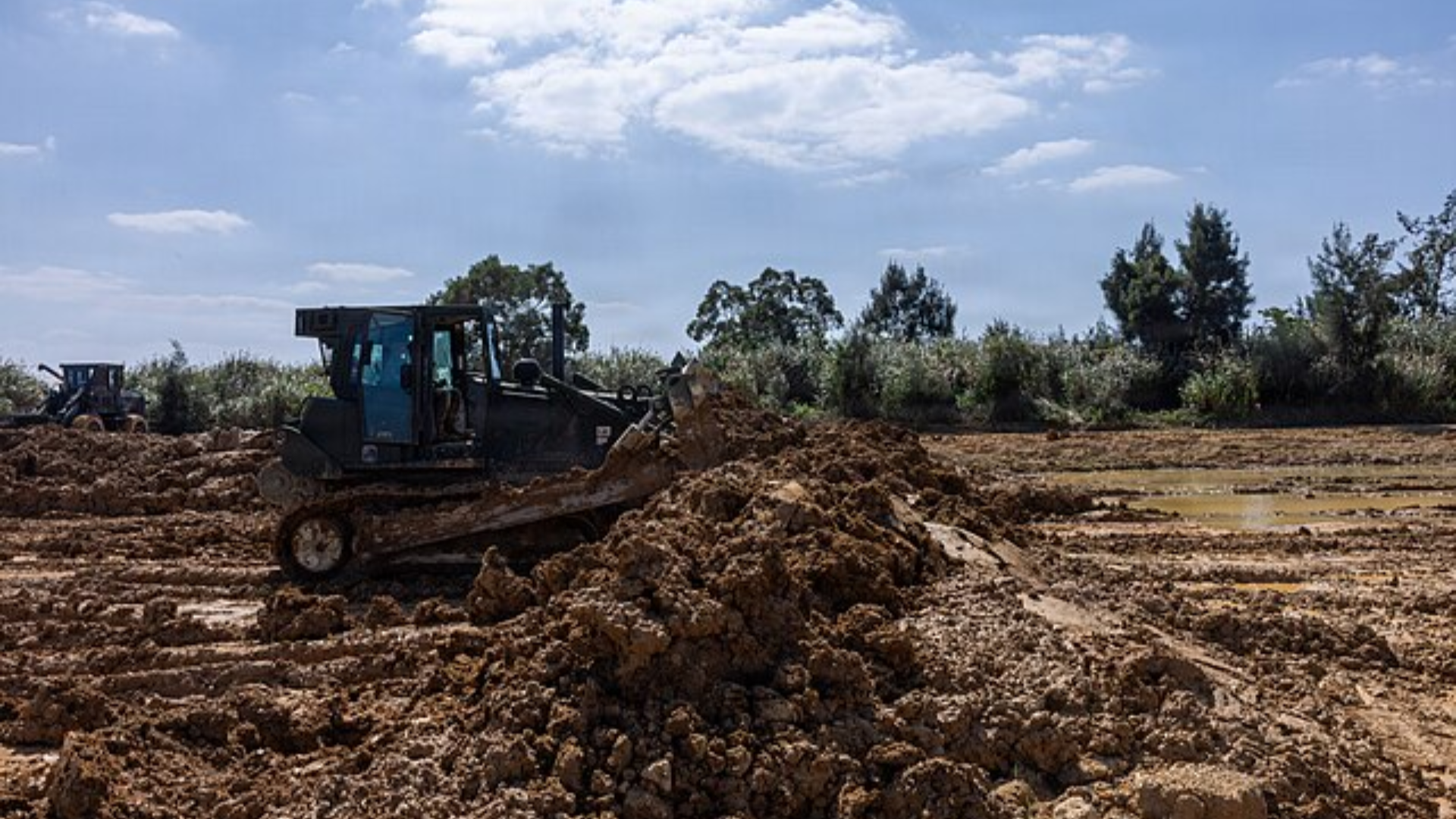
One of the most significant hidden drivers of your rising grocery bill is the cost of red diesel, the fuel used for heavy farm machinery and transport vehicles. Concerns over red diesel prices have become so acute that farming minister Angela Eagle has requested the Competition and Markets Authority to monitor fuel sales for price transparency. Every penny added to the fuel tank of a tractor eventually finds its way into the price of a loaf of bread.
The blockade of the Strait of Hormuz has created a double-sided pincer movement on farmers: they are paying more to run their equipment while simultaneously paying more for the fertilizer needed to grow their crops. This volatile backdrop is exactly what senior ministers plan to discuss during next week’s emergency session. The goal is to keep inflationary pressures under control to protect households from a total cost-of-living meltdown.
While supermarkets ultimately set the final prices for consumers, they are facing their own logistical nightmares. Disruption to shipping routes is affecting not just the cost, but the actual availability of certain goods. As the supply chain tightens, the adept management skills of retailers are being put to the ultimate test to keep shelves stocked without alienating cash-strapped shoppers.
A Global Supply Chain Turned Upside Down

The Iran war is proving to have a dramatic effect on the broader economy, stretching far beyond the borders of the Middle East. With typical energy bills already forecast to rise by £332 by July, the compounding effect of higher food costs could be devastating for many families. The situation is a stark reminder of how dependent modern food security is on stable international trade routes.
Senior government officials will be looking at more than just food and petrol at the upcoming emergency meeting; interest rates and household energy bills are also on the chopping block. The NFU emphasizes that the government must act to ensure the food supply chain remains resilient. Without intervention, the short-term disruptions seen today could settle into a long-term economic burden.
The length of the war will dictate how much pain shoppers feel at the checkout. For now, the message from the National Farmers’ Union is one of caution and preparation. As the Strait of Hormuz remains a flashpoint for global trade, the cost of your morning milk and evening salad is no longer just a local issue, it’s a geopolitical one.