New Data Shows Grocery Prices Keep Climbing Across the US
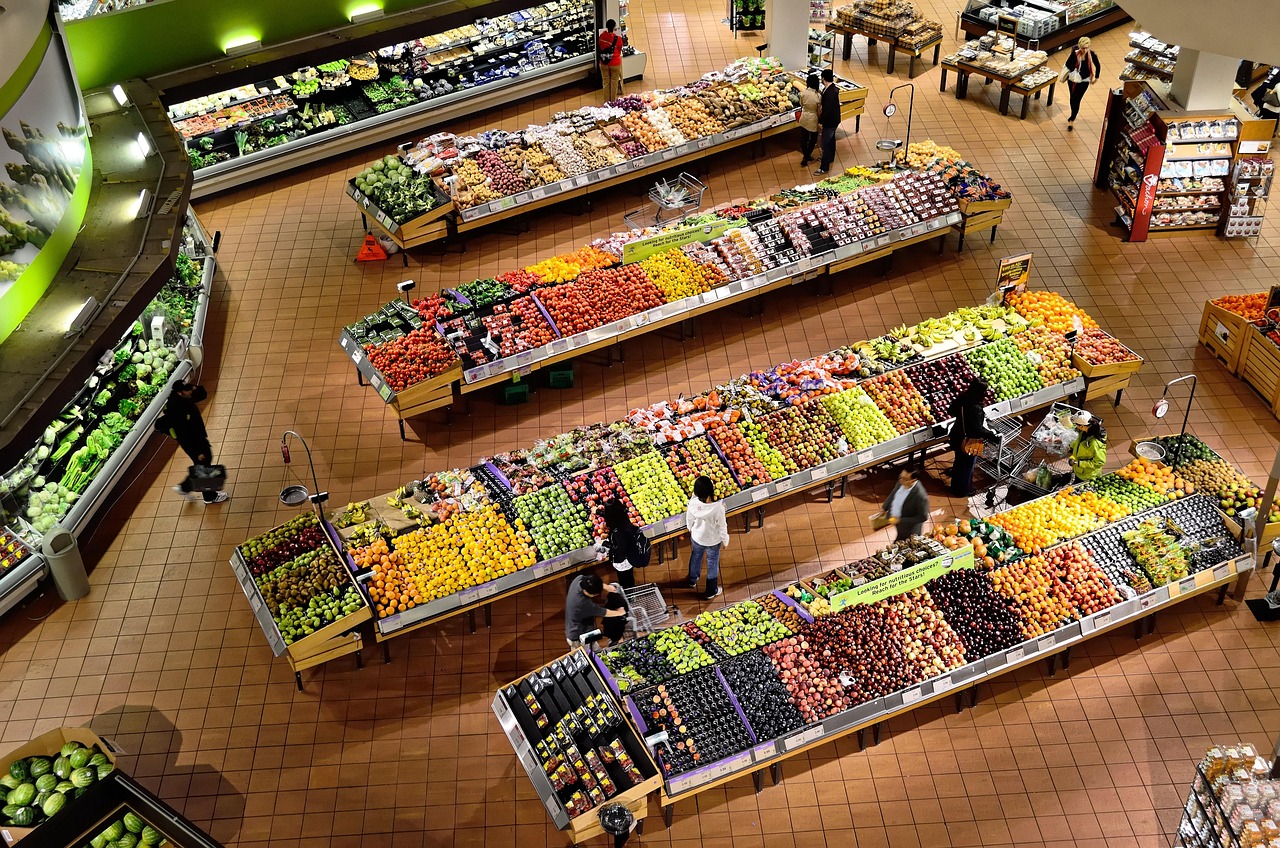

For many Americans, grocery shopping has quietly become one of the most noticeable signs of inflation. New government data suggests food prices are still rising across several major categories, even as overall inflation has cooled in other areas. While the increases may seem gradual month to month, the long-term trend is becoming harder for households to ignore. For shoppers trying to manage budgets, the cost of everyday items is still moving in one direction—up.
The Latest Data Shows Food Prices Still Moving Higher
Recent figures from the Consumer Price Index show that food prices increased 0.4 percent between December 2025 and January 2026. Compared with the same month the year before, prices were 2.9 percent higher overall, according to federal data. These changes may look small at first glance, but they reflect a steady upward movement in grocery costs. Over time, those increases add up for households that buy food every week.
Grocery Store Prices Are Still Increasing
Forecasts suggest grocery prices will likely continue climbing in the coming year. The U.S. Department of Agriculture expects food-at-home prices—meaning groceries purchased at stores—to increase about 2.5 percent in 2026. While that pace is lower than some of the sharp increases seen earlier in the decade, it still represents continued pressure on household budgets. Many staples may continue inching upward in price.
Some Grocery Items May Rise Faster Than Others
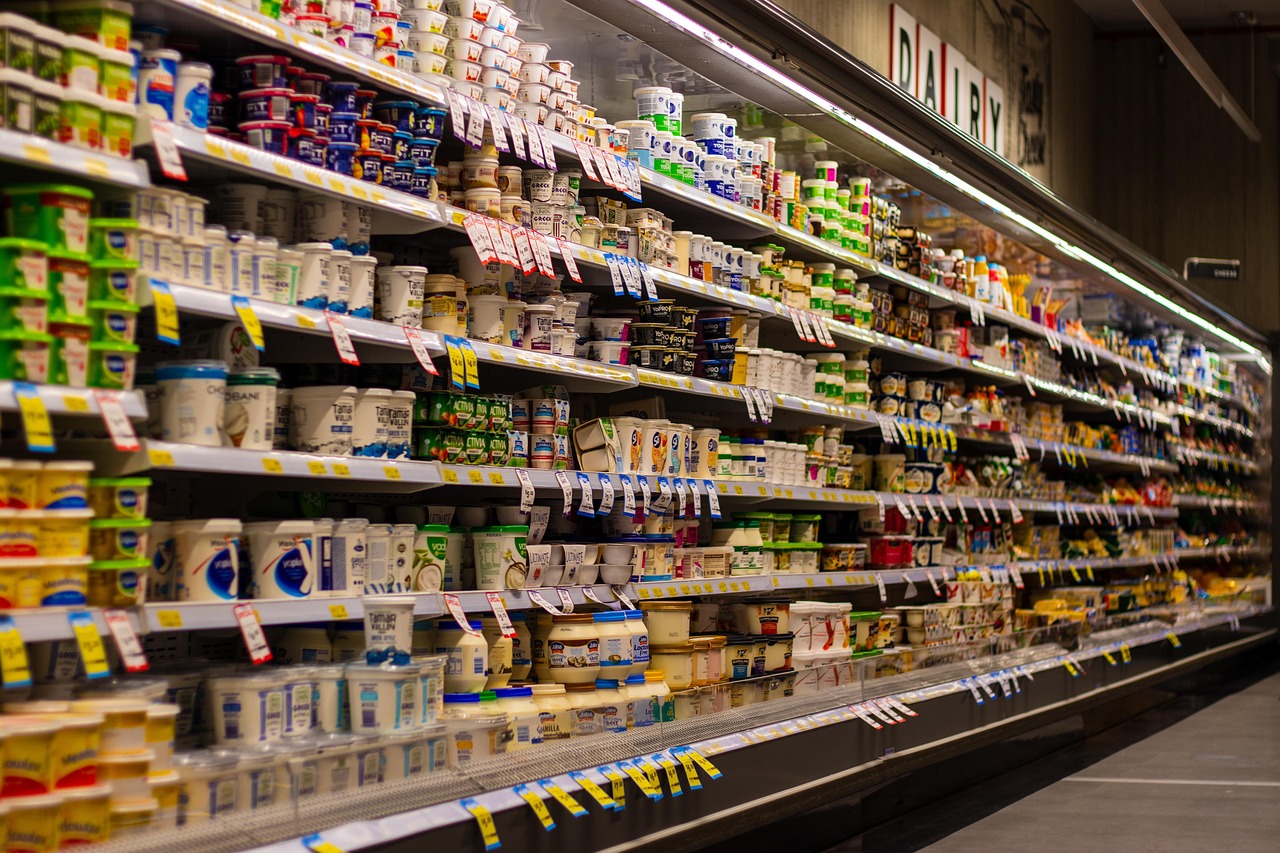
Not all grocery products are rising at the same rate. Government forecasts show that beef, non-alcoholic beverages, and sugar and sweets are among the categories likely to see faster price increases in 2026. Some of these items may even rise faster than their historical averages. For families who buy these products regularly, the difference may be noticeable at the register.
A Few Items Could Become Cheaper
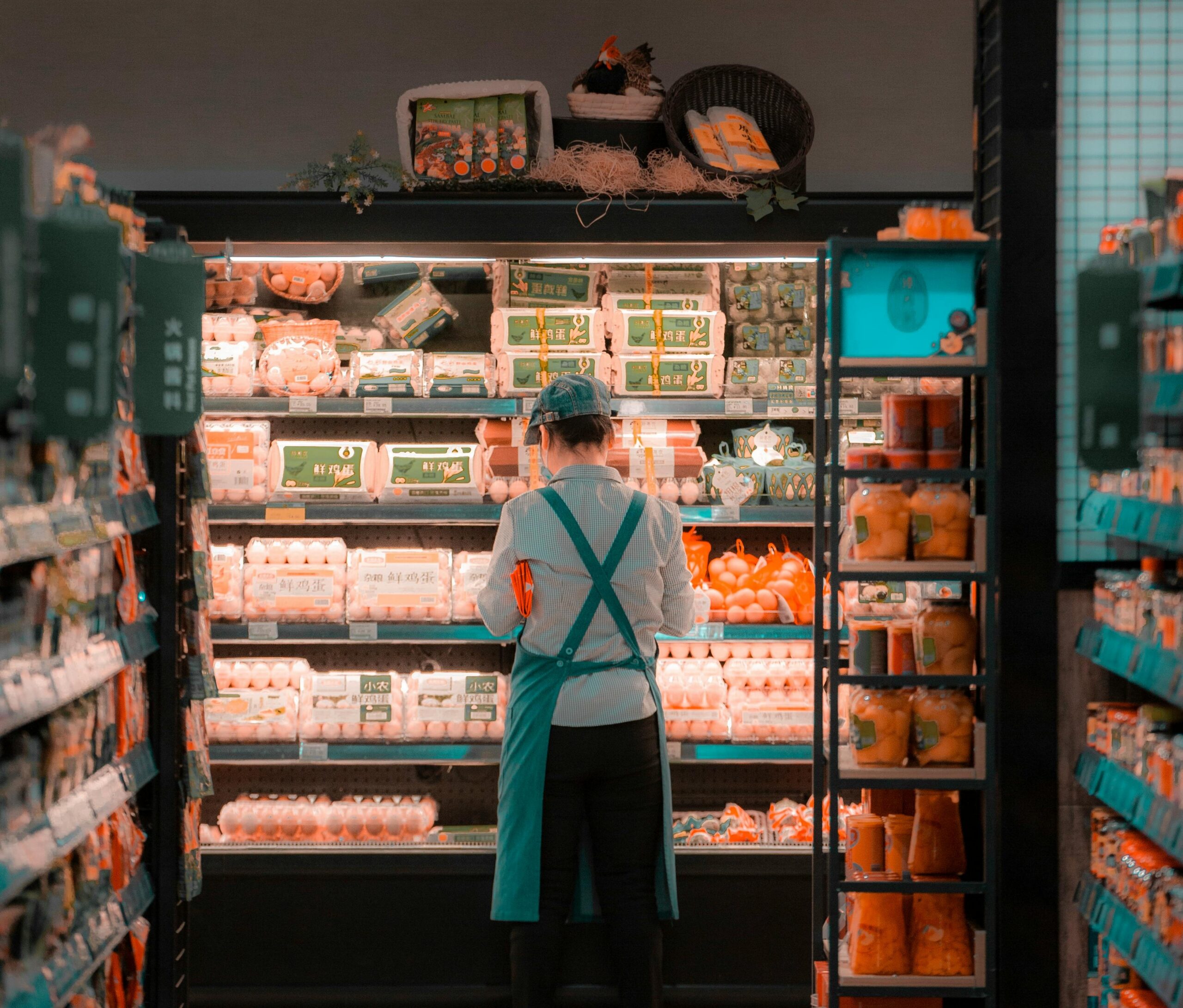
While many prices are rising, there may be at least one exception. Government forecasts suggest egg prices could fall sharply in 2026, potentially dropping more than 27 percent compared with the previous year. The decline follows earlier spikes tied to avian flu outbreaks that disrupted poultry production. As supply improves, the market may begin correcting those unusually high prices.
Rising Energy Costs Can Push Food Prices Higher
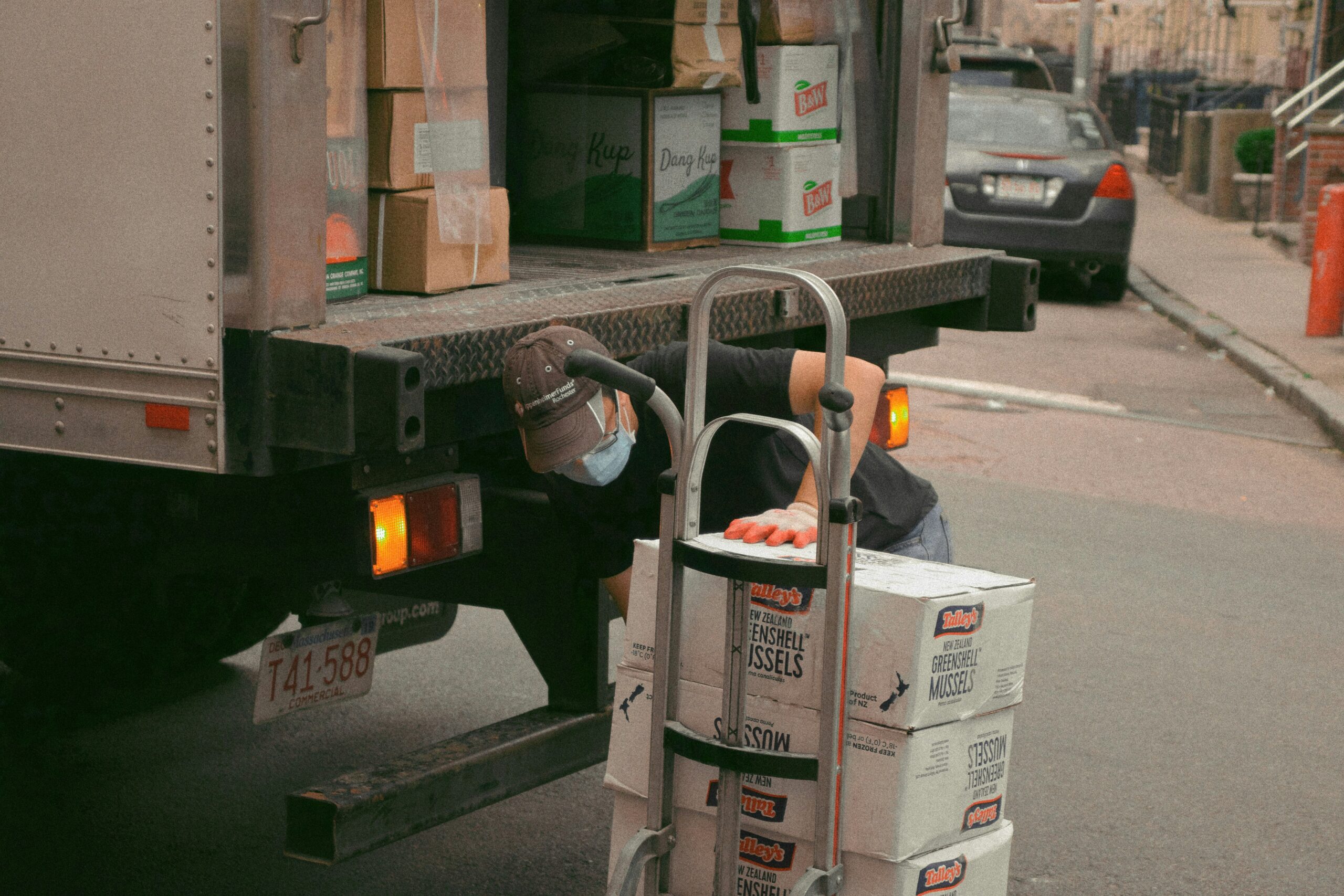
Energy prices often play a hidden role in the cost of groceries. When oil prices climb, it becomes more expensive to transport goods across the country. According to a report in Fortune, rising fuel costs can ripple through supply chains because nearly every product must be transported before reaching stores. Over time, those transportation costs can influence what shoppers ultimately pay.
Shipping and Transportation Add to Grocery Prices
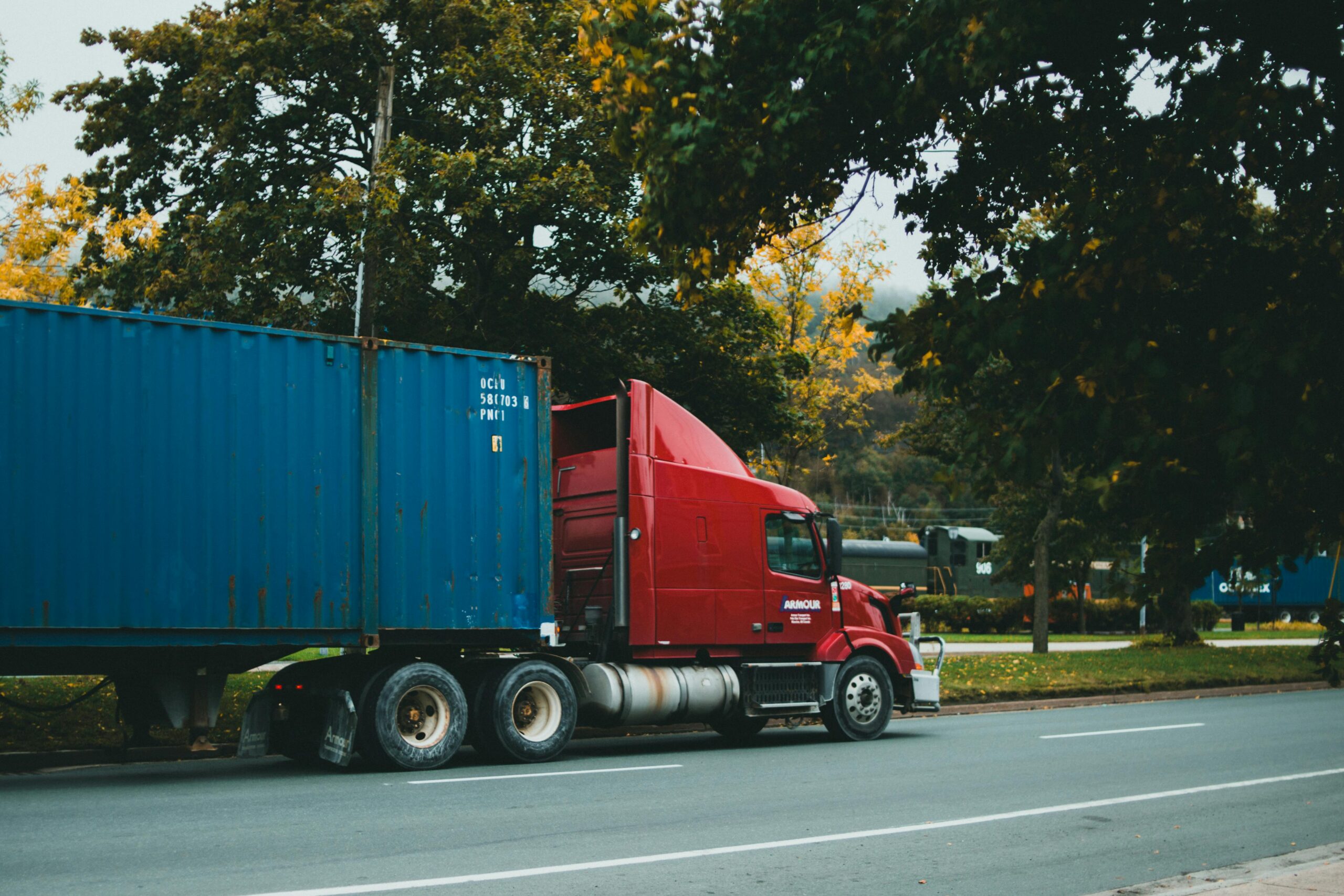
Food distribution is a massive logistical operation. Experts say fuel can account for 50-60% of the operating costs involved in shipping goods, making transportation one of the biggest factors affecting final prices. When diesel prices rise, companies moving food across the country often face higher expenses. Those added costs can gradually filter down to grocery shelves.
Weather and Disease Can Disrupt Food Supply
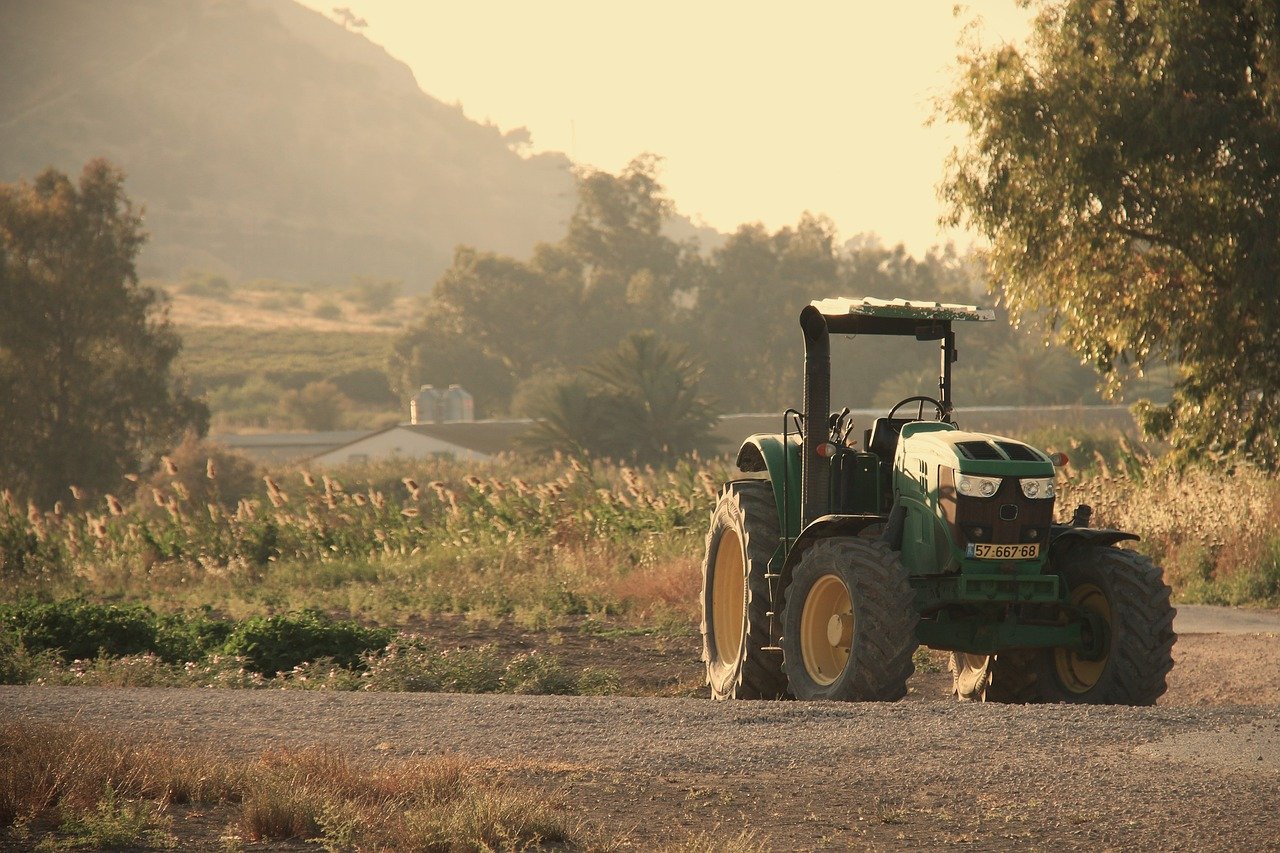
Agricultural production is also vulnerable to environmental challenges. Crop losses caused by extreme weather, disease outbreaks among livestock, and shifting climate patterns can all affect supply. When production drops or becomes more expensive, food prices often follow. These factors help explain why certain grocery items experience sudden spikes from year to year.
Food Inflation Continues, Experts Warn

Government forecasts suggest that overall food prices may increase about 3.1 percent in 2026. Some food categories are projected to rise faster than average, while others may grow more slowly or even decline slightly. But the overall trend still points toward gradual price increases across the food sector. For consumers, that means grocery budgets may remain under pressure.
What Rising Grocery Prices Could Mean for Shoppers
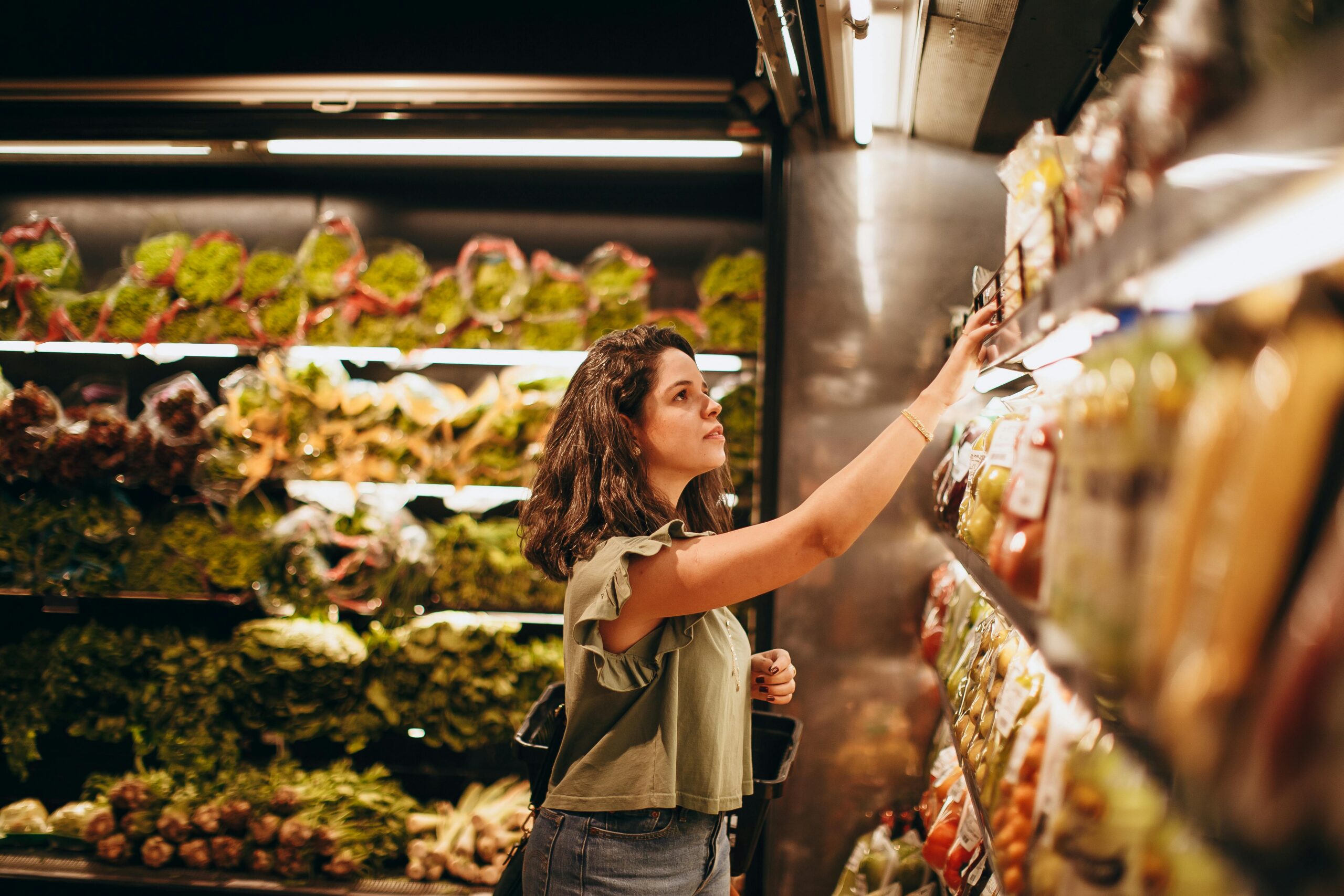
For many Americans, the data simply confirms what they already see when shopping each week. While the pace of food inflation may slow compared with earlier spikes, prices across many grocery categories are still expected to rise. Factors like energy costs, supply disruptions, and global market conditions continue shaping what consumers pay at the checkout line. As new data emerges, shoppers may be watching closely to see whether relief eventually arrives.