The 6-to-1 Shopping Method Is Going Viral, but Does It Actually Save Money?


Chef Will Coleman built a shopping rule that fits on a receipt: six vegetables, five fruits, four proteins, three carbohydrates, two sauces or spreads or dips, and one treat. Twenty-one items, no more. The method spread widely online because it replaces the open-ended question of what to buy with a fixed count per category. Two personal finance specialists assessed it for The Independent. Nouran Moustafa, a financial and mortgage adviser at Roxton Wealth, and Kevin Mountford, co-founder of the savings platform Raisin UK, both said the structure has real value. Neither said the formula on its own lowers a bill. The savings, in their assessment, come from what you bolt onto it.
This article was created with the assistance of AI and reviewed by our editorial team for accuracy and clarity.
A shopping list is not the same as a budget

The intuitive read is that fewer categories means a smaller bill. Mountford’s assessment points the other way. A formula controls the shape of a trolley, not its total, because nothing in the six-five-four-three-two-one structure specifies price. Six vegetables can mean six loose root vegetables or six prepared packs. Four proteins can mean dried lentils or four cuts of steak. The item count is identical and the till total is not. Mountford’s framing is that the method risks “simply changing the shape of the shopping list” unless a spending ceiling is set beforehand. He also notes that brand pull works against the shopper here: “We are all victims of marketing, and might go for certain brand or packaging that costs much more.”
Why a rule about groceries appeals right now

Moustafa’s explanation for the method’s reach has nothing to do with food. Most household costs are locked. Rent or mortgage payments, transport, energy standing charges: these arrive at a set figure and resist weekly adjustment. “One of the only things that people can control is their shopping habits,” she says. Groceries are the line item that moves when a household decides it should move. Mountford reaches the same conclusion from the other direction, saying the cost-of-living squeeze has made people “more conscious and mindful of how they shop.” A formula offers something a vague intention to spend less does not: a rule you can either follow or not, checkable at the checkout, applied to the one expense that still responds to a decision made on a Tuesday afternoon.
Two in five savers are funding groceries from savings

Raisin UK’s Great British Savings Report, carried out by the research firm Opinion Matters, surveyed 2,000 UK adults selected to be nationally representative. Among those who had withdrawn from savings, 42 per cent said the money went to everyday living costs including groceries and bills. That figure is the context the method sits inside. For roughly two in five people dipping into savings, the weekly shop is not funded by income alone. It is funded partly by a balance that was built for something else and does not replenish itself. Mountford draws the practical line from the survey to the trolley: “When day-to-day costs are already eating into savings, even small improvements to how regularly you shop and how much food you waste can help make the weekly budget go further.”
Six vegetables is wrong for a household of one
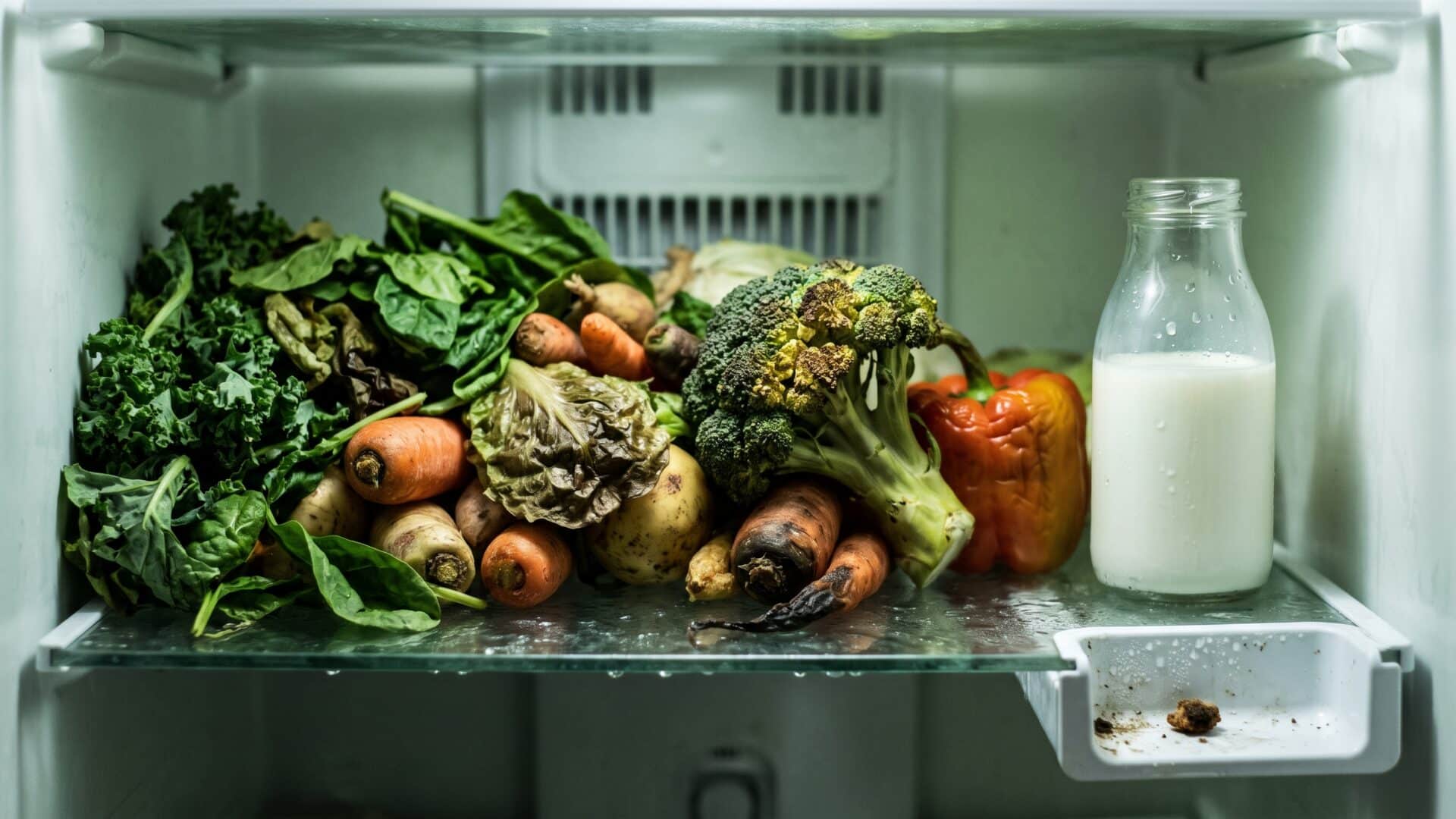
The sharpest criticism both advisers raised is that the numbers are fixed while households are not. A family of five and a person living alone receive the same instruction. “Some shopping and budgeting methods tend to be overly rigid,” Mountford says. “With this 6-to-1 method, you might not want or need six different types of vegetables, especially if there’s only one or two of you in your household.” Bought vegetables that go uneaten are worse than no system at all, because the shopper has paid for the food and then paid again in disposal. Mountford’s recommendation is to treat the ratios as a starting proportion rather than a quota, scaling the counts to the size of the household and reviewing them as circumstances shift.
Compare price per unit, not price per packet

Mountford’s single most transferable habit is reading the smaller number on the shelf label. Supermarket price tags in the UK carry a unit price alongside the headline figure: pence per 100g, per litre, per 100 sheets. The shelf price tells you what leaves your account. The unit price tells you what the food actually costs. A larger pack frequently wins on unit price and occasionally does not, and the only way to know is to look. He pairs this with two other habits. Set a spending limit before entering the shop, so the ceiling exists independently of what you see inside. Then plan how each item will be used across the week before it goes in the trolley. Applied together, these turn a list-shaping exercise into something that reduces both overspending and waste.
The error is buying to the number, not to the shelf life

The most common way the method backfires is ignoring how long food lasts. The formula counts items. It does not distinguish between a bag of dried rice and a loaf that will be stale in two days. Mountford’s example is sourdough. “Something like sourdough bread doesn’t last very long and a household of two, for example, might not get through it fast enough.” The item satisfied a carbohydrate slot, cost money, and went in the bin. The consequence compounds, because a method adopted to cut spending produces measurable waste instead. Mountford’s instruction is direct: structure the shop “in the way that is most suitable for your situation” while actively minimising wastage. That means sequencing perishables for the first days of the week and filling the remaining slots with items that keep.
The bargains are at ankle height and at the aisle ends

One habit Mountford raises has nothing to do with lists. Supermarket shelf placement is not neutral. Premium and heavily marketed brands tend to occupy the shelves closest to eye level, where they are easiest to reach and hardest to overlook. “If you look on the lower shelves or at the end of aisle, that’s often where you will find the better bargains,” he says. This matters more under the 6-to-1 method than without it, because the formula tells you to buy a carbohydrate without telling you which one. A shopper filling slots quickly takes the first qualifying item in view, which is the item placed to be seen first. Bending down converts the same slot into a cheaper purchase with no change to the count.
Loyalty cards and splitting the shop between two stores

Mountford names two supermarket schemes specifically: the Nectar card at Sainsbury’s and the Clubcard at Tesco. Both apply member-only prices at the till on selected lines, and he says they “can make quite a difference” against the standard shelf price. He also describes a habit from his own household. “My wife will often go to different supermarkets for different items if the price or deals for a particular item are better at one place.” That one carries a condition he is explicit about: it requires having more than one supermarket within reach and having the time to visit both. For a shopper without either, the saving does not exist. It is a tactic with a cost in travel and hours, and it only pays when the price gap is wide enough to cover it.
The structure buys confidence before it buys savings

The benefit both advisers named most readily was psychological rather than financial. Moustafa says a structured method “does help prevent impulsive spending and stops you from buying things that you don’t need.” Mountford frames it as a habit that spreads outward, encouraging “planning ahead, setting limits and making more deliberate choices before spending.” His closing observation is the one that explains the method’s reach better than any saving does. “If nothing else, psychologically it can help you feel like you’ve got a little bit of control, in a time where a lot of things feel out of our control.” Treated as a planning aid with a spending cap attached, the formula holds up. Treated as a discount, it is not one.