Ultra-Processed Foods Linked to Cognitive Decline and Obesity


Ultra-processed foods have become a routine part of modern diets, from breakfast cereals to frozen dinners and packaged snacks. But new research suggests these convenient staples may carry a hidden cost. Doctors are increasingly linking high consumption of ultra-processed foods to faster cognitive decline and rising obesity risk, raising fresh concerns about how daily eating habits could shape long-term brain and metabolic health. The findings don’t point to a single culprit food, they point to a pattern many people may not realize they’re following.
What Counts as “Ultra-Processed,” Exactly?

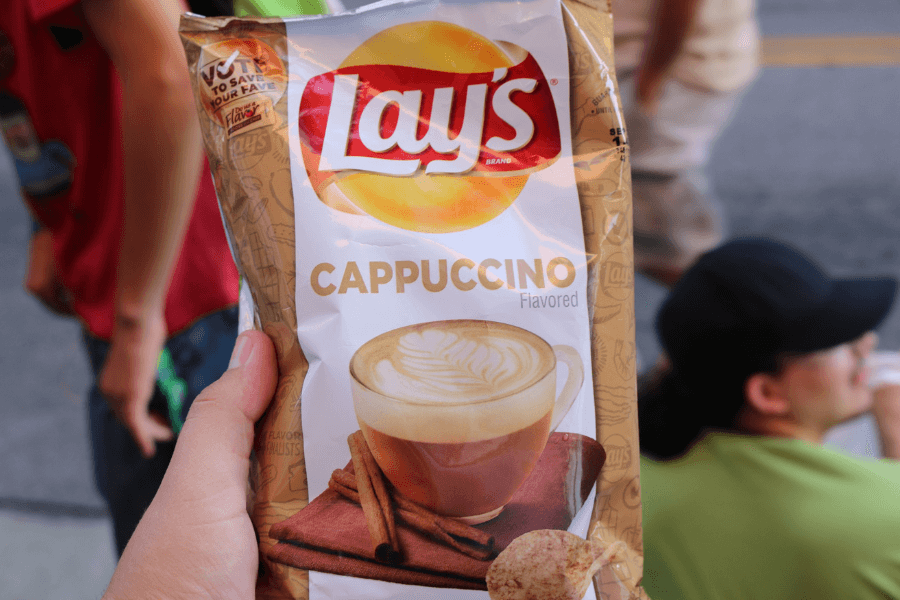
Ultra-processed foods are not just items that come in a box or bag. Researchers define them as industrially manufactured products made with added sugars, refined fats, salt, artificial flavors, colors, emulsifiers, and preservatives. Common examples include chips, ice cream, frozen pizza, sugary cereals, packaged pastries, and many ready-to-eat meals. These foods are designed for taste, shelf life, and convenience, not necessarily for nutritional balance.
The Study Linking Diet to Faster Cognitive Decline

One major study highlighted at a recent research conference found that people who consumed more than 20% of their daily calories from ultra-processed foods experienced cognitive decline up to 28% faster than those who ate less. Researchers emphasized that this is not a hard cutoff, but rather a warning signal. The more ultra-processed foods dominate the diet, the greater the observed impact on memory, attention, and overall cognitive function over time.
Why the Brain May Be Especially Vulnerable

Scientists believe ultra-processed foods may affect the brain through multiple pathways. Diets high in sugar and refined carbohydrates can drive chronic inflammation, disrupt insulin signaling, and impair blood vessel health; all of which are critical to brain function. Additives and emulsifiers may also influence the gut microbiome, which is increasingly recognized as a key player in brain health through the gut-brain axis.
Obesity, Metabolism, and the Cognitive Connection

The same foods linked to cognitive decline are also strongly associated with obesity. Ultra-processed products are often calorie-dense but nutrient-poor, making it easy to overconsume without feeling full. Obesity itself is a known risk factor for cognitive impairment, dementia, and Alzheimer’s disease. Researchers suggest the combination of metabolic strain and inflammatory effects may compound long-term brain risks.
Socioeconomic Factors Shape What Ends Up on the Plate

Diet choices don’t happen in a vacuum. Studies consistently show that people living in lower-income areas often face limited access to fresh, whole foods while being surrounded by inexpensive ultra-processed options. These communities may also experience higher air pollution, increased stress, and reduced access to healthcare; all factors that intersect with diet to influence dementia risk. Researchers stress that addressing food access is as important as individual choice.
What This Means for Alzheimer’s Risk

Alzheimer’s disease is now understood as a complex condition influenced by genetics, environment, cardiovascular health, and lifestyle. Researchers note that women account for roughly two-thirds of Alzheimer’s cases, and conditions such as hypertension — including during pregnancy — may increase future risk. Diet is emerging as one of the few modifiable factors that could help delay or reduce disease onset, even in the absence of a cure.
The Good News: Risk Is Not Fixed

Experts emphasize that these findings are not meant to alarm, but to empower. Cutting back on ultra-processed foods and replacing them with whole foods — such as fruits, vegetables, legumes, whole grains, fish, and minimally processed proteins may help protect brain health over time. Even gradual shifts in eating patterns can have meaningful effects, especially when combined with physical activity, sleep, and cardiovascular care.
Why Doctors Call This a Prevention Opportunity

For more than a century, researchers have searched for treatments to reverse dementia. This growing body of evidence suggests prevention may be just as important. While ultra-processed foods are deeply embedded in modern life, scientists argue that understanding their long-term impact gives people a chance to make informed decisions earlier, potentially slowing cognitive decline before symptoms ever appear.
Rethinking Convenience in a Processed World

Ultra-processed foods aren’t likely to disappear, and no single meal determines brain health. But the research is increasingly clear: when these foods dominate the diet, the consequences may extend far beyond weight gain. As scientists continue to unravel how diet, environment, and biology intersect, one message is emerging; protecting the brain may start with what’s on the plate long before old age arrives.