Burger King Did Something Seriously Amazing For This Terminally Ill Dog, And You Will Cry
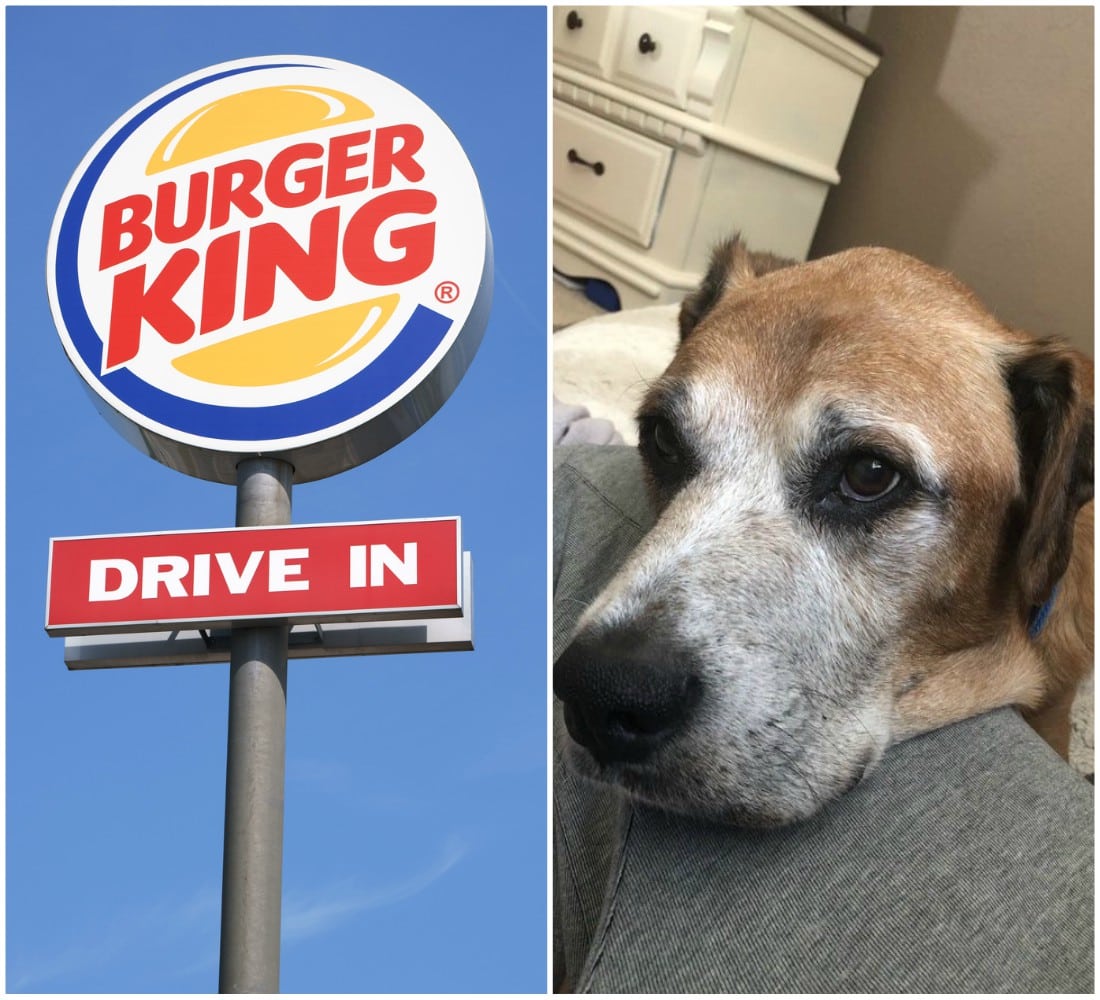

It’s no secret that the news tends to be pretty dark and depressing, so it’s always nice to hear a heartwarming story that will actually make you smile…and maybe even cry a few tears of happiness. That’s exactly what we did when heard that Burger King did something seriously amazing for a terminally ill dog, and you probably will too.
The story was shared on Twitter by 22-year-old Alec Karcher, and is on its way to being a full-on viral sensation. In a tweet, Karcher wrote a truly devastating story about his 10-year-old dog Cody. Cody was diagnosed with cancer a few months ago, and was given one to three months to live (our hearts!). Karcher and his family want to make the end of Cody’s life the best it can be, so every day, they give him his medication inside a plain cheeseburger.
A few days ago, Karcher went to Burger King to get a plain cheeseburger, and ended up telling the employee who helped him the story behind it. She asked them to wait a moment, spoke to her manager, and then came back with the sweetest news: she said “that the rest of the cheeseburgers for Cody would be free at their location.”
Thanks to @BurgerKing for showing so much love and kindness towards my family and our dog, Cody. It’s appreciated more than words can describe. pic.twitter.com/KsKnfXtv0S
— Karch (@AKarchh) July 16, 2018
Karcher and his family were obviously extremely touched. He said, “I can’t explain how much that means to us, and my family and I are beyond appreciative.”
[facebook_ia_ad_tag adid=”1″]
As if that weren’t enough to make tears come to your eyes, Burger King had the best response to the story:
the world needs more kindness and empathy. thank you for giving us the chance to do this for Cody.
— Burger King (@BurgerKing) July 16, 2018
Since then, other users have shared their own pet stories that are both heartfelt and sad. Don’t read the Twitter threads if you don’t feel like sobbing!
We’re wishing for the best for Cody and his family, and we hope he enjoys all of the free cheeseburgers for as long as possible.