15 Fast Food Workers Reveal The Very Best Menu Items You Should Order

Fast food employees are always quick to reveal the negative things about the chain restaurants they work at, like which menu items you should never order or the little secrets the companies don’t want their customers to know. But don’t forget: they work in these places for hours at a time, meaning they have access to all of the food in the kitchen, and they definitely take advantage of that. After a while, employees figure out which items taste the best and which unique combinations are actually worth asking for.
And in one Reddit thread, they put that knowledge to good use by filling people in, revealing the best menu items you should definitely order.
If you’re going to listen to anyone’s advice on what you should order the next time you hit up your favorite fast food establishment, whether it’s McDonald’s or Domino’s, it should be the employees. They’re the ones who get to see all of the behind-the-scenes action that goes into the food, so they have the best idea of what’s good and what’s terrible.
Below, 15 fast food employees reveal the best menu items to try.
You just might feel inspired to change your order the next time you’re out — or you might get so hungry you’ll do it right now.
1. Get dessert at Popeyes.
When you head to Popeyes Louisiana Kitchen, you’re probably only thinking about ordering some of their classic fried chicken, or maybe even some seafood.
But one Reddit user who says they worked at Popeyes swears by one dessert option instead: the cinnamon apple pie. User SKSmokes said, “It’s old school, deep fried like the McDonald’s ones used to be 20 years ago. Delicious.”
2. There are two menu items at Dairy Queen that are always worth ordering.
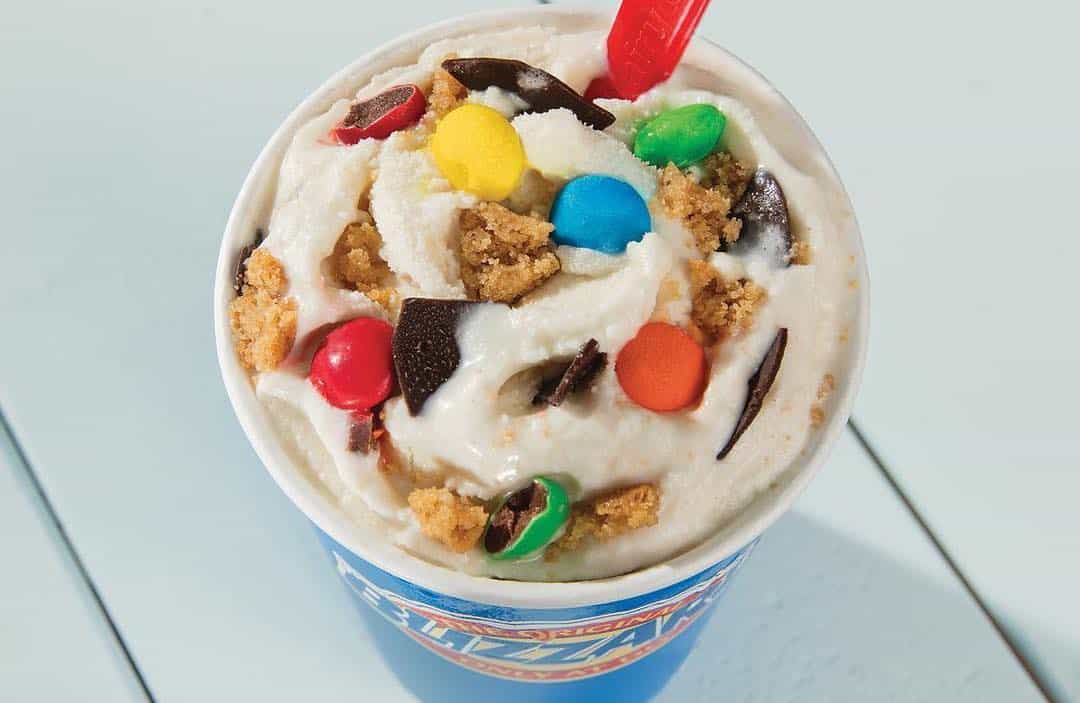
You’ve got tons of blizzard options at Dairy Queen, of course, but Reddit user flavorspell says one is better than all the others.
They said, “The Midnight Truffle blizzard is a chocolatey masterpiece but not many people order it.” And if you’re not interested in ice cream, try a different kind of chicken sandwich. Flavorspell said, “Also: grilled chicken sandwiches with only barbecue sauce. Everyone is stuck on crispy.”
3. Make your own breakfast combo at McDonald’s.
The breakfast menu at McDonald’s is so legendary that it has now become a 24/7 staple.
But if you want to make up your own little order, Reddit user MilkForTheShicken said, “Best breakfast ever, the McDonald’s chicken and waffles. Order the southern style chicken and ask for it on a McGriddle bread instead of a biscuit.” Not exactly chicken and waffles, but it’s pretty close.
4. Always add cheese bread at Little Caesars.
If you’re ordering from Little Caesars, chances are pretty good that you’re getting a pizza.
But you should add a side to that. User Skazius said, “Used to work at Little Caesars pizza. At least at the one I worked at nobody ever got the ‘Italian’ cheese bread with garlic cream cheese dipping sauce. So much cheesy buttery win.” Cheese, garlic, bread, and a dipping sauce? It almost sounds too good to be.
5. Ask for melted cheese at Wendy’s and Arby’s.
Sometimes, employees are obsessed with the menu items the general public doesn’t really realize are possible.
Reddit user FFandMMfan said, “I have never, ever come across a person outside of my family (who has been doing it for years) that knows you can order a cup of melted cheese at both Wendy’s and Arby’s and dip your fries, nuggets, whatever in it.” It will make basically everything better!
6. Add bacon to this sandwich at Subway.
If you’re ordering a tuna sandwich from Subway, you’re getting a pretty classic sandwich: tuna salad made with lots of mayo on the bread of your choice, with any added veggies you want. But you should also add one more item. Reddit user jAckMonty said, “When I worked at Subway, I used to put bacon on my tuna subs, it was amazing! No one ever ordered it that way though.”
7. Try the Lava Cakes at Domino’s.
Obviously, Domino’s is known for their pizza (that cheese-stuffed crust? Amazing) and their cheesy bread (nothing compares!).
But as it turns out, their desserts are worth holding out for. User ExceptionallyStrange said their favorite thing to order was, “Lava Cakes from Domino’s. I worked there for a for a little while. Sometimes I’d ‘accidentally’ break one while boxing it and eat the ‘mistake’ while a new one was cooked.”
8. Ask for a grilled cheese at Five Guys.
Sure, Five Guys is all about burgers and fries, but multiple employees have sung the praises of another menu item: the grilled cheese.
User RainbowZebraGum said, “I used to work at Five Guys and you can get a grilled cheese with anything on it. When I worked there I would get a grilled cheese with extra cheese, bacon, grilled tomato, and BBQ sauce on the side. It’s awesome.” Why are they so good? User TeamJim said, “The trick is that they use mayonnaise instead of butter on the bread. I had an ex-girlfriend that had worked there. Best thing I took from that relationship.”
9. Order a Crunchwrap Supreme at Taco Bell with a Doritos shell.
You can make a Taco Bell staple even better with this little tip.
A Reddit user whose account has since been deleted said the best thing to order is a Crunchwrap Supreme, explaining you’ll want to “replace the tostada shell with a Doritos shell.” They said, “It tastes amazing. Note though that we have to break a Dorito taco in half (you still get both halves). That’s just how we get it to be the size of a tostada shell. You might get a cashier saying you can’t do this. Tell them it’s ‘under All Sides, and break the shell in half.'”
10. Opt for chicken at Subway.
If you want to try something new at Subway, one employee says to try the Chicken Pizzaiola.
The user, whose account has since been deleted, said, “It comes with the plain chicken strips, pepperoni, and marinara sauce. It actually may not be on the physical menu at stores, but it’s on our registers.” Oh, and they had one more tip too: “When you order a flat bread sandwich, ask them to flip the bread over, it tastes so much better with the lumpy side on the outside.”
11. Get the Cinnapie at Papa John’s and add onto it.
Who knew fast food pizza places had such good dessert?
User RagingPigeon said, “I used to work at Papa John’s. The Cinnapie is so much cinnamon and icing goodness but it’s not terribly popular. I once bought chocolate chips to take into work and baked them into a Cinnapie. It was like a nuclear bomb of sweetness going off in my mouth. If you know someone who works at Papa John’s, go in late in the evening when it’s not busy with a bag of chocolate chips and have them make a Cinnapie with them.”
12. Always ask for Big Mac sauce with your McDouble at McDonald’s.
Want to make your burger even better at McDonald’s?
User cgmhdblog said, “I worked at McDonalds and one of the best tasting burgers I ever had was a McDouble made like a Big Mac with extra sauce.” User berdiesan added, “Even better, order McDoubles (however many you’re getting) and order a side of Big Mac sauce. They give it to you in a sundae cup lid with the sundae cup on top like a super-tall lid. Enough sauce for 4-5 McDoubles, easy… And you only pay for an extra sauce, like 30 cents instead of an extra on each burger.”
13. Add whatever you want to any Panera Bread order.
At Panera, you can definitely have things your way — all you have to do is ask.
User Purple_Smurf said, “Working at Panera nobody ever realizes you can customize the hell out of everything. So I order a big kids grilled cheese, add chicken and tomatoes and have them put some mayo or butter before they melt it and I have a 6 cheese goey melty goodness.”
14. Make your own blizzard at Dairy Queen.
Apparently, you don’t have to follow the menu rules at Dairy Queen either.
User saitouamaya said, “I worked at Dairy Queen and we will put literally any toppings in a blizzard for you. We have one that is a brownie earthquake blizzard. Oreos, marshmallows, brownie pieces, and hot fudge. My favorite is brownie pieces and cheesecake pieces.”
15. Get cajun fries with hot sauce at Five Guys.
User 420Warrior said, “I will not stop posting this until everyone knows about it. I used to work at a Five Guys a few years back. This is what you want to order. Cajun fries and ask them to squirt the Frank’s hot sauce onto the fries before they give it to you.”
Okay, is anyone else starving now, or is it just us?!