Recall Announced for Popular Barbecue Sauce Sold Nationwide

A nationwide alert has been issued for a staple of backyard cookouts that could pose a life-threatening risk to unsuspecting families. Savannah Bee Company, a popular Georgia-based producer known for its honey-infused artisanal goods, has officially recalled its Honey BBQ Sauce-Mustard after a startling discovery involving mislabeled bottles. What looks like a standard condiment may actually be a “ticking time bomb” for anyone with specific food sensitivities. This isn’t just a minor clerical error; it is a high-stakes packaging blunder that has sent federal inspectors and consumers scrambling to check their pantries before the next meal. The recall serves as a chilling reminder of how a single mistake on a production line can turn a family dinner into a medical emergency.
The Customer Who Cracked The Case
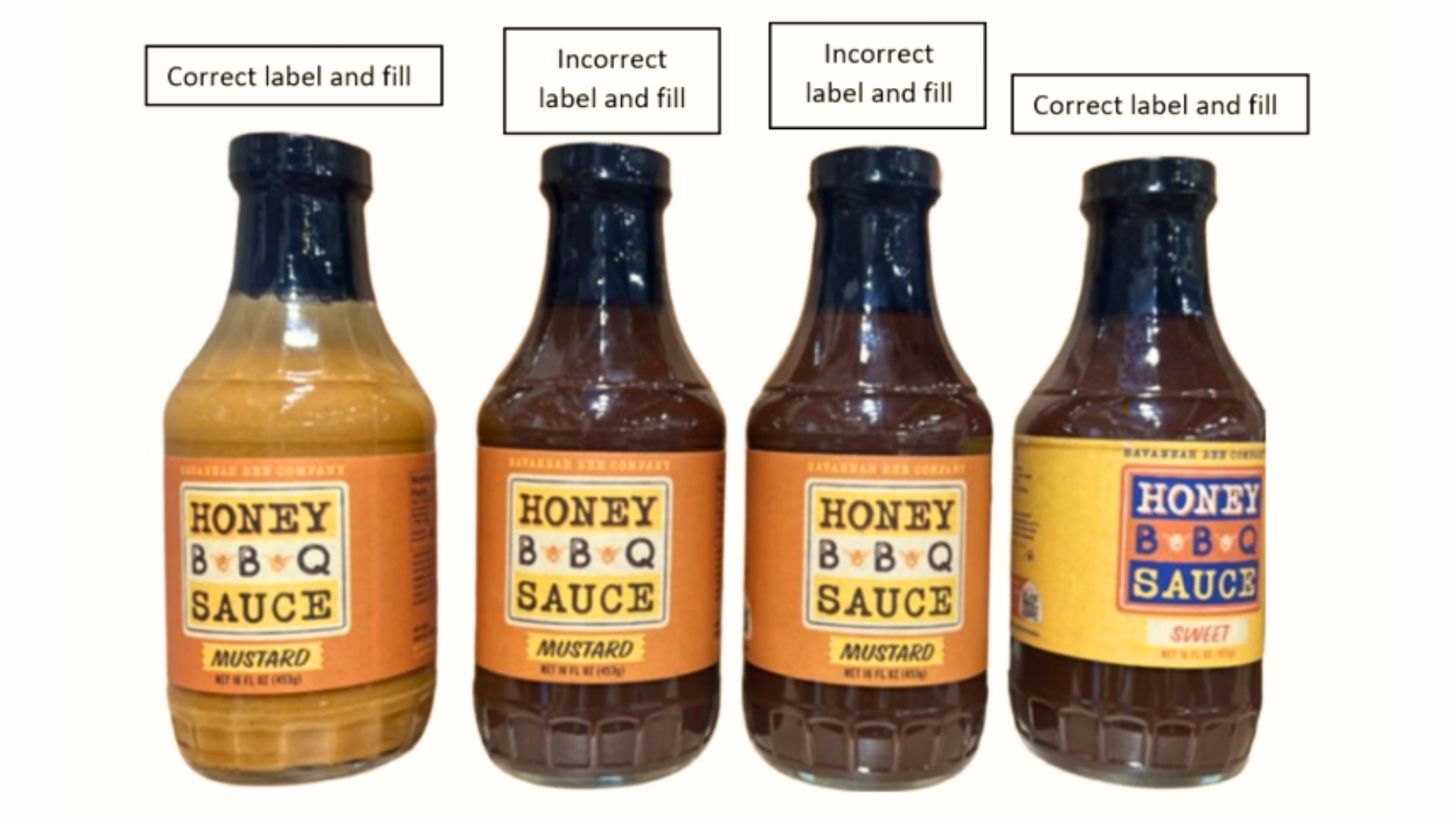
The mystery began not in a laboratory, but in a customer’s kitchen. A sharp-eyed consumer noticed something was “off” about their purchase and contacted the company, triggering an immediate investigation. The client reported that while the label on the outside of the bottle clearly read “Honey BBQ Sauce-Mustard,” the liquid inside told a different story. Instead of the expected light yellow mustard base, the bottle was filled with a dark brown, sweet sauce. This simple observation blew the whistle on a massive manufacturing mix-up that had been ongoing for months, proving that sometimes the best line of defense for food safety is an observant shopper.
A Tale of Two Sauces
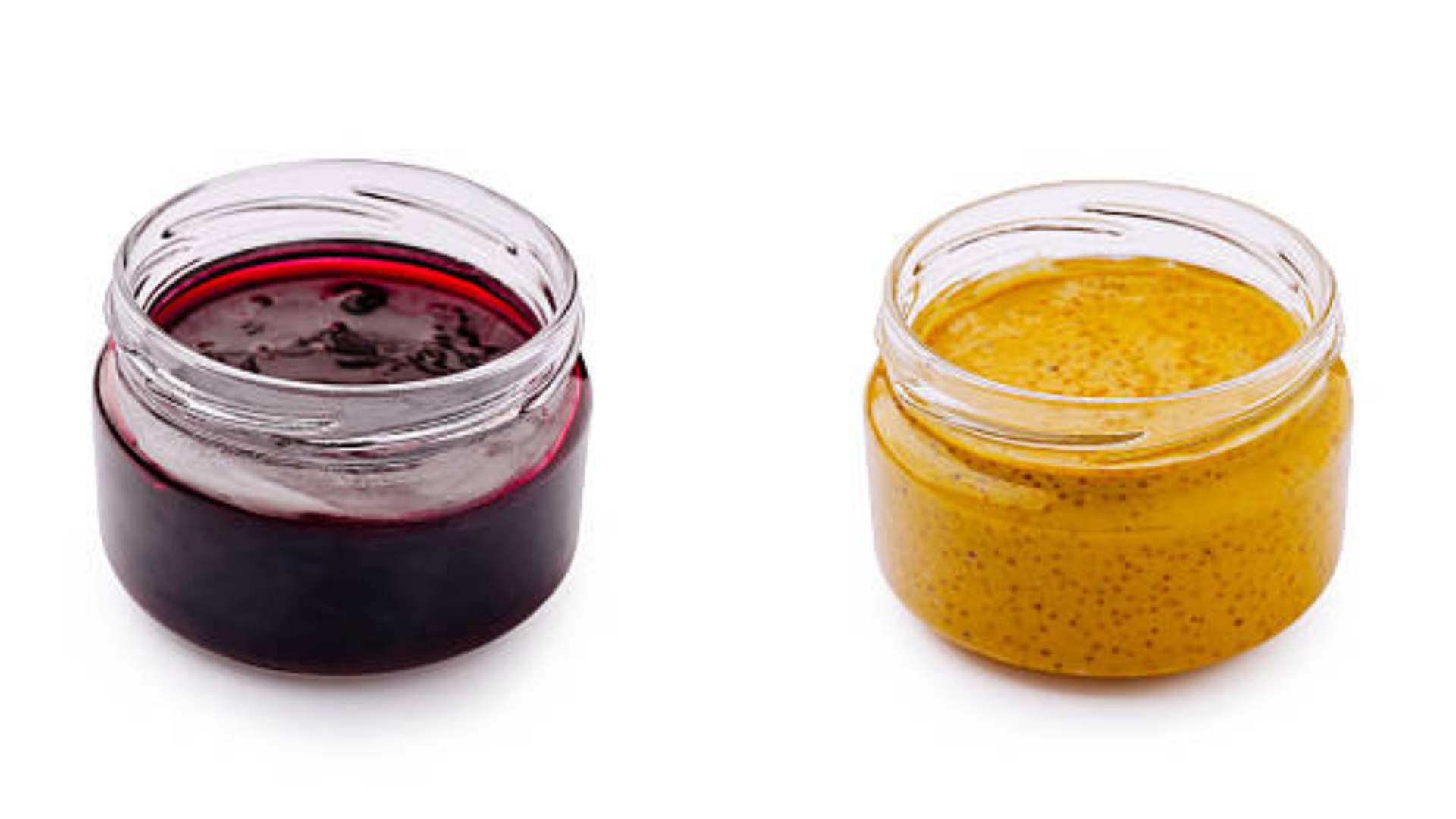
The root of the problem lies in a literal identity crisis between two of the company’s signature products. The “Honey BBQ Sauce-Mustard” (the intended product) is a mustard-heavy recipe that is naturally free of certain grains. However, the bottles were accidentally filled with the “Honey BBQ Sauce-Sweet” variety. While the Sweet version is a fan favorite, its recipe relies on wheat and soy, two major allergens that were never listed on the Mustard label. This “liquid swap” created a invisible hazard: a product that looked like one thing but contained the biological triggers of another, leaving those with allergies completely in the dark.
Tracking The 16-Ounce Threat
Federal officials have narrowed the danger down to a specific production window. The recalled 16-fluid-ounce glass bottles were shipped to retailers, distribution centers, and direct consumers across all 50 states between July 30, 2025, and February 26, 2026. If you purchased a bottle during this seven-month period, it is statistically possible that your pantry is housing one of the affected units. The sheer scale of the distribution, stretching from local boutiques to major national retailers, makes this one of the most widespread condiment recalls of the early 2026 season.
How To Spot The Mislabeled Batch
Identifying the dangerous bottles doesn’t require a science degree, just a quick look at the glass. Every recalled bottle is marked with Lot Number B1L1360525 and carries a Best-By date of May 16, 2027. These details are typically etched or printed near the neck of the clear glass bottle. If your “Mustard” sauce appears dark brown instead of the signature yellow, you are likely holding a mislabeled “Sweet” bottle. The FDA has released side-by-side photos to help consumers distinguish the two, emphasizing that if the color doesn’t match the name, the contents aren’t safe for those with wheat or soy sensitivities.
The Growing Crisis Of “Risky Foods”
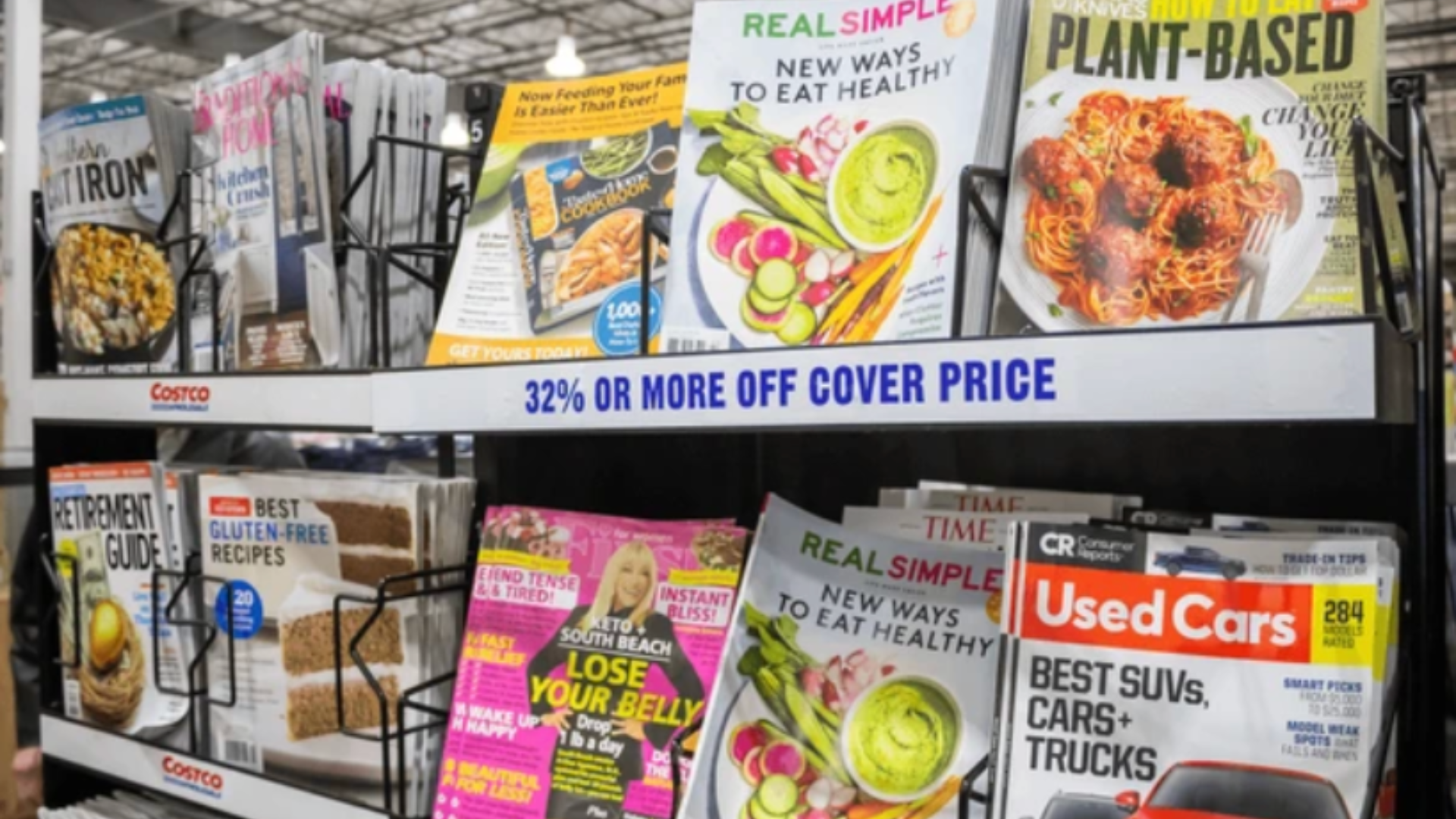
This recall arrives on the heels of a troubling report from Consumer Reports, which recently identified the “10 Riskiest Foods” in the American diet. While deli meats, leafy greens, and raw dairy topped the 2024 list due to bacterial outbreaks like Listeria and E. coli, sauces and pre-packaged condiments are becoming a new frontier of concern. Undeclared allergens are now a leading cause of Class I recalls, often surpassing actual contamination. The Savannah Bee incident highlights a systemic “labeling fracture” in the food industry where manual errors are failing to keep up with high-speed national demand.
The Silent Threat Of Undeclared Allergens

For the millions of Americans living with wheat or soy allergies, “undeclared” is a terrifying word. Unlike bacteria, which can often be killed by high heat, an allergen is a permanent part of the food’s chemistry. Consuming these hidden ingredients can trigger anything from hives and swelling to life-threatening anaphylaxis. While Savannah Bee Company reports zero illnesses to date, the margin for error is razor-thin. This incident has reignited a debate among food safety advocates about the need for more rigorous automated scanning on production lines to prevent “packaging swaps” before they leave the warehouse.
What To Do With Your Bottles
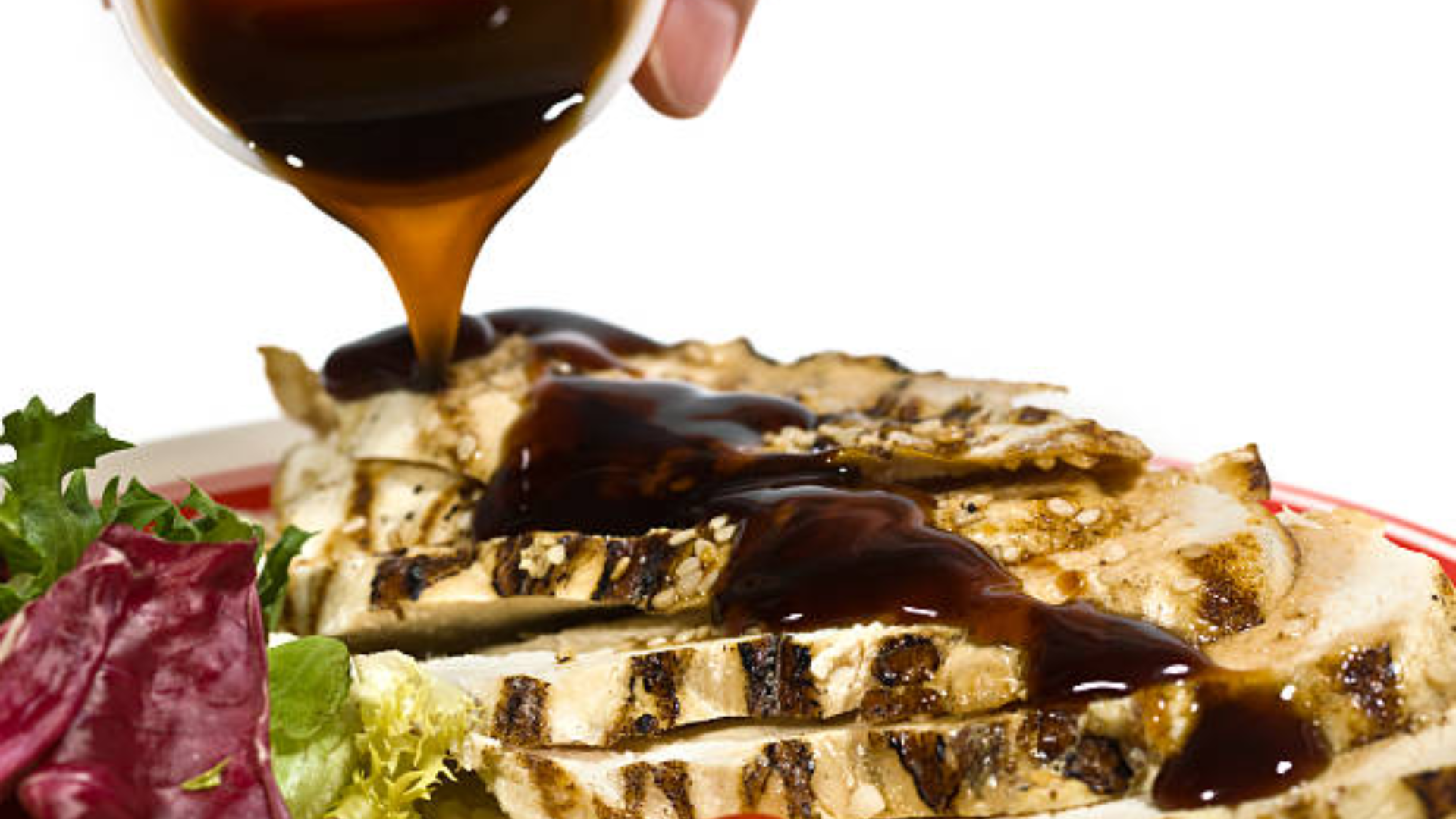
The advice from both the FDA and the manufacturer is blunt: Do not eat it. Even if you don’t have a known allergy, the company is urging all owners of the affected lot to dispose of the product immediately. For those looking to recover their costs, Savannah Bee Company is offering full refunds. Consumers are encouraged to contact their customer service line at 800-955-5080. Keeping the bottle “just in case” isn’t worth the risk, especially since the mislabeled sauce could be accidentally served to a guest or family member who does have a sensitivity.
The Impact On Small-Batch Brands
This recall is a significant blow to Savannah Bee Company, a brand that built its reputation on the purity of its honey and “farm-to-table” transparency. In the competitive world of artisanal condiments, a nationwide safety alert can damage consumer trust overnight. It reflects a broader pattern where small, high-growth companies struggle to scale their quality control as they enter massive retail environments like Walmart or Whole Foods. The “innovative engine” of these brands is often stalled by the logistical nightmare of a national product withdrawal, forcing a reset of their entire manufacturing protocol.
The Future Of The Pantry
As the 2026 grilling season approaches, this recall serves as a memorable warning to look beyond the brand name. The era of “blind trust” in food labels is evolving into an era of “trust but verify.” Whether it is a luxury honey BBQ sauce or a generic staple, the safety of our food supply remains a shared responsibility between the maker, the regulator, and the shopper. The final statement of this saga is a simple one: the most important ingredient in any meal isn’t the sauce, it’s the certainty that what’s on the label is exactly what’s in the bottle.