Margot Robbie’s Trainer Just Said Something Very Controversial About Breakfast
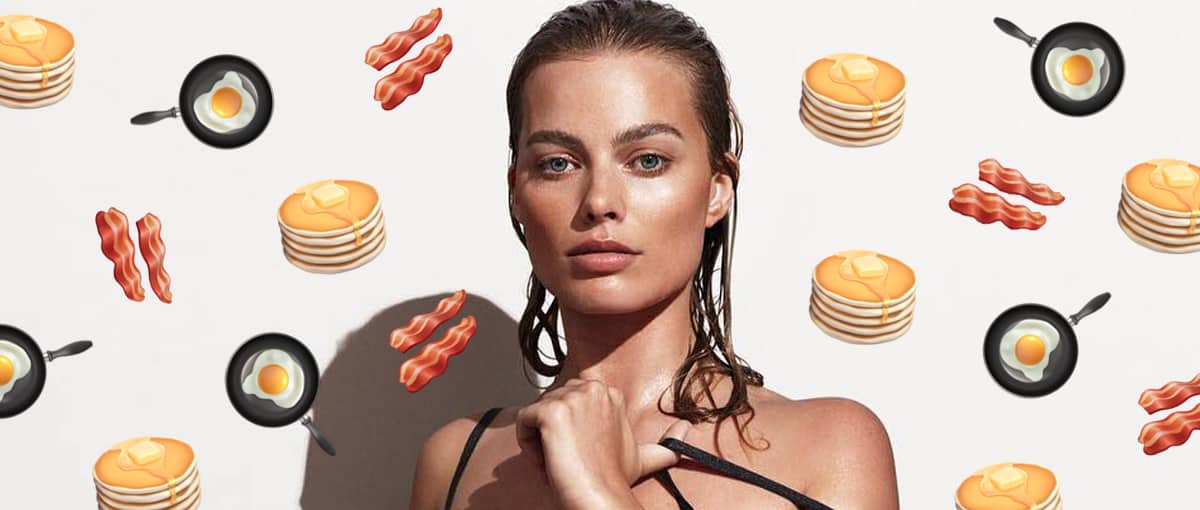

You’re probably told pretty often that breakfast is the best thing ever — and that skipping it is a bad decision that will lead to weight gain, daytime fatigue, and overeating later on in the day. Well, just to shake things up and prove all our good intentions wrong, David Higgins (a Hollywood personal trainer for Margot Robbie, Naomi Campbell, and Claudia Schiffer, to name a few) claims that breakfast is super overrated.
Most people think of breakfast as healthy because it allows you to get loads of calories early — which you’ll burn throughout the day. But there might be more to the story.
Here’s what you should know about skipping breakfast:
Higgins is all about skipping breakfast if you’re not hungry (so, listening to your body). He’s also a big-time supporter of intermittent fasting, which involves going whole periods — usually 16 hours of the day — without eating, which leaves you with an eight-hour window during which to eat.
Of course, there’s loads of reliable research that suggest intermittent fasting is good for you, so he’s not wrong — but not everyone can get behind not eating breakfast in the morning (especially if it’s been working fine for your body and your health).
But as Higgins writes in his new book, The Hollywood Body Plan, if you do want to eat breakfast, you’ll need to shift your eight-hour window up. This means you’ll likely eat breakfast, eat for the next eight hours, and skip dinner. No nighttime snacks, folks! Don’t even think about it.
Here’s Higgins’ book. Looks like it’s full of Hollywood fitness secrets!
Here’s Higgins’ video showing him training Jessie Graff. She’s an Ninja Warrior!
He really loves his clients. Here’s his post about Robbie:
This one’s with Naomi Campbell. Pretty amazing job, right?
And here’s Higgins with everyone’s favorite, Samuel L. Jackson. So cool!
Higgins also suggests that the concept of breakfast is basically just a marketing ploy. Think of the bacon and eggs that were sold as a go-to breakfast in the 1940s, for example.
This is pretty cute! Darn corporations!
[video_quote pvideo=”IiWyxPDL” video=”IiWyxPDL” text=””]
It’s pretty interesting to think about how corporations and marketing can actually change the ways in which you live your life, right? But hey — if you want to eat in the morning, eat in the morning!
There’s also research that suggests breakfast really is the most important meal. In fact, one study found that eating a quality, healthy breakfast — versus just any old breakfast (looking at you, pancakes and syrup) — is linked to better health, lower stress, and even improvement in depression levels.
So, is Higgins onto something or not? It seems it’s up to the individual. But looking at his clients, something must be working for them.
Look at Margot Robbie! She looks fit and strong. Maybe it’s the fasting?
While we suggest you always check with your doctor about what’s best for your body, loads of people swear by fasting. Here’s one account:
Here’s another post about breakfast. Makes you hungry just thinking about it, huh?
And here’s yet another post. It clarifies the myth that a person will be “starving” if they fast for a while.
Here’s another post about why fasting while working out can be good. Again, chat with your doc first.
Apparently, it’s about changing your mindset. That’s always the hard part.
In the end, do what feels right for you. Make healthy choices and take care of your body.