Subway’s Price Problem Is Only Getting Worse as Customers Notice Other Issues
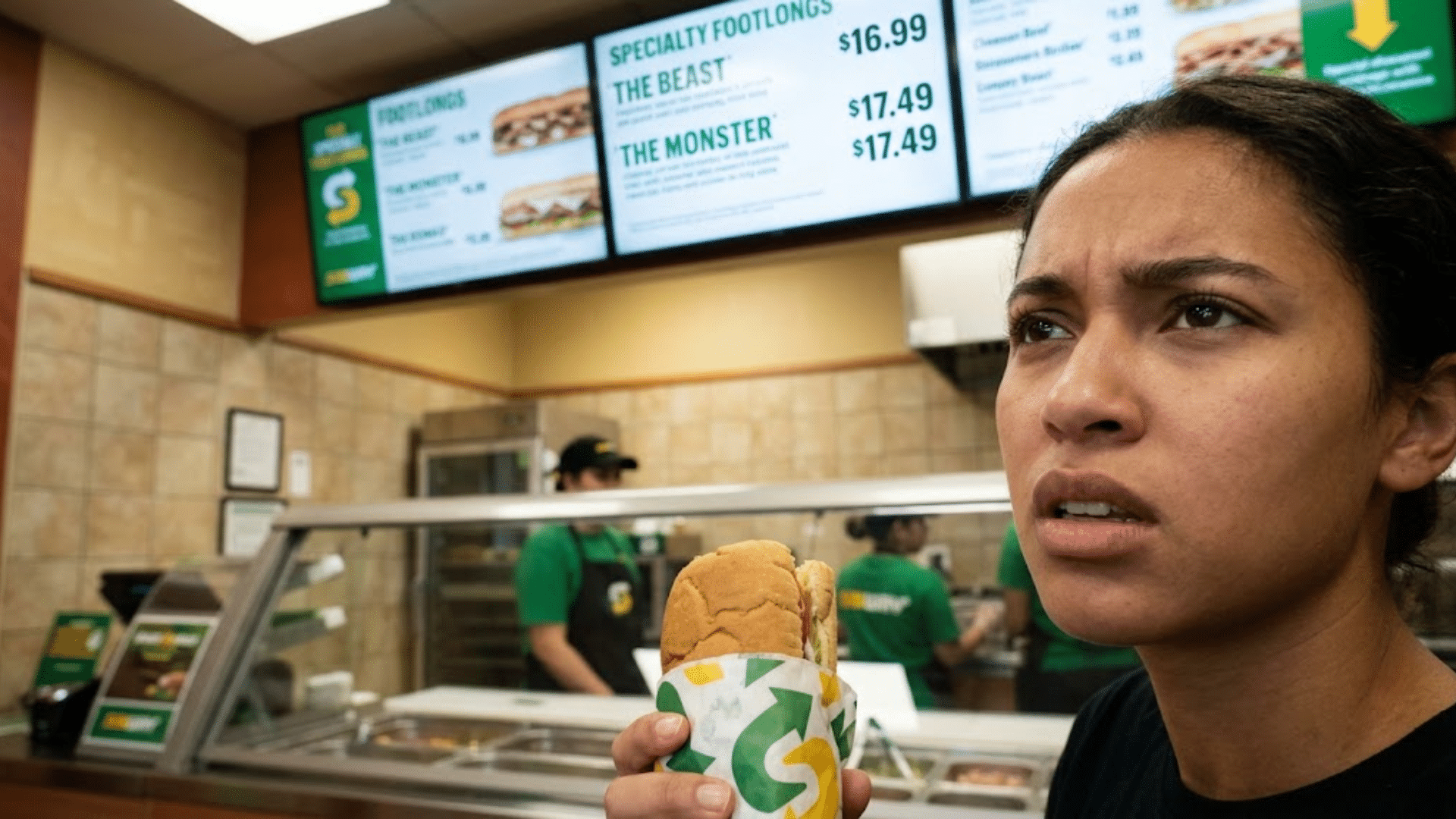

A sandwich chain that built its entire brand identity around $5 footlongs is now charging up to $18 for one. That gap between reputation and reality sits at the center of growing customer frustration with Subway. Complaints about pricing have piled up alongside separate concerns about food quality, portion sizes, and inconsistent service from location to location. None of these issues appeared overnight, but together they paint a picture of a brand struggling to match its reputation to current reality.
This article was created with the assistance of AI and reviewed by our editorial team for accuracy and clarity.
A $15 to $18 Footlong Directly Contradicts Decades of Marketing
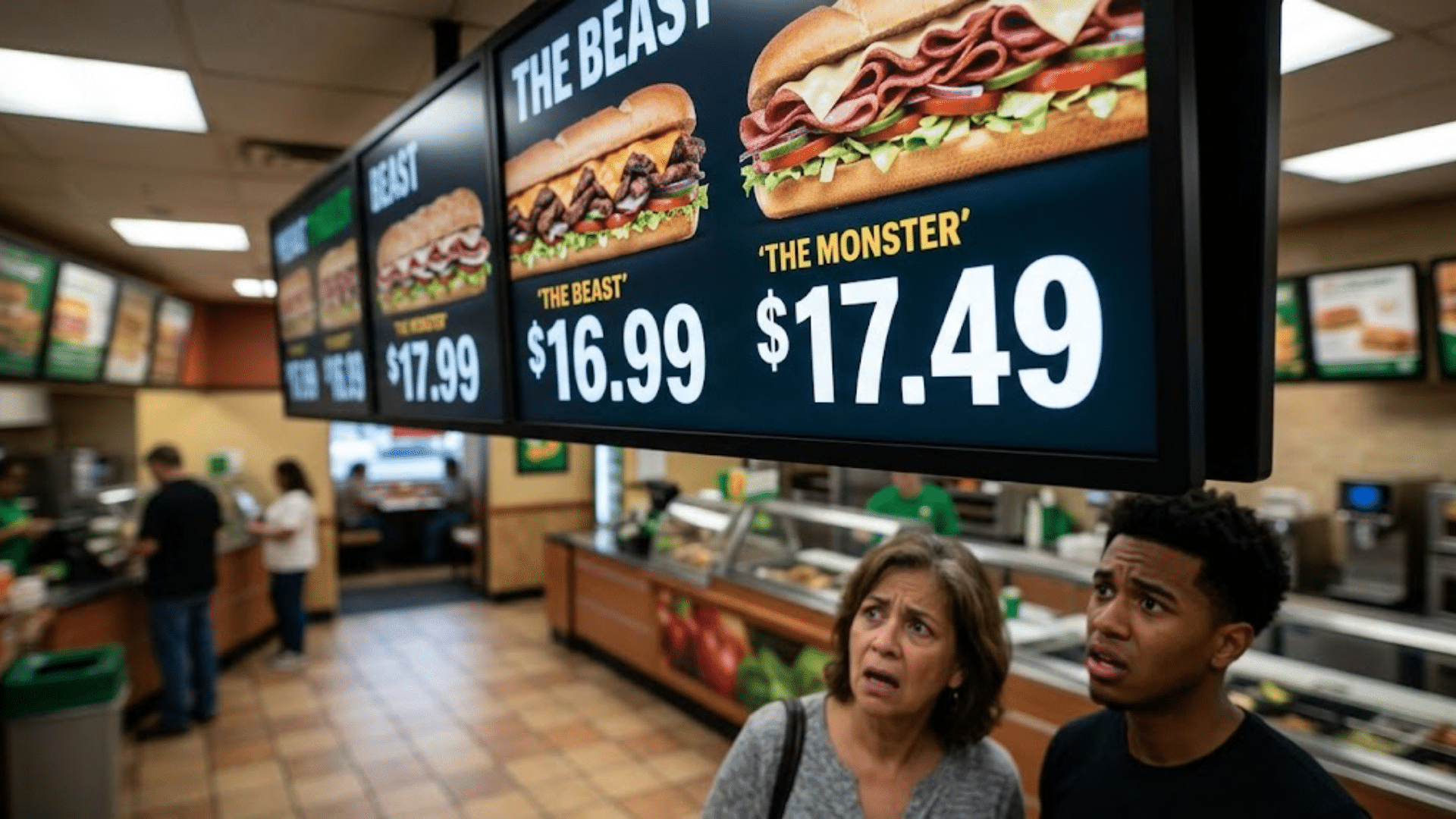
Specialty footlong sandwiches now commonly cost between $15 and $18, depending on location. For customers who grew up on the “five, five dollar, five dollar footlong” jingle, that price range feels like a direct contradiction of everything Subway spent years training people to expect. The chain’s own marketing history makes the current prices sting more than they might at a sandwich shop without that specific reputation to live up to.
The Famous $5 Deal Never Actually Worked for Franchise Owners
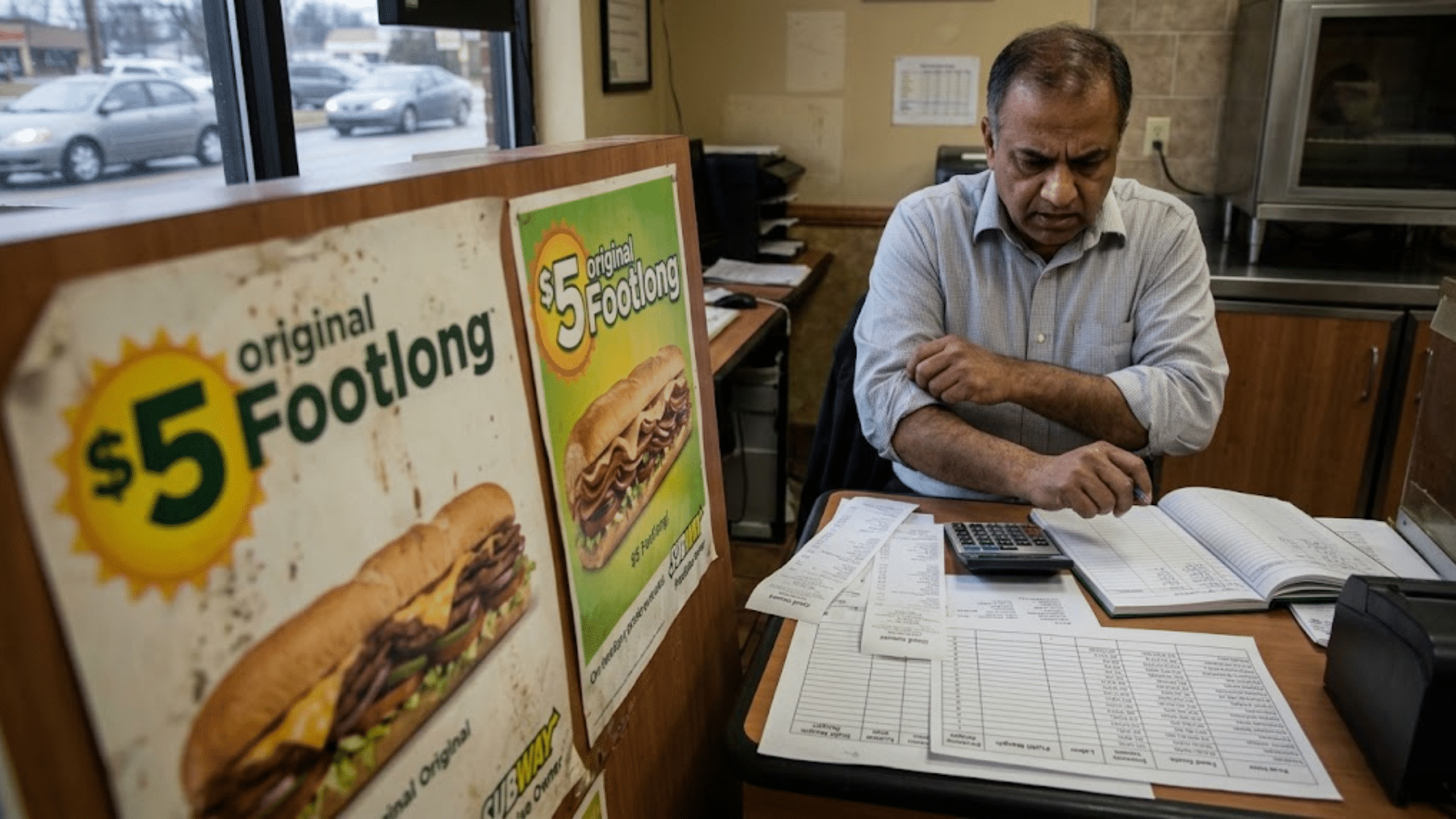
The $5 footlong promotion that built Subway’s affordability image never actually worked well for the franchisees running individual stores. Introduced in 2008, the deal drove billions in company-wide sales but squeezed franchise owners as food and labor costs climbed. The promotion began disappearing from stores in 2012 and was fully gone by November 2014, later returning briefly in 2018 and 2020 before being retired for good.
A New Loyalty Perk Got Pulled Barely Two Months After Launch
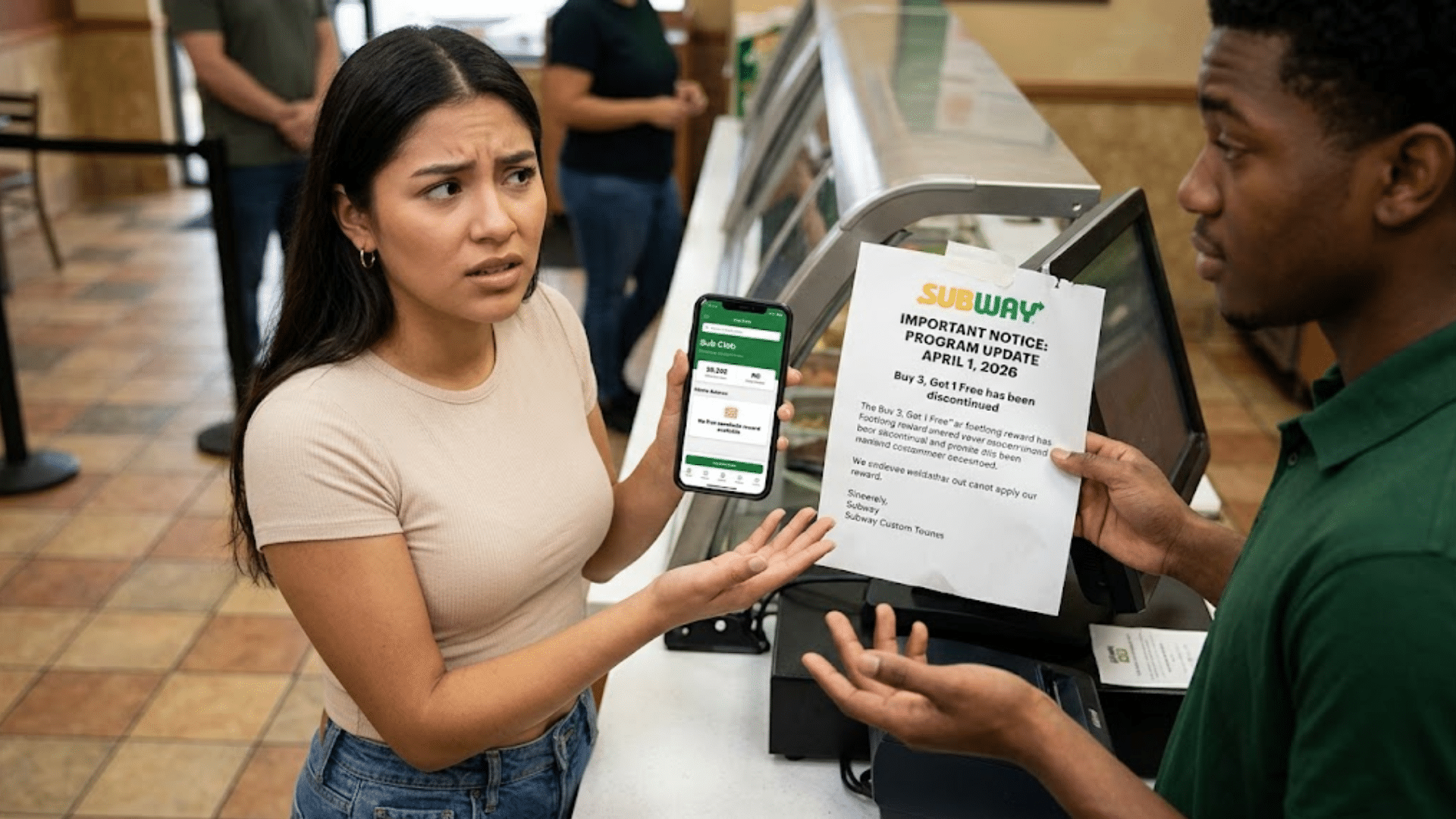
Subway tried reviving customer loyalty in December 2025 by relaunching its Sub Club rewards program, promising a free footlong after purchasing three footlongs or six six-inch subs. That goodwill lasted barely two months. Starting April 1, 2026, Subway eliminated the free footlong reward entirely, keeping only point-based discounts. Customers who had just started building toward a free sandwich lost that incentive almost as soon as they signed up for it.
Franchise Owners Have Their Own Long List of Complaints
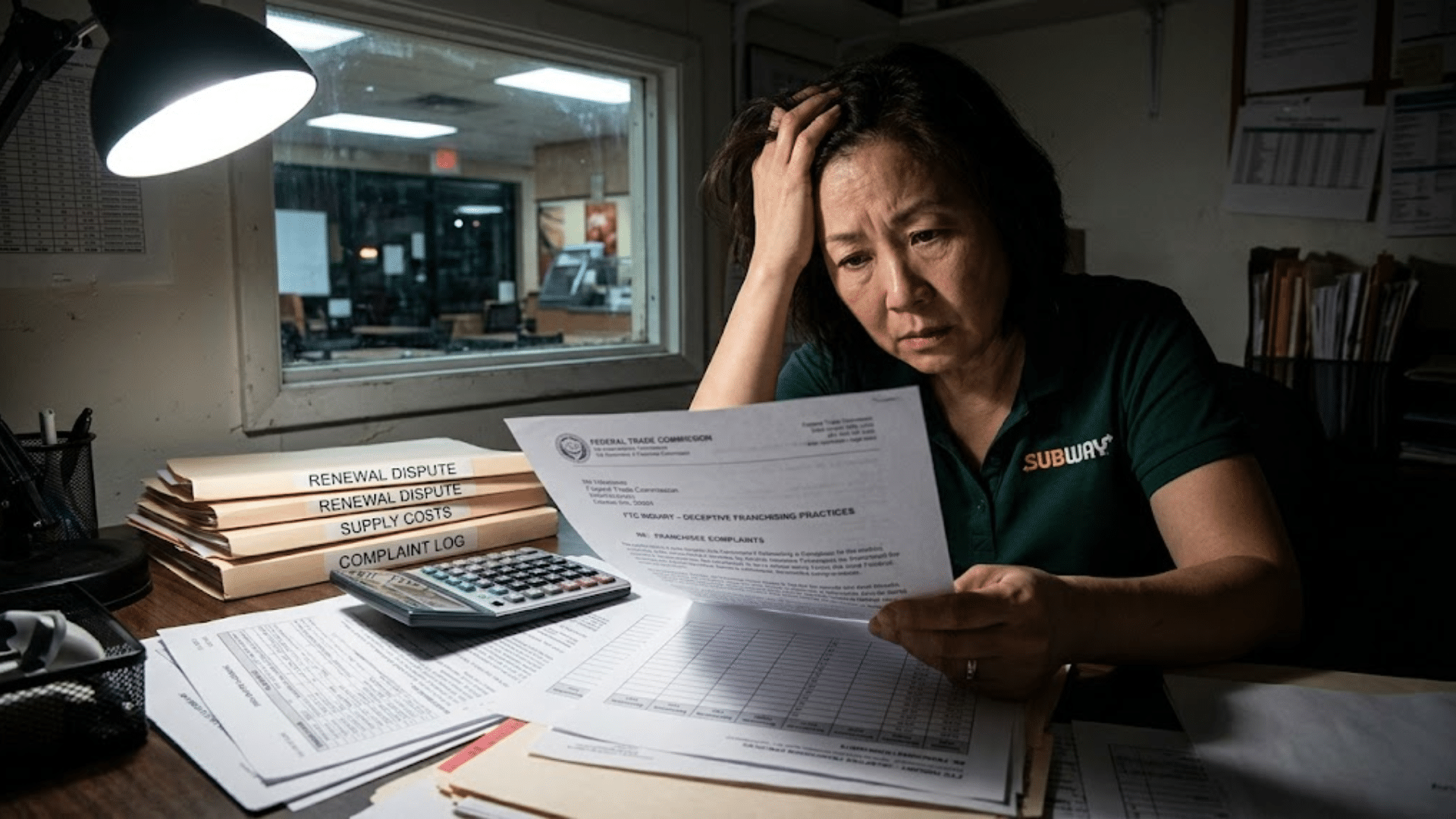
Franchisees have their own long list of grievances layered underneath customer complaints. Owners filed complaints with the Federal Trade Commission over the original $5 footlong promotion back in 2020, and many resisted participating when Subway rolled out a $6.99 footlong deal more recently. In 2024, the FTC itself named Subway a top offender for deceptive and unfair franchising practices, citing fear of retaliation and franchise renewal problems.
One Discontinued Sandwich Still Haunts Subway’s Reviews
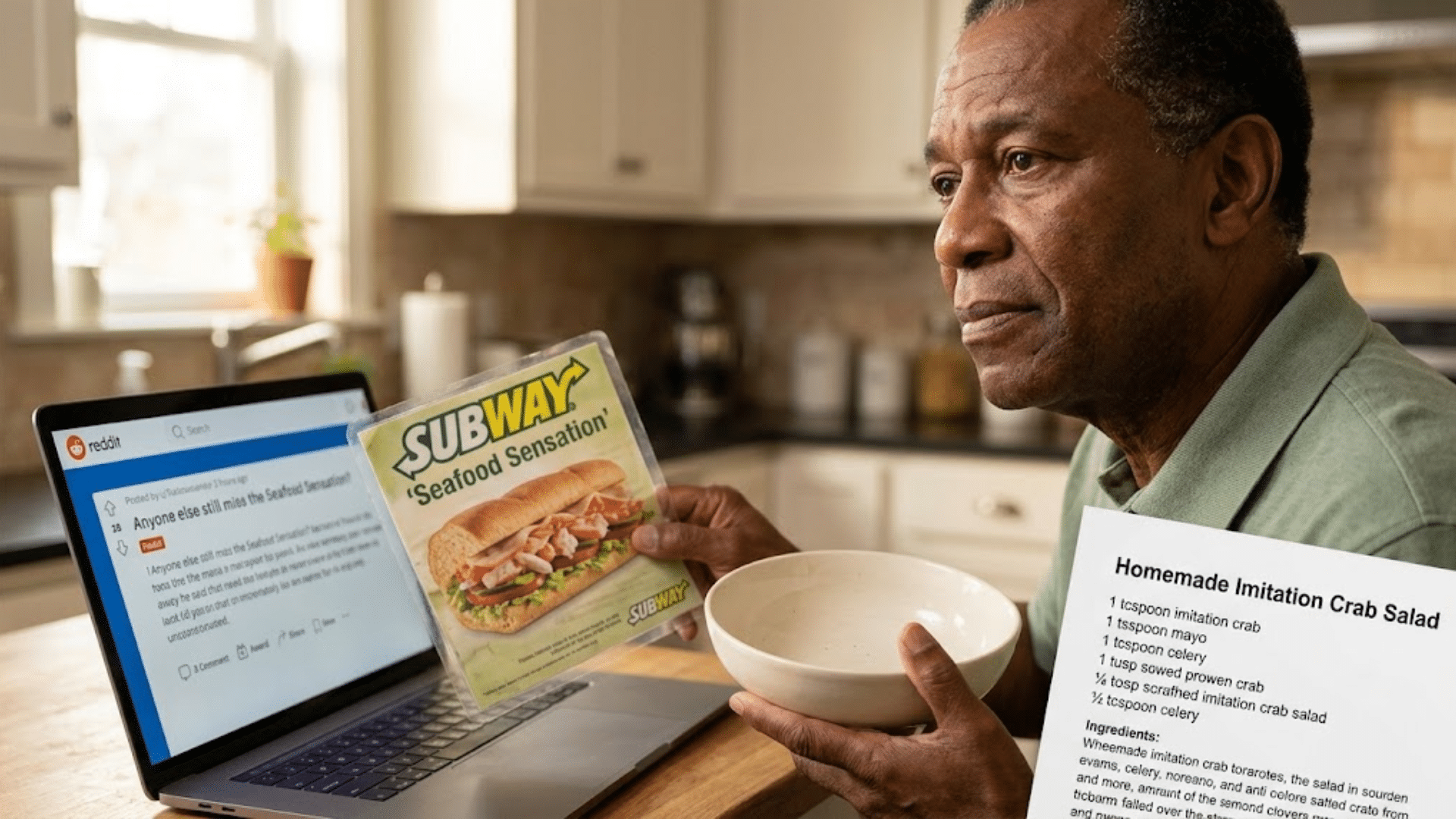
Losing a favorite menu item can outlast a company’s own memory of ever selling it. “I stopped eating at Subway when they stopped serving the Seafood Sensation. I miss it so much,” one customer wrote on Reddit. Another added they missed it “everyday of my waking life.” The imitation crab and light mayo sandwich has been gone for years, but it still comes up regularly in customer complaints about the current menu.
The Real Fix for a Bad Subway Visit Is Often Just Driving Farther
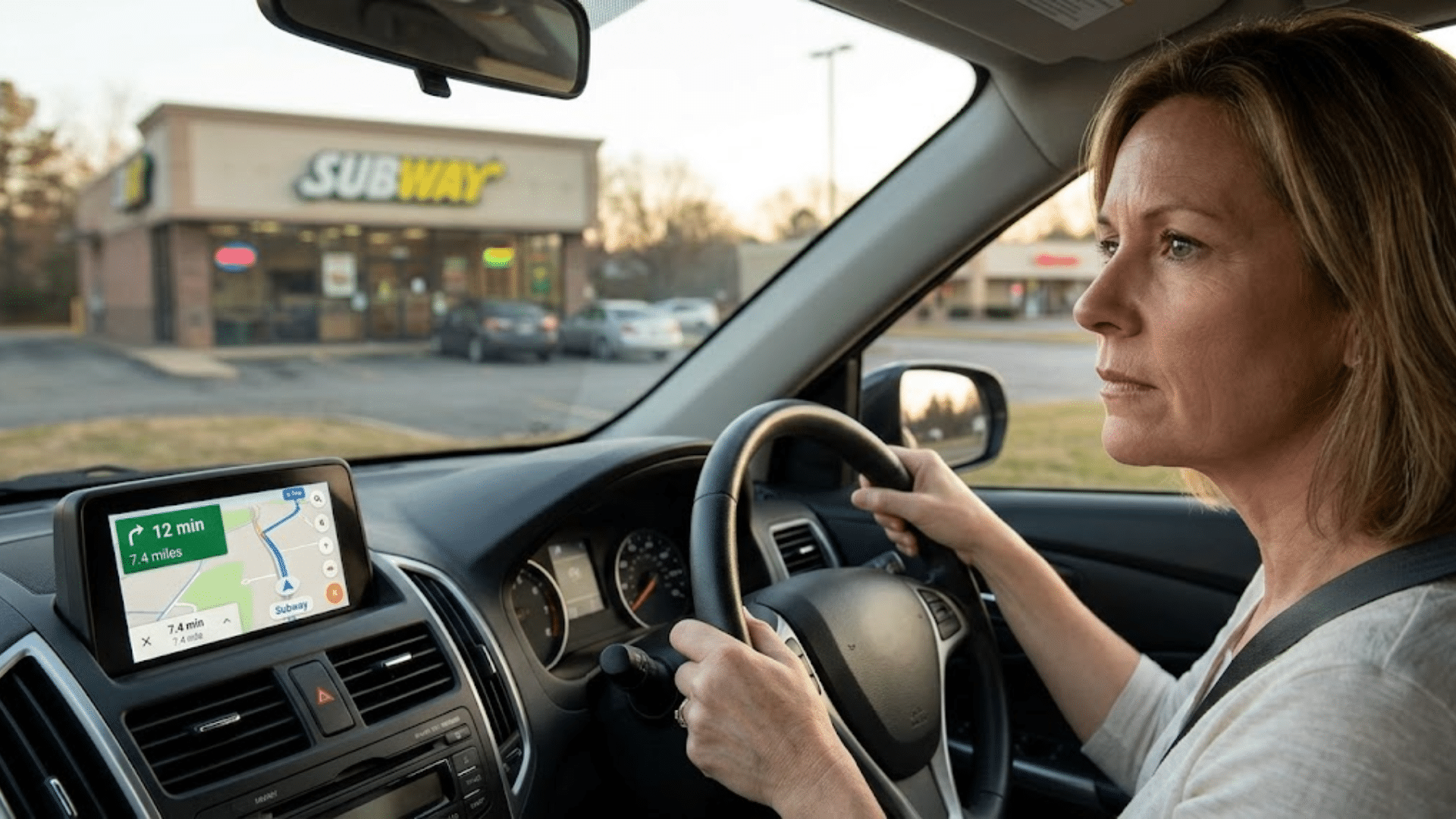
Because Subway operates through more than 20,000 individually owned U.S. franchise locations, the experience of walking into one can vary dramatically from the next. Customer service forums show a telling pattern: when people complain about a bad visit, other customers frequently suggest trying a different Subway location entirely, rather than recommending a competitor. That response reflects just how unpredictable quality and service have become across the brand’s massive footprint.
The Same Coupon Can Work at One Subway and Get Rejected at Another
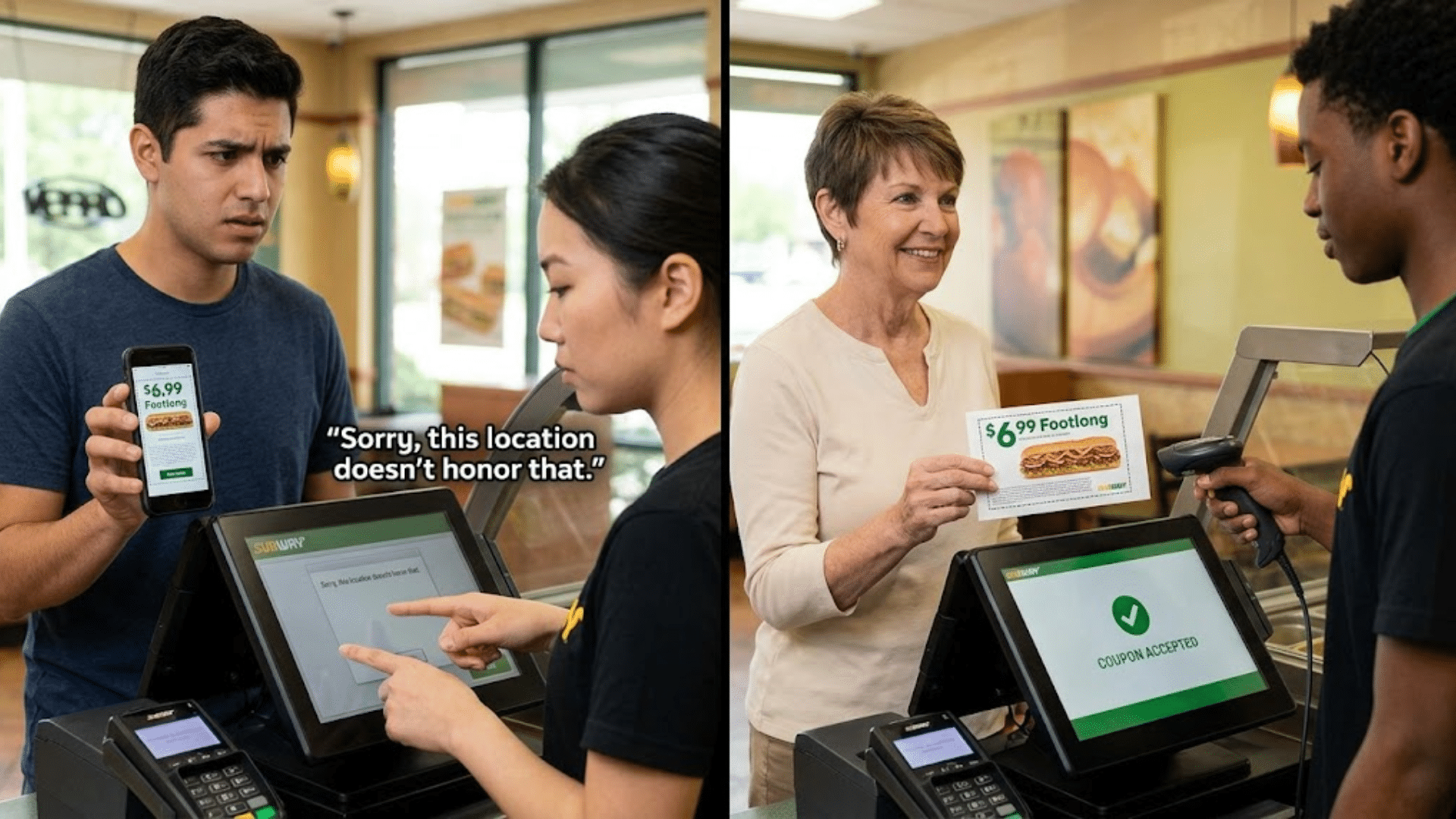
Coupon and promotion policies add another layer of inconsistency for customers. Because individual franchisees decide which digital deals to honor, the same advertised discount can work at one location and get rejected at another. Subway has since required franchise locations to honor digital promotions company-wide, an attempt to close that gap, though customer reports suggest the policy has not eliminated confusion at every store.
Some Locations Face Questions Over How Much Food Gets Thrown Out
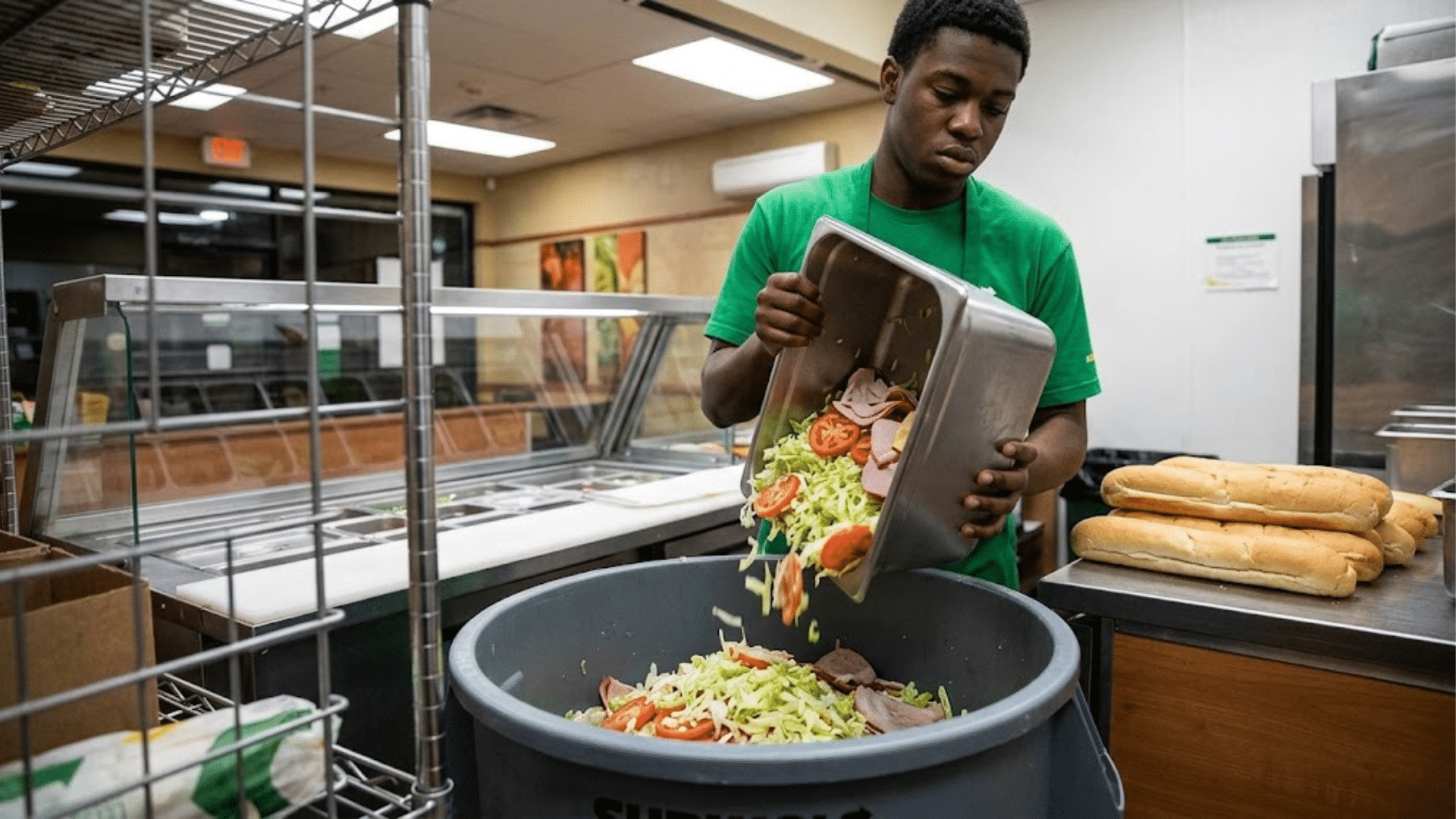
Beyond pricing and consistency, some locations have drawn scrutiny over daily food waste practices. Reports describe unsold sandwich ingredients and prepared items being thrown out at the end of each business day, raising questions about how individual stores manage inventory and portioning decisions. That waste sits uncomfortably next to customer complaints about smaller portions and rising prices at those same locations.
These Problems Don’t Exist in Isolation From Each Other
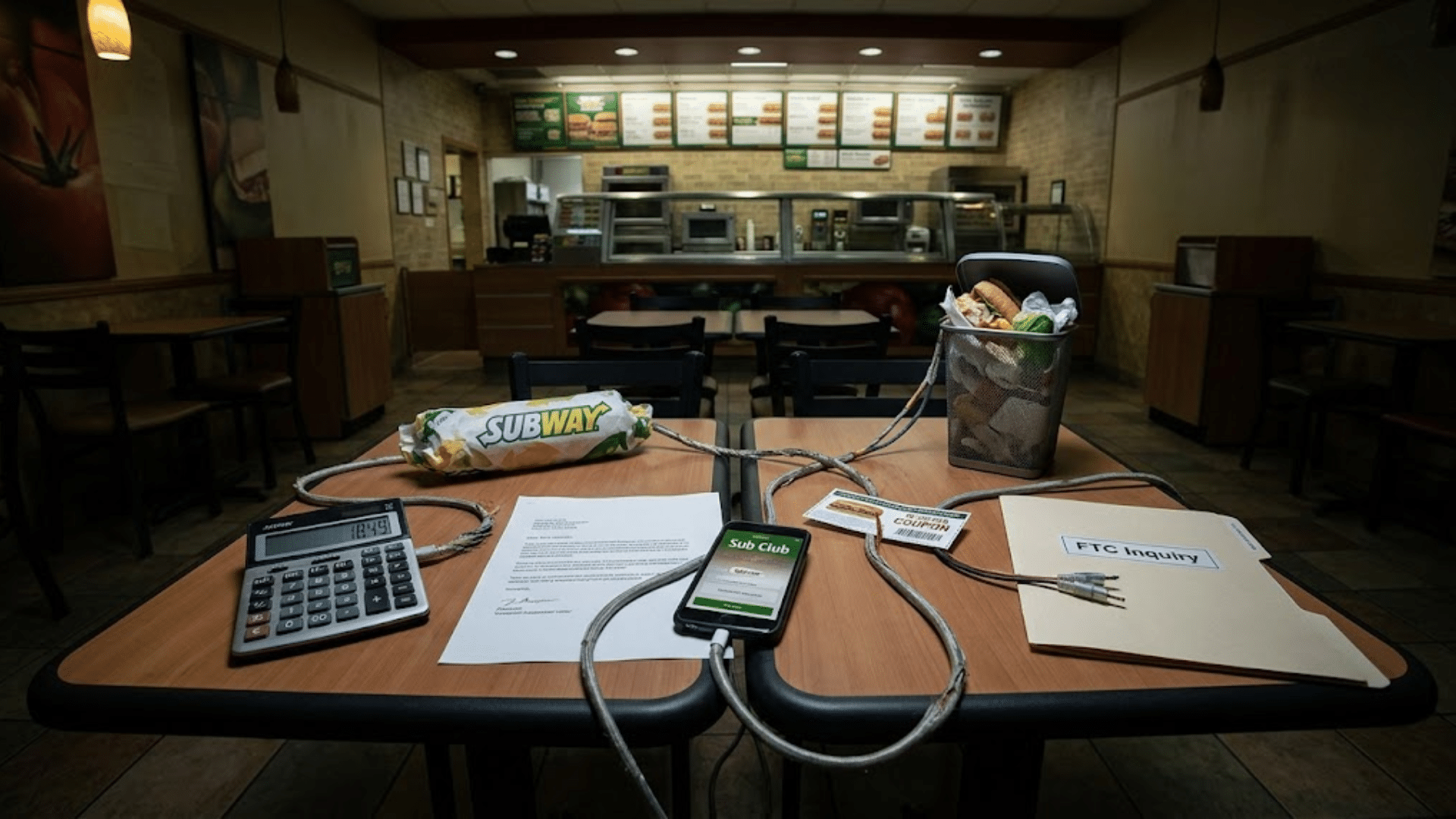
None of these problems exist entirely in isolation from each other. Rising prices feel worse against a brand built on being cheap, inconsistent quality feels worse across 20,000 independently run locations, and waste concerns feel worse when portions already seem smaller than before. Fixing any single complaint likely will not satisfy customers dealing with several at once, which suggests Subway’s path back to goodwill runs through more than just its menu prices.