Buc-ee’s Is Expanding Again With 6 New Locations Across 6 States. Is Yours on the List?
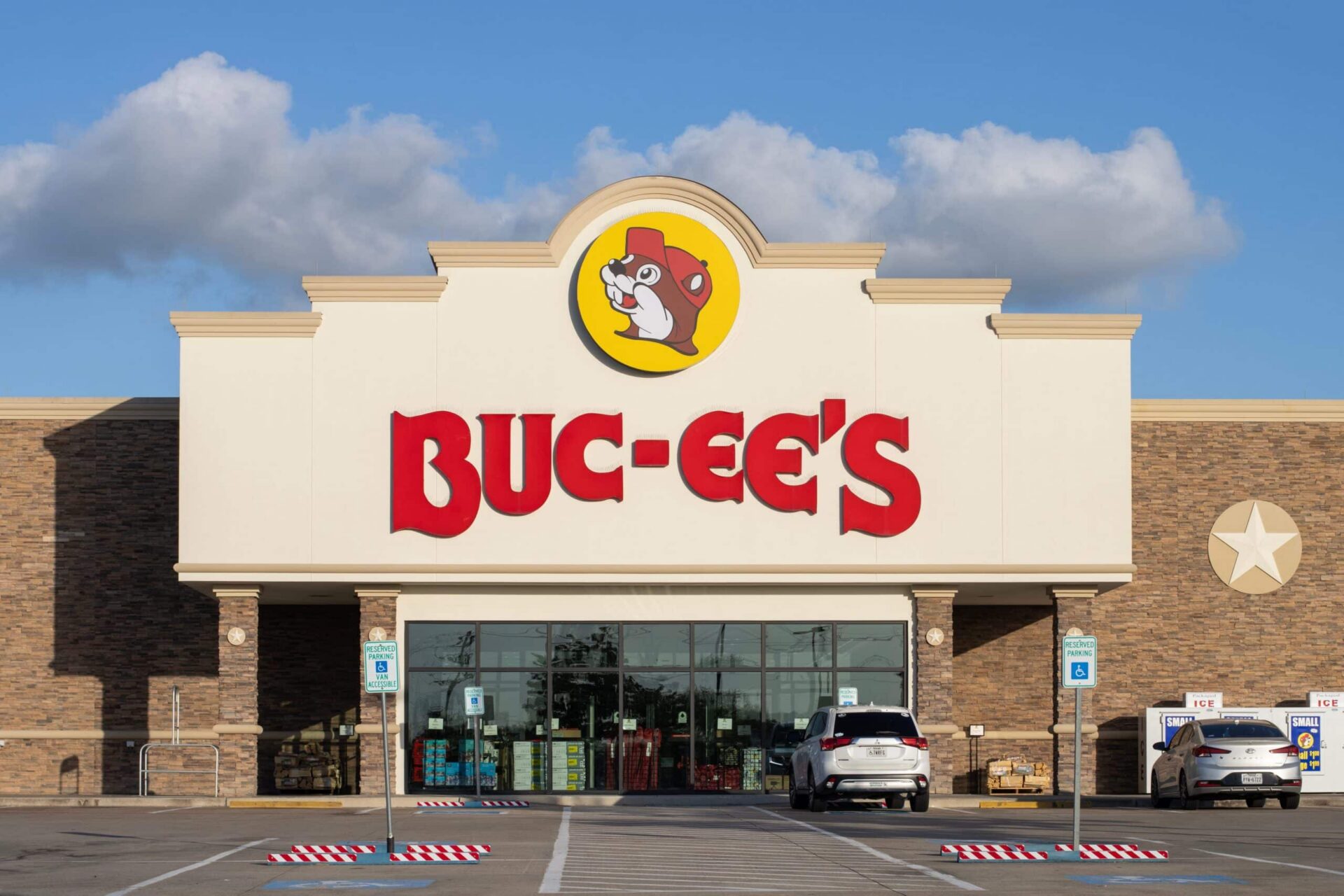

Buc-ee’s has spent decades turning the humble highway pit stop into something closer to a road-trip attraction. Now, the Texas-born chain is pushing deeper into the country, and its latest opening is only the beginning. After making its Arkansas debut, Buc-ee’s has six more locations lined up across six states for 2027.
The company opened its first Arkansas travel center in Benton on Aug. 17, bringing Buc-ee’s nationwide footprint to 58 locations. The 74,000-square-foot store at 1400 Highway 229 features 120 fueling positions and is expected to create more than 200 jobs. The Benton location opened just five days after another new Buc-ee’s welcomed customers in San Marcos, Texas.
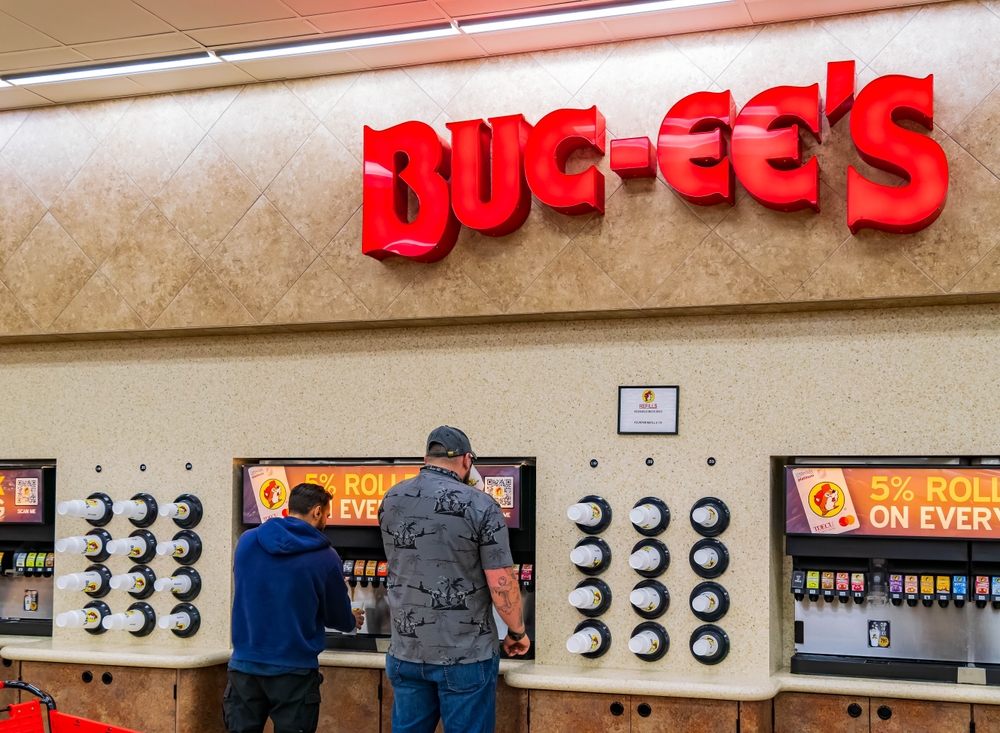
For Arkansas, the opening is particularly significant. Buc-ee’s chose Benton, which company representative Stan Beard called the “Heart of Arkansas,” for its first store in the state. The location puts the chain within reach of travelers headed toward Benton, Little Rock, Hot Springs and other destinations, bringing along the barbecue, Beaver Nuggets, jerky, fudge and famously clean restrooms that helped make Buc-ee’s a destination rather than simply another gas station.
Here Are the 6 Locations Coming in 2027
The next phase of the expansion will spread Buc-ee’s across several parts of the country. According to the company’s list of upcoming locations reported by USA TODAY and Fox Business, six new travel centers are currently slated for 2027: Ruston, Louisiana; Kansas City, Kansas; Gallaway, Tennessee; St. Lucie, Florida; Boerne, Texas; and Monroe County, Georgia.
Some of those openings will take Buc-ee’s into completely new territory. Louisiana and Kansas are set to get their first Buc-ee’s locations, extending a footprint that already includes Alabama, Arizona, Arkansas, Colorado, Florida, Georgia, Kentucky, Mississippi, Missouri, Ohio, South Carolina, Tennessee and Virginia in addition to the chain’s home state of Texas.
Before those six arrive, Tennessee is getting another Buc-ee’s even sooner. Crissy Gonzales, a media coordinator for the company, told USA TODAY that the new Murfreesboro location is scheduled to open Nov. 16, 2026. It follows Buc-ee’s entry into Ohio earlier this year with a store in Huber Heights and its June debut in Arizona with a travel center in Goodyear.
The Expansion Won’t Stop in 2027
Drivers who do not see their state on the 2027 list may still have a Buc-ee’s coming their way. The company’s expansion schedule stretches well beyond next year, with Mebane, North Carolina, and Lafayette, Louisiana, listed for 2028. That means Louisiana is currently positioned to receive two new locations in consecutive years.
The roadmap continues into 2029, when Buc-ee’s plans locations in Ocala, Florida; West Memphis, Arkansas; and Oak Grove, Kentucky. The West Memphis project would give Arkansas another Buc-ee’s only a few years after Benton became the state’s first. Farther out, Hardeeville, South Carolina, is listed for 2031.
Not every developing project fits neatly into that timetable. Another Buc-ee’s is planned for Mansfield, Ohio, where the company is expected to contribute $15 million toward infrastructure needed for the development. The U.S. Sun reported that most purchases at that location will be subject to an additional 2% tax to help fund the project, although fuel will be exempt.
Buc-ee’s Is Becoming a Much More National Brand
The speed of the expansion shows how far Buc-ee’s has moved beyond its Texas roots. Founded in 1982, the company still has 37 stores in its home state, but recent openings have increasingly introduced the beaver-branded travel centers to customers elsewhere. Colorado received its first location in 2024, Virginia followed in 2025, and Ohio, Arizona and Arkansas all joined the map in 2026.
Those openings are sizable investments in their communities as well. The Benton store alone is expected to attract roughly five million visitors annually, according to reporting by The U.S. Sun, while Buc-ee’s locations typically employ between 175 and 225 people. The company recently confirmed that full-time workers across its stores will start at no less than $18 an hour, with benefits that include a 401(k) and three weeks of paid vacation.
For travelers, however, Buc-ee’s appeal remains rooted in the experience that turned the chain into a roadside phenomenon in the first place: unusually large stores, walls of snacks, Texas barbecue, branded merchandise and restrooms that have become part of the brand’s reputation. With six more openings scheduled across six states in 2027 — and additional projects stretching into the next decade — more Americans are about to find out why a gas station can become a road-trip destination.