

If you cringe at those throw-back photos of you with razor thin eyebrows I am right by your side cringing, too. Arching eyebrows to a thin line was a huge trend in the early 90’s and 2000’s. But, now that trend is over, and so many of us are left behind with damaged eyebrows. It can be a serious struggle trying to grow eyebrows back to their natural form. Here are five vitamin packed food items that can help grow those great brows.
Milk

Shutterstock
Vitamin: Protein
How to apply: Saturate a cotton ball in milk and rub it on your eyebrows. Let the milk harden, then wash off with warm water.
How often: Once a day until desired results.
Onion Juice

Shutterstock
Vitamin: Sulfur
How to apply: Take a small onion and grind pieces to extract the juice. Rub the onion juice on your eyebrows and massage gently for five minutes. Rinse thoroughly with a facial cleanser and cold water.
How often: Once a day for several weeks.
Egg Yolk

Shutterstock
Vitamins: Keratin and protein
How to apply: Break an egg and separate the yolk from the chalazae (white part). Whisk the yolk until it has a smooth consistency. Use a cotton ball or Q-tip to apply the yolk onto your eyebrows. Allow the yolk to sit on your eyebrows for twenty minutes. Rinse eyebrows with cold water.
How often: Once to twice a week until desired results.
Coconut Oil
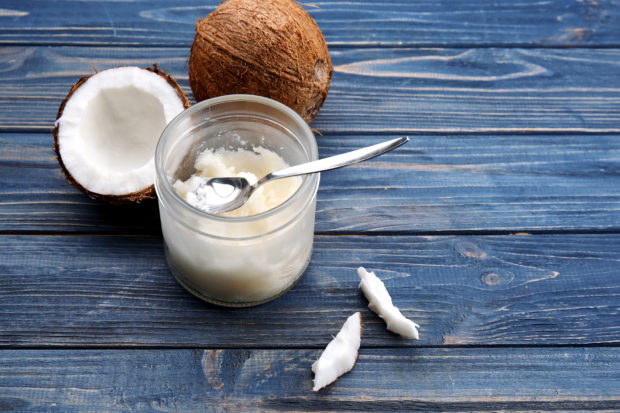
Shutterstock
Vitamins: Vitamin E and Iron
How to apply: Massage room-temperature coconut oil into your brows for five minutes. Allow the oil to sit on your eyebrows overnight. Rinse with warm water in the morning.
How often: Daily for two months or until desired thickness.
Lemon
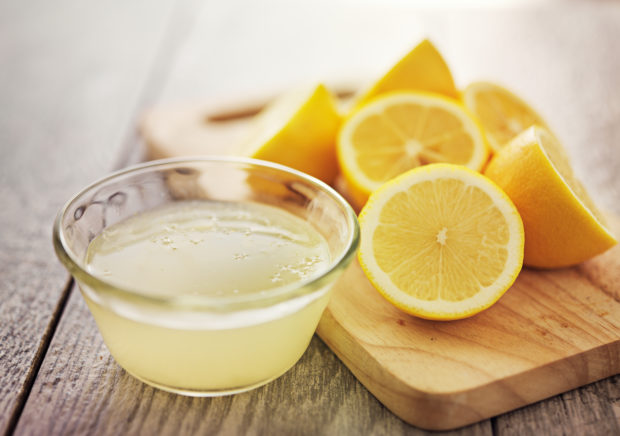
Shutterstock
Vitamins: Vitamin C and B and folic acid.
How to apply: Take a slice of lemon and rub it on your eyebrows. Allow the lemon juice to sit for fifteen to twenty minutes then rinse it off with warm water.
How often: Once daily until desired results.
I suggest going without any eyebrow arching or plucking for a couple of months. Give your hair follicles time to heal with these vitamins first. Stay consistent with your routine and get your full, beautiful eyebrows back.
Bonus: Mix some of these food items together to get even better eyebrow results. Lemon juice and coconut oil make a great team.