
Introduction to Air Fryer Cooking
What is an Air Fryer?
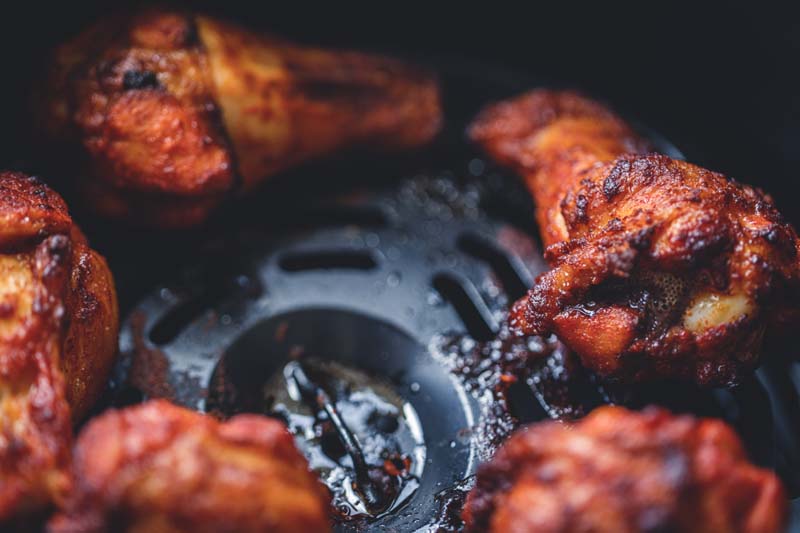
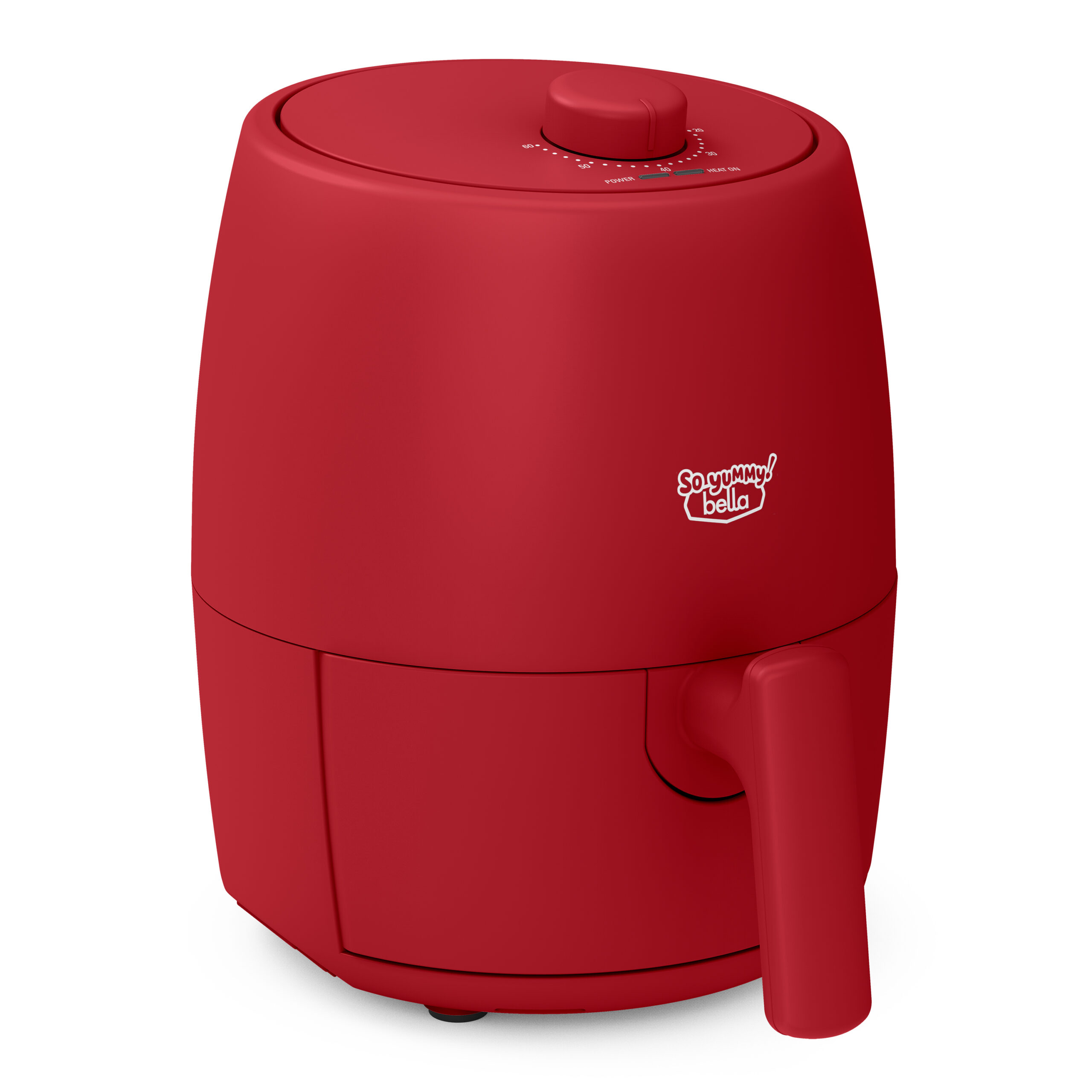
An air fryer is a kitchen appliance that uses hot air circulation to cook food, giving your chicken a crispy, deep-fried texture while using significantly less oil. It works by rapidly circulating hot air around the food, creating a crispy outer layer while retaining the moisture inside. The air fryer typically has a basket or tray where the food is placed, and it uses a heating element and a fan to circulate the hot air.
Advantages of Using an Air Fryer for Fried Chicken Recipes
Not only does the air fryer offer a faster cooking time compared to traditional methods, it also eliminates the need for messy frying oil, making it a cleaner and more convenient option for frying chicken. There are no splatters or lingering oil odors, and the removable parts of the air fryer are usually dishwasher-safe, making cleanup a breeze.
Overall, using an air fryer for fried chicken recipes provides a healthier alternative to deep frying, faster cooking times, and easier cleanup. It’s a versatile and convenient appliance that can help you enjoy your favorite comfort foods.

How to Prepare the Chicken Using an Air Fryer
Choose the Right Cuts of Chicken
Opting for bone-in, skin-on chicken pieces such as drumsticks, thighs, or wings will provide the best results. These cuts have more moisture and fat, which helps keep the chicken juicy and flavorful during cooking. The air fryer’s circulating hot air will crisp up the skin while locking in the chicken’s natural juices. Avoid using boneless, skinless chicken breasts as they tend to dry out in the air fryer.
Properly Season Your Chicken
Start by marinating the chicken in your favorite seasonings. Salt, pepper, garlic powder, paprika, and dried herbs all work nicely. Let the chicken marinate for at least 30 minutes to allow the flavors to penetrate. Before placing the chicken in the air fryer, lightly coat it with a thin layer of oil or cooking spray. This will help the seasonings adhere to the chicken and promote a crispy exterior. Remember to season both sides of the chicken pieces evenly.
Coating Options for Air Fryer Fried Chicken
Traditional Breading Technique
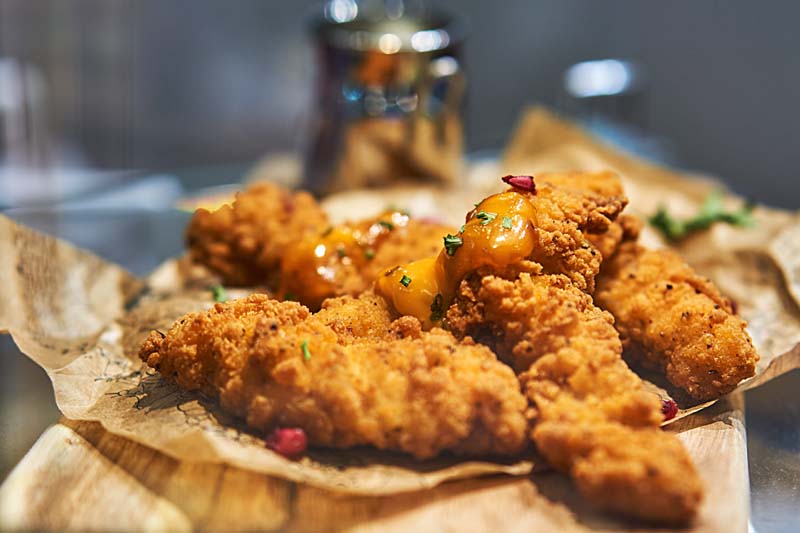
Start by coating the chicken in a thin layer of flour seasoned with your favorite spices. This initial coating will help the egg wash adhere to the chicken. Next, dip the chicken in a mixture of beaten eggs or buttermilk, ensuring all sides are thoroughly coated. Finally, coat the chicken in a mixture of breadcrumbs or a combination of breadcrumbs and grated Parmesan cheese for added flavor and crunch.
Healthier Coating Alternatives
For those looking for healthier alternatives to traditional breading techniques, there are several options to consider when adapting fried chicken recipes for the air fryer. One popular option is using crushed cornflakes or panko breadcrumbs as a coating. These alternatives provide a crispy texture while reducing the amount of oil and fat used in the cooking process.
Another healthier coating alternative is using a combination of ground almonds or almond flour with various herbs and spices. This gluten-free option adds a nutty flavor and creates a delicious crispy coating. Additionally, using a mixture of crushed pretzels and whole wheat flour can add a unique twist to your air-fried chicken.
Air Fryer Cooking Techniques
Proper Temperature and Timing for Crispy Chicken
When adapting traditional fried chicken recipes for the air fryer, it’s crucial to get the temperature and timing right to achieve that perfect crispiness. Preheating the air fryer to the recommended temperature of around 400°F (200°C) is essential for the chicken to cook evenly. It’s also important to consider the size and thickness of the chicken pieces, as this will affect the cooking time.
For boneless chicken breasts or thighs, a general guideline is to cook them for about 12-15 minutes, flipping halfway through. However, it’s always recommended to use a meat thermometer to ensure the internal temperature reaches a safe 165°F (74°C). Adjust the cooking time accordingly for different cuts of chicken or if you prefer a darker, crunchier crust.
Tips for Achieving Golden Brown and Juicy Chicken
To achieve that coveted golden brown and juicy chicken in the air fryer, there are a few tips to keep in mind. Firstly, lightly coat the chicken pieces with a thin layer of oil or use an oil sprayer to ensure even browning. This will help to mimic the deep-fried effect while using minimal oil.
Secondly, don’t overcrowd the air fryer basket. This can hinder the hot air circulation and lead to uneven cooking. It’s better to cook the chicken in batches if needed, flipping the chicken halfway through the cooking process to ensure even browning on both sides. Let the chicken rest for a few minutes after cooking to allow the juices to redistribute, resulting in moist and tender meat.
Flavor Variations for Air Fryer Fried Chicken
Classic Southern Seasonings
Use traditional Southern seasonings to maintain that classic Southern flavor. Begin by marinating the chicken in a buttermilk mixture seasoned with a blend of spices like paprika, garlic powder, onion powder, and cayenne pepper. These seasonings not only add a kick of flavor but also contribute to that signature Southern taste. Once marinated, place the chicken in the air fryer and cook until golden brown and crispy on the outside, while still juicy on the inside. The result will be a classic Southern-style fried chicken that is both healthier and just as delicious as the original.
International Flavor Profiles
The versatility of the air fryer allows you to explore various international flavors when adapting fried chicken recipes. For those craving a taste of Asia, consider using a combination of soy sauce, ginger, garlic, and sesame oil to marinate the chicken. This will infuse the chicken with a savory and slightly sweet Asian-inspired flavor.
Alternatively, for a taste of the Mediterranean, try marinating the chicken in a mixture of lemon juice, olive oil, oregano, and garlic. This will give the chicken a zesty and aromatic profile reminiscent of Greek or Italian cuisine.
Serving and Pairing Suggestions for Air Fryer Recipes
Sauces and Dips for Air Fryer Fried Chicken
One classic option is a tangy barbecue sauce. The smoky and sweet flavors of barbecue sauce complement the crispy exterior of the air fried chicken, adding a delightful contrast. Another popular choice is a creamy ranch dip. The cool and creamy texture of ranch balances out the slight heat of the chicken, creating a harmonious combination.
For those who enjoy a bit of spice, a hot sauce or buffalo sauce can provide the perfect kick. The heat from the sauce pairs well with the crispy chicken, creating a mouthwatering flavor fusion. Additionally, a honey mustard dip adds a touch of sweetness to the savory chicken, creating a delightful contrast of flavors.
Suggested Side Dishes and Beverages to Complement the Dish
To complete your air fryer fried chicken meal, consider serving it with delicious side dishes and refreshing beverages that complement the flavors of the dish.
Cool, creamy coleslaw provides a refreshing contrast to the hot and crispy chicken. Its tangy and slightly sweet dressing enhances the overall taste experience. Mac and cheese also pairs perfectly with the flavorful chicken, creating a comforting and satisfying combination.
For a healthier option, consider serving your air fryer fried chicken with a fresh salad. A mix of greens, cherry tomatoes, and cucumbers tossed in a light vinaigrette can provide a refreshing and nutritious accompaniment to the chicken. Alternatively, roasted vegetables such as crispy Brussels sprouts or seasoned sweet potato wedges add a flavorful and colorful touch to the meal.
To wash it all down, try serving your air fryer fried chicken with a cold and fizzy beverage like sparkling water or a citrus-based soda. The effervescence of carbonated drinks helps cleanse the palate after each crispy bite, while the citrus flavors provide a refreshing balance.
By pairing your air fryer fried chicken with these suggested side dishes and beverages, you can create a well-rounded and satisfying meal that will leave your taste buds craving more.