Just Some Recipes That Will Make You Say “Ugh, American Food”

There’s nothing more American than baseball, apple pie, and these 10 recipes that are as patriotic as a bald eagle with the stars and stripes hanging from its beak. These recipes include everything that makes America great: cheese, meat, and carbohydrates (and yes, beer is included). Buckle up and hope you’re stateside, because chances are you won’t be able to get these meals anywhere else in the world.
The great thing about American cuisine is that it’s a mashup of delicacies from around the world. We have our Italian joints, our Chinese restaurants, our Indian spots. We can grab a taste of Thailand, Germany, Mexico, and beyond. It can be kind of hard to zoom out and figure out what foods are truly all-American. But we think we nailed down some of the basics that just scream “Property of the U.S.A.”
Of course, like the majority of the country’s population, some of these dishes have roots in different cultures and have since been Americanized. And they’ve become such quintessential stars of the American kitchen table that we don’t know what life would look like in the states without them.
If you’re as hungry as we are after reading this list, meet us at the local diner where we can split a shake and some fries.
1. Slow-Cooker Sloppy Joes
Over here in the U.S. of A, we don’t mind getting a little messy during dinnertime. In fact, if Sloppy Joes are on the docket, one should expect to get drenched in amazing, meaty, Worchestershire-y sauce. What’s even better is that the above Sloppy Joe recipe is a crockpot dinner, which means it’s easy and fast to get on the table.
2. Cheeseburgers (With All The Fixings)
We’re talking lettuce, tomato, your favorite cheese (but let’s be real — a cheeseburger is best with American cheese), bacon, ketchup, mustard, mayonnaise, onion, pickles — you name it, you can put it on a burger.
3. Potato Salad
Listen, us Americans love our potatoes, but we love our mayonnaise even more. This “loaded” potato salad recipe combines our two loves, plus bacon, cheese, and sour cream to bump this potato salad to the next level, because hey, why not get extra when you can get extra?
4. American Chop Suey
It literally says “American” in the title so you know you’re getting something meaty, something cheesy, something carby, and something so far removed from anything like Chinese chop suey that you wonder why it’s even called chop suey.
5. Chicken Noodle Casserole
Behind every good American is a mother who brings her famous casserole to family dinners. And this “cracked out” chicken noodle casserole is about as U.S.A. as a casserole can get. Made with cans of cream of chicken soup, a packet of Original Ranch dressing, and topped with crushed Fritos, you’ll be saying “God bless America” with every bite.
6. BBQ Ribs
Grill ’em, smoke ’em, throw them in the slow cooker — there’s no wrong way to cook sweet and savory BBQ ribs. They’re the star of everyone’s backyard barbecue/Fourth of July celebration.
7. Crockpot Buffalo Chicken Dip
If you’re not shoveling heaps of buffalo chicken dip into your mouth on game day, you’re not doing it right. This dangerously-easy crockpot version makes preparing the ultimate football food so simple, you might end up having a pot of buffalo chicken dip brewing at all times. Sorry.
8. Beer Can Chicken
It may not be the prettiest-looking dish on the menu, but beer can chicken is oh so tasty. Take it to the grill or throw it in the oven, this meal will serve a family while saluting this great country. Choose your favorite canned brewski, shimmy it into a well-seasoned whole chicken, and presto — you have yourself a very American meal.
9. Mac And Cheese
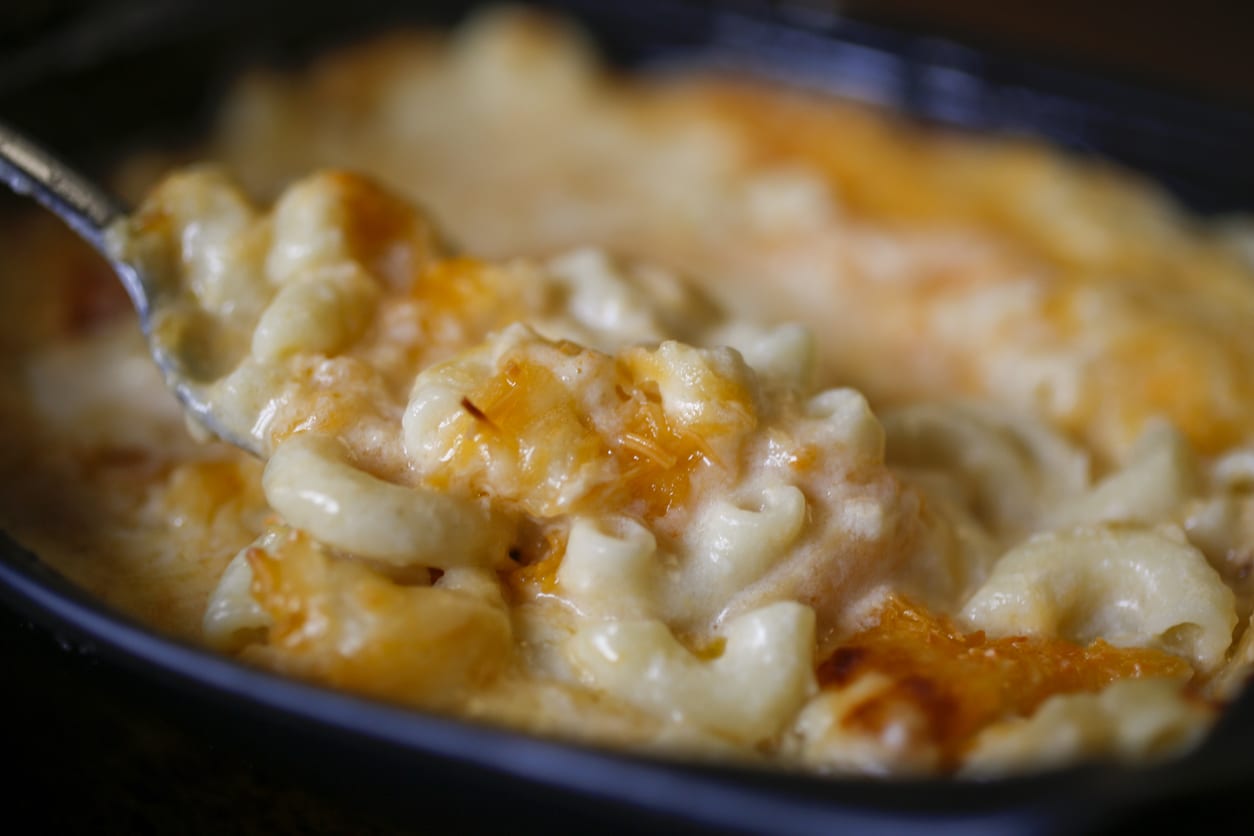
We all just really have a thing for cheese and noodles, okay? Most all-American mac and cheese creations contain that strange cheesy substance called Velveeta. However, there are so many different ways to make mac and cheese (as well as so many toppings to finish it off — ahem, bacon bits, anyone?).
10. Philly Cheesesteak (That’s Actually Grilled Cheese)
Is this not the most American recipe you’ve ever seen? We’ve got our beef, we’ve got our cheese, we’ve got our carbs — this is utter heaven. And we’re almost 95% sure Ben Franklin invented the Philly cheesesteak so…
Our country, ’tis of thee, sweet land of great recipes. Of thee we sing. Dig in, fellow Americans.