This State Has the Highest Number of Food Poisoning Cases, and Less Than One Million Residents


South Dakota is often associated with wide-open landscapes, agriculture, and a quiet pace of life. It rarely appears at the center of national health conversations. Yet recent data has placed the state in an unexpected spotlight, revealing that it reports the highest rate of food poisoning cases in the United States, despite having a population of fewer than one million people.
This finding challenges common assumptions about where foodborne illnesses are most likely to occur. Larger, more densely populated states are often seen as higher risk, but the numbers suggest a different story. In South Dakota, the issue is less about crowded cities and more about environmental and occupational exposure tied to daily life.
The data comes from an analysis of several years of confirmed infections reported through the CDC’s National Notifiable Diseases Surveillance System. Measured per capita, the state records more than 92 cases per 100,000 residents, more than twice the national average, placing it well above every other state in the country.
What the Numbers Actually Represent

These figures reflect laboratory-confirmed cases reported to public health authorities, not mild stomach discomfort or unverified illness. In reality, food poisoning is widely underreported across the country, since many people never seek medical care or testing. Nationally, health agencies estimate tens of millions of cases each year, with thousands of hospitalizations and deaths.
Within this broader context, South Dakota’s ranking does not necessarily mean residents are becoming ill at dramatically higher rates than elsewhere. Instead, it highlights patterns in exposure and reporting that differ from those in more urbanized regions. Neighboring states such as Nebraska, Minnesota, and Wyoming also show elevated rates, suggesting a regional trend rather than an isolated anomaly.
Public health researchers emphasize that per-capita measurements can amplify statistics in states with smaller populations. Even so, the consistency of the data over multiple years indicates that underlying factors are contributing to the higher numbers.
The Role of Agriculture and Livestock
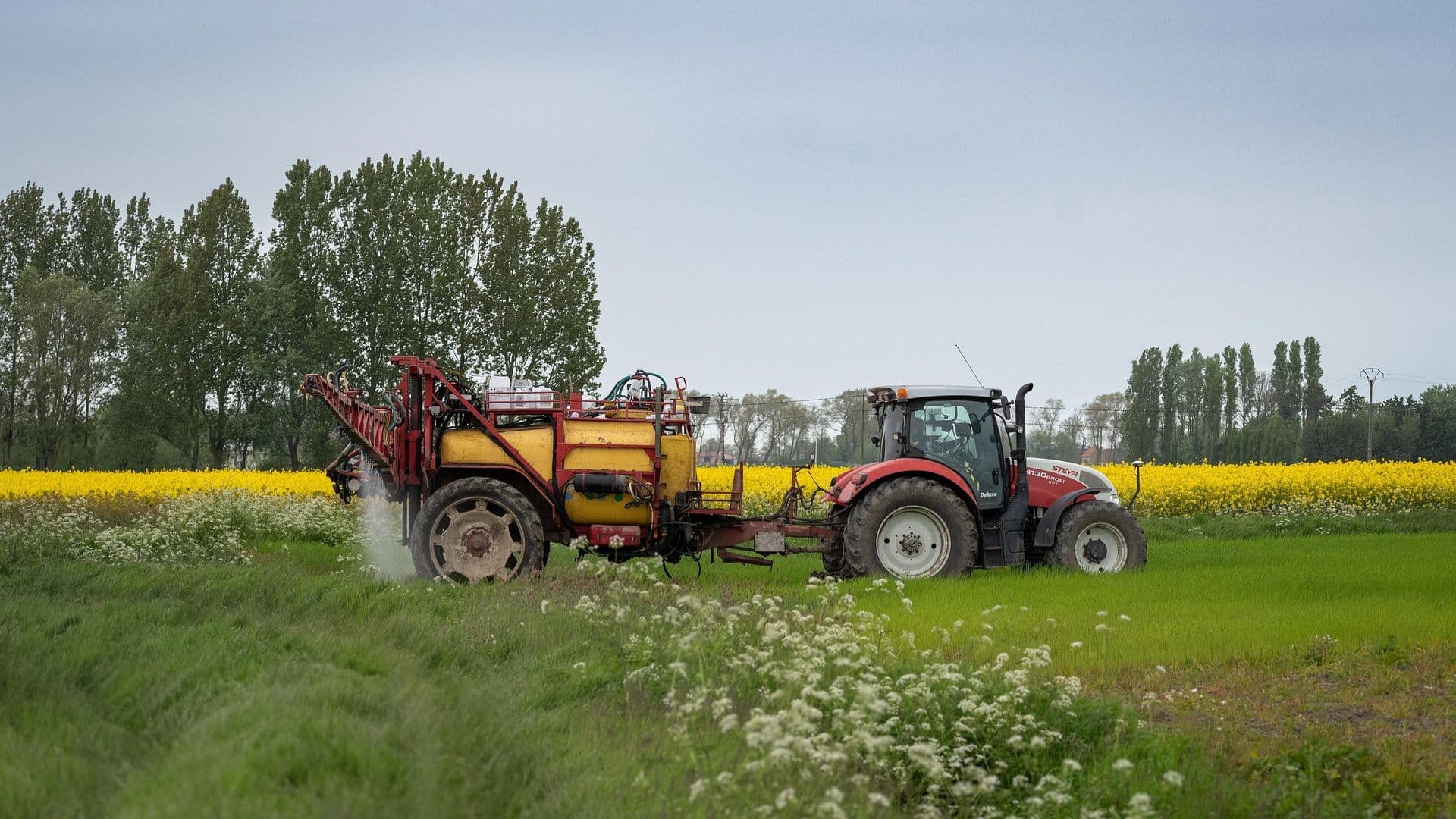
Agriculture plays a central role in South Dakota’s economy and identity. The state is home to millions of cattle, along with significant hog, dairy, and poultry operations. In practical terms, there are several times more livestock than people, a ratio that has meaningful implications for public health.
Many of the bacteria responsible for foodborne illness, including Campylobacter, thrive in animal populations without causing visible symptoms. People who work with livestock, or live near farms and feedlots, face increased exposure through direct contact, contaminated water sources, and environmental spread long before food reaches processing facilities or kitchens.
In this context, the term foodborne can be misleading. Infections often begin outside the food supply chain, originating in barns, fields, or shared water systems. This agricultural proximity helps explain why rural states with strong farming sectors may see higher reported illness rates than more urban areas.
Prevention, Detection, and the Bigger Picture
Another factor worth considering is surveillance quality. South Dakota may be more effective at testing, diagnosing, and reporting foodborne infections, which can elevate its ranking compared to states with less comprehensive monitoring. Better detection can make a problem appear larger, even when it reflects stronger public health infrastructure.
Health officials stress that prevention remains essential. Simple measures such as washing hands after handling animals, keeping work clothing out of food preparation areas, cooking meat thoroughly, avoiding unpasteurized milk, and exercising caution with private wells can significantly reduce risk.
Ultimately, the data serves as a reminder that food safety is shaped by environment, occupation, and awareness, not just population size. Understanding these nuances helps place the numbers in context and reinforces the importance of informed, everyday practices that protect both individuals and communities.