Airline Passenger Opens Snack Bag on Flight, What’s Inside Sparks Outrage
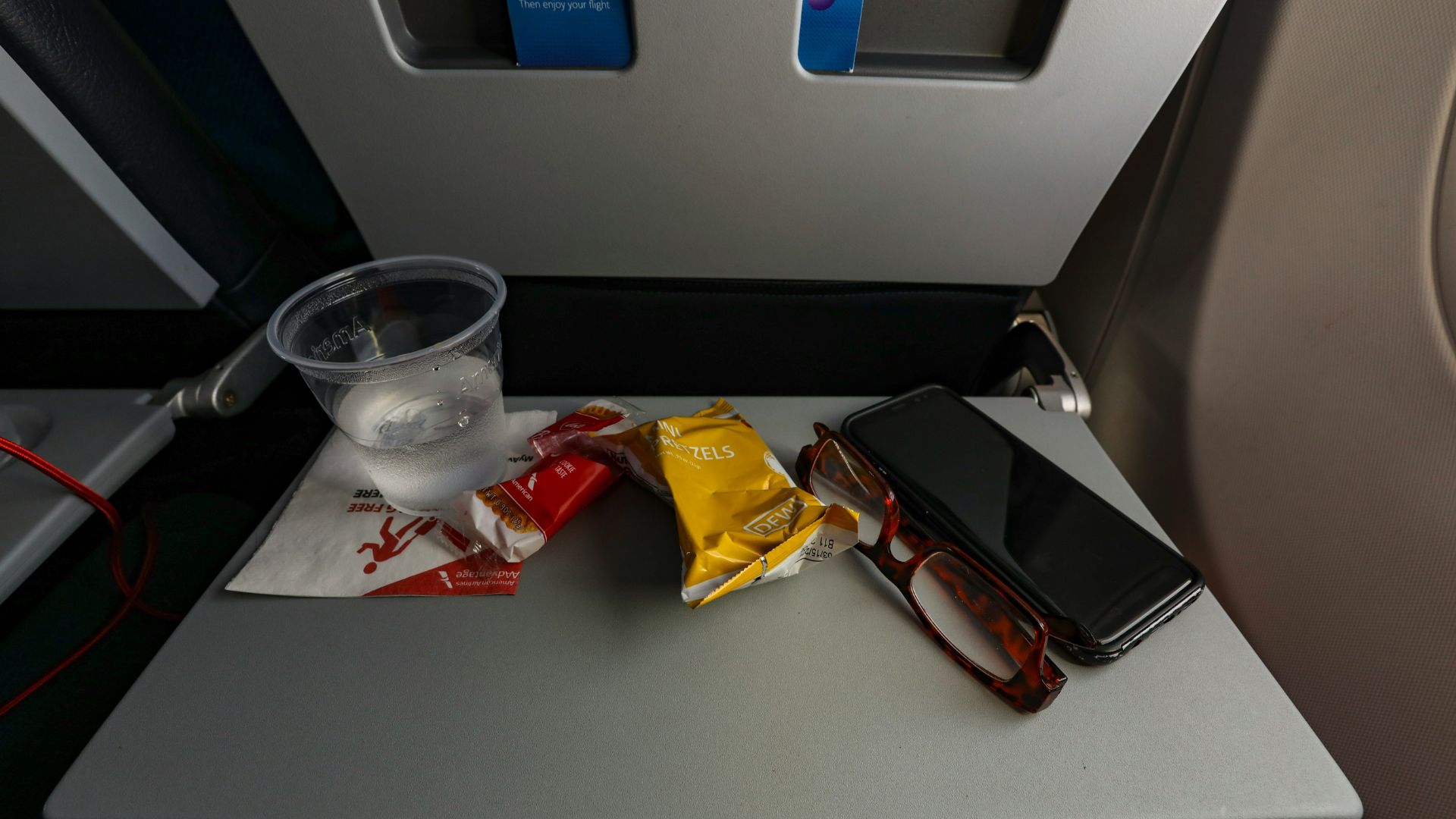

For many frequent flyers, the memory of full meals served onboard feels increasingly distant. What has replaced it is a paid menu or a modest snack offered as a courtesy. This shift has become a familiar source of dissatisfaction, but a recent post shared online pushed the conversation further by highlighting not only disappointment, but also waste.
The discussion gained traction after an airline passenger shared images of a snack received during a flight. Once opened, the bag revealed an amount of food that felt almost symbolic rather than practical. The post quickly resonated with others who saw it as an example of how small gestures can still carry larger consequences.
Beyond humor or frustration, the reaction reflected a broader concern about efficiency and responsibility in air travel. What seemed like a minor inconvenience became a visible reminder of how everyday decisions impact both customers and the environment.
A Snack That Sparked a Bigger Conversation
The photos showed a branded bag of tortilla chips, neatly designed and roughly the size of an adult hand. Inside, however, were only a few chips, amounting to just 12 grams of food. The contrast between packaging and content sparked disbelief among viewers.
Comments questioned the logic behind distributing snacks that offer so little value to passengers. Some wondered whether it would be more reasonable to skip the snack altogether rather than provide something that feels insufficient.
This reaction was not only about hunger. It reflected a growing sensitivity to excess packaging, especially when the material used far outweighs the product it contains.
Why Packaging Choices Matter More Than They Seem
From a cost and sustainability perspective, the issue goes beyond a single flight. Large packaging for minimal portions increases material use, logistics costs, and waste management challenges. These costs often circle back to consumers through higher ticket prices or reduced service quality.
Plastic waste is another critical factor. Single-use packaging frequently ends up in landfills, where it breaks down into microplastics that enter ecosystems and food chains. When the benefit to passengers is marginal, the environmental trade-off becomes harder to justify.
In this context, small in-flight items take on greater significance. They reveal how operational choices, multiplied across thousands of flights, can create a substantial environmental footprint.
Small Actions That Signal a Larger Shift
The airline involved has publicly stated its commitment to reducing single-use plastics across its operations. By the end of 2023, it reported eliminating more than 1.7 tons of such materials, replacing disposable items with reusable alternatives in many areas of cabin service.
The snack packaging appears to be a remaining gap rather than a reflection of the overall strategy. Still, moments like this highlight how progress can feel inconsistent from a passenger’s perspective.
For travelers, options may be limited once onboard, but informed choices still matter. Researching airline sustainability policies, supporting companies with transparent goals, and disposing of waste responsibly can collectively push the industry toward more thoughtful practices.

