China’s ‘Great Green Wall’ Is Trying to Stop Two Deserts from Spreading
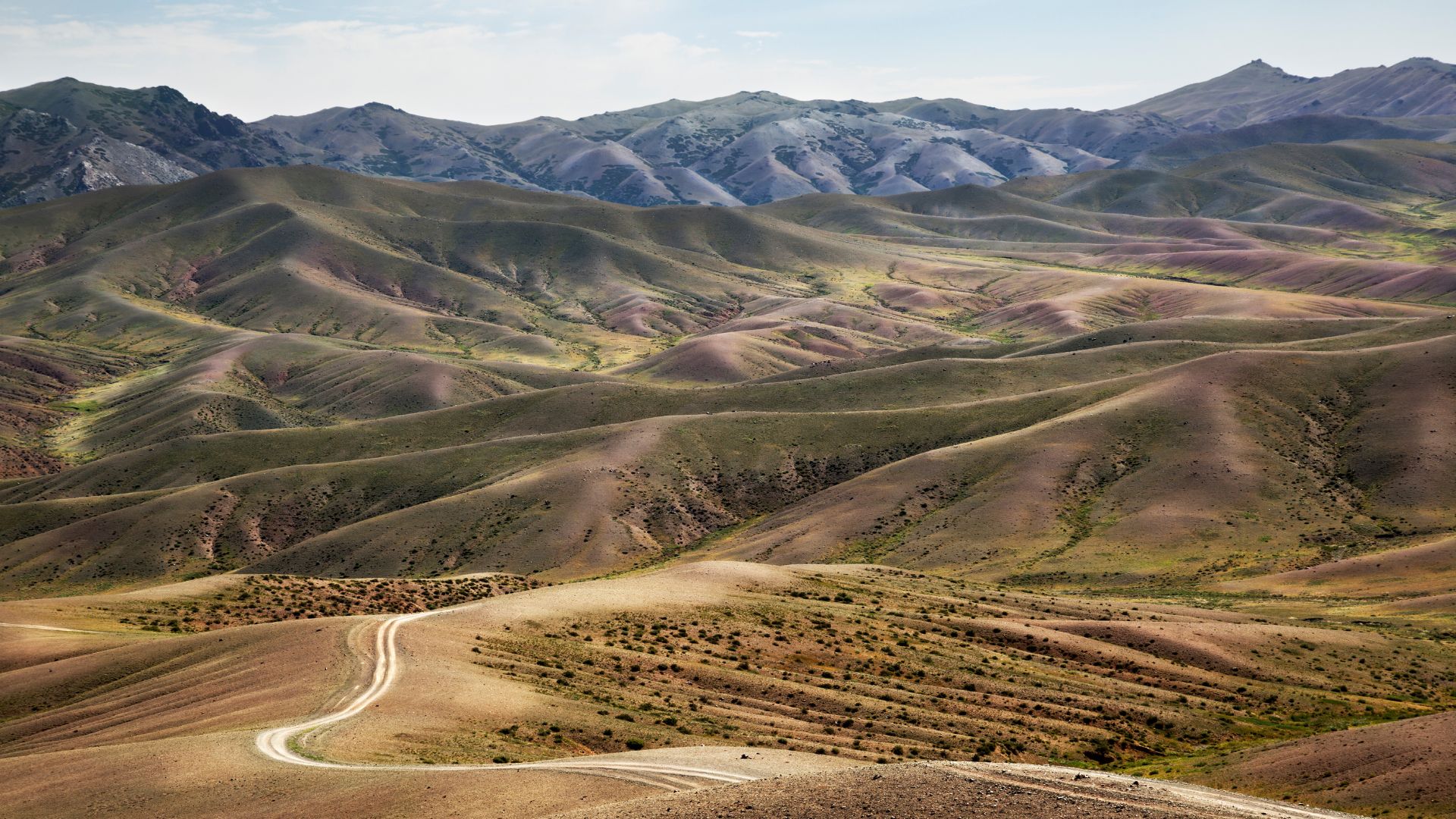

Along China’s northern edge, a project has been quietly growing for decades, stretching across dry provinces where sandstorms regularly reach cities. That effort takes the form of a vast band of planted forests, so it sits between expanding deserts and populated areas. Over time, the planting expanded mile after mile, because officials aimed to slow erosion and drifting sand. The scale itself draws attention, which leads to questions about what the project can realistically achieve.
Origins of the Three-North Shelter Forest Program
Geographic Forces Shaping Northern China’s Deserts
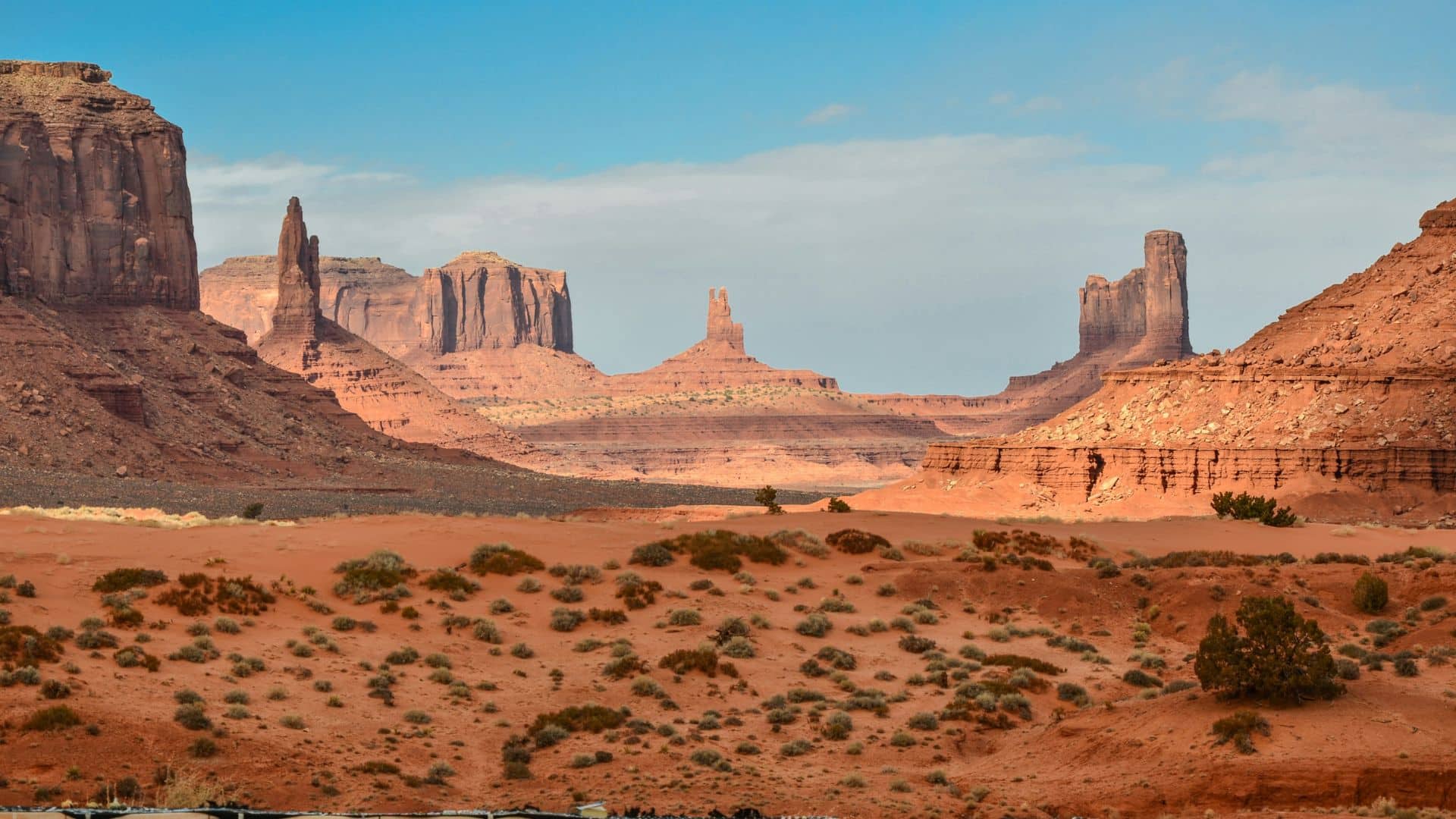
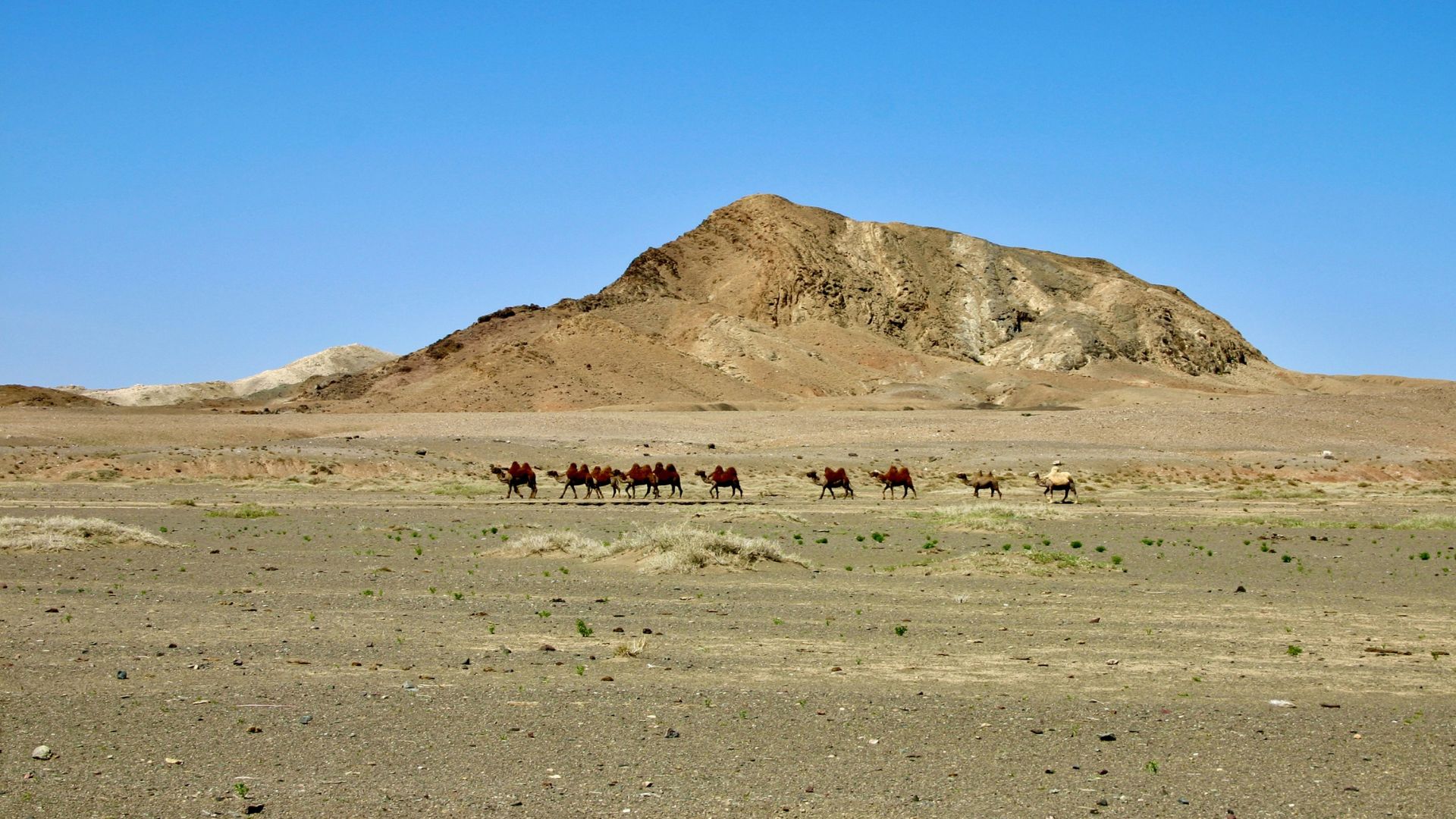
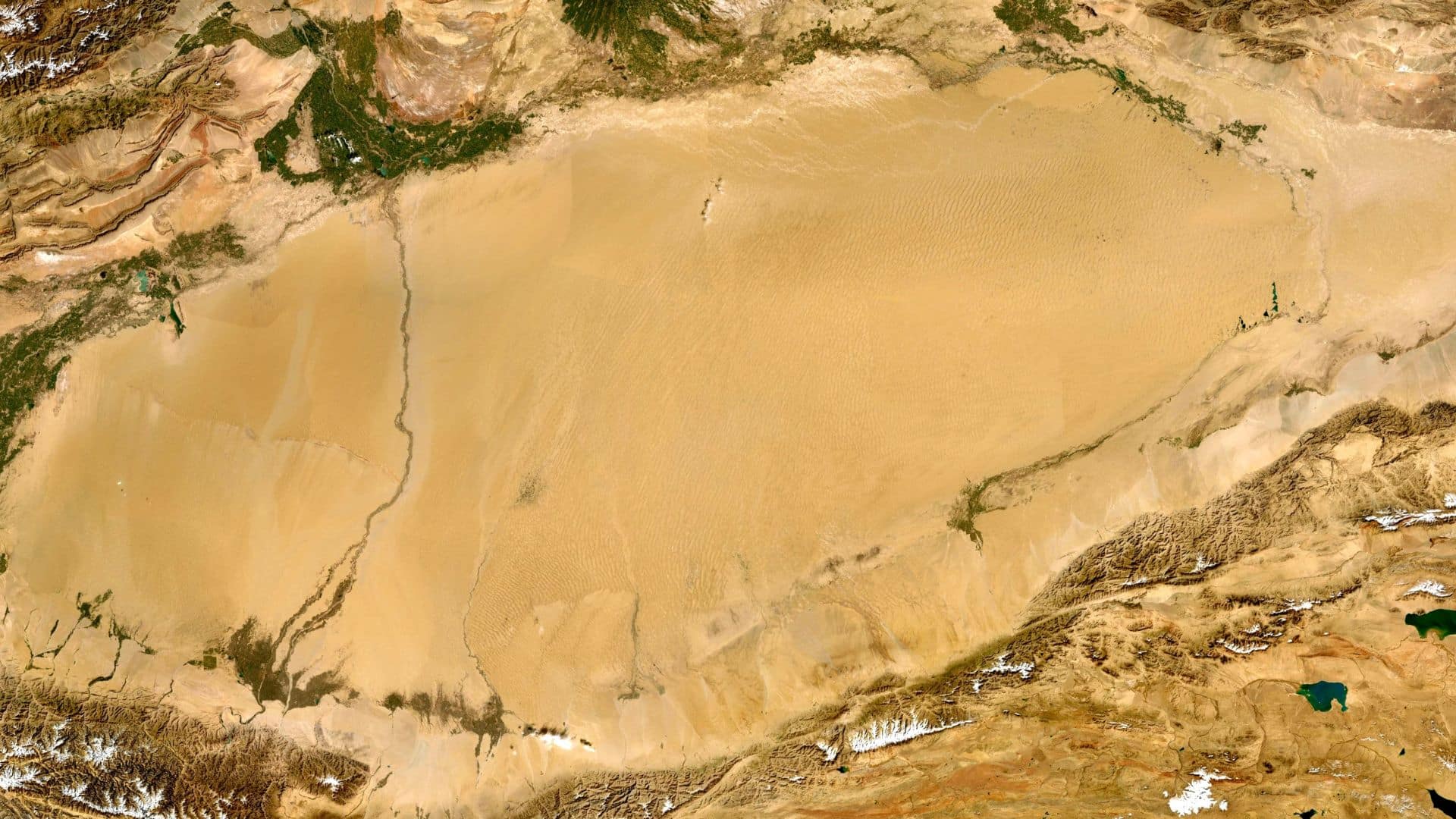
Northern China sits under persistent arid pressure tied to geography rather than recent development alone. The Himalayas block moisture moving north, so a rain shadow settles across the country’s interior and limits rainfall year after year. As a result, the Gobi and Taklamakan grew vast long before modern cities expanded. Together, they span about 618,000 square miles, so wind carries loose sand easily and pushes dry conditions outward toward nearby farmland and population centers.
Urban Expansion and Rising Sandstorm Activity
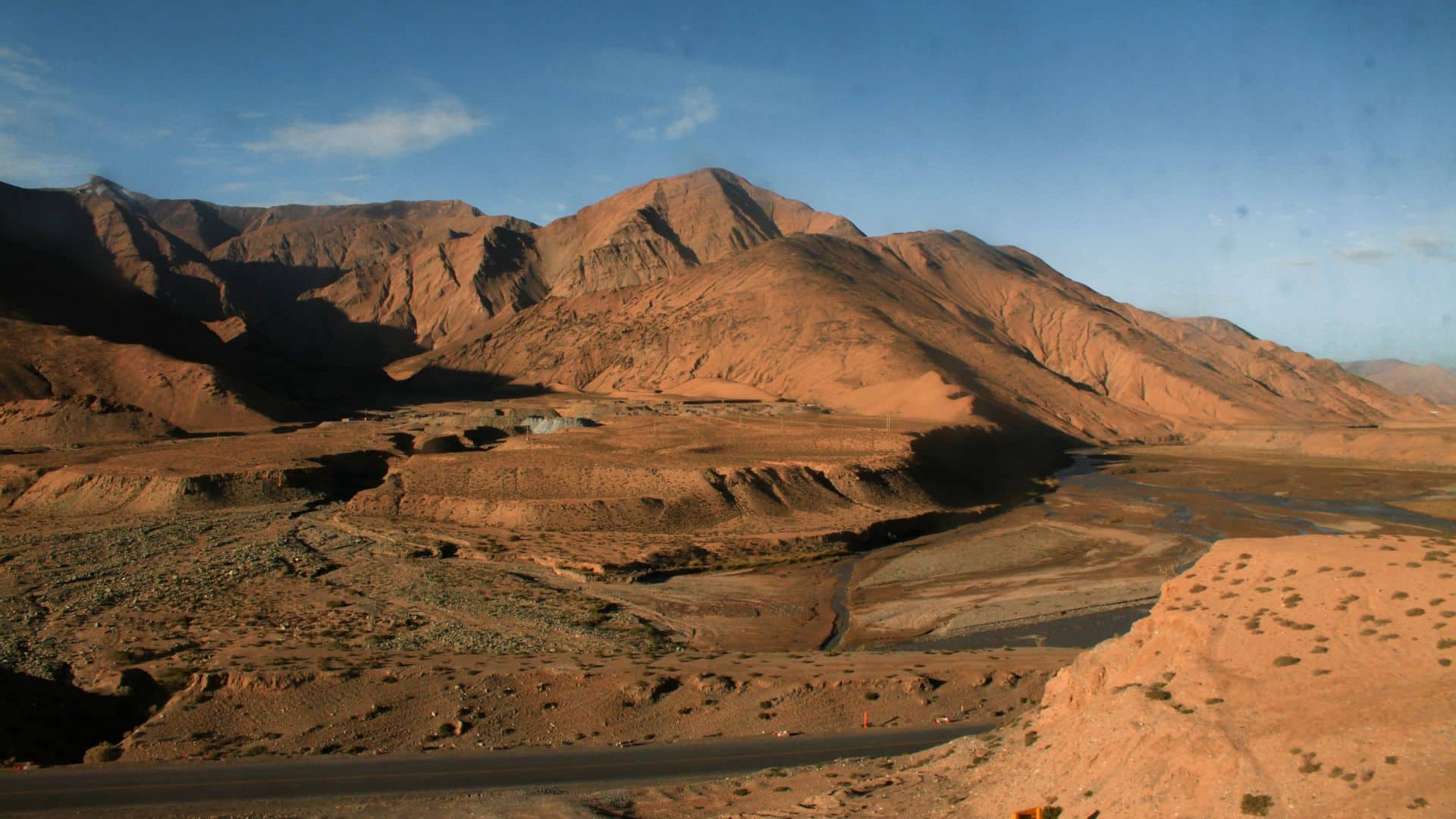
Rapid urban growth across northern China changed how land absorbed wind and water, so farming and construction pushed into dry zones near the deserts. Because vegetation disappeared, exposed soil loosened, and dust lifted more easily into the air. That process fed stronger and more frequent sandstorms, which then carried fine particles toward major cities. Over time, storms stripped topsoil from rural areas and worsened air pollution in places like Beijing, tightening the link between development patterns and environmental stress.
Scale and Structure of the Artificial Forest Belt
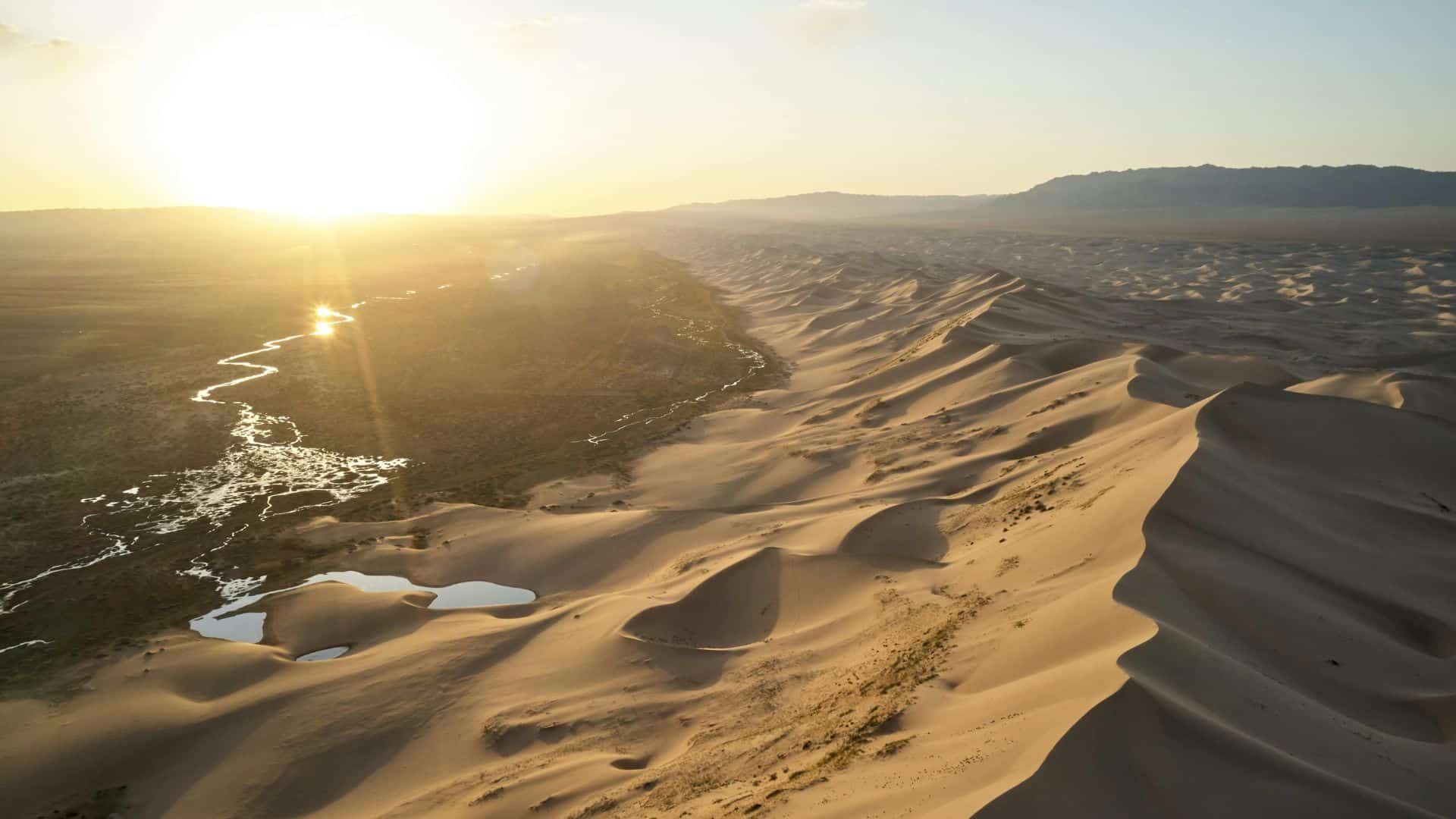
Planting under the program stretches across northern provinces in a continuous belt rather than a single wall, so forests appear in segments shaped by terrain and settlement patterns. Since 1978, crews have added over 66 billion trees along borders near Mongolia and Central Asia, which then set the template for continued expansion. Plans extend the belt to roughly 2,800 miles by 2050, with new plantings layered around existing growth to thicken coverage.
Annual Grassland Loss Linked to Desert Growth
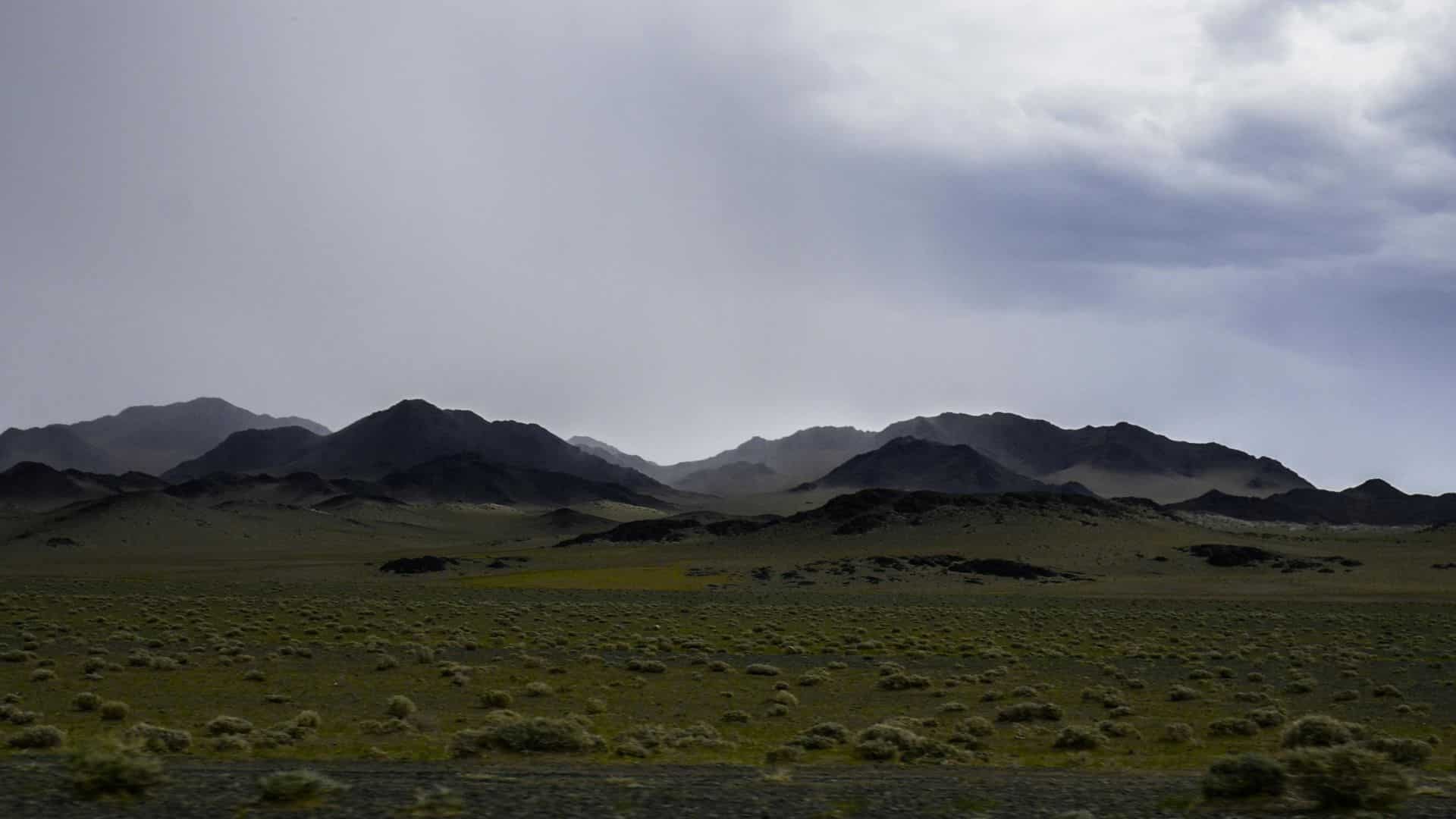
Grasslands along the desert margins keep shrinking each year, and that loss feeds the steady advance of sand. In northern China, the Gobi expands by about 1,400 square miles annually, so vegetation disappears faster than natural recovery allows. As grass cover thins, soil loosens and wind moves more freely across open ground. That process accelerates desert spread, and it also reduces the land available for grazing and farming near settled regions.
Encircling the Taklamakan With Vegetation
Tree Survival Rates and Water Limitations
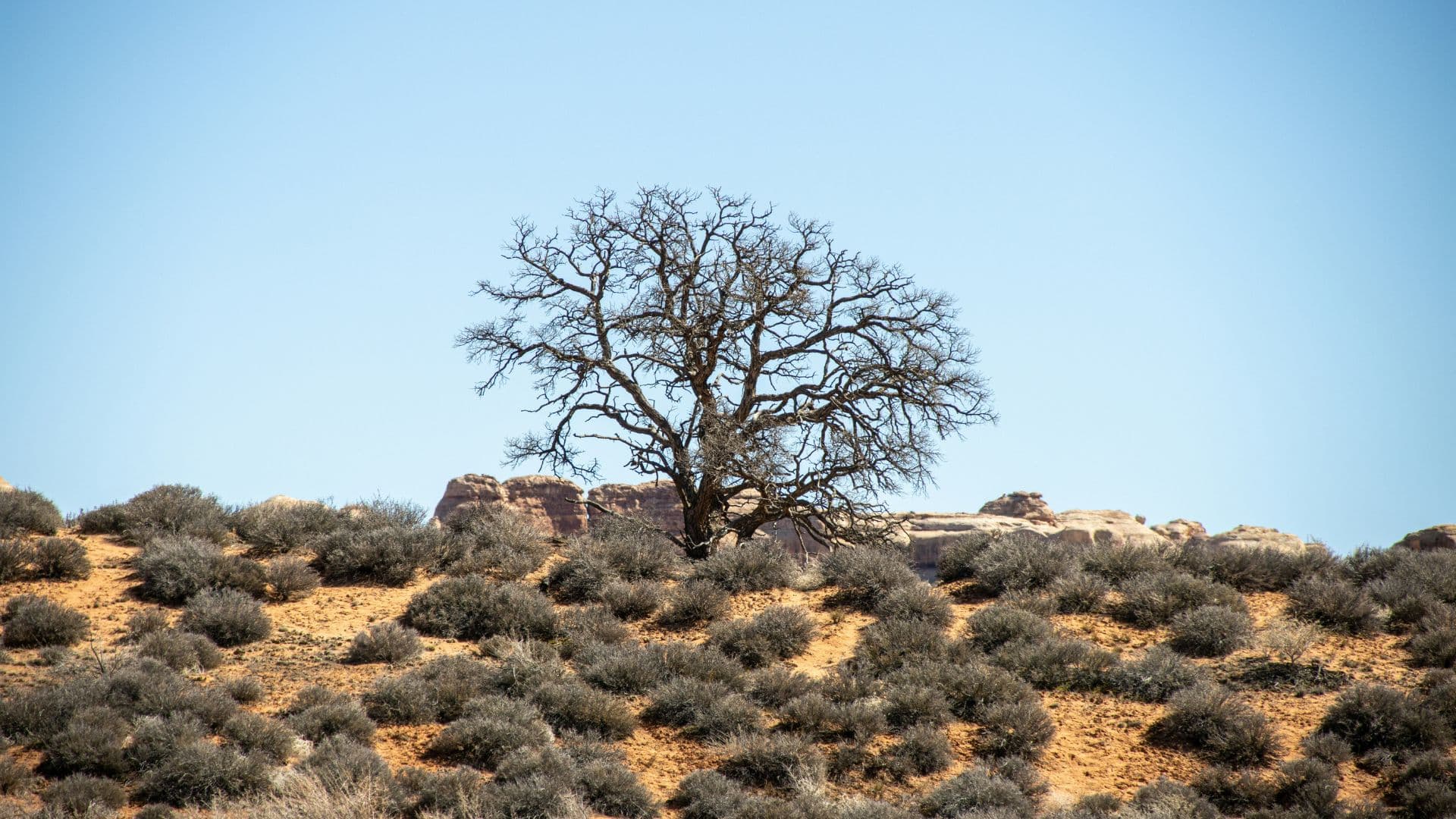
Tree survival across the belt remains uneven, so planting often pushes into areas with limited groundwater. Many sites sit on natural dunes and dry plains, and irrigation drops soil moisture as roots compete for scarce water. Researchers note falling water tables near dense plantings, so they’re dependent on constant maintenance. When support fades, mortality rises, and some plots thin out within a few seasons.
Monoculture Risks and Global Influence
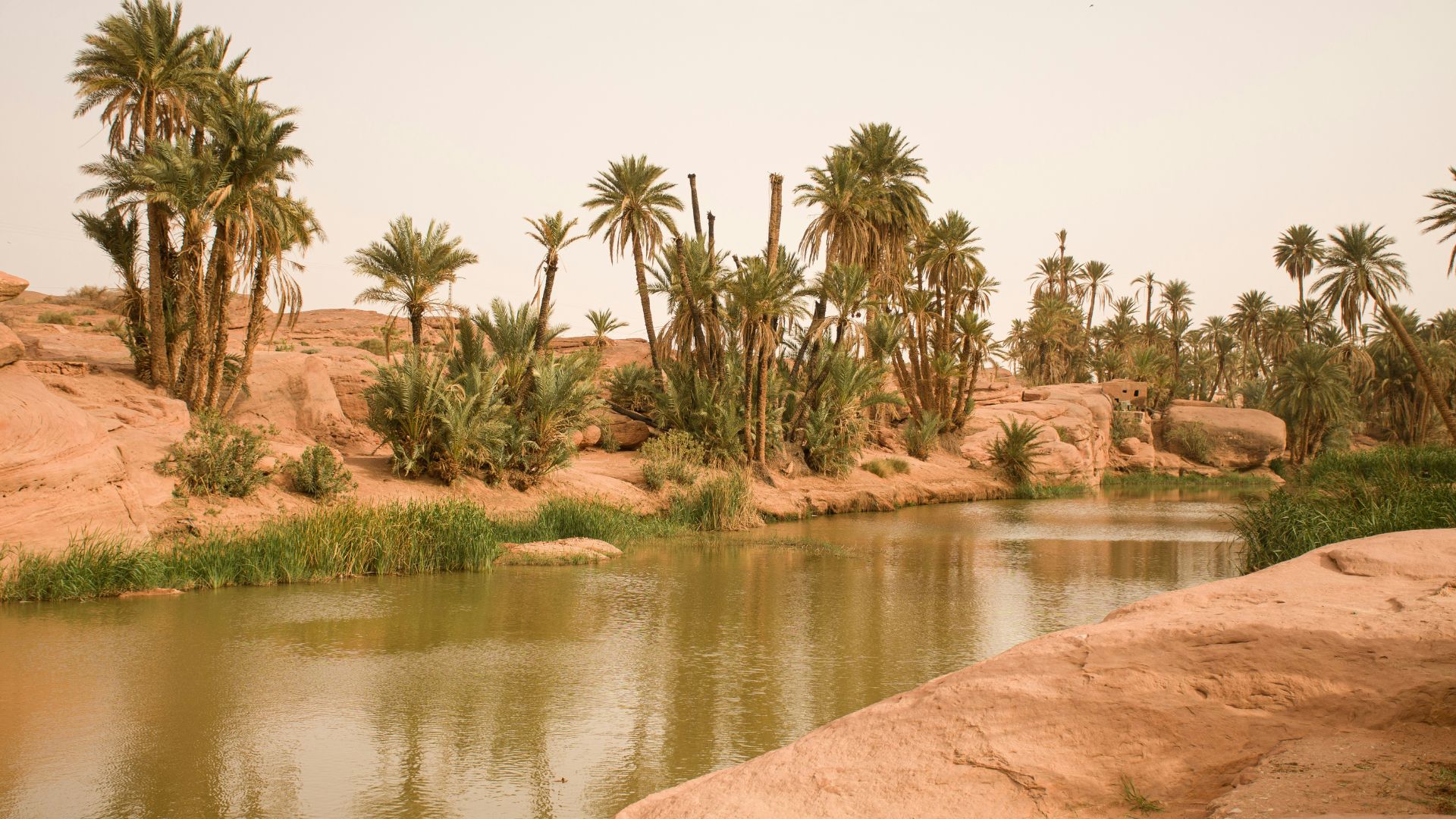
Large sections of the forest rely on a narrow range of species, mostly poplar and willow, so disease spreads quickly once it appears. In 2000, a single pathogen wiped out about 1 billion poplars in Ningxia, which exposed how uniform planting carries risk. Even so, the scale of the effort drew international attention, and it directly influenced plans for Africa’s Great Green Wall stretching across the Sahel.
What the Green Wall Leaves Behind
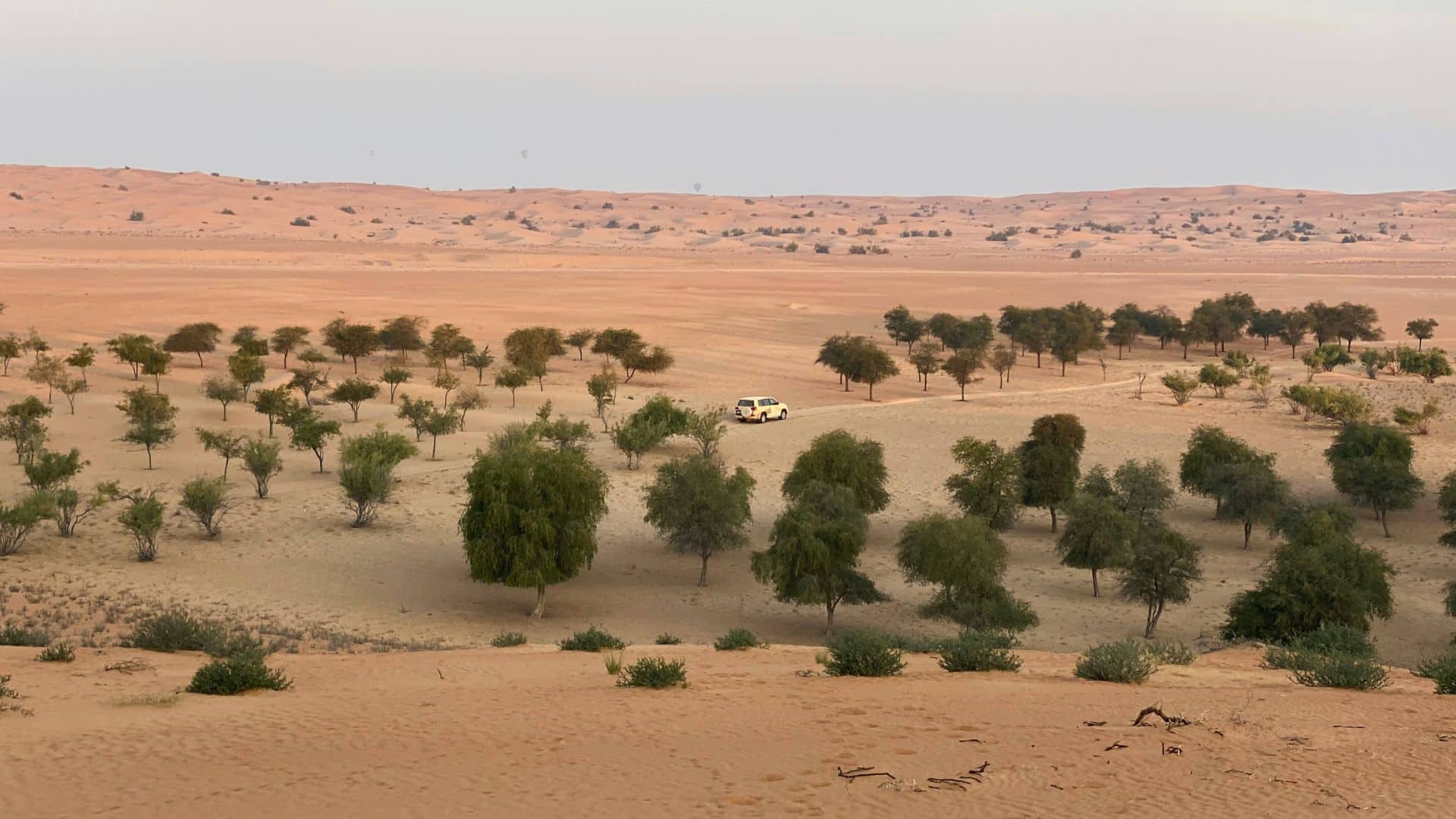
What emerges after decades of planting is a project that keeps evolving rather than settling into a finished form. Forest belts continue spreading across dry ground, so outcomes depend on water access, species choice, and constant oversight. Because deserts keep advancing in places, planting remains ongoing. At the same time, other regions show stabilized dunes and rising tree cover, which means the effort reshapes land use even as questions around long-term impact remain open.