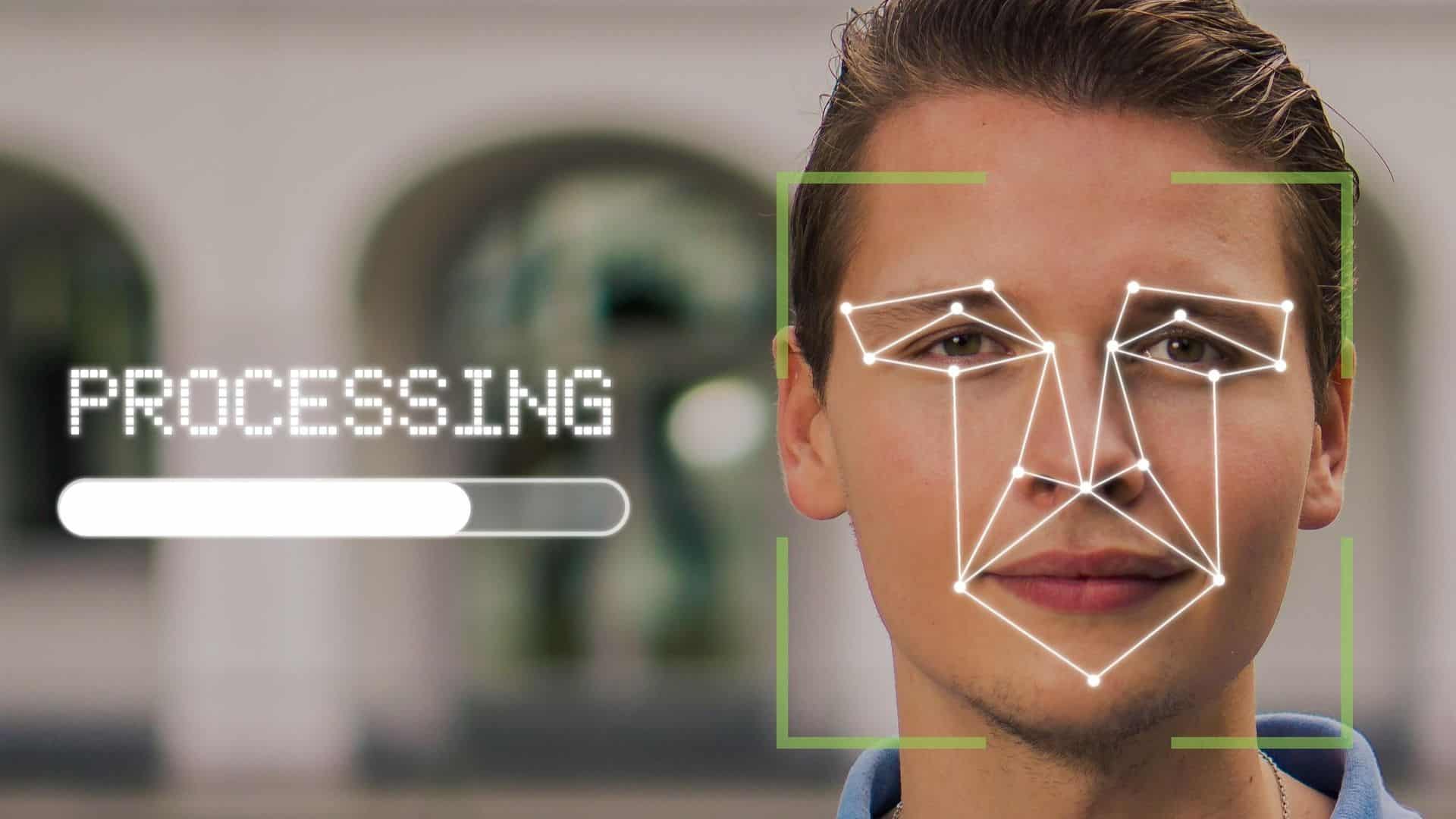
Wegmans, a well known supermarket chain in the United States, has begun using facial scanning technology at the entrance of select stores, triggering unease among many customers. The system collects and stores biometric information as shoppers walk in, a move the company says is designed to improve safety in locations considered higher risk. While notices are posted at store entrances in New York City, several visitors report they did not realize facial data was being captured until they learned about it afterward.
For many shoppers, the surprise factor has been the most unsettling part. Customers describe the technology as intrusive, especially in a space traditionally associated with routine, everyday activity. The idea that a simple grocery trip now involves biometric monitoring has prompted questions about consent, transparency, and how visible such measures should be.
Concerns extend beyond the presence of cameras themselves. Shoppers are asking where their facial data goes, how long it is stored, and what safeguards exist to prevent misuse. Even with posted signage, critics argue that meaningful awareness requires clearer communication, not fine print near automatic doors.
What the Company Says About Data Use
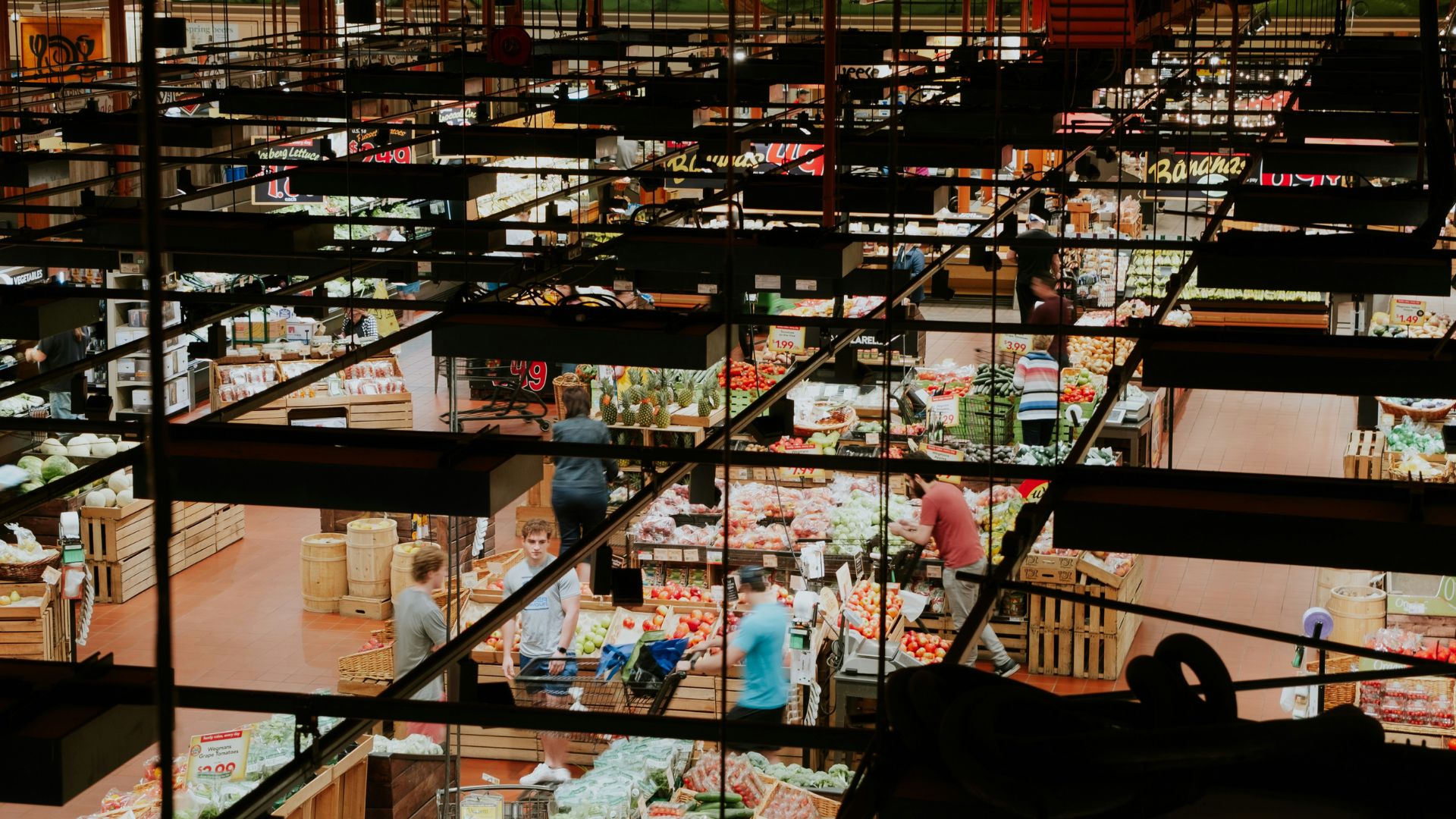
In response to growing concern, a Wegmans spokesperson stated that the company does not share collected biometric data with third parties. According to the statement, the facial recognition system is used solely to identify individuals who have previously been flagged for misconduct, rather than to monitor the general customer base indiscriminately.
The company also clarified that it is currently limited to facial scans only. Despite signage referencing other biometric markers, Wegmans says it does not collect retinal data or voiceprints. Images and video footage are kept only for as long as necessary to support security operations, then deleted in line with industry norms, although specific retention timelines are not publicly disclosed.
Addressing fears around discrimination or algorithmic bias, Wegmans emphasized that the technology is applied on a case by case basis. Decisions, according to the company, are made by its asset protection team, not through fully automated processes, an important distinction for critics wary of unchecked surveillance tools.
Shoppers React, From Alarm to Acceptance
Public reaction has been sharply divided. Some consumers have voiced strong opposition on social media, framing the technology as an erosion of privacy rather than a safety measure. For them, biometric scanning in a grocery store represents a line crossed, turning ordinary commerce into a data collection exercise.
Others take a more pragmatic view. Some shoppers believe the system will deter casual theft and protect employees, arguing that visible consequences can discourage misconduct. From this perspective, facial recognition is seen less as surveillance and more as a preventative tool.
There are also customers who express resignation rather than outrage. With similar systems already common in airports, convenience stores, and entertainment venues, biometric monitoring no longer feels novel to them. For these individuals, the technology is simply another sign of a world where observation has become routine.
Living With Surveillance in Everyday Spaces

The debate surrounding Wegmans reflects a broader cultural shift. Surveillance technologies are steadily moving from high security environments into ordinary public spaces, often faster than public consensus can form around them. Grocery stores, once neutral ground, are now part of this transformation.
Some shoppers say the presence of facial scanning will not change where they shop, but it may influence how they behave. Others argue that consumers who feel uncomfortable should take their business elsewhere, especially in cities with many alternatives. That choice, however, assumes equal access and awareness, which is not always the case.
As biometric systems continue to expand, the central question remains unresolved. How much monitoring is acceptable in the name of safety, and who gets to decide where that boundary lies. For now, Wegmans shoppers are left navigating not just grocery aisles, but a growing conversation about privacy, trust, and life under constant observation.