
As Americans rethink how much, and what, they eat, major restaurant chains are adjusting in subtle but significant ways. The rapid rise of GLP-1 medications, combined with updated dietary advice and a broader focus on wellness, has pushed brands to reconsider portion sizes, protein content, and pricing. What once defined dining out, oversized plates and endless refills, is giving way to smaller servings designed for a different kind of appetite.
The GLP-1 Effect Reshapes Eating Habits

Originally developed to treat type 2 diabetes, GLP-1 medications such as Wegovy and Zepbound are now widely prescribed for weight management. These drugs reduce hunger and slow digestion, leading many users to feel satisfied with less food. As a result, diners increasingly seek smaller portions that deliver meaningful nutrition, especially protein, without excess calories. Restaurants are responding to this behavioral shift by recalibrating menus around quality and density rather than sheer volume.
From Abundance to Intentional Portions

For decades, value in American dining was often equated with size. Today, that equation is changing. Consumers are prioritizing balance, satiety, and macronutrient awareness over plate-filling portions. Even customers who are not using GLP-1 medications are influenced by the broader cultural conversation about health, mindful eating, and waste reduction. This shift creates an opportunity for brands to introduce right-sized meals that feel both practical and affordable.
Smoothie King’s Early Move
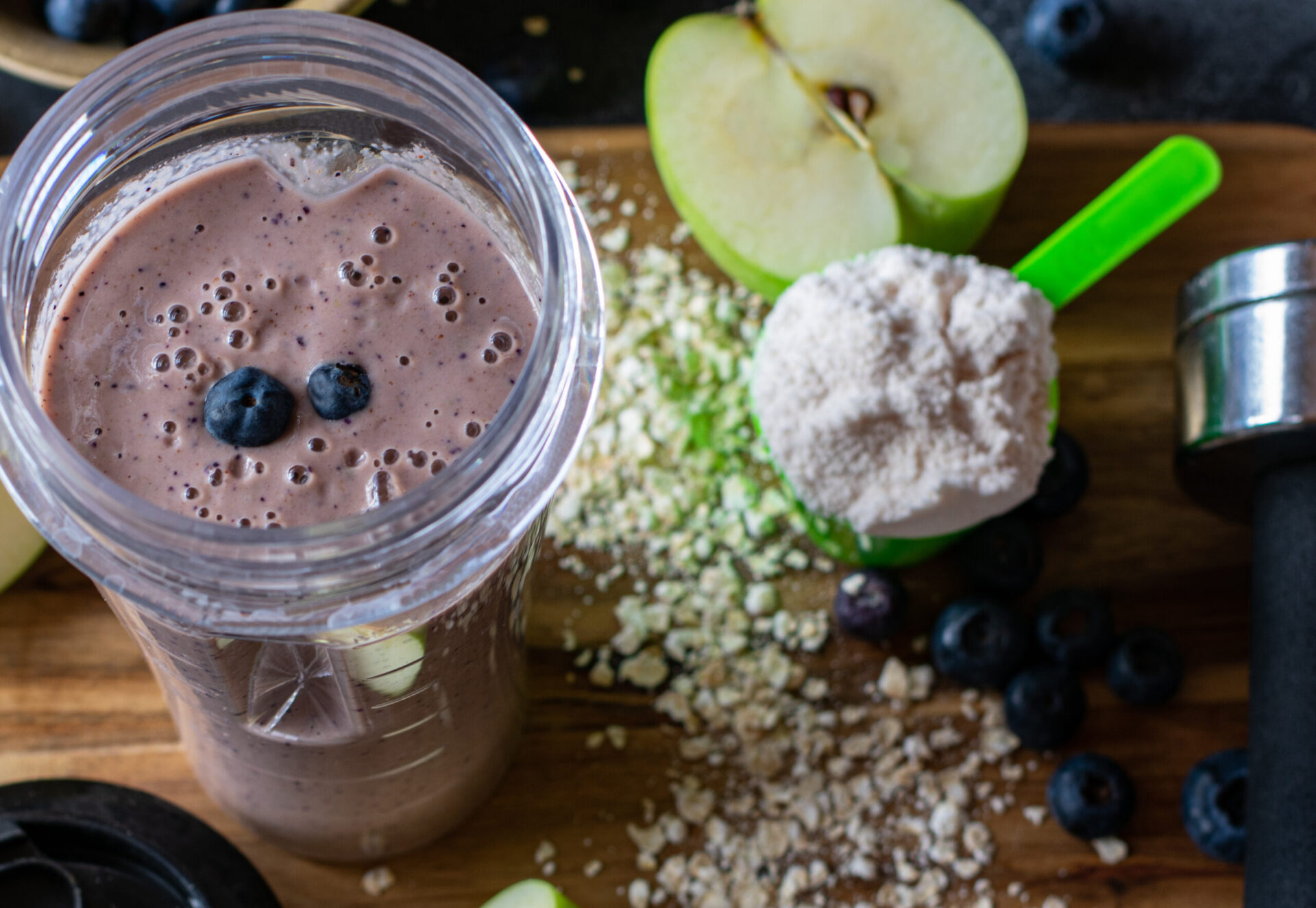
Smoothie King was among the first national chains to lean into the trend. In 2024, the company introduced a GLP-1 Support Menu featuring smoothies high in protein and fiber, with zero grams of added sugar. Developed with input from a registered dietitian, the menu directly addressed the needs of customers managing appetite changes while still aiming to meet daily nutrient requirements.
Olive Garden Experiments with Lighter Plates

Olive Garden added a dedicated lighter portion section to its menu, offering smaller servings of familiar dishes at lower prices. Rather than eliminating its traditional, generous plates, the brand expanded its range to include alternatives for guests who want moderation. The move signals that flexibility, not excess, is becoming a competitive advantage in casual dining.
Chipotle and the Rise of Protein-Forward Snacks
At Chipotle, the introduction of a High Protein Cup formalized a behavior already trending on social media, customers ordering sides of meat as standalone snacks. By packaging this preference into an official menu item, the company acknowledged growing demand for protein-rich, snack-sized options at accessible prices. The strategy aligns with evolving habits that favor smaller, nutrient-focused meals throughout the day.
Shake Shack’s Flexible Approach
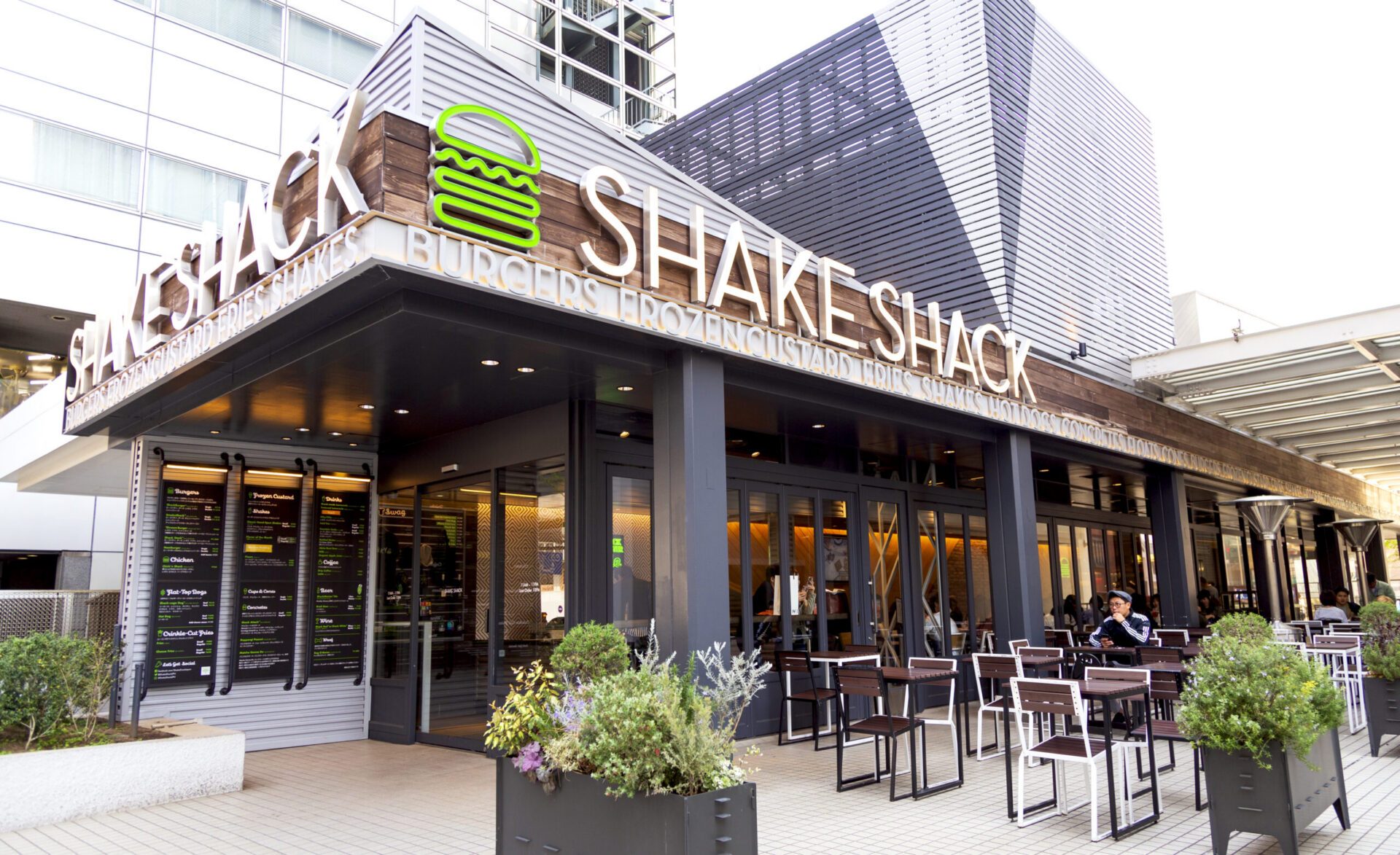
Shake Shack responded with its Good Fit Menu, offering items such as lettuce-wrapped burgers for guests seeking lighter alternatives. Rather than repositioning itself as a health brand, the chain emphasized flexibility, allowing customers to tailor indulgent favorites to suit changing dietary goals. This subtle adaptation reflects how mainstream brands are integrating wellness cues without abandoning identity.
Subway Expands Protein Options
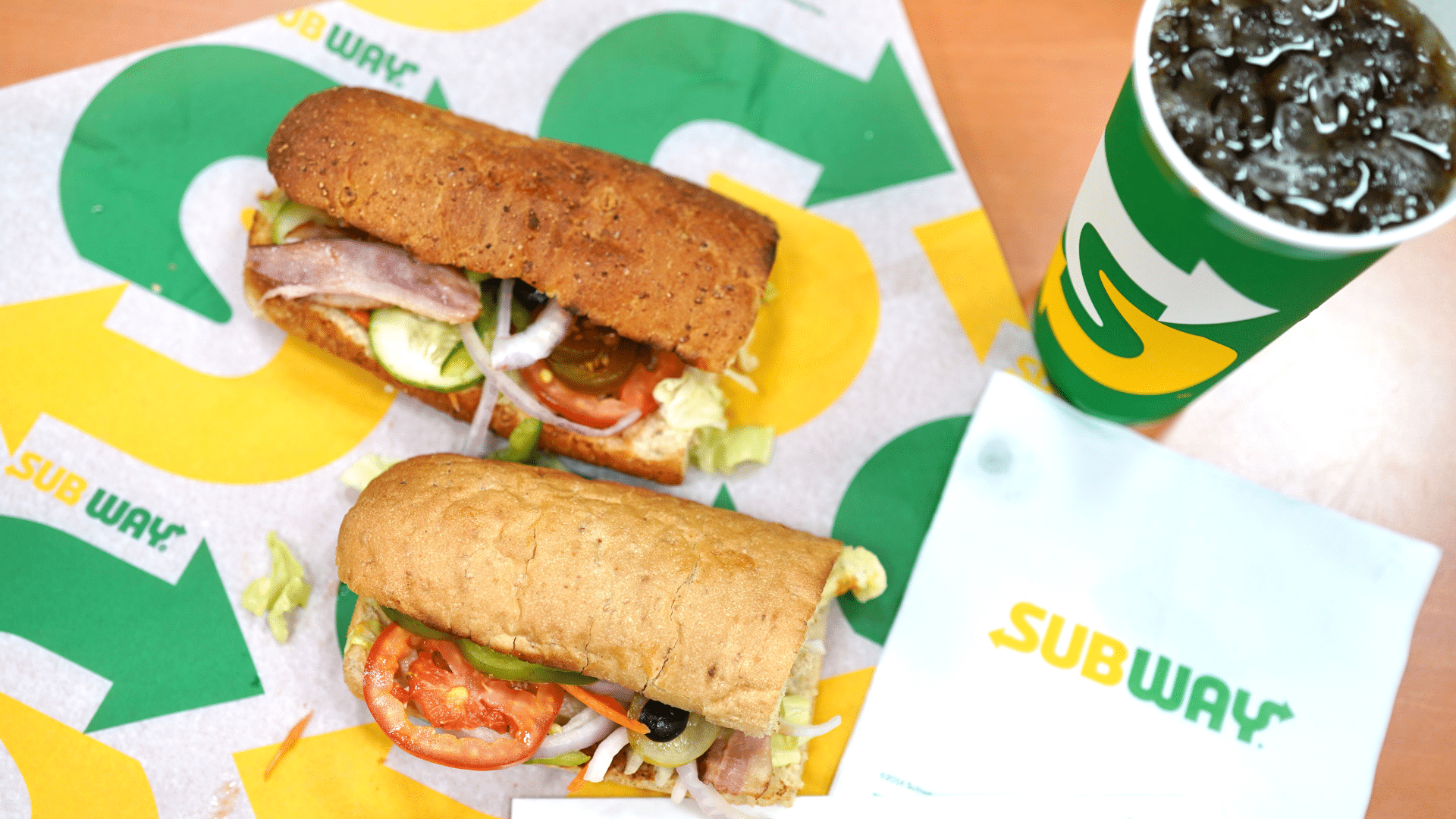
Subway recently launched Protein Pockets, compact wraps delivering more than 20 grams of protein with fewer calories than traditional subs. Available in the vast majority of U.S. locations, the offering complements the brand’s longstanding Fresh Fit menu. Company leadership has acknowledged that rising demand for high-protein, lower-calorie meals, partly influenced by GLP-1 usage, helped drive development.
Popularity and Public Visibility of GLP-1 Drugs

The mainstream visibility of GLP-1 medications increased after approvals from the U.S. Food and Drug Administration expanded their use beyond diabetes treatment to weight management. Public endorsements from celebrities and athletes accelerated awareness, while survey data from the Kaiser Family Foundation indicated that reported usage among Americans doubled within months. As access widened, the ripple effects extended beyond healthcare into consumer markets, including food service.
Protein Guidance Extends Beyond Medication

The emphasis on protein is not driven solely by pharmaceutical trends. Updated dietary recommendations released under the Trump administration advised Americans to increase daily protein intake to between 1.2 and 1.6 grams per kilogram of body weight, up from 0.8 grams. For restaurants, this guidance reinforces an already growing interest in protein-forward meals, positioning such offerings as aligned with both medical and governmental advice.
Balancing Health Claims with Nutritional Reality
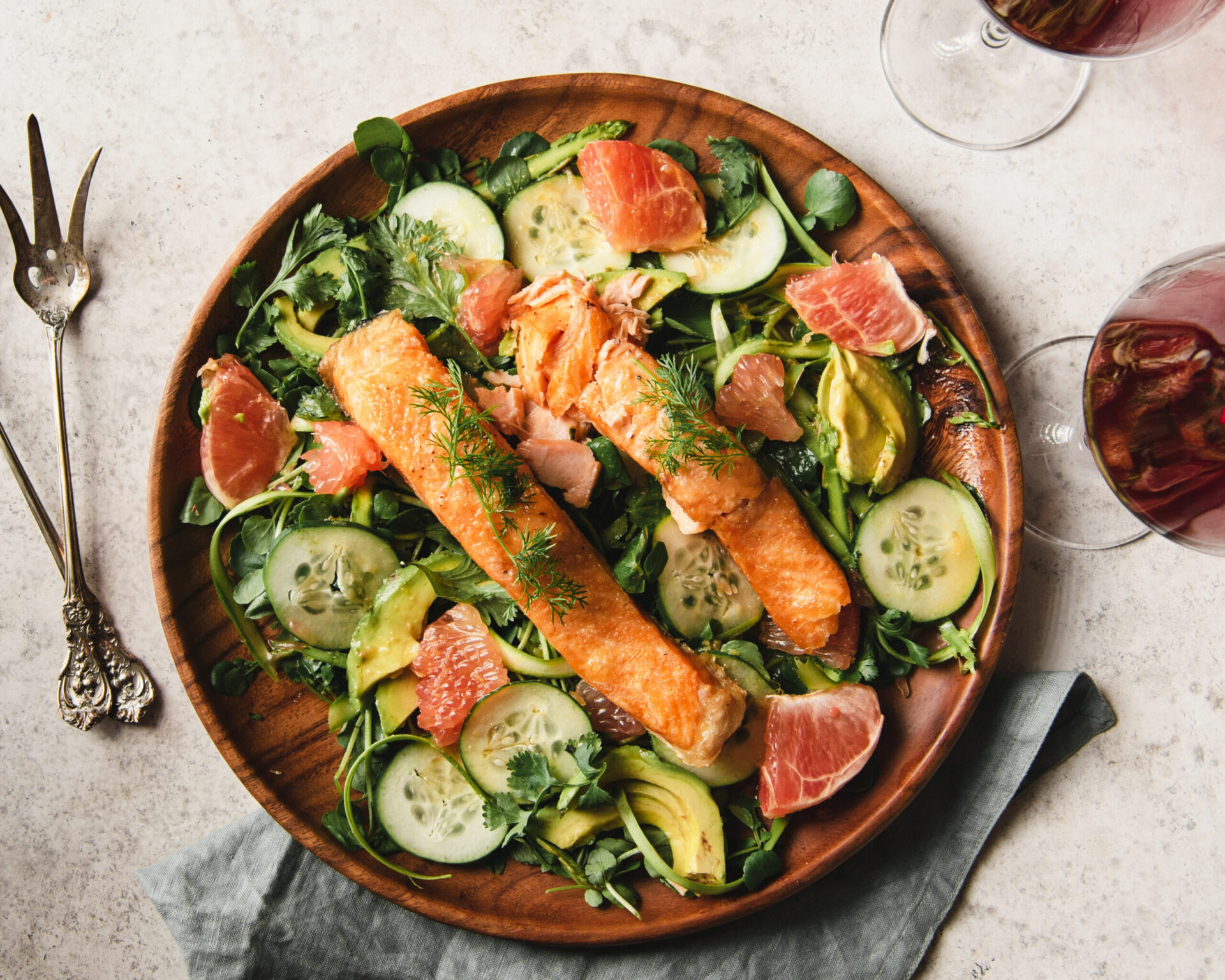
Nutrition experts caution that more protein does not automatically equal better health. While protein plays a crucial role in preserving muscle mass and promoting satiety, balanced diets also require carbohydrates, fats, and essential micronutrients. Some high-protein products can still contain elevated levels of sodium, cholesterol, or calories. Ultimately, the definition of “healthy” varies by individual needs, making informed choices more important than marketing labels.