A fitness coach and social media influencer died after undertaking an extreme overeating stunt meant to promote a new program, sparking questions about online publicity stunts and the real health risks of rapid body changes. Below are ten focused sections that explain what happened, the specifics of the challenge, and the medical context.
The incident reported

A coach from Orenburg, Russia, took part in a public experiment where he intentionally consumed very high calories to rapidly increase his body mass, then planned to reverse the gain using his own program. After feeling unwell, he canceled sessions and later died in his sleep from cardiac arrest.
The challenge explained

The stunt involved sustained daily intake far above normal calorie needs, with the goal of putting on roughly 50 pounds, then documenting the weight loss process as marketing for a course. The creator framed the effort as a publicity move to showcase a dramatic before and after.
Who he was
Dmitry Nuyanzin was a 30-year-old trainer and online creator who used social platforms to reach followers and promote fitness services. He had posted energetic invitations to join his upcoming weight-loss course, offering incentives to participants who met specific targets.
The rapid gain

Over several weeks the coach reported a substantial increase in his mass, approaching 30 pounds in about a month. Such abrupt changes in body composition place sudden demands on multiple organ systems, notably the cardiovascular system.
What he ate

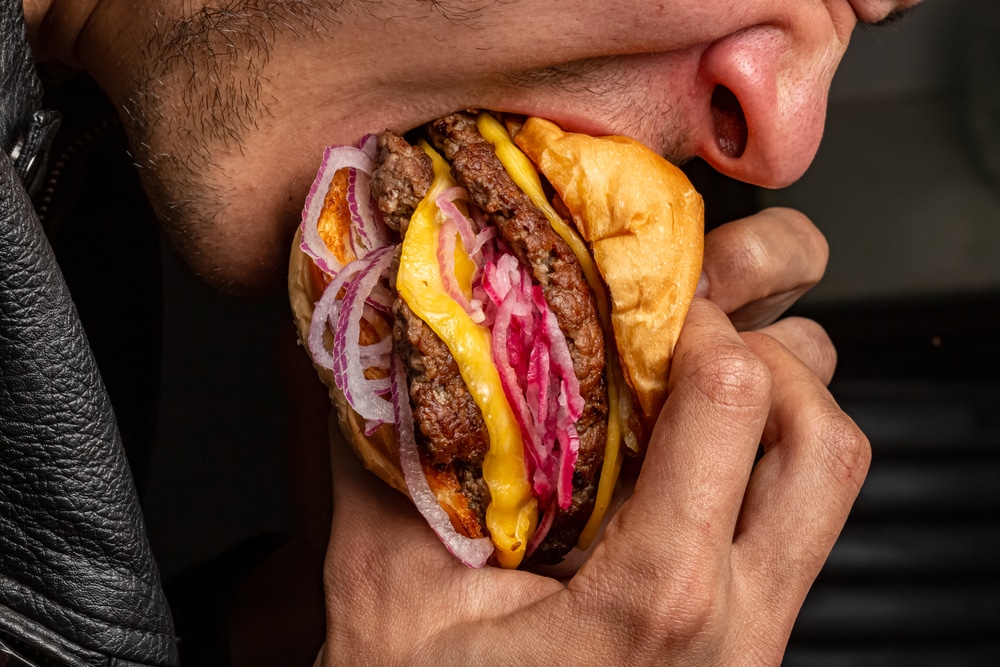
Posts attributed to the trainer listed diets high in pastries, large servings of dumplings with mayonnaise, frequent snack foods, burgers, and small pizzas. These choices are dense in calories and saturated fat, and they contributed to quick caloric surplus.
Symptoms and final hours

After feeling ill, the trainer communicated that he would see a doctor and paused public activities. He was subsequently found to have died of cardiac arrest while asleep, a sudden outcome that stunned his community.
Community reaction

Tributes poured in from followers and acquaintances who remembered him as bright and generous. Many expressed disbelief and sorrow while reflecting on the unpredictability of health problems, even in people who present as fit.
Health risks of rapid weight changes

Rapid, extreme weight gain or loss can destabilize metabolism, blood lipids, and blood pressure, increasing strain on the heart. When body mass rises quickly, the heart must work harder to circulate blood through a larger volume, which can worsen underlying vulnerabilities.
Scientific context

Medical literature links obesity-related stress to greater cardiac workload and higher risk of rhythm disturbances. Sudden changes in diet and body composition can unmask or accelerate cardiovascular issues, particularly if preexisting conditions are present.
A caution for creators and followers

This event highlights the danger of risky publicity strategies that compromise health, and it underscores the need for caution when attempting extreme body experiments. Influencers, coaches, and audiences should prioritize safe, evidence-based approaches over viral stunts.
Closing reflection

Beyond the shock and condolences, this case prompts a sober discussion about responsibility in health communication. Sensational tactics may bring attention, but they can also have irreversible consequences, making safety and medical oversight essential when personal health is used as promotional material.