Unpacking The Real Truth Behind The Wave of Grocery Store Closures
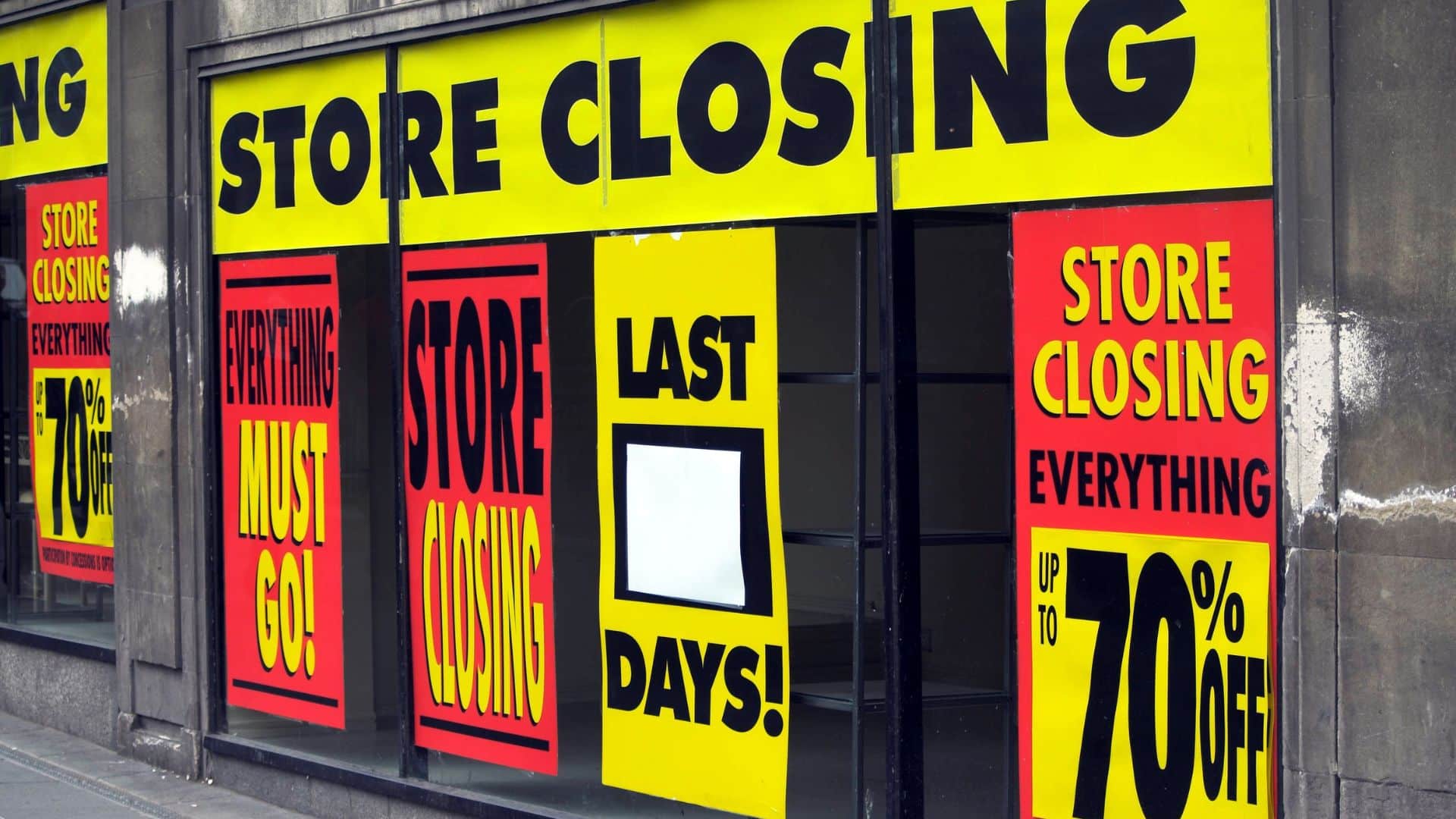

The landscape of American grocery retail underwent a profound transformation throughout 2025. From established chains in Boston to iconic southern brands, many locations were forced to shutter their doors as the industry faced a perfect storm of economic pressures. This trend originates from a business model that historically relies on remarkably slim profit margins, which leaves little room for error during sudden market shifts.
While many businesses aim for double-digit returns, most supermarkets operate on a fragile margin between one and three percent. This vulnerability means that even minor fluctuations in supply costs can jeopardize the financial stability of an entire regional branch. When these structural issues meet the headwinds of persistent inflation, the pressure on the balance sheet becomes unsustainable for many traditional operators.
The current economic climate further complicates the situation, as inflation remains stubbornly above three percent while the labor market shows signs of stagnation. Consumers are naturally tightening their budgets, leading to a noticeable decline in overall retail spending. With additional price hikes anticipated through the coming year, the industry faces a prolonged period of fiscal adjustment that is reshaping the community shopping experience.
Adapting to New Consumer Preferences

Beyond macroeconomic trends, a fundamental shift in how people procure their daily essentials is reshaping the industry. Physical storefronts are no longer the exclusive destination for household shopping, as digital platforms continue to gain significant market share. This transition is particularly evident among families with children, where a majority now prefer the efficiency and speed of ordering via mobile applications.
The data reveals a stark contrast in growth trajectories between traditional and digital retail channels. Online grocery sales saw a double-digit surge over the past few years, vastly outperforming the modest gains seen in brick and mortar locations. This disparity suggests that the convenience of home delivery is becoming a permanent fixture of the modern lifestyle, rather than a temporary trend.
Interestingly, this technological adoption is not limited to younger demographics. Research indicates that nearly half of older adults are now comfortable using online services for their grocery needs. This broad acceptance across age groups forces retailers to reconsider the necessity of maintaining expansive, high cost physical footprints in every community, especially when foot traffic is declining.
Competition in an Increasingly Concentrated Market

Smaller, independent grocers are often the most vulnerable in this changing environment. In states like Nebraska and Iowa, the number of independent shops has plummeted by as much as thirty percent over the last decade. These local businesses find it increasingly difficult to compete with the massive purchasing power and logistical scale of national giants that can absorb rising costs more easily.
However, the crisis is not limited to small-scale operations, as major corporations are also feeling the strain. Even industry leaders have had to reassess their portfolios, closing numerous underperforming locations to preserve capital. These closures often follow failed attempts to consolidate, proving that size alone does not guarantee immunity from the aggressive competition posed by discount retailers.
The struggle for dominance in the retail space has led to a landscape where only the most efficient survive. As massive entities continue to expand their reach, traditional grocery chains are left to navigate a narrowing path to profitability. The resulting consolidation often leads to less variety for consumers and greater pressure on the remaining market players to innovate or exit.
Confronting the Consequences of Market Consolidation

The recent failure of high profile mergers has created a ripple effect across the nation. While consolidation was intended to bolster the position of certain chains against massive competitors, legal interventions to prevent monopolies led to a different outcome. In the wake of these court decisions, many underperforming stores were slated for closure as companies pivoted their strategies to recover from lost negotiations.
The human cost of these business decisions is significant, with hundreds of jobs hanging in the balance in states like Colorado. Brands such as Safeway and Pick ‘n Save have felt the direct impact of these reorganizations, leaving many communities without their primary source of fresh food. These closures highlight the delicate balance between corporate sustainability and the essential service these stores provide to neighborhoods.
To further complicate the situation, some of the largest retail entities are now entangled in their own legal disputes. Allegations regarding the failure to secure regulatory approval have led to a series of lawsuits and countersuits, adding massive legal expenses to an already difficult financial year. The road ahead for the grocery industry remains uncertain as these corporate and economic challenges continue to evolve.