Your Leftovers Could Power the Next Generation of Airplanes


Turning everyday waste into something valuable is no longer just a hopeful idea, it is becoming a serious line of scientific exploration. Recent research suggests that food scraps, often discarded without a second thought, could play a meaningful role in shaping the future of aviation. While still in early stages, this approach introduces a new way to think about energy, sustainability, and the lifecycle of what we consume.
From Food Waste To Flight Fuel

Researchers have developed a method that transforms surplus food waste into a usable form of aviation fuel, demonstrating that materials typically thrown away can be reimagined as energy sources. This process not only recycles organic matter but also produces a fuel that can integrate directly into existing aircraft systems, avoiding the need for costly infrastructure changes.
A Breakthrough Backed By Research
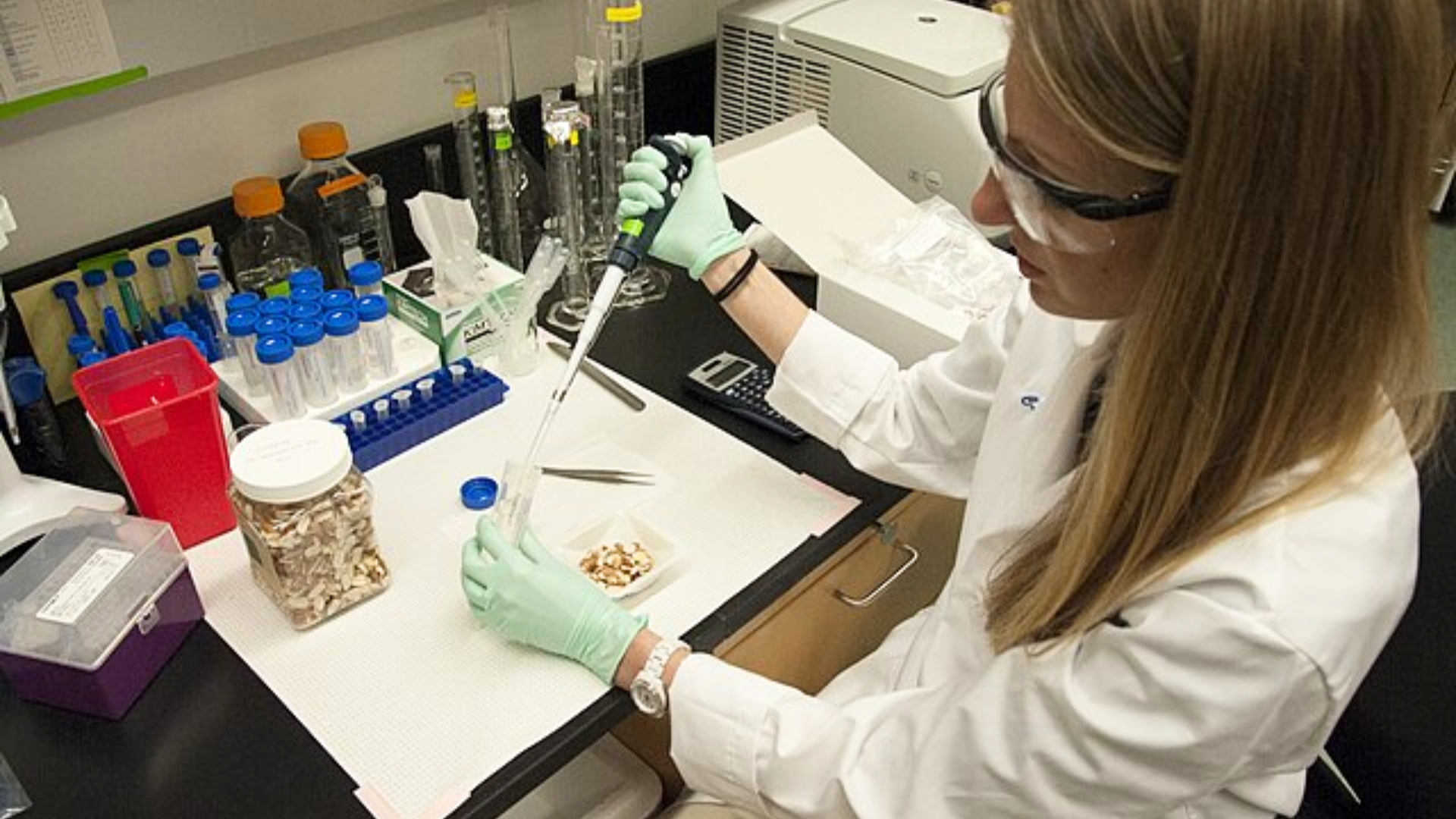
The findings, published in a scientific journal, outline how agricultural engineers successfully converted food waste into a refined biofuel that meets aviation standards. Their results show that this alternative fuel performs comparably to conventional jet fuel, reinforcing the credibility of the approach and its potential for real-world application.
A Step Toward Cleaner Aviation

Although still considered a proof of concept, this innovation offers a promising pathway for reducing the environmental impact of flying. By repurposing abundant food waste, the aviation sector could move closer to achieving long-term sustainability goals, including significant reductions in carbon emissions over the coming decades.
Rethinking Waste In A Circular Economy
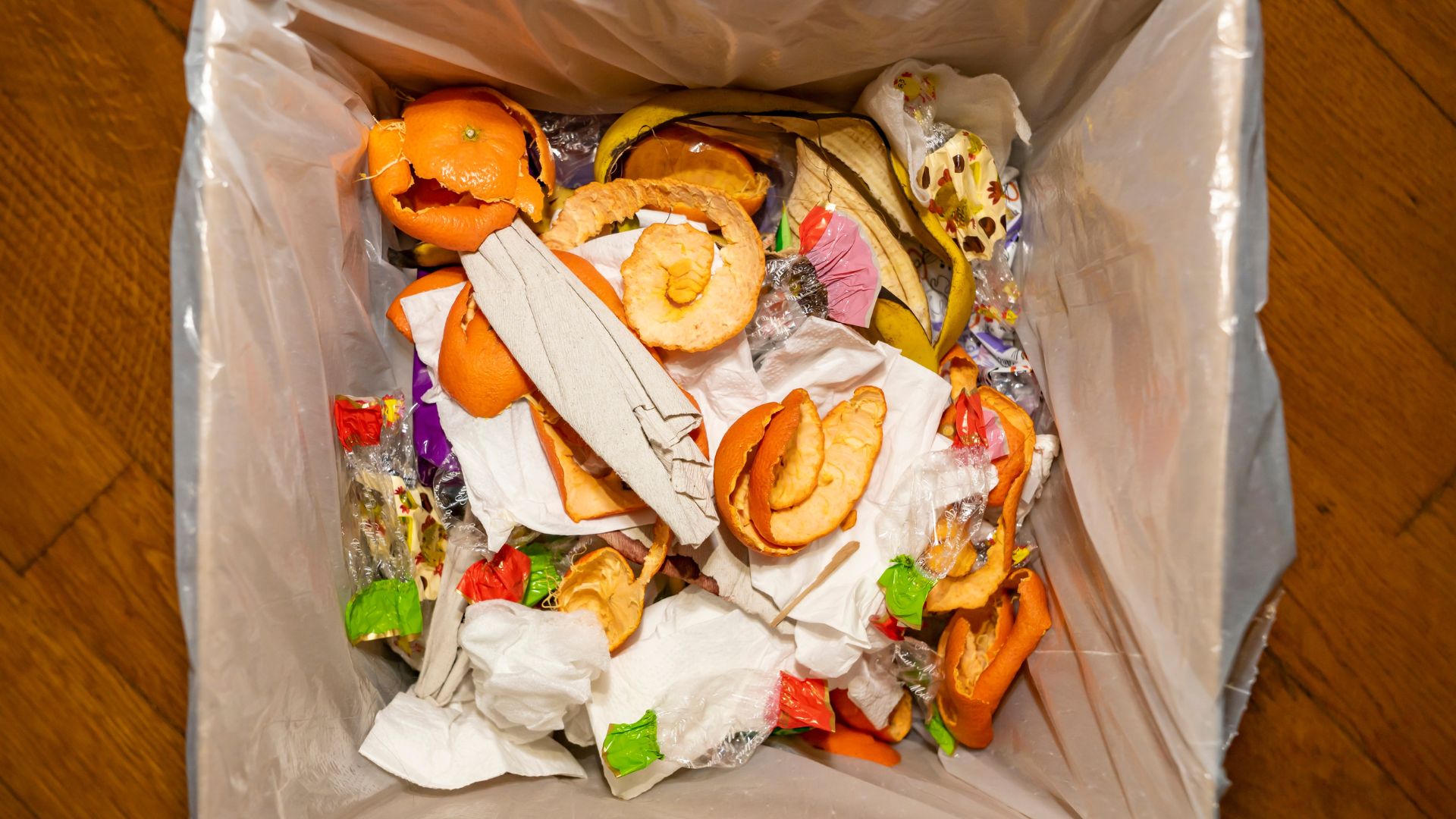
This approach reflects a broader shift from a linear model of consumption toward a circular one, where resources are reused rather than discarded. Instead of treating waste as an endpoint, the process recovers both energy and materials, turning what was once a liability into a valuable input for new production cycles.
Why Aviation Still Struggles With Emissions
Transportation remains a major contributor to greenhouse gas emissions, and aviation continues to lag behind other sectors in reducing its footprint. While cars have advanced through electrification, airplanes face unique energy demands that make similar transitions far more complex and technically challenging.
The Energy Challenge Of Electric Flight

Electric propulsion, while promising for shorter routes, cannot yet match the energy density required for long-haul flights. Traditional jet fuel contains significantly more energy per unit of weight than current battery technology, making it difficult for electric aircraft to compete in terms of range and efficiency.
The Promise Of Sustainable Aviation Fuel

Sustainable aviation fuels, often derived from organic materials, have emerged as a potential solution to this challenge. These fuels can dramatically reduce lifecycle emissions compared to fossil-based alternatives, but producing them at the necessary quality and scale has remained a persistent obstacle.
How Food Waste Becomes Fuel

The process begins by collecting food waste and subjecting it to hydrothermal liquefaction, a technique that replicates the natural formation of crude oil under high pressure and temperature. This method accelerates what would normally take millions of years, converting organic matter into a usable oil in a matter of hours.
Refining Fuel To Meet Aviation Standards

Once the crude material is obtained, it undergoes multiple refinement stages to remove impurities and unwanted elements. Through advanced chemical treatments, the substance is transformed into hydrocarbons that align with strict aviation requirements, ensuring safety and compatibility with existing engines.
From Lab Success To Real-World Scale

While the results are encouraging, scaling this technology to meet global aviation demand presents a significant challenge. Expanding production will require substantial investment and industry collaboration, but the research lays a solid foundation for future development and signals a new direction for sustainable fuel innovation.