McDonald’s Prices Have More Than Doubled Since 2009, Customers Are Furious
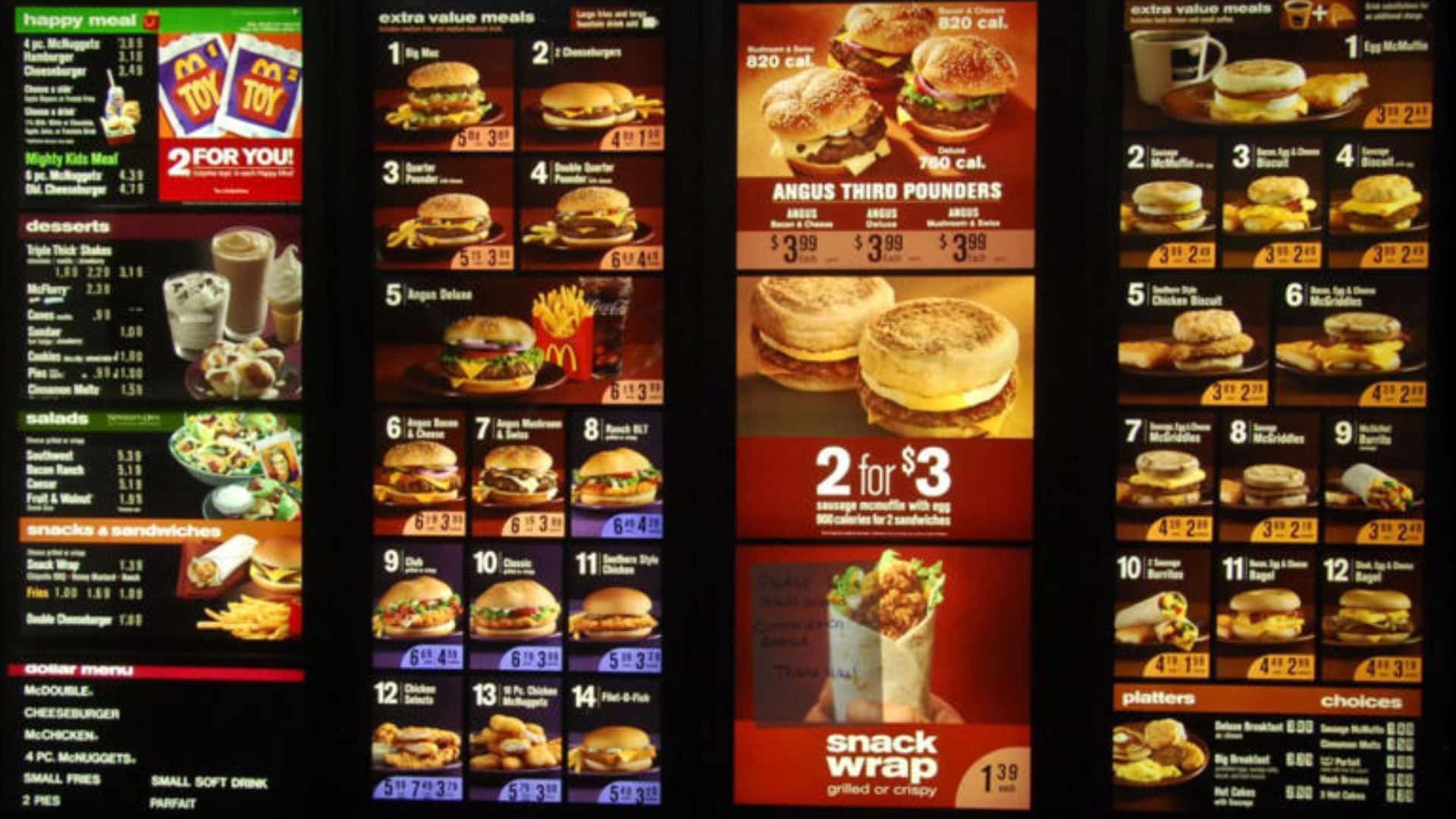

Remember when a meal at McDonald’s was a dollar? McDonald’s once built its reputation on affordability that felt dependable, so memories of the late 2000s still linger for customers who remember when a full meal did not strain a wallet. Old menus resurfacing online have stirred a sharp reaction, because the prices feel less like history and more like a personal benchmark. That sense of comparison has grown louder as people notice how far today’s receipts drift from what they once expected at the counter.
A menu from 2009 circulating on social media pulled that feeling into focus, showing a time when the dollar menu matched its name and combo meals stayed comfortably under five dollars. Fans quickly began lining those numbers up against current prices, which means a familiar lunch now costs nearly twice as much in many cities. As those side-by-side comparisons spread, frustration turned into commentary about what fast food was supposed to represent.
Price increases over the last decade now sit at the center of that reaction, because reports show McDonald’s menu costs rising more than 100 percent during that span. Customers point to items like fries, burgers, and desserts as examples of how quickly costs climbed, so complaints no longer sound isolated. That steady accumulation of increases has reshaped expectations, and the anger surfacing online reflects how personal a simple meal has become.
Menu Prices From 2009 Compared With Today
A McDonald’s menu from 2009 has become a reference point for customers now scanning receipts with disbelief, so side-by-side price comparisons keep circulating online. Items that once anchored the brand’s low-cost image now land far higher, which means even a basic order feels unfamiliar. A six-piece chicken nugget Happy Meal that cost $4.39 at the time now rings up at $5.99 in parts of Manhattan, so the gap shows up immediately.
That pattern repeats across the menu, because a small fry that once sold for $1 now reaches $3.49, and a Big Mac that cost $3.89 now sits closer to $5.79. Desserts follow the same pattern, so a McFlurry priced at $2.39 in 2009 now runs about $5.69, and apple pies that sold two for $1 now cost $3.39 for the same pair. Customers often point to those numbers because they track everyday habits rather than special purchases.
Online reactions keep building as people quote old prices and add personal memories. One fan wrote, “When life was worth living,” while another added, “Never forget what they took from us.” Those reactions tend to focus on how routine orders now feel out of reach compared to what the menu once promised.
McValue Menu Replaces the Original Dollar Menu
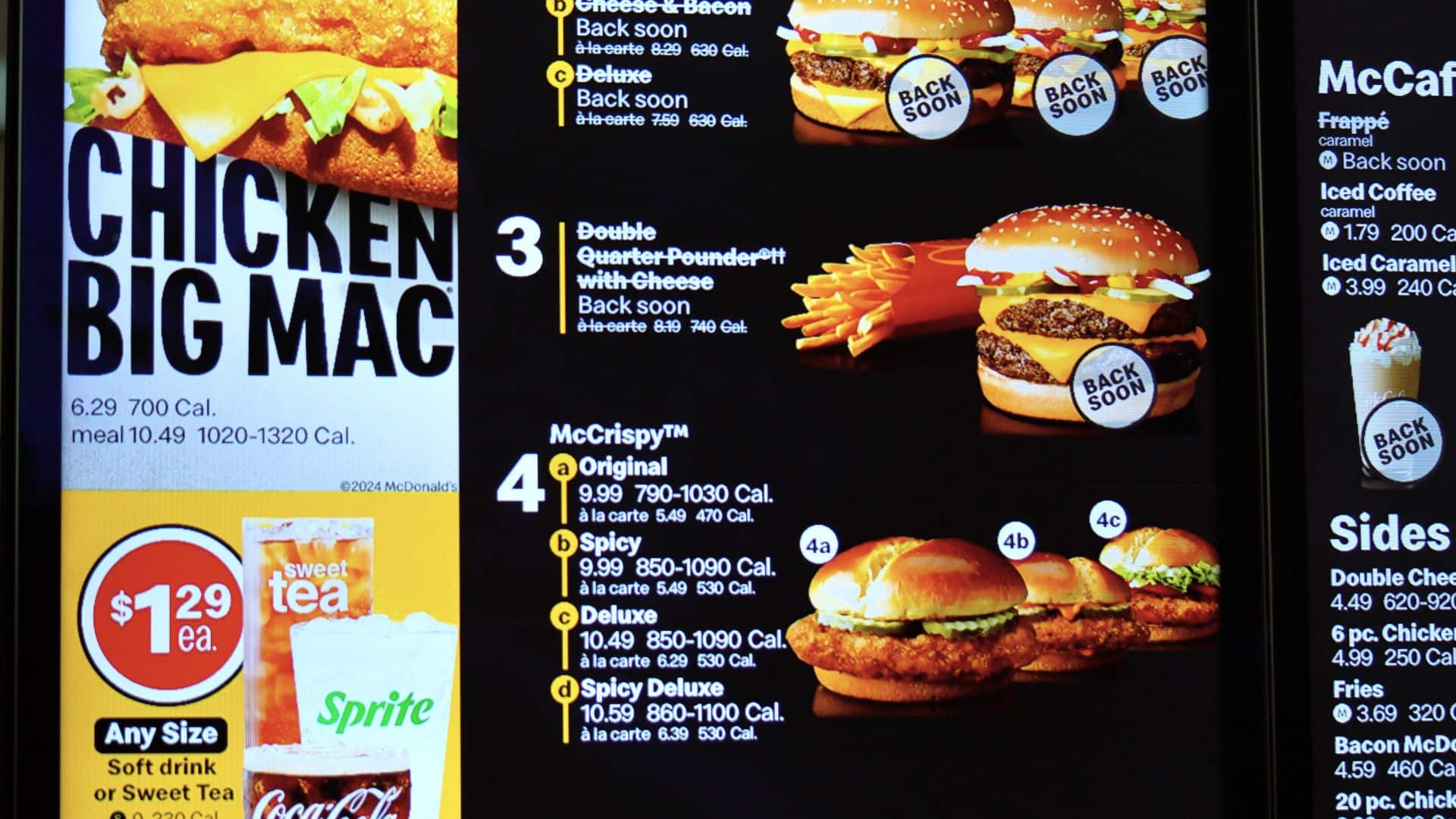
McDonald’s has moved away from the dollar menu that once anchored its pricing, so customers now face a structure built around bundled deals and conditional discounts. The company replaced the old format with the McValue Menu, which means savings now depend on buying specific combinations rather than choosing individual low-cost items. As a result, longtime customers say the simplicity they relied on has faded.
Under the McValue setup, deals often center on five-dollar combos or promotions like “Buy One Add One” for one dollar, which requires a higher upfront spend. That structure changes how people order, because grabbing a single item no longer delivers the same predictable price. Fans comparing menus from 2009 point out that the original Dollar Menu let them control costs more directly, and that memory fuels much of the frustration online.
Comments reacting to the newer menu keep returning to what disappeared rather than what replaced it. One user wrote, “Never forget what they took from us,” capturing a tone that shows up repeatedly. Another pointed to small add-ons, noting that a breakfast hash brown once cost $0.39 and now runs about $2.89. Those details keep the conversation focused on how pricing feels less transparent than it once did.
Consumer Backlash Grows as Price Gaps Widen Nationwide
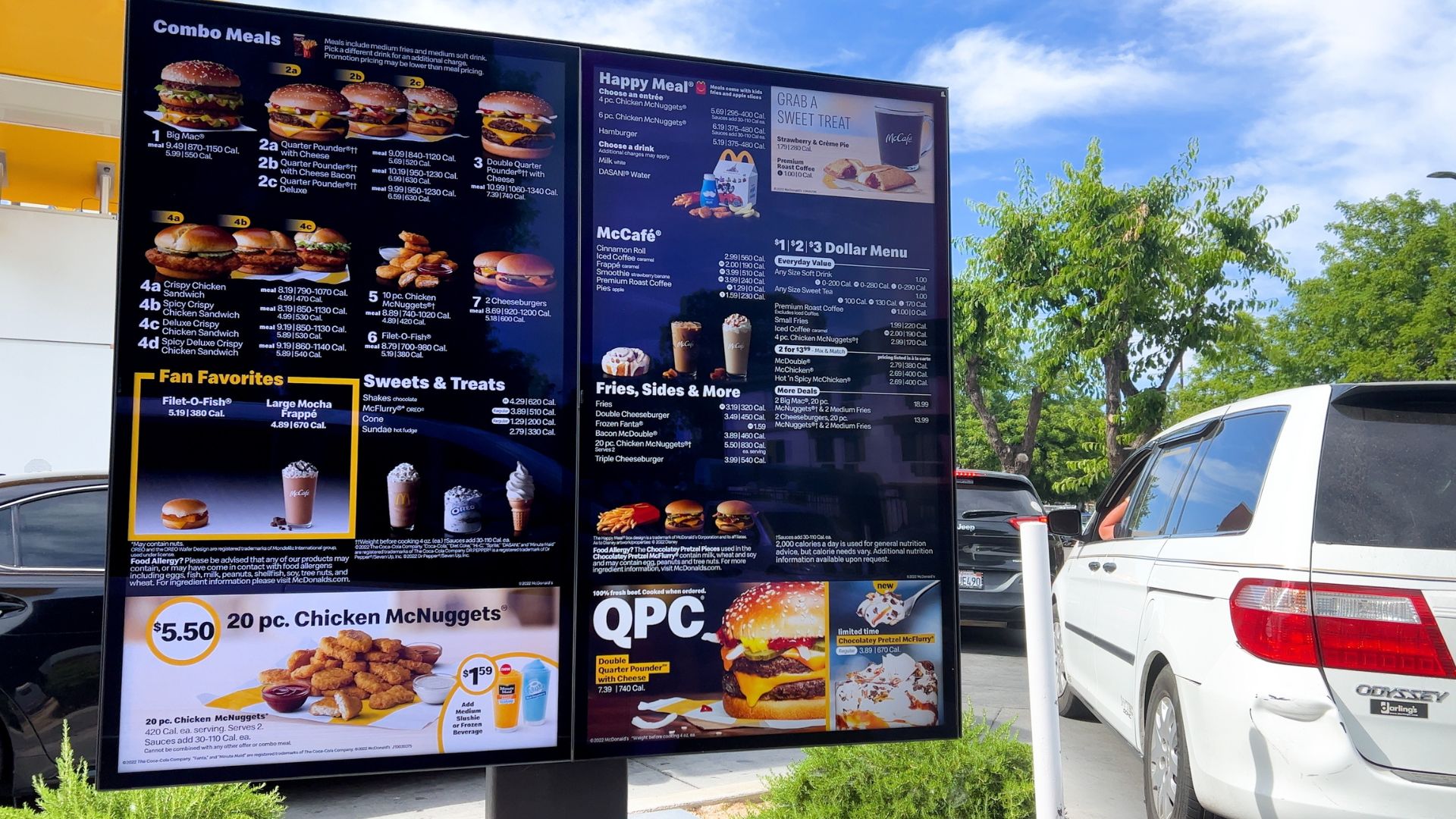
Recent data has added more fuel to customer frustration, because analysts found McDonald’s menu prices rose more than 100% over the past decade, far outpacing overall U.S. inflation. That comparison keeps circulating online, since many consumers expected fast food to track closer to everyday cost increases rather than exceed them. As those numbers spread, anger now ties less to nostalgia and more to perceived pricing decisions.
Geography has also entered the conversation, since reported prices vary widely across states and metro areas. Some customers point to extreme examples like an $18 Big Mac meal in Connecticut or a $7.29 Egg McMuffin, which makes national averages feel misleading. Those regional differences keep amplifying complaints, because people compare prices across screenshots, receipts, and shared photos.
That reaction has started to affect how customers approach the brand, because online discussions now include fewer jokes and more resolve. Some say they visit less often, others say they skip certain items entirely, and many frame the change as a break in trust rather than a budgeting issue. As those conversations continue to build, frustration no longer centers on a single menu item and instead reflects how expectations around fast food pricing have changed.

