Behind America’s Growing Preference for Mexican Food Over Pizza
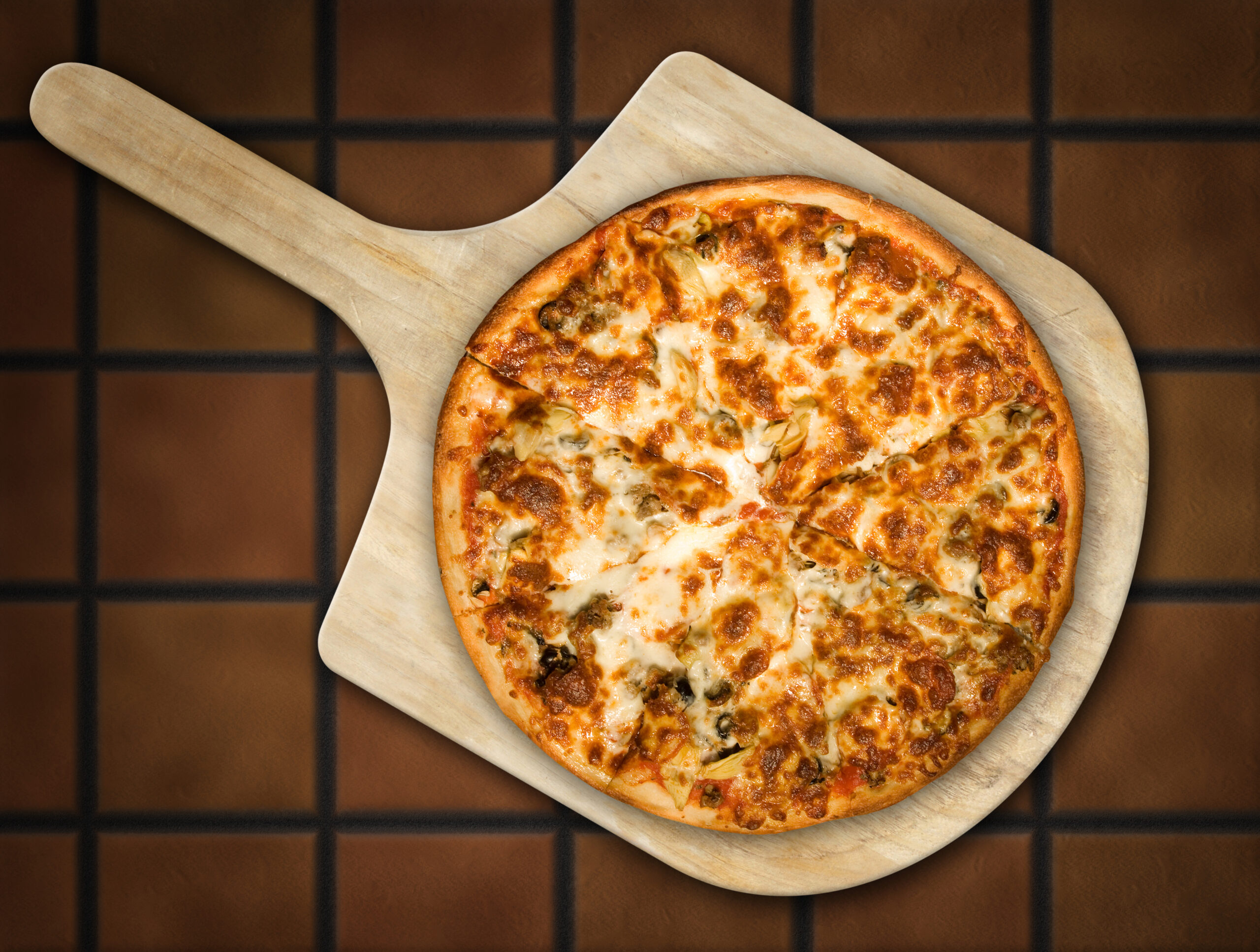

For years, pizza symbolized convenience in the United States. It was the default choice for busy evenings, group gatherings, and quick deliveries. Affordable pricing and nationwide availability helped it become a cultural staple. Today, however, the dynamics of restaurant consumption are evolving, and long standing habits are being reconsidered.
Recent industry reports indicate that while pizza continues to generate billions in annual sales, its growth has slowed compared with other fast food categories. Data referenced by major financial publications shows that pizza chains once ranked near the top of U.S. restaurant sales, yet they have gradually slipped in position over the past decade. The number of pizza establishments, both independent and franchised, peaked before the pandemic and has since declined.
This slowdown does not suggest disappearance, but rather a recalibration. Consumers still enjoy pizza regularly, yet they are increasingly open to alternatives that promise variety, perceived freshness, and flexible portions. That openness has created space for other cuisines to expand at a faster rate.
Mexican Cuisine’s Steady Expansion
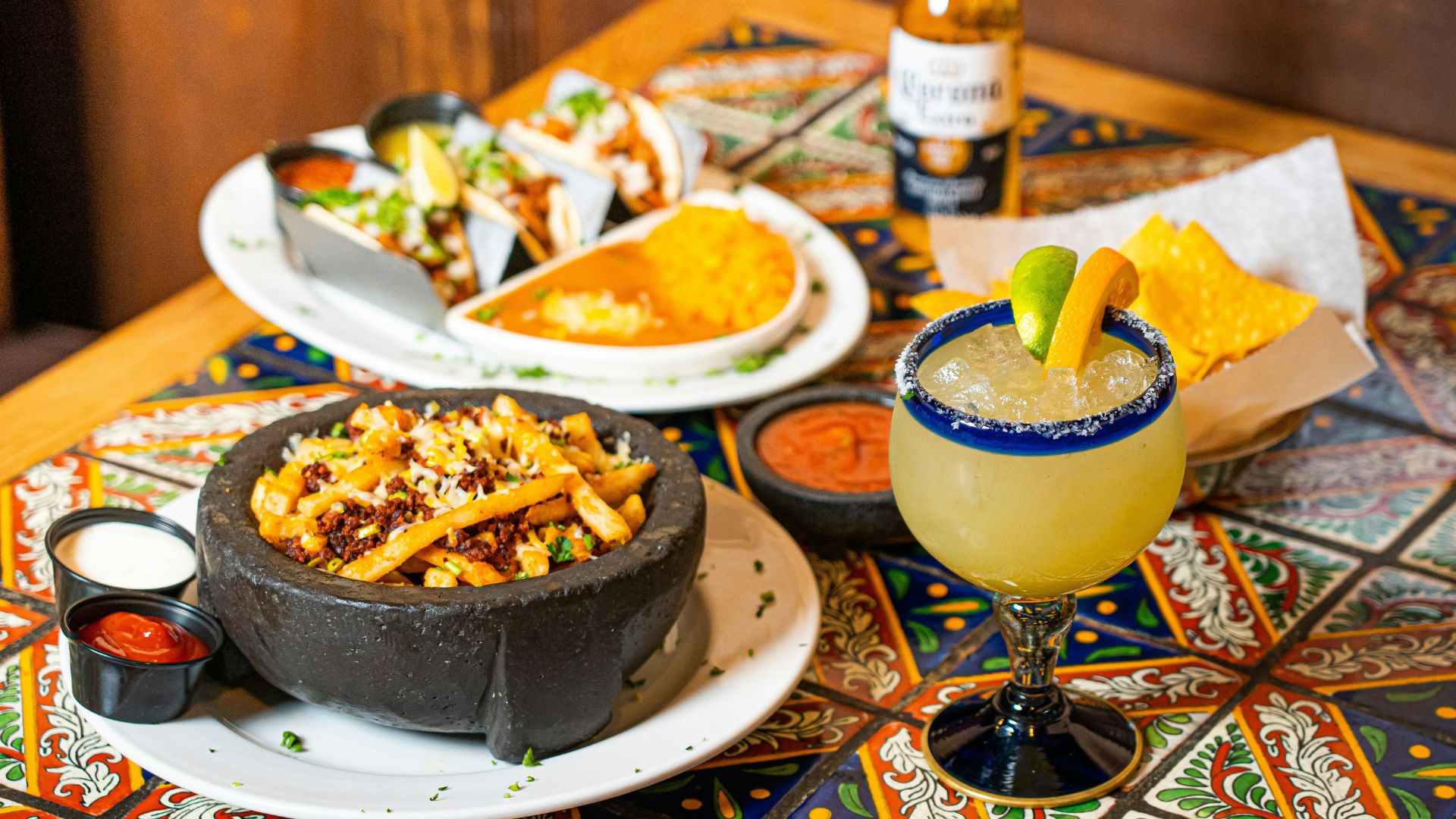
While pizza outlets have contracted, Mexican inspired restaurants have multiplied across the country. Industry comparisons reveal that taquerias, burrito chains, and fast casual Mexican brands now outnumber traditional pizzerias in many markets. Growth has been consistent across both national franchises and local operators.
Part of this expansion stems from adaptability. Mexican concepts function effectively in multiple formats, from counter service to full service dining. Brands such as Chipotle and Qdoba popularized build your own meal structures, allowing guests to select proteins, toppings, and portion sizes. Independent establishments have also benefited from delivery platforms and relatively lower startup costs compared with larger pizza dining rooms.
Operational flexibility strengthens this momentum. Mexican kitchens often rely on overlapping ingredients that can be prepared in advance and assembled quickly, which supports efficient service and scalability. This structure aligns well with modern demand for takeout and app based ordering.
Price Awareness and Perceived Value

Economic pressure has reshaped consumer decision making. As inflation influenced grocery and restaurant spending, diners became more attentive to price and portion balance. Reports show that a single large pizza can exceed twenty dollars in many regions, a price point that competes with other prepared meal options or home cooking.
Mexican offerings frequently feel more controllable in cost. Tacos, bowls, and burritos allow individuals to tailor portion size without committing to a single large item. This perceived balance between quantity and expense resonates with households monitoring budgets.
Pizza brands have responded with promotional strategies and discount campaigns to defend market share. Value deals remain a core tactic, yet sustained discounting can narrow margins. Meanwhile, Mexican concepts often maintain stable pricing structures while emphasizing customization as added value rather than a premium upgrade.
Customization, Convenience, and the Future of Choice
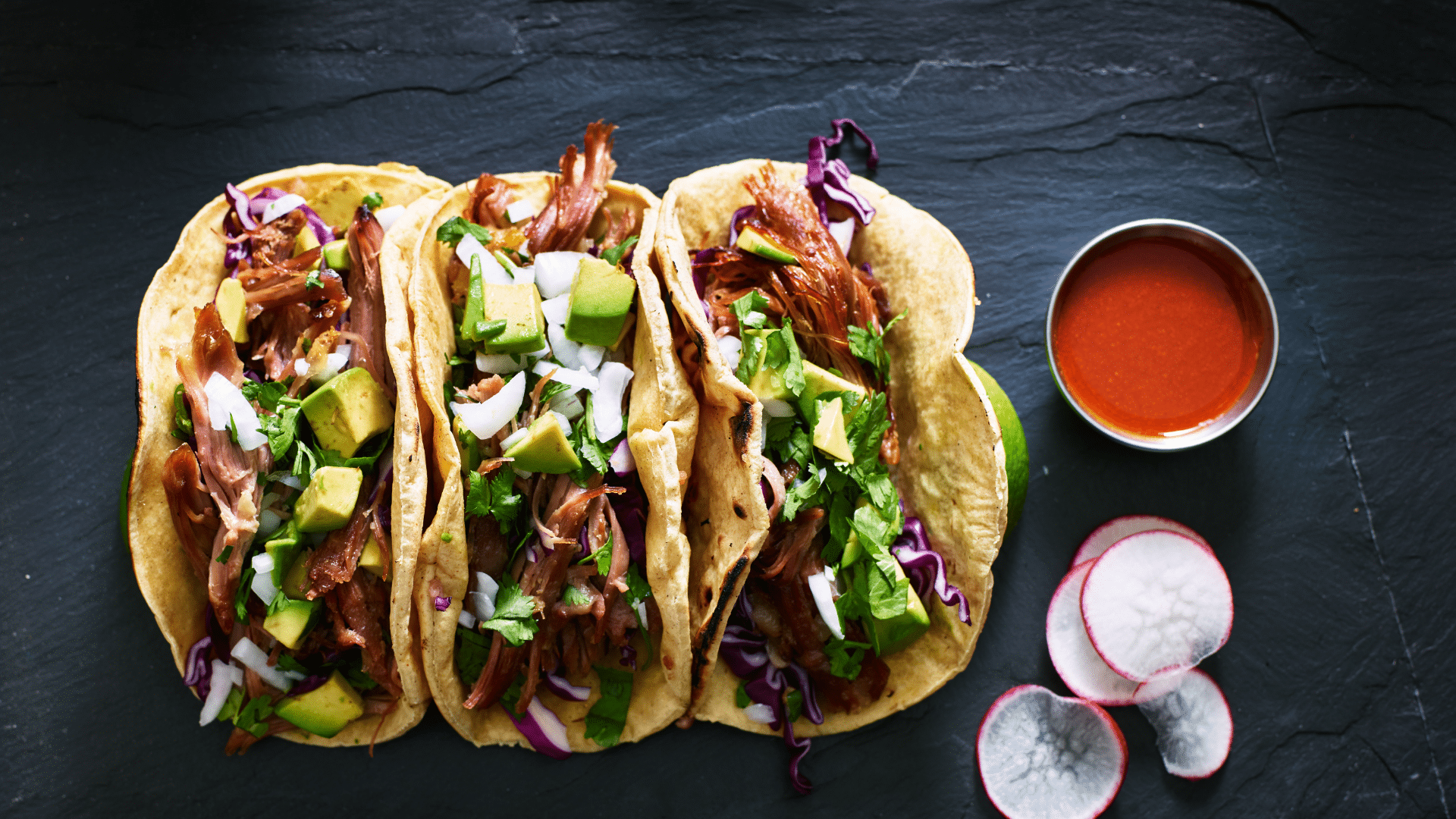
American diners increasingly seek meals that reflect personal preferences. Custom assembly models enable customers to adjust ingredients, accommodate dietary restrictions, and experiment with flavors in real time. Mexican cuisine excels in this area, offering combinations that range from lighter vegetable based bowls to protein rich plates.
Lifestyle trends also influence momentum. Portable formats such as tacos and burritos suit on the go consumption, shared dining, and varied eating schedules. Fresh ingredients like beans, rice, vegetables, and grilled meats reinforce a perception of balance without sacrificing taste.
The growing preference for Mexican food signals a broader transformation in how Americans approach dining. Familiar classics remain relevant, yet loyalty is no longer automatic. Consumers prioritize flexibility, affordability, and experience. Pizza continues to hold cultural significance, but its dominance has softened as Mexican cuisine aligns closely with contemporary expectations.

