Skyrocketing McDonald’s Prices Are Pushing Low-Income Customers Away
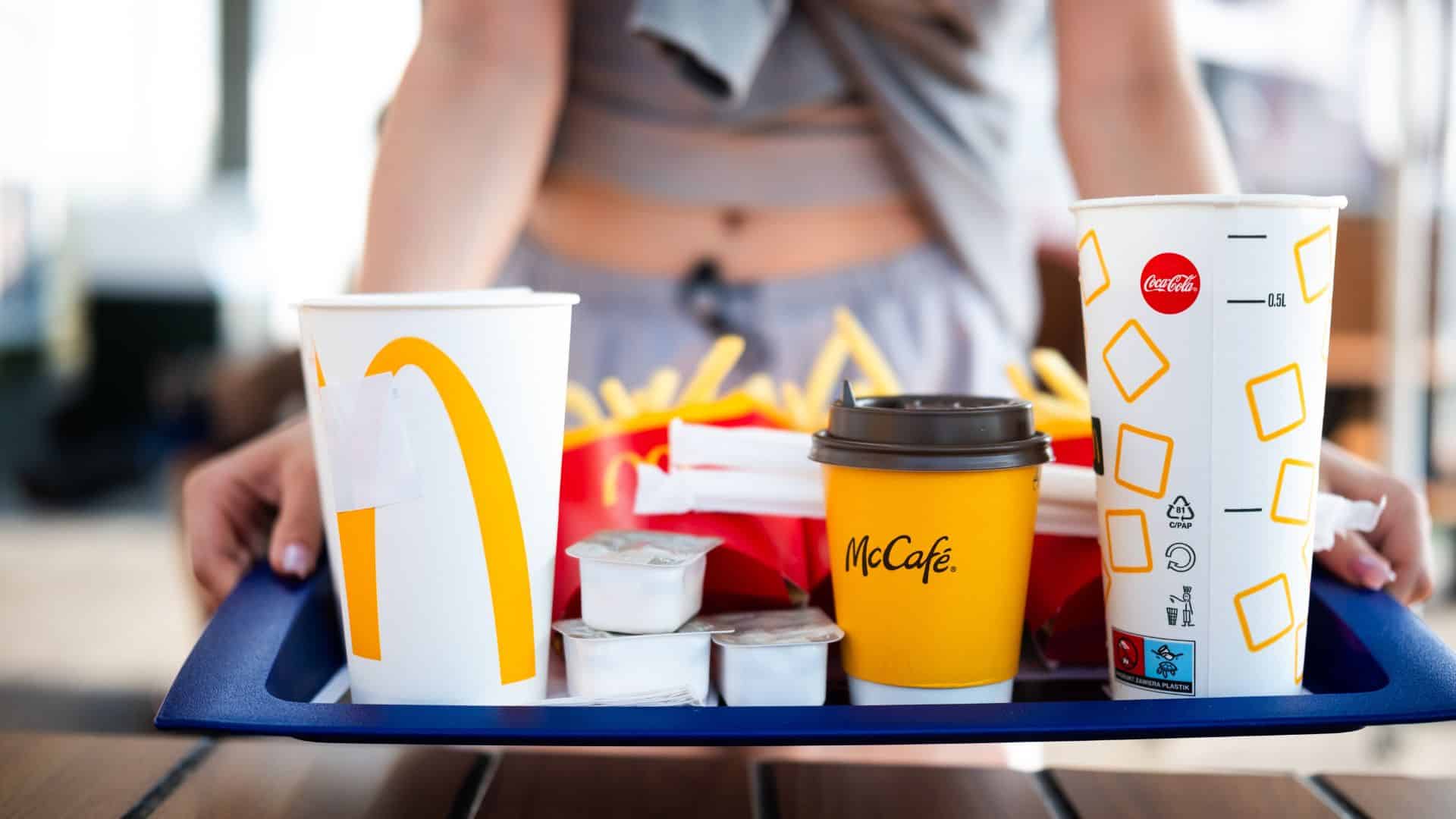

McDonald’s recent results tell a complex story, higher receipts paired with falling visits from budget-conscious diners. The data and commentary from business shows suggest rising average checks are masking a steady erosion of the customer segment that once relied on the chain’s value offers. Below are concise, focused paragraphs that unpack what’s happening, why it matters, and what the company is trying to do about it.
The earnings snapshot
Same-store sales are modestly higher, yet profits feel constrained because rising prices have not translated into more frequent visits. In short, revenue per transaction is up, while the number of transactions from price-sensitive households is shrinking.
Perception of value
When menu items that once felt inexpensive now carry double-digit totals, the mental contract between buyer and brand breaks. Customers judge more by perceived savings than by exact cents, and losing that impression erodes routine purchases.
Behavioral split in customers
A clear divide has emerged, where financially resilient patrons continue spending, and families under pressure reduce casual dining. This polarization reshapes who shows up at counters and drive-thrus across markets.
Visible menu changes

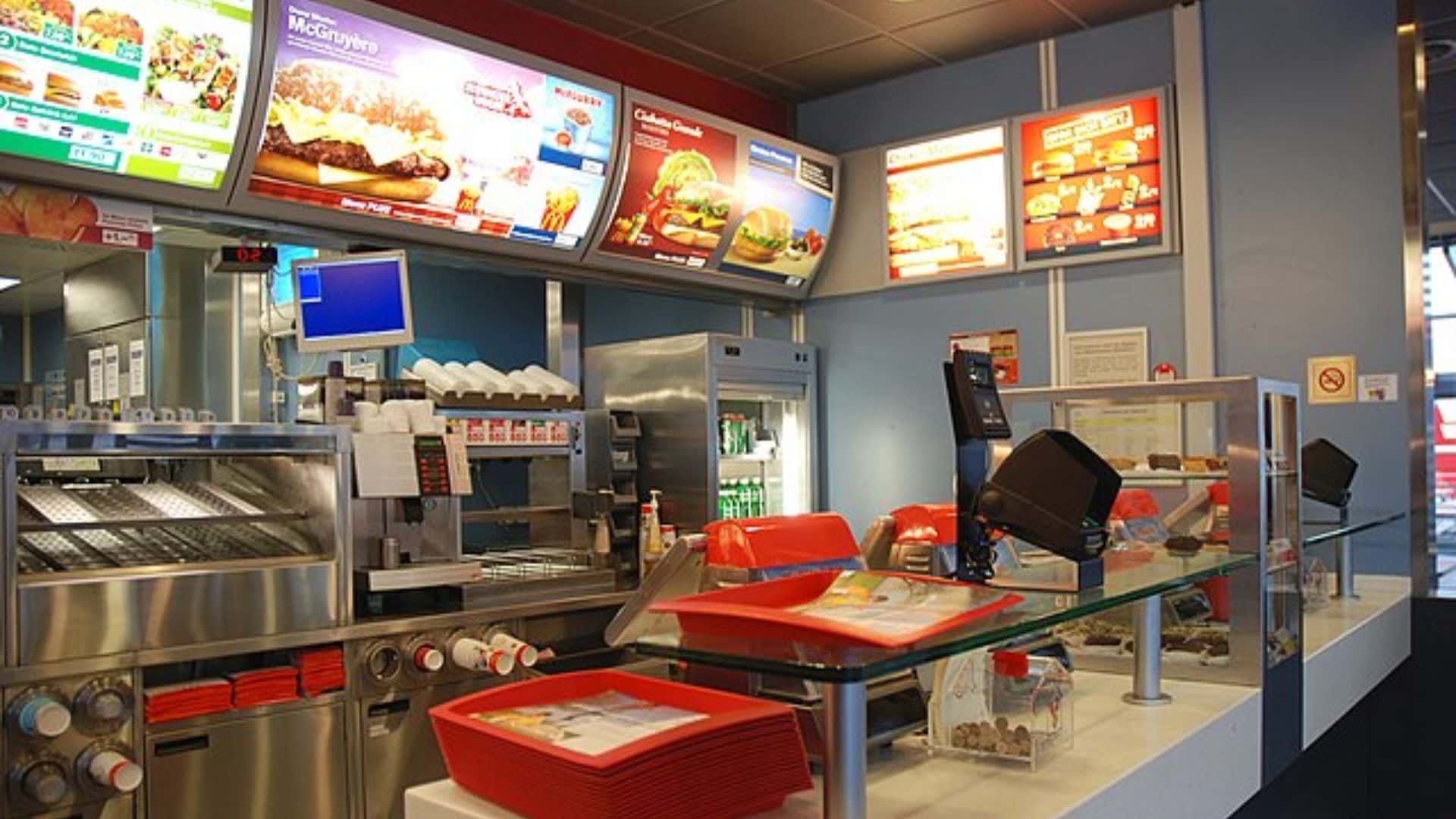
Simple observations at restaurants confirm the trend, because combo listings and promoted bundles appear pricier in many regions. That visible shift reinforces the idea that the chain’s baseline offering is no longer aimed at the most budget-aware guests.
Alternative dining choices

Shoppers respond by cooking more meals at home, choosing grocery options, or buying individual items instead of combos. These small shifts add up, reducing habitual trips that once relied on a low-cost promise.
Operational cost pressures

Higher expenses for ingredients, wages, and utilities compress margins, meaning that even with larger checks, overall profitability can lag. Temporary promotions may move sales, but they do not erase underlying cost inflation.
Local pricing inconsistency
Franchise-level pricing differences create mixed experiences for customers, because corporate promotions do not always translate into the same perceived value locally. When guests feel singled out by price, brand loyalty weakens.
Experimentation with new offers
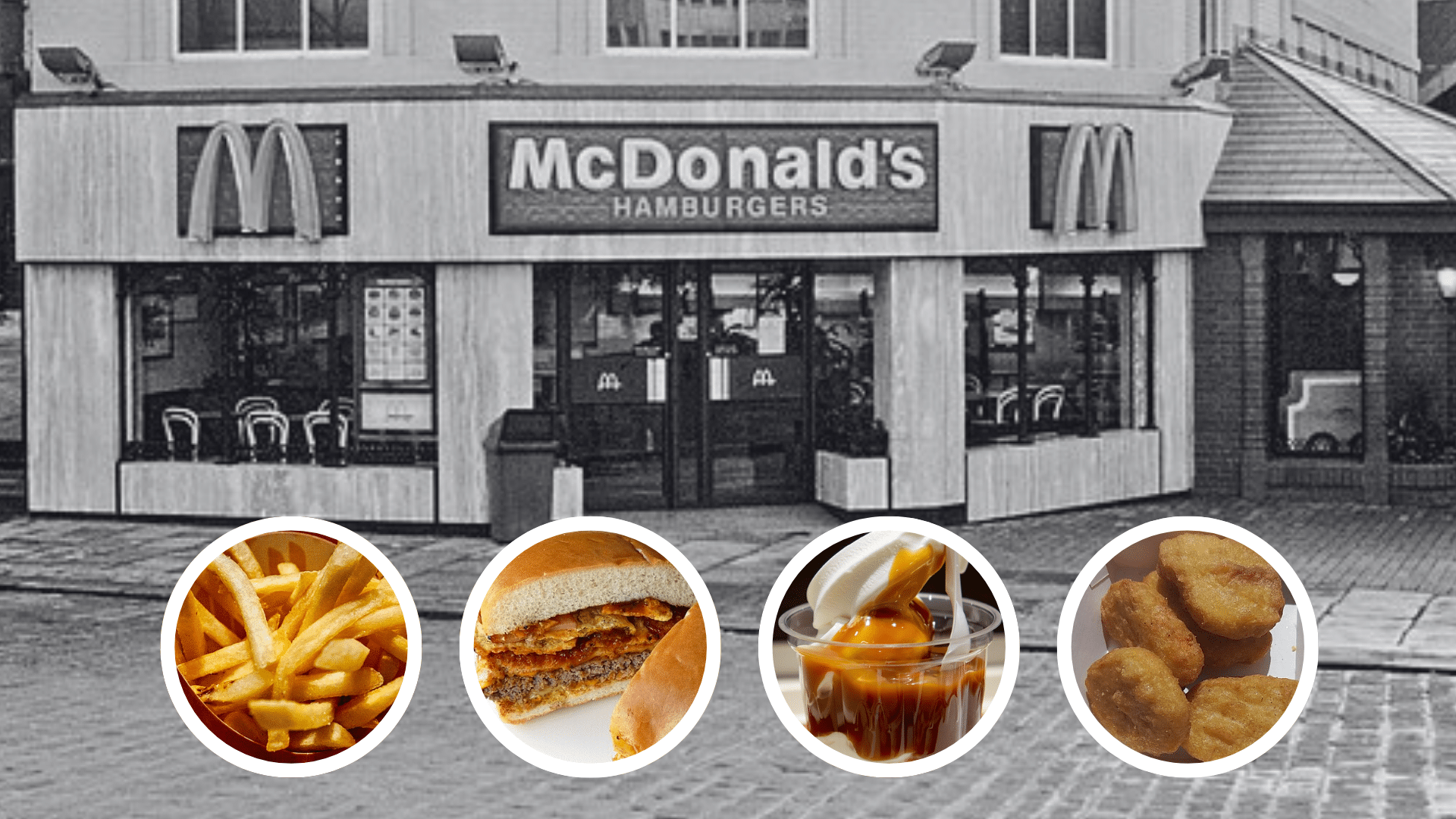
McDonald’s is testing low-priced bundles and specialty beverages to attract foot traffic during slow dayparts, hoping inexpensive drinks or app deals can restore frequency. These pilots aim to reestablish simple, repeatable reasons to visit.
Brand risk and recovery
If price hikes coincide with declining quality or portion concerns, customers may permanently re-rank competitors ahead of McDonald’s. To reverse that, the chain needs consistent, honest price points and dependable service.
A practical path forward

Re-anchoring the brand around everyday affordability means clear pricing, reliable portions, and frictionless app incentives that consistently reward repeat purchases. Small, dependable wins are more effective than flashy, short-lived promotions.
Conclusion
Rising checks do not fully make up for a diminished base of budget diners, and that gap has been widening for about two years. For a brand built on accessibility, restoring perceived value and everyday trust is the most durable route back to steady traffic and enduring profitability.
