McDonald’s is rethinking soda fountains, and it could reshape the fast-food experience

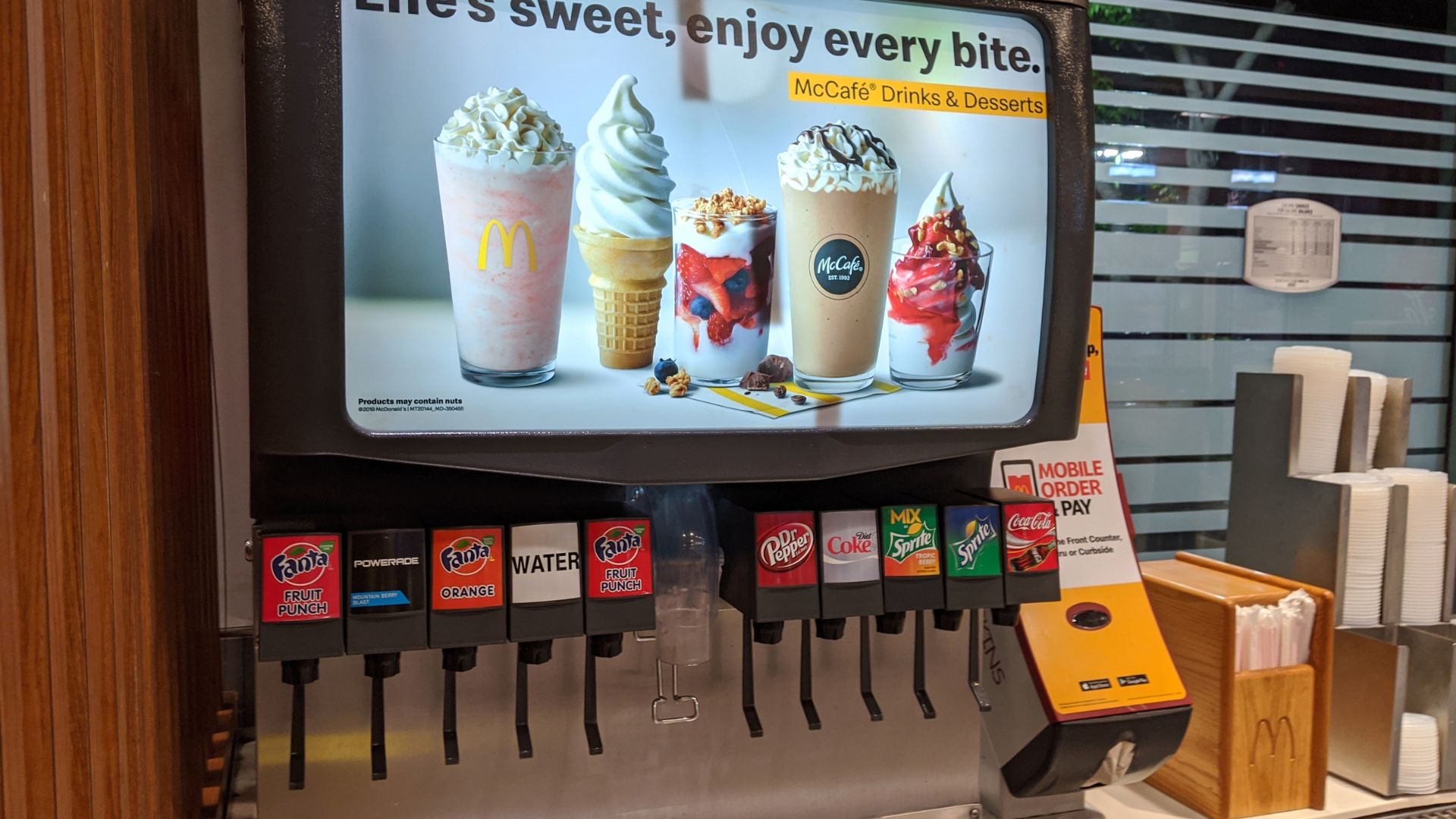
Across the United States, a subtle but meaningful transformation is unfolding inside McDonald’s restaurants. Customers who once walked up to fill their own drinks are beginning to notice empty counter space where soda fountains used to stand. This is not an isolated experiment but part of a long-term operational shift that reflects broader changes in consumer behavior, technology, and the economics of fast food. What may appear to be a simple equipment removal actually signals a deeper evolution in how quick-service restaurants are designed and managed.
The Quiet Disappearance of Self-Serve Stations
For decades, self-serve beverage stations were embedded in the McDonald’s dining ritual, offering guests the freedom to adjust ice levels, mix flavors, and refill at will. That autonomy is gradually fading as locations across multiple states begin phasing out the machines. The transition is expected to unfold over several years, culminating in a nationwide change by 2032, which underscores the scale and strategic planning behind the decision rather than a spontaneous operational tweak.
A Gradual, Nationwide Rollout
The removal process is unfolding in stages, with some restaurants already completing the shift while others prepare for redesigns in the coming years. This extended timeline reflects logistical complexity, including plumbing modifications, equipment removal, staff retraining, and interior reconfiguration. Social media posts from customers in regions such as Pennsylvania and Florida reveal how visible this transition has become, reinforcing that the change is not hypothetical but actively underway.
Operational Consistency Across Every Channel
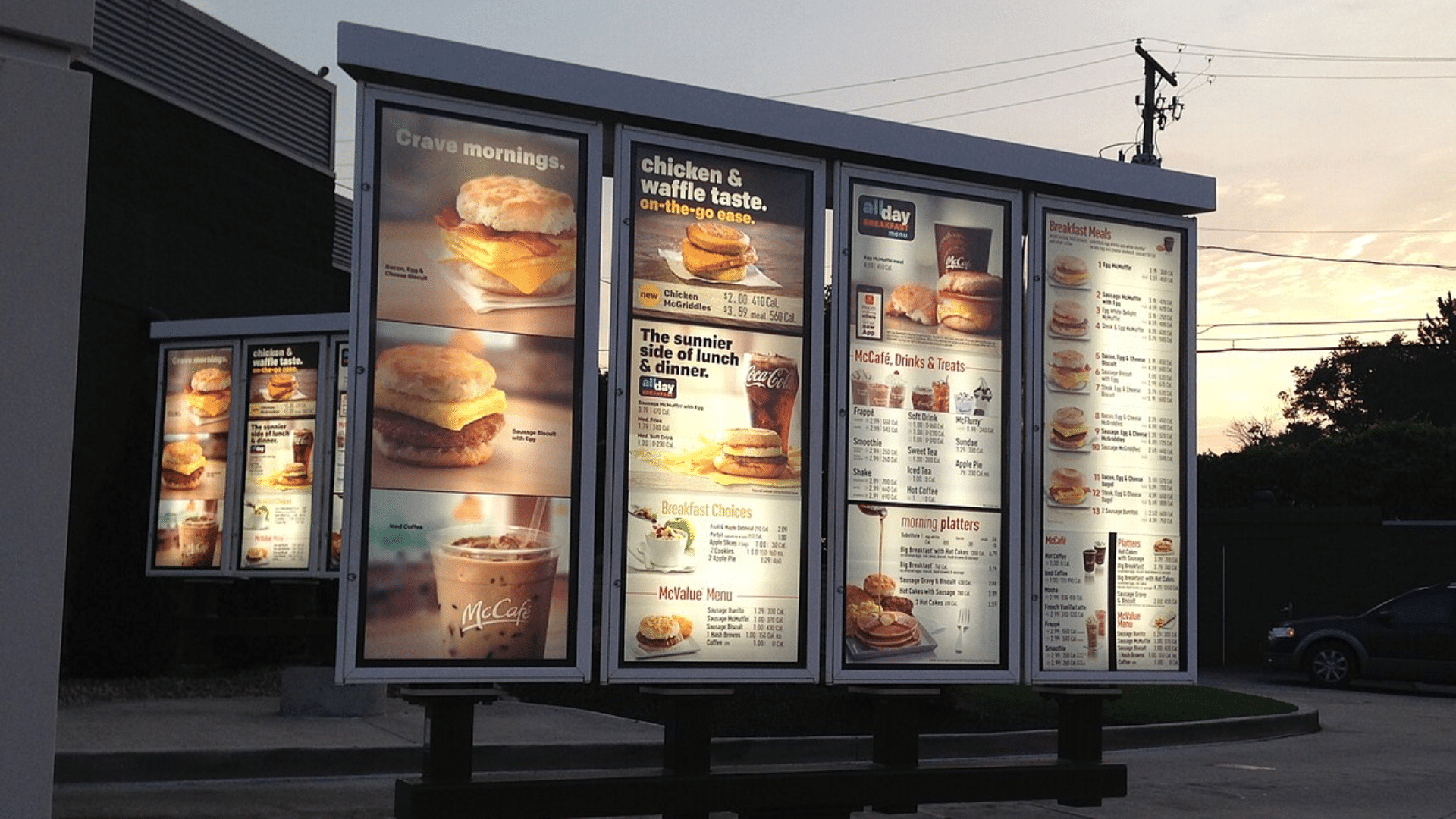
According to company statements, the move aims to standardize beverage service across all ordering formats, whether in-store, at kiosks, through the mobile app, via delivery, or at the drive-thru. Because employees already prepare drinks for off-premise orders, extending that model to dine-in guests creates procedural uniformity. From a corporate operations perspective, consistency simplifies workflows and ensures the same service model regardless of how customers place their orders.
Health, Hygiene, and Post-Pandemic Awareness
Food safety considerations also play a central role in the decision. Shared drink stations require constant maintenance, and high-touch surfaces can raise sanitation concerns, especially in a post-COVID environment where customers remain sensitive to cleanliness. By moving beverage preparation behind the counter, restaurants limit public contact with equipment and reduce potential contamination points, aligning with heightened expectations around public health standards.
Loss Prevention and Inventory Control
Franchise operators have noted that open-access soda machines can invite misuse, including unpaid refills or cup sharing. When drinks are dispensed exclusively by staff, monitoring product flow becomes more precise, helping owners manage costs and reduce shrinkage. While individual beverages are inexpensive to produce, incremental losses across thousands of transactions can accumulate significantly over time, making tighter control financially meaningful.
The Financial Logic Behind the Shift
Soft drinks have long been one of the highest-margin items in quick-service restaurants, with production costs measured in cents and retail prices generating substantial returns. Even small operational adjustments can translate into millions of dollars annually across a nationwide system. By centralizing beverage distribution, franchisees gain greater visibility into consumption patterns and potential waste, reinforcing the business rationale behind eliminating self-serve access.
Changing Consumer Behavior and Dining Habits
The broader context is a dramatic shift in how customers interact with fast food. Drive-thru, digital ordering, and delivery now account for a significant portion of total sales, while dine-in traffic continues to decline compared to pre-pandemic levels. As restaurant footprints evolve to prioritize pickup and mobile orders, dedicating valuable floor space to self-serve stations becomes harder to justify. The physical layout of modern locations increasingly reflects speed and convenience over in-store experience.
Customer Experience and the Refill Question
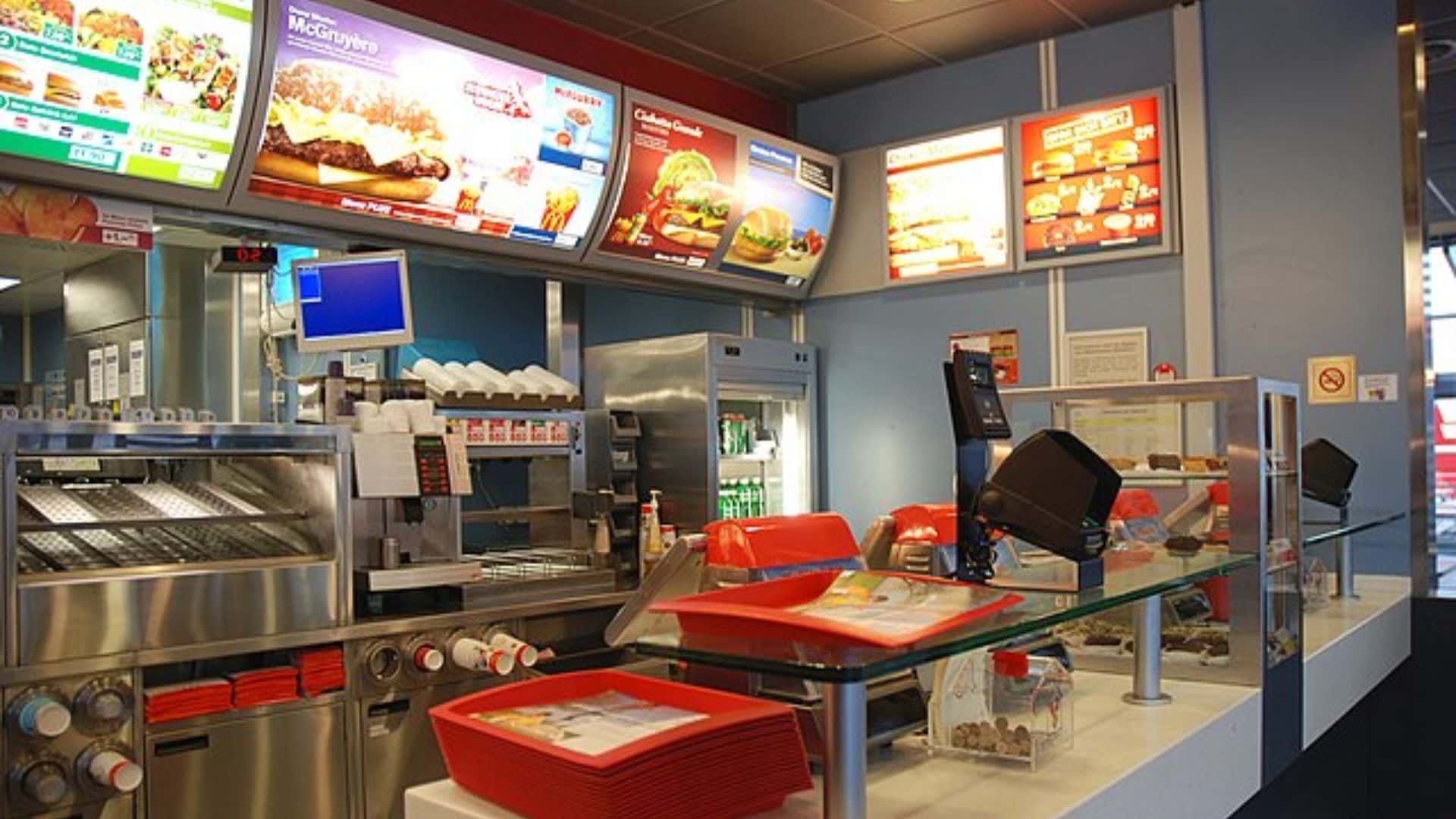
The removal of soda fountains alters small but meaningful aspects of the customer journey. Guests must now request refills from staff, potentially increasing wait times during busy periods. Additionally, the ability to customize flavor combinations or precisely control ice ratios disappears, which may diminish the sense of personalization some patrons appreciated. In certain cases, hygiene protocols may require issuing new cups for refills, raising concerns about additional waste and environmental impact.
Automation and Smart Beverage Systems
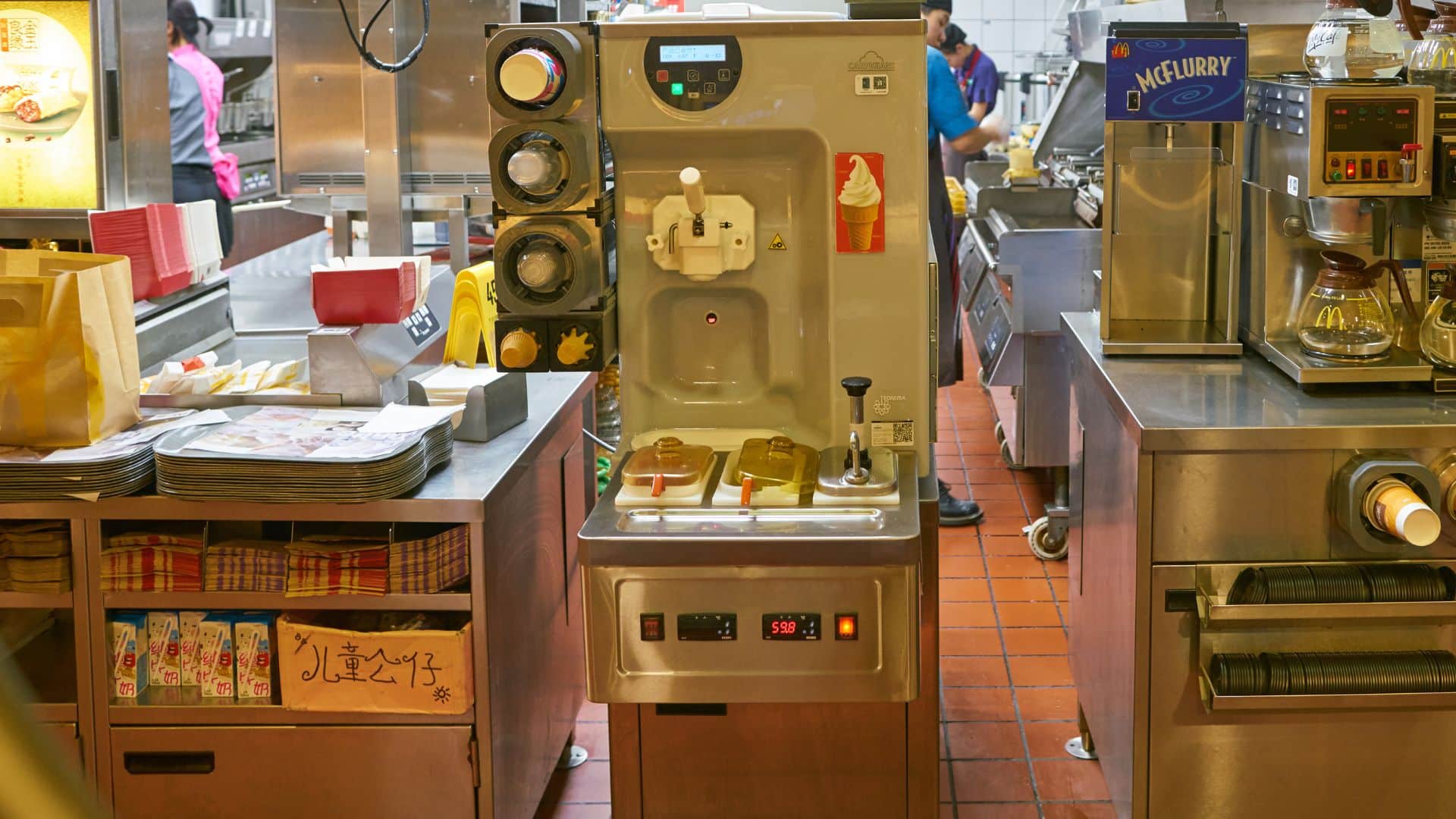
Behind the counter, automated drink-dispensing technology is becoming part of a broader digital transformation strategy. Advanced systems can fill cups to programmed levels based on order data, reducing manual errors and integrating beverage preparation into a data-driven workflow. This aligns with wider investments in AI-enabled kitchen equipment, IoT monitoring, and operational analytics, positioning McDonald’s not only as a food retailer but as a technology-focused enterprise optimizing every step of service.
An Industry-Wide Ripple Effect
Industry analysts, including leaders at Foodservice Results, suggest that competitors often follow McDonald’s strategic moves after observing performance outcomes. Other chains such as Panera Bread and regional operators have already experimented with relocating drink stations behind counters. If the transition proves financially and operationally successful without significantly harming customer loyalty, similar changes could spread throughout the quick-service sector, marking the gradual end of self-serve soda fountains as a defining feature of fast food dining.