Olive Garden Rival Shuts Down Nearly All Locations, Closing 210 Stores Across the U.S.
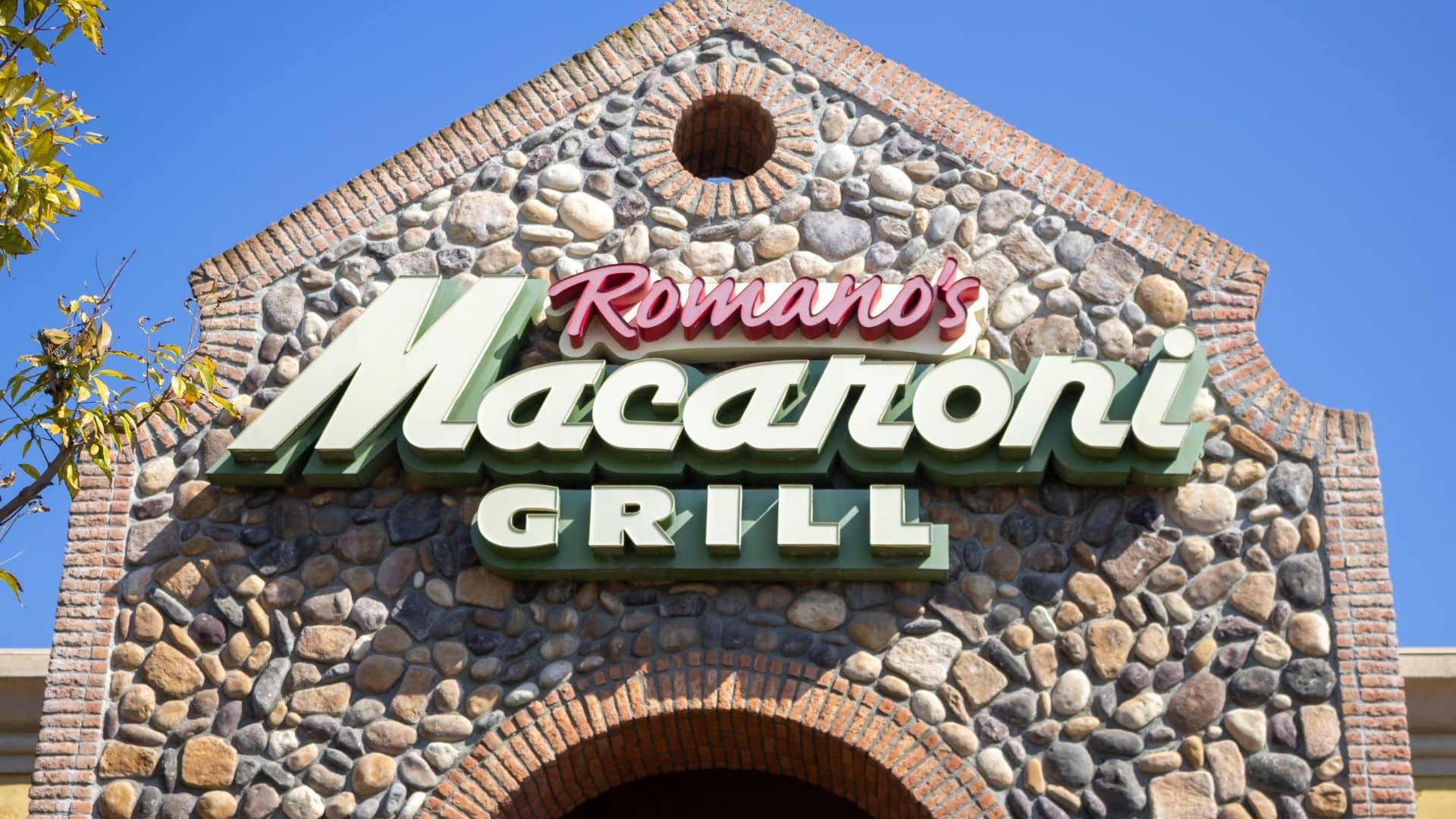

The final closures of Romano’s Macaroni Grill signal a decisive shift in the American casual dining landscape. Once a recognizable alternative to Olive Garden, the brand has reduced its national presence to just nine operating restaurants. What was once a lively, family-oriented destination has quietly stepped away from hundreds of communities across the country.
For years, the chain thrived on a warm atmosphere and a menu designed to appeal to shared moments around the table. Its rapid expansion during the early 2000s positioned it as a serious competitor within Italian casual dining. However, growth alone proved insufficient in a market increasingly shaped by economic pressure and evolving consumer priorities.
As dining habits changed and costs rose, the model that once fueled success began to show its limits. The closures reflect more than a business decision, they capture a broader transformation in how and where Americans choose to eat.
A Rapid Rise Followed by a Steep Decline
Romano’s Macaroni Grill began its journey in 1988, founded in Texas with a clear vision of accessible Italian dining paired with a vibrant in-store experience. By 2004, the chain had reached its peak, operating 219 restaurants nationwide and generating hundreds of millions in annual revenue. At its height, it represented a booming era for sit-down casual dining.
Over time, however, operational complexity and shifting market dynamics eroded that momentum. By the mid-2010s, signs of strain became increasingly visible as competition intensified and consumer expectations evolved. The once-expansive footprint steadily contracted, leaving fewer locations able to sustain profitability.
By January 2026, the brand’s presence had narrowed dramatically. What remained was a symbol of how quickly success can fade when adaptability fails to keep pace with change.
Costs, Competition, and the Human Impact
Between 2020 and 2025, rising operational expenses reshaped the restaurant industry. Menu prices across major chains climbed significantly, outpacing general inflation and forcing diners to reassess value. Many households responded by favoring faster, more affordable dining options, placing traditional casual restaurants under increasing pressure.
Romano’s Macaroni Grill was not immune to these forces. Financial challenges, including debt obligations and staffing costs, compounded existing struggles. Bankruptcy proceedings in 2017 revealed structural weaknesses that proved difficult to overcome, even after restructuring efforts.
The closures carried a human toll as well. With hundreds of restaurants shutting down across multiple states, thousands of employees faced job displacement. For many communities, the loss extended beyond a dining option, affecting local employment and supplier networks.
An Uncertain Future for a Once-Prominent Brand
While Romano’s Macaroni Grill receded, competitors like Olive Garden adapted by leveraging scale, operational efficiencies, and brand consistency. Others in the same segment faced similar challenges, highlighting how unforgiving the casual dining sector has become. Survival increasingly depends on flexibility and perceived value.
Recent leadership changes and strategic experiments suggest an attempt to redefine the brand’s path. Licensing agreements for retail products and the opening of a limited number of new locations point toward diversification rather than large-scale recovery. Still, the reduced footprint raises questions about long-term viability.
The story of Romano’s Macaroni Grill serves as a case study in transformation and caution. Whether the brand can reinvent itself or quietly fade from public memory will depend on its ability to align with modern dining expectations in a market that no longer rewards nostalgia alone.