‘Snackified Seafood’ Is Coming in 2026, Because Dining Now ‘Needs a Story Not Just Taste’
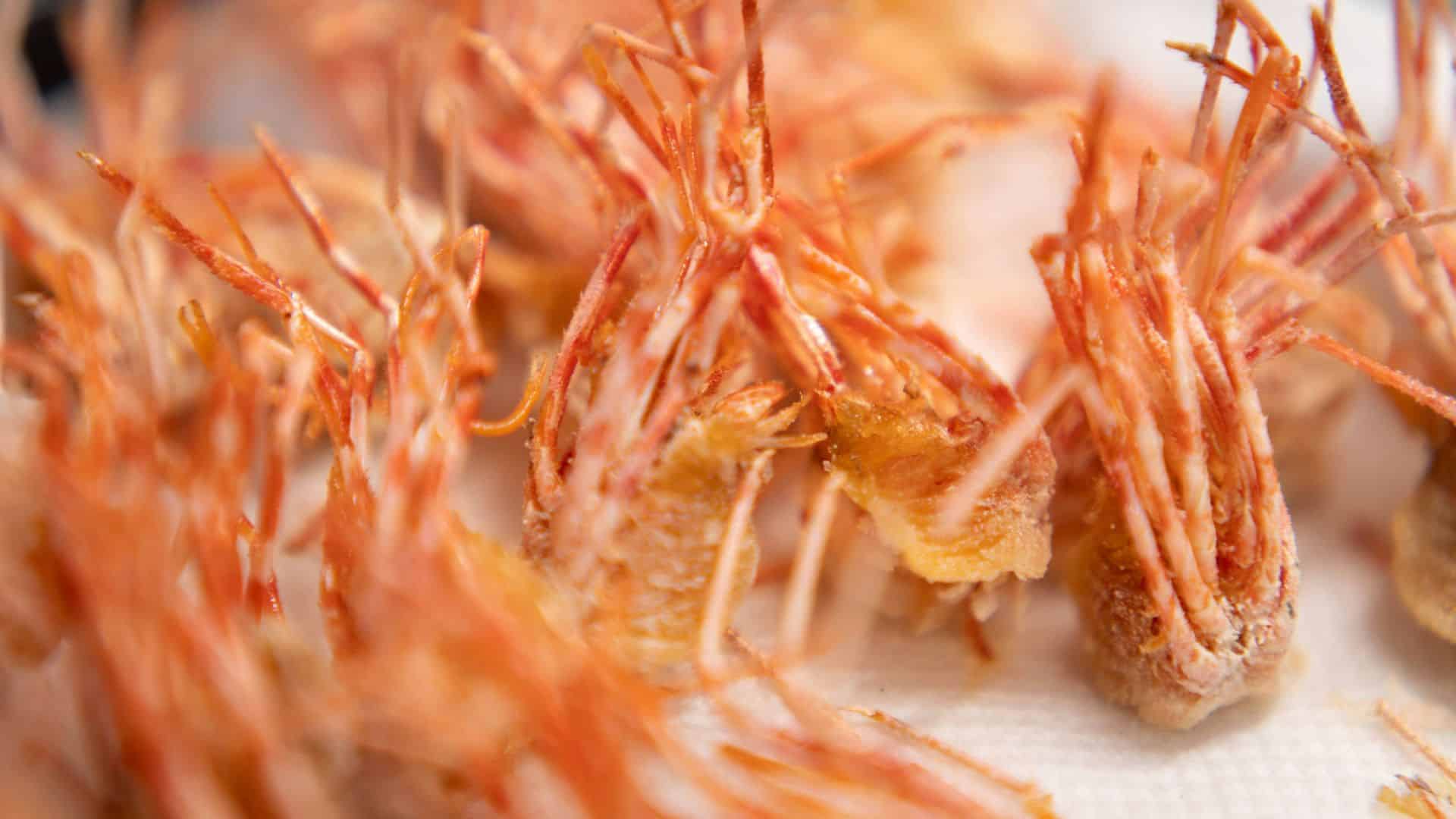

Protein still draws attention across menus, yet the way diners approach it keeps changing as eating habits bend toward flexibility and speed. Seafood now enters that conversation through snacks rather than center plates, which explains why small formats feel familiar rather than novel. Interest in compact, salty, and sweet seafood bites keeps rising as people look for food that fits between meals and still feels intentional. That pattern opens space for chefs and producers to rethink how fish shows up in daily routines.
In Connecticut, that rethink already shows up in kitchens where invasive Asian shore crabs turn into brittle and where kelp becomes chips or candy. Those ideas connect neatly with consumer data showing rapid growth in seafood snacks and tinned fish, especially among younger diners. Chefs describe these foods less as experiments and more as responses to how people actually eat now, which favors portability, texture, and repeatable flavors. Seafood slides into snack form without asking diners to change how they move through a day.
At the same time, diners increasingly look for food tied to a specific place and a clear human voice. Hyperlocal sourcing, regional techniques, and personal histories now travel with each dish, giving snacks a context beyond flavor. That combination of convenience and connection shapes how seafood snacks gain traction, setting the stage for a year where eating small still carries meaning.
Seafood Snacks and Tinned Fish Move Into Everyday Eating
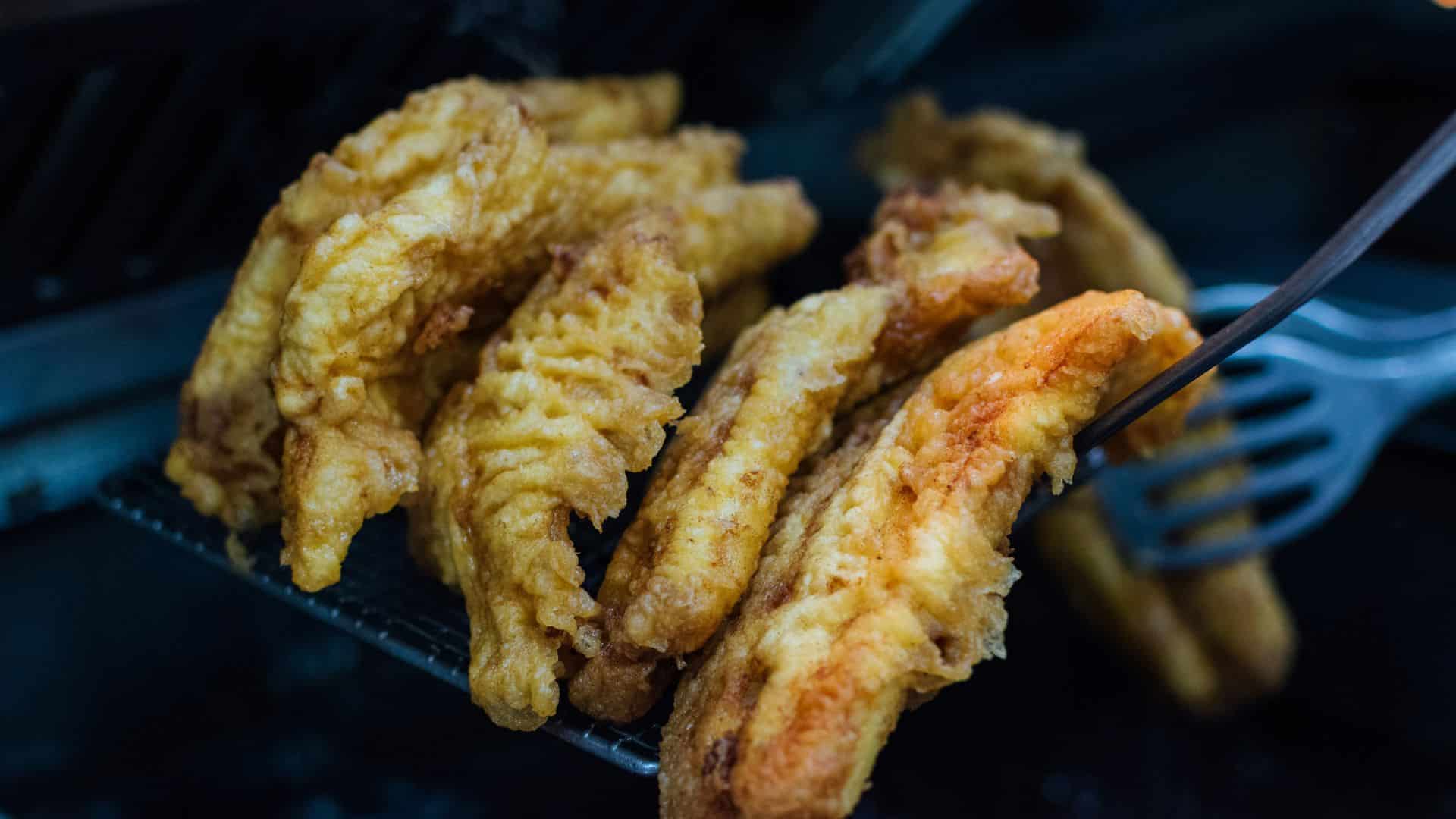
Seafood increasingly shows up in snack form as eating habits lean toward smaller portions that fit between meals. That pattern appears across Connecticut menus where chefs talk about fish sticks, skin crisps, kelp chips, and candied kelp as foods people reach for casually. Interest data supports that visibility, with seafood snacks and tinned fish drawing steady attention, especially among younger diners who treat them as routine rather than novelty.
That momentum connects directly to how chefs describe their kitchens right now. David Standridge of The Shipwright’s Daughter and Mystic Fish Camp said, “Fish sticks are our favorite snack right now,” then pointed to kelp-based items sourced entirely from Connecticut as natural extensions of that idea. Tinned fish follows the same logic since it offers shelf stability, portability, and a sense of familiarity that lines up with everyday eating. Brands and menus benefit from that accessibility as seafood steps away from formal dining expectations.
Snack-sized seafood also pairs cleanly with protein-focused eating without asking diners to slow down or commit to a full meal. That ease helps seafood slide into daily routines while keeping texture and flavor front of mind. As a result, small formats become the most visible way seafood meets people where they already are.
Regional Sourcing and Cultural Narratives Shape Menu Decisions
Menus across Connecticut increasingly reflect where food comes from and how people talk about it. Chefs describe sourcing choices as part of the dining experience, especially when fish, kelp, or shellfish connect directly to nearby waters. That approach aligns with consumer data showing a 30% year over year rise in interest tied to food with regional history. As diners notice those details, meals begin to feel grounded rather than abstract.
That thinking extends beyond seafood into fats and proteins that carry their own backstory. David Standridge said sourcing locally remains a priority even when ingredients like tallow prove harder to find nearby. “At some point, I hope enough people are doing it that sourcing locally is no longer special,” he said, noting how customers and suppliers respond to that effort. Regional sourcing becomes a visible through line rather than a hidden decision.
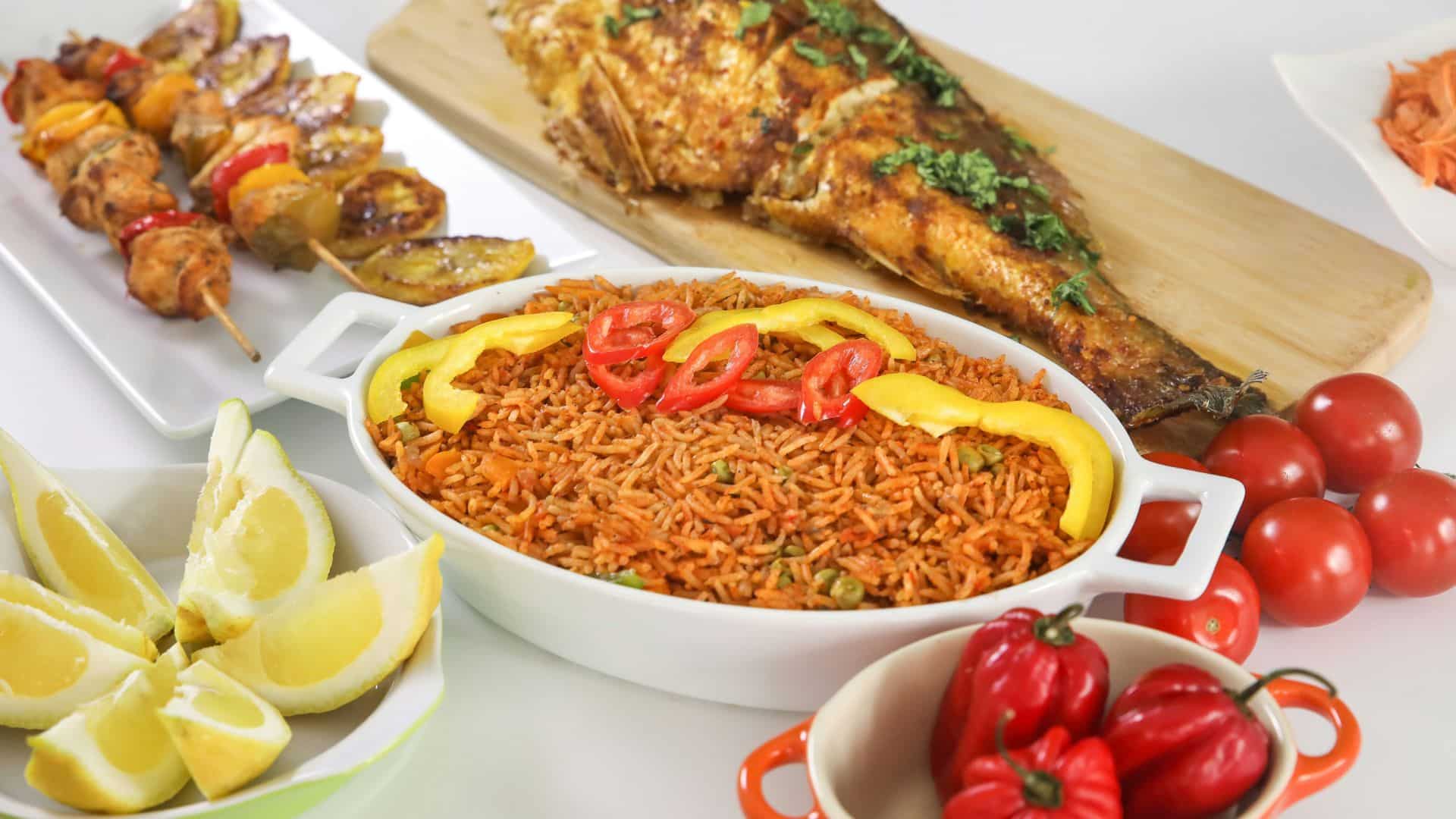
Cultural narratives follow the same path. At Kosy’s African Kitchen in New Haven, Kosarachi Okwunna ties each dish to specific Nigerian regions and family traditions. “People are becoming more interested in knowing the roots and stories behind the food they enjoy,” she said, pointing to how jollof rice, egusi soup, and fufu resonate with diners who value context alongside flavor.
How Food Stories Become Part of Daily Habits
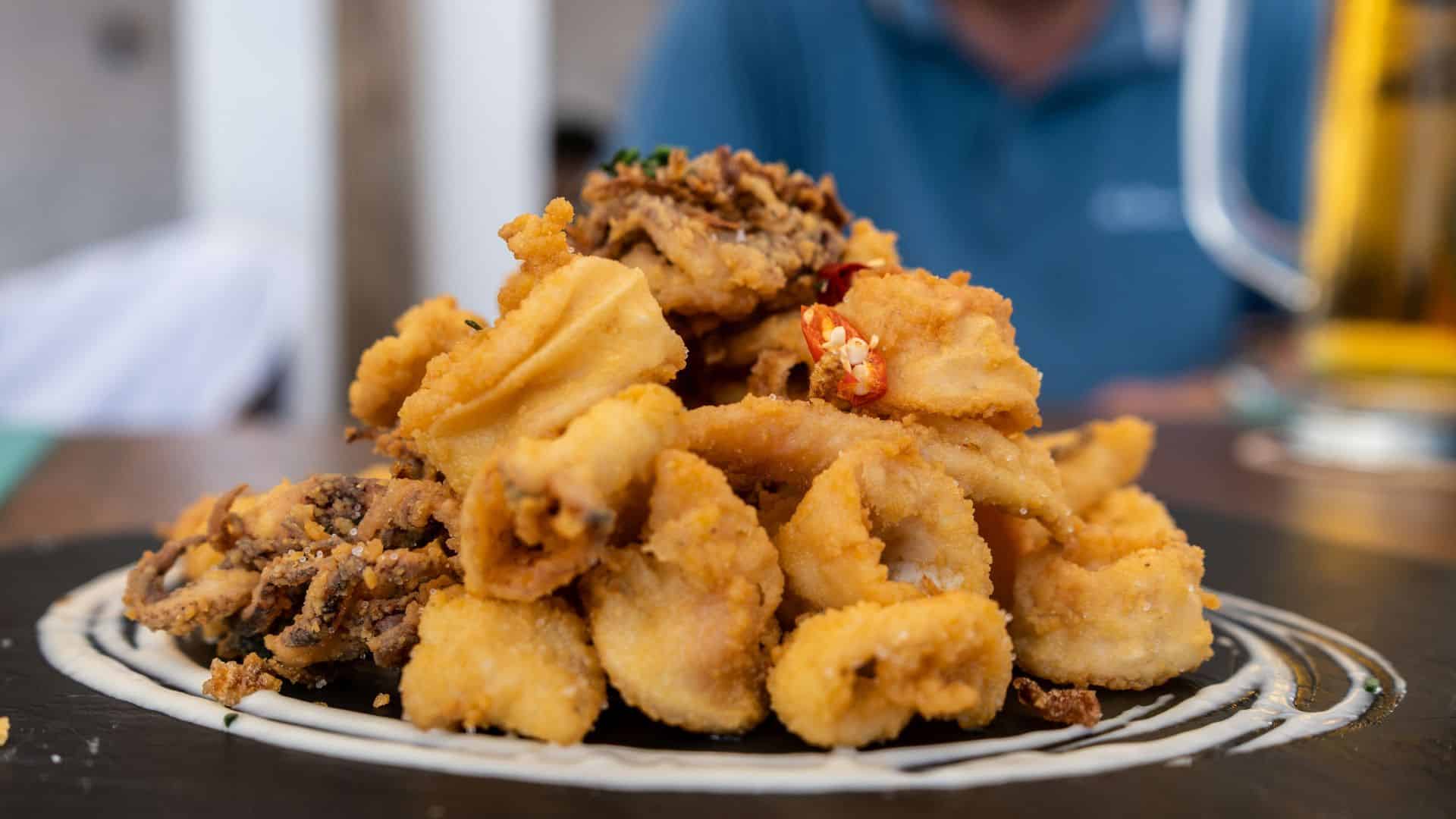
Dining trends heading into 2026 suggest that food choices increasingly align with how people see themselves rather than how they mark special occasions. Snacks built around seafood, regional sourcing, and cultural memory fit naturally into that pattern because they move easily through daily life. Eating becomes less about carving out time and more about continuity across workdays, commutes, and shared moments.
Restaurants respond by designing menus that speak clearly without requiring explanation. Smaller portions, preserved formats, and familiar textures allow diners to engage on their own terms while still absorbing context through sourcing notes, origin references, and personal histories attached to each dish. That clarity helps food function as communication rather than presentation.
Over time, these habits influence expectations beyond restaurants. Grocery shelves, prepared foods, and casual dining concepts begin to mirror the same logic as diners look for consistency across where they eat and how they shop. Food that carries a sense of place and intention travels further when it feels easy to return to. As that mindset settles in, stories no longer arrive as extras since they move alongside everyday eating without asking for attention.