Health Officials Confirm Virus Outbreak as Quarantines Begin


Health authorities in India have confirmed a new outbreak of the Nipah virus following several verified infections, prompting immediate monitoring and containment efforts. The situation has drawn international attention due to the virus’s high fatality rate and the absence of an approved cure or vaccine, factors that place it among the most serious infectious threats identified by global health organizations.
Officials have expressed particular concern about indications of transmission within healthcare facilities. Early assessments suggest that some infections may have occurred in hospital settings, increasing the level of risk for both patients and medical personnel. As a result, surveillance and preventive protocols have been reinforced across affected areas.
Public health teams are working to trace contacts and limit further spread. These early actions aim to reduce exposure while specialists continue to analyze how the virus is moving through the community and clinical environments.
Confirmed cases and containment measures

At least five Nipah virus cases have been confirmed in the eastern state of West Bengal. As a precaution, close to one hundred individuals who may have been exposed have been instructed to remain in home quarantine. Health authorities believe these measures are essential to prevent wider transmission while investigations continue.
Several infections have been linked to a multispecialty hospital in Barasat, located near Kolkata. Among those affected are healthcare workers, underscoring the challenges of controlling the virus in clinical settings. Local officials have acknowledged the seriousness of the situation, particularly given the critical condition of at least one infected nurse.
Testing efforts have expanded rapidly. Nearly two hundred people have been screened so far, with a smaller group identified as high-risk contacts placed under strict observation. Although initial tests have returned negative results, authorities plan to repeat testing before quarantine periods conclude to ensure no late-onset cases are missed.
Understanding the Nipah virus

Nipah virus is a zoonotic disease, meaning it can spread from animals to humans and also pass between people. Fruit bats are recognized as the natural carriers, while animals such as pigs can act as intermediate hosts, facilitating transmission to humans in certain settings.
Infection can occur through direct contact with infected animals, consumption of contaminated food products, or close interaction with someone carrying the virus. Because of these multiple transmission routes, outbreaks can be difficult to control once the virus enters human populations.
The World Health Organisation classifies Nipah as a high-risk pathogen with epidemic potential. Fatality rates are estimated to range from 40 to 75 percent, reflecting the severity of the illness. At present, treatment options are limited to supportive care, as no specific antiviral therapy or vaccine has been approved.
Symptoms and historical context
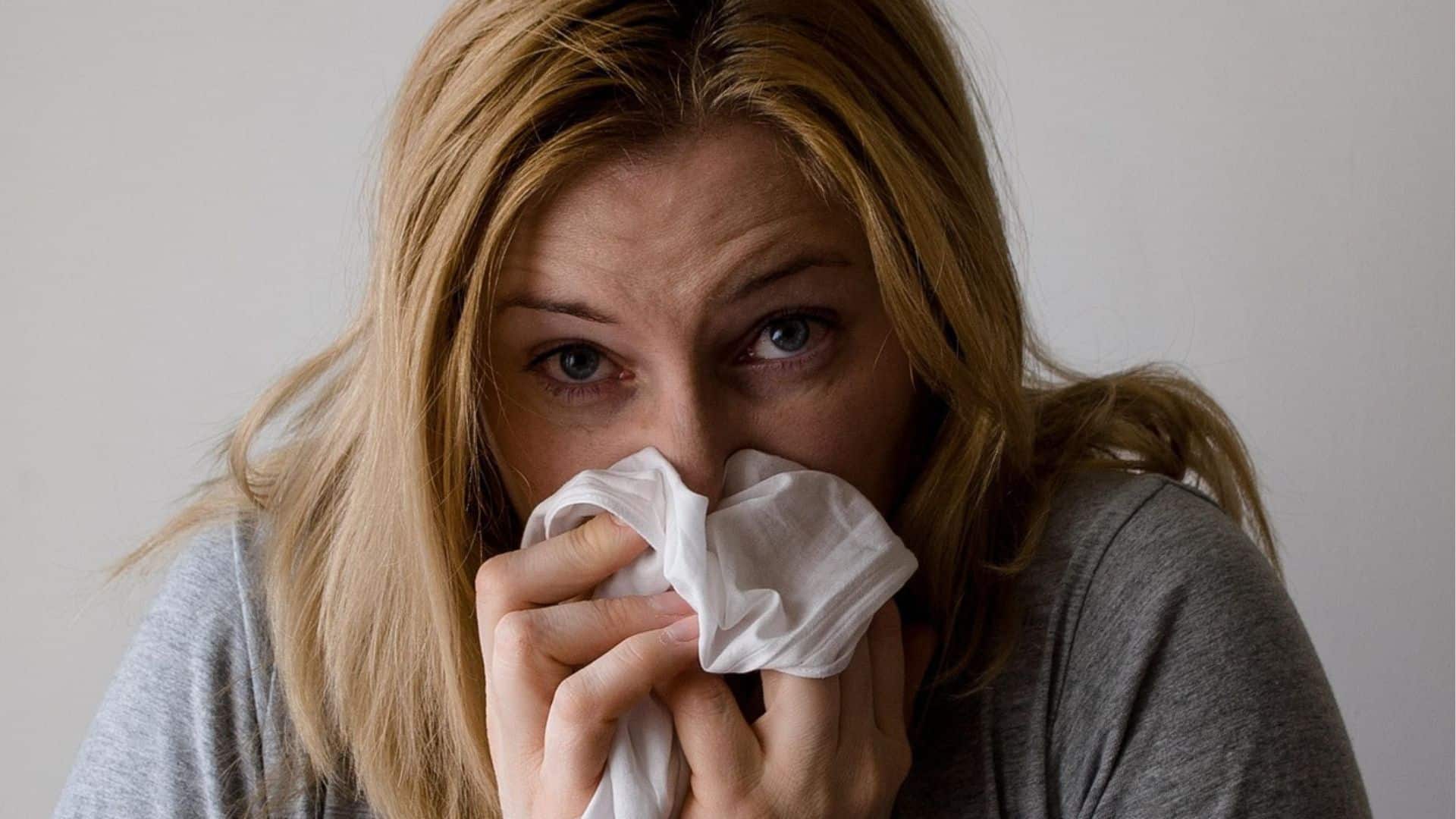
Symptoms associated with Nipah virus infection can vary significantly. Some individuals may remain asymptomatic, while others develop severe illness within a short period. Early signs often include fever, headache, muscle pain, vomiting, and sore throat, symptoms that can resemble those of more common infections.
As the disease progresses, neurological complications may emerge, such as dizziness, confusion, and extreme drowsiness. In more serious cases, patients can develop pneumonia, breathing difficulties, seizures, or encephalitis, with rapid deterioration sometimes leading to coma within days.
The virus was first identified in 1998 during outbreaks in Malaysia and Singapore. Since then, recurrent cases have been reported in parts of South Asia, particularly in Bangladesh and India. According to data compiled in 2024, hundreds of cases and several hundred deaths have been recorded worldwide, reinforcing the importance of early detection, transparent reporting, and swift public health responses.

