The Strange Stone Age Menu That’s Rewriting What Early Humans Ate


What did early humans actually eat? For years, the common picture was simple: meat, maybe some fish, and whatever else they could gather. But new research is challenging that idea in a big way. A recent study led by Dr. Lara González Carretero of the University of York suggests that Stone Age diets were far more varied and intentional than previously believed. Writing in findings covered by Talker News, researchers found that people living as far back as 6,000 BC were preparing “surprisingly complex” meals using a mix of plants, seafood, and animal products.
The key to this discovery lies in something most people would overlook: burnt food stuck to ancient pots. These “foodcrusts” have preserved microscopic traces of what people actually cooked and ate thousands of years ago. Instead of just analyzing fat residues, which mostly reveal animal products, scientists used high-powered microscopes to identify plant tissues like seeds, berries, and leaves embedded in the remains.
What they found tells a very different story. Early humans were not just surviving. They were choosing, combining, and preparing ingredients in ways that look a lot like early cuisine.
The Ingredients: Berries, Grains, Roots, and More
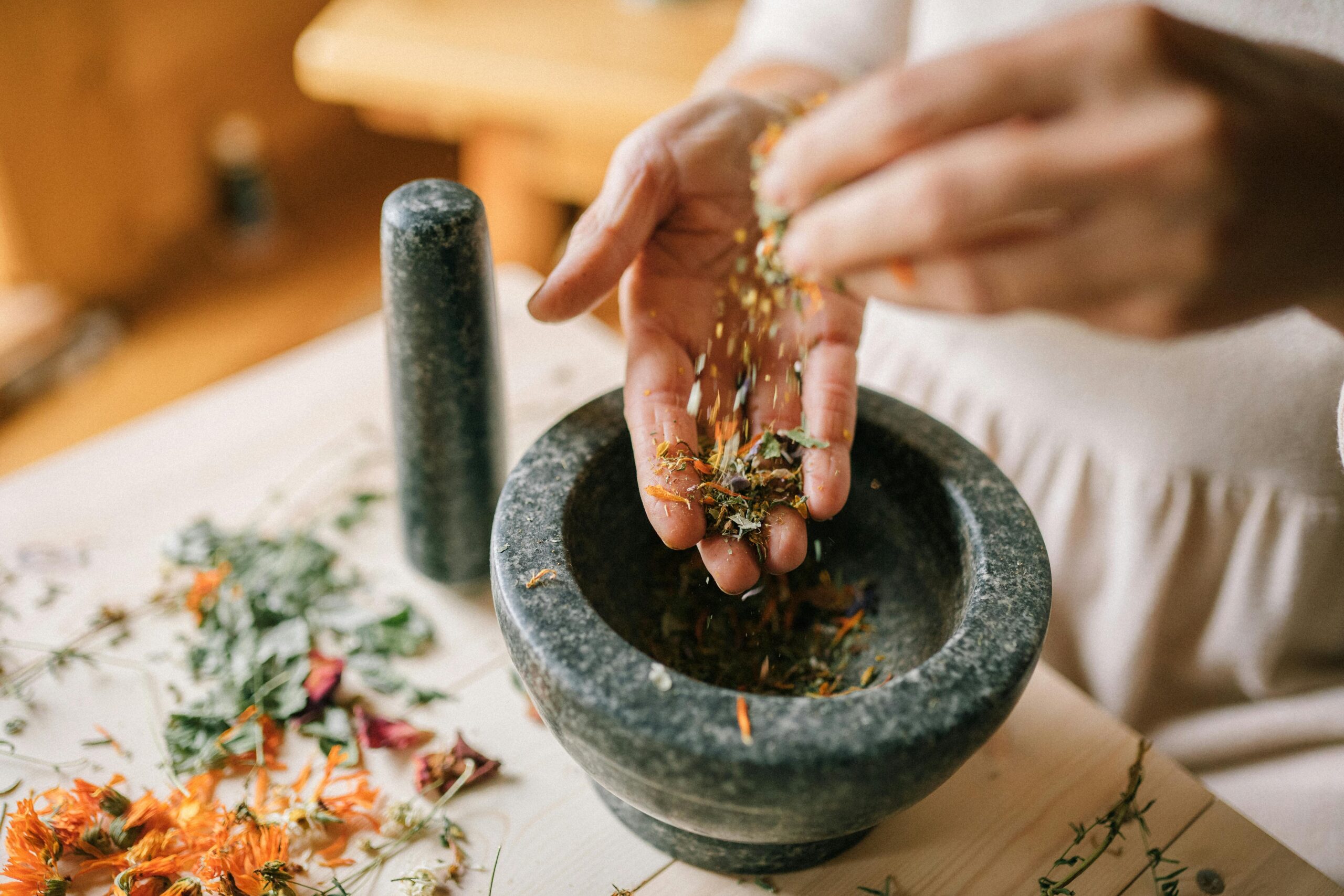
The study examined 85 pottery fragments from sites across Northern and Eastern Europe, and in 58 of them, researchers found clear evidence of plant ingredients. These included wild grasses, legumes, fruits, roots, tubers, and leafy plants. This directly challenges the long-standing belief that early diets were dominated by meat.
Writing in National Geographic, science journalist Carolyn Wilke explained that archaeologists had long struggled to detect plant consumption because plant residues are harder to identify than animal fats. But with new techniques, that gap is closing, revealing that plants were a regular part of daily meals. In fact, archaeologist Dimitri Teetaert of Ghent University noted that plant foods appear to have been “omnipresent” in these cooking traditions, showing up across multiple sites and cultures.
Even more interesting is how these ingredients were used. They were not just thrown together randomly. They were carefully selected, often combined with fish or other animal products to create specific flavors and textures.
Recipes That Sound Surprisingly Modern

Some of the combinations uncovered by researchers sound unexpectedly familiar. At several sites, people cooked freshwater fish with berries such as guelder rose, creating mixtures that may have balanced sweetness and acidity. To test this, researchers recreated some of these recipes using replica pottery. Oliver Craig, an archaeological scientist at the University of York, told CNN that combining fish with these berries actually improved the flavor. The berries, which taste bitter on their own, became “sweeter” and “quite pleasant” when cooked with fish.
Other combinations included wild grasses and legumes mixed with fish, or leafy plants stewed alongside animal products. These were not random choices. According to Craig, the evidence shows that people were “remarkably selective” about which ingredients they used.
Different regions even had their own culinary preferences. Some communities favored berries with fish, while others leaned toward grains or specific plant families. These patterns suggest that early humans were developing regional food traditions long before agriculture took hold.
A New Way of Thinking About Early Humans

This research is changing more than just what we think people ate. It is reshaping how we understand early human behavior. Cooking was not just about survival. It was about choice, culture, and even enjoyment. As Dr. González Carretero explained in the Talker News report, these findings highlight “the important role of plants and aquatic foods” and show that early communities had their own culinary traditions.
The study also shows that traditional methods may have overlooked a huge part of the story. By focusing mainly on animal fats, researchers missed the plant-based side of ancient diets. Looking closely at food crusts has helped bring those forgotten ingredients back into view.
Perhaps the most surprising takeaway is how familiar it all feels. Mixing ingredients, experimenting with flavors, and developing local food traditions are not modern habits. They were already happening thousands of years ago. And in a way, that makes the Stone Age menu feel a little less distant and a lot more human.