74-Year-Old Grocery Chain Shuts Stores as Shopping Habits Shift
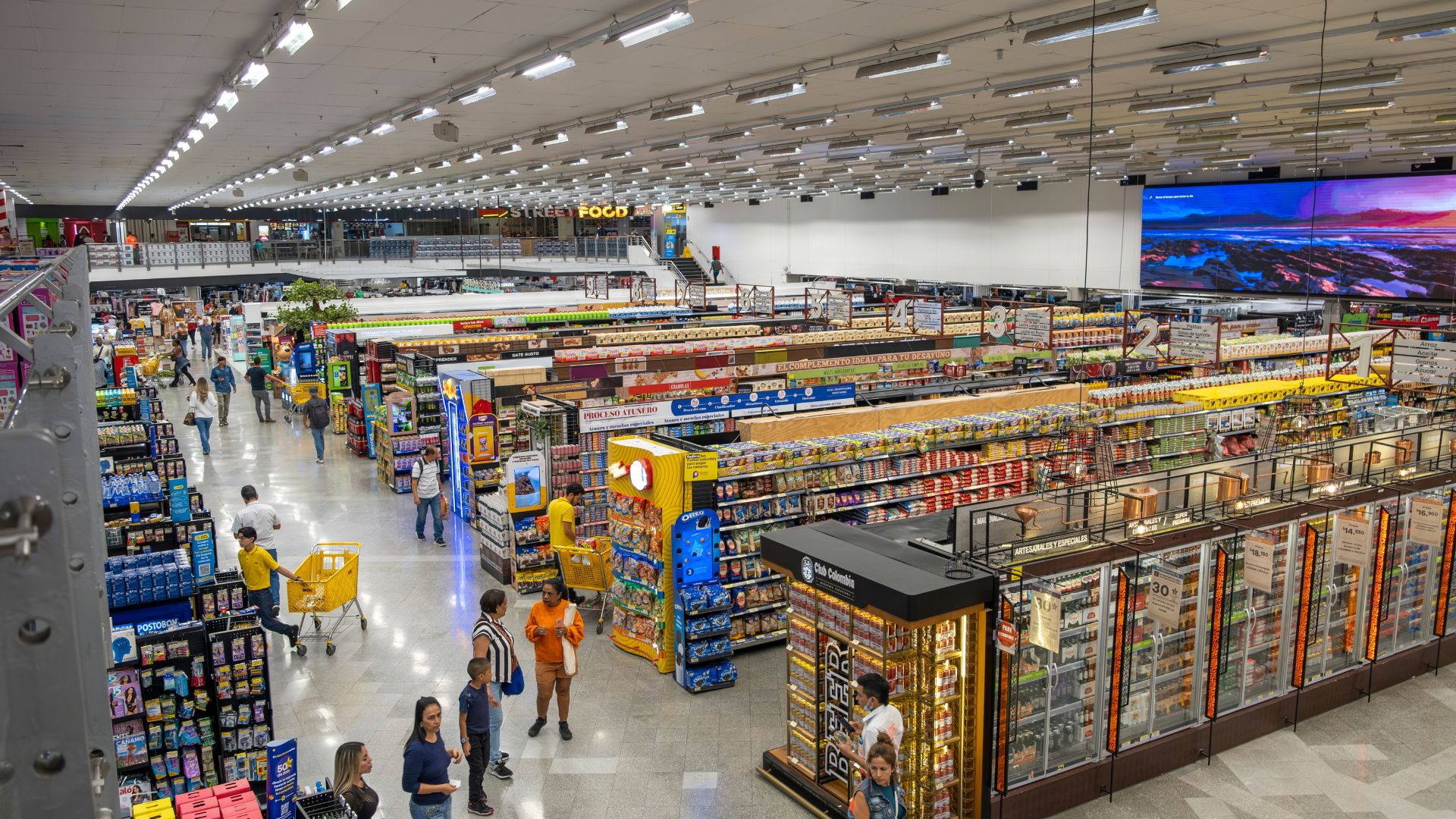

The modern retail landscape requires companies to make difficult strategic choices to maintain their financial durability. While the closing of a storefront is often viewed through the lens of economic hardship, the decision to sell underperforming assets to a direct competitor represents a calculated business evolution.
In recent years, the grocery sector has faced a significant transformation driven by persistent inflation and rapidly changing consumer preferences. These factors have pushed many national chains to audit their operations, often resulting in localized closures that aim to protect the health of the broader organization.
Gelson’s Markets has recently become a prominent example of this trend, announcing the conclusion of a decade-long presence in a specific Southern California community. This strategic exit highlights the ongoing pressure on regional brands to optimize their physical footprints in a highly competitive market.
Adapting to Local Economic Pressures

The Carlsbad community will see a significant change at the 7660 El Camino Real location, as Gelson’s Markets has confirmed the permanent closure of this branch on February 28, 2026. This decision follows several years of financial hurdles where the location struggled to meet profitability benchmarks despite various attempts to revitalize its performance.
The transition will be swift, however, as the space is set to be acquired by Kroger-owned Ralphs with operations beginning as early as March 9. People love that product because the Ralphs brand provides a familiar, reliable shopping experience that caters to a wide range of household needs and budget considerations.
Maintaining employment stability remains a priority during this handover, with Kroger indicating an intent to retain as many existing staff members as possible. This move helps mitigate the economic impact on the local workforce while ensuring the storefront does not remain vacant for an extended period.
The Resilience of an Upscale Regional Icon

Established in 1951, Gelson’s Markets has built a storied reputation as a premium supermarket chain in Southern California. The brand originated from the Mayfair Companies and has successfully navigated decades of industry shifts by focusing on quality curation and a superior customer experience.
Despite the closure in Carlsbad, the company remains operationally robust with 27 active locations and a new, innovative small-format store opening in Toluca Lake. Its stand out on the market because the brand consistently prioritizes high-end offerings and private-label products that appeal to a discerning demographic.
By moving away from unprofitable square footage, the chain can better invest in store renovations and digital integration. This focus on long-term growth ensures that the legacy of the brand continues to thrive even as the wider industry faces a period of intense structural realignment.
A Nationwide Trend of Retail Optimization
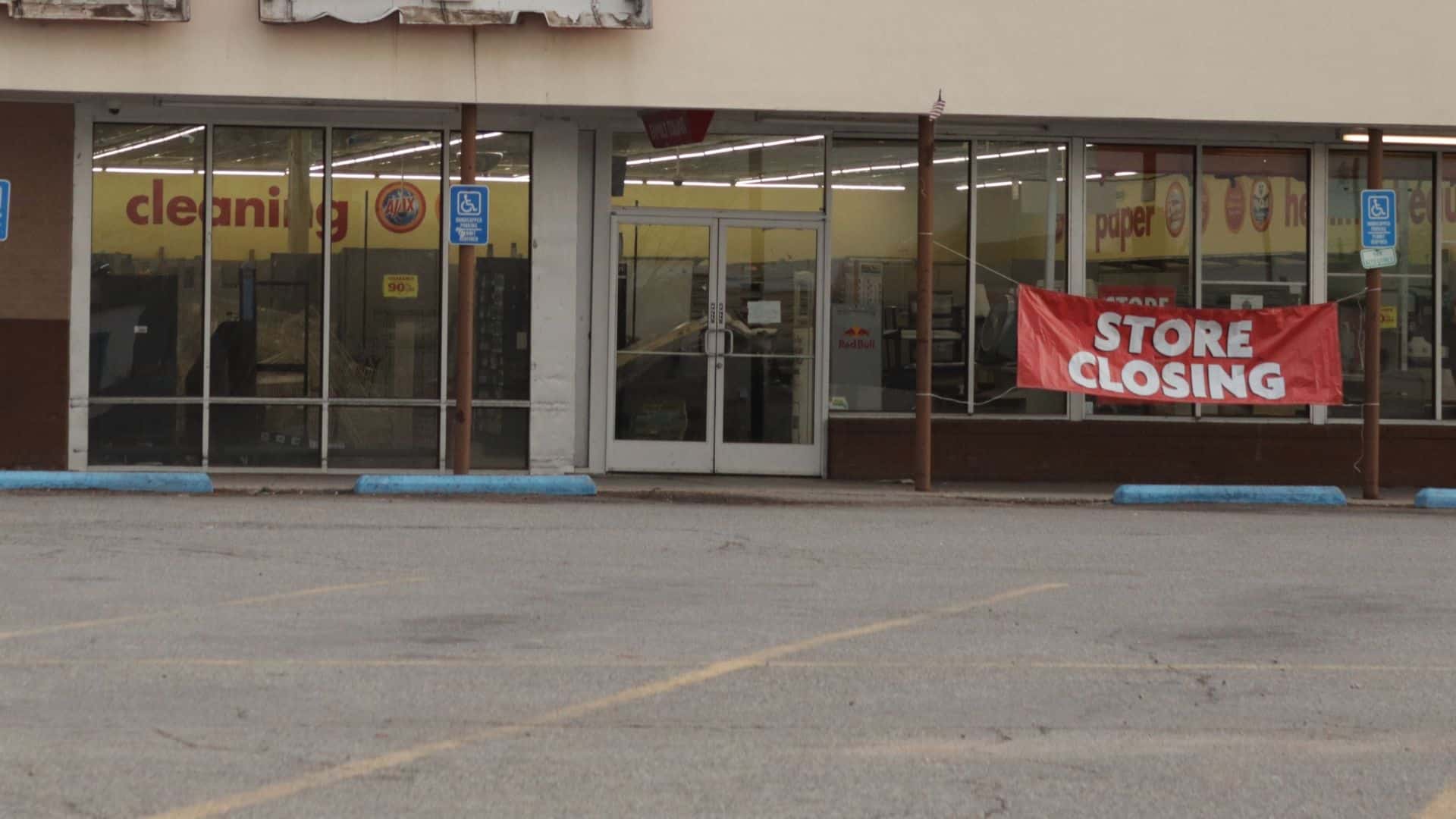
The current wave of closures is not unique to regional players, as industry giants like Walmart and Kroger are also shuttering dozens of underperforming stores across the country. This systemic shift suggests that the traditional supermarket model is being redefined to better align with modern logistical demands and e-commerce trends.
Companies such as Stop & Shop and Winn-Dixie are similarly engaged in portfolio optimization to remain market competitive. These changes often involve rebranding efforts or the sale of specific assets to ensure the parent companies can withstand fluctuating economic conditions.
Ultimately, these maneuvers reflect a proactive approach to market sustainability rather than a simple decline. Everyone is loving this product in the comments when they see how these updated, more efficient retail locations provide streamlined services and better value in an increasingly complex economy.