Some Bottled Waters Contain ‘More Microplastics’ Than Tap Water, Study Warns
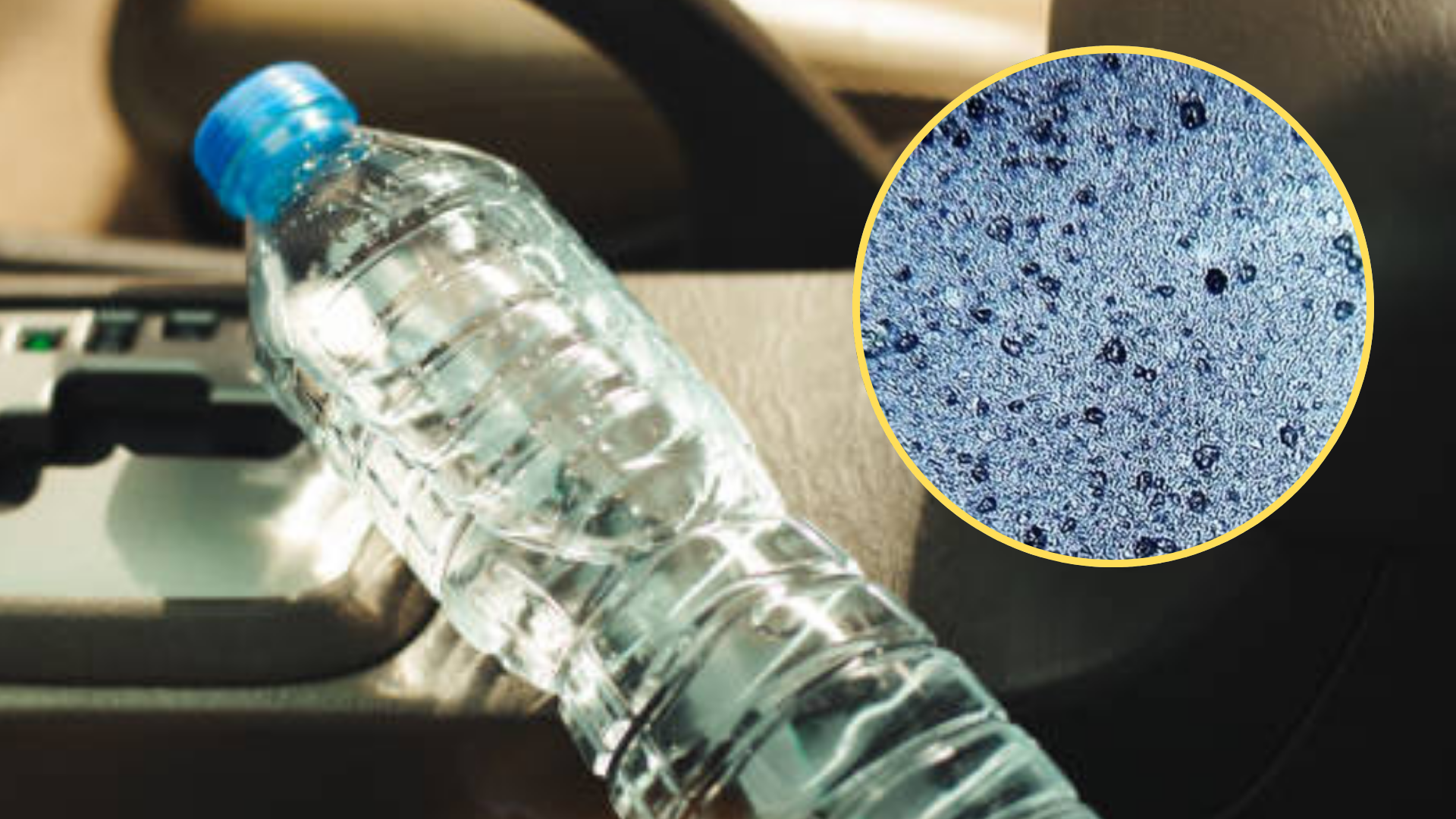

A recent peer-reviewed Ohio State University study found that some bottled water samples contained three times more nanoplastics than treated tap water collected near Lake Erie. Researchers analyzed multiple brands and compared them with municipal drinking water systems. The findings challenge the common assumption that bottled water is automatically “cleaner” or safer than what comes from the tap.
Unlike earlier studies that focused mostly on microplastics, this research zoomed in on nanoplastics; particles so small they are difficult to detect. Using advanced imaging and spectroscopy tools, scientists discovered that more than half of the plastic particles found were nanoscale. Because of their tiny size, nanoplastics may be more likely to cross biological barriers in the human body.
A separate international investigation commissioned by Orb Media tested 259 bottles across nine countries. It found that over 90% contained plastic particles, with an average of 325 pieces per liter. Some bottles reportedly contained thousands of particles per liter. While that study has not undergone peer review, it intensified global scrutiny around bottled water safety.
Where Are the Plastics Coming From?
Researchers found that many of the plastic particles in bottled water matched materials used in bottle caps and packaging, such as polypropylene. This suggests that contamination may occur during bottling, sealing, or transportation, not necessarily from the original water source. Even the act of twisting open a cap could potentially release microfragments.
Scientists have noted that plastic microfibers are easily airborne. They can enter bottled water during manufacturing through ventilation systems, machinery, or even clothing worn by workers. That means contamination doesn’t always come from the water, it may happen during processing and packaging.
Importantly, tap water is not immune. Previous research has found microplastics in municipal systems as well. However, the Ohio State study suggests treated tap water may contain fewer nanoplastics than some bottled brands. The exact sources in public systems remain unclear, highlighting how widespread environmental plastic pollution has become.
What Does This Mean for Your Health?

Scientists stress that research into health impacts is ongoing. While microplastics are found in water, air, and even food, the full consequences of chronic exposure remain uncertain. However, smaller particles — especially nanoplastics — raise more concern because they may penetrate deeper into tissues and organs.
Researchers involved in the Ohio State study emphasized that while evidence suggests potential risks, the science is still developing. The general message is risk mitigation rather than alarm. If reducing exposure is a priority, drinking tap water may be a simple and effective step, particularly in areas with strong treatment standards.
Bottled water is only one exposure pathway. Microplastics have been detected in seafood, table salt, household dust, and even human blood samples in separate studies. That context matters. Switching water sources may reduce one input, but broader environmental solutions are needed to address the global plastic problem.
The Bigger Picture: Plastic Pollution and Policy Questions
Microplastics and nanoplastics form as larger plastic products degrade. With billions of plastic bottles produced annually, even small shedding rates can lead to measurable contamination. These studies reinforce concerns that everyday consumer habits contribute to long-term environmental accumulation.
The World Health Organization has previously announced reviews into microplastics in drinking water due to growing public concern. Scientists say better detection methods like those used in the Ohio State study will be critical for informing future safety guidelines and treatment standards.
For many consumers, bottled water represents convenience and purity. But these findings challenge that perception. If tap water is regulated, tested, and in some cases contains fewer plastic particles, consumers may begin reevaluating whether bottled water is worth the environmental cost and the potential exposure tradeoff.
