
Hunger affects millions across the United States, and food banks play a crucial role in bridging the gap. Not all contributions are equally helpful though, and some well-intentioned gifts create logistical, safety, or nutritional problems. Below you’ll find a clear guide on what to avoid and practical alternatives that make a real difference.
Why some donations backfire

Generosity can unintentionally strain pantry operations, taking staff time to sort, store, or dispose of unsuitable items. When a donation creates extra work or safety risks, it reduces the overall capacity to serve people in need.
Perishable foods and storage limits
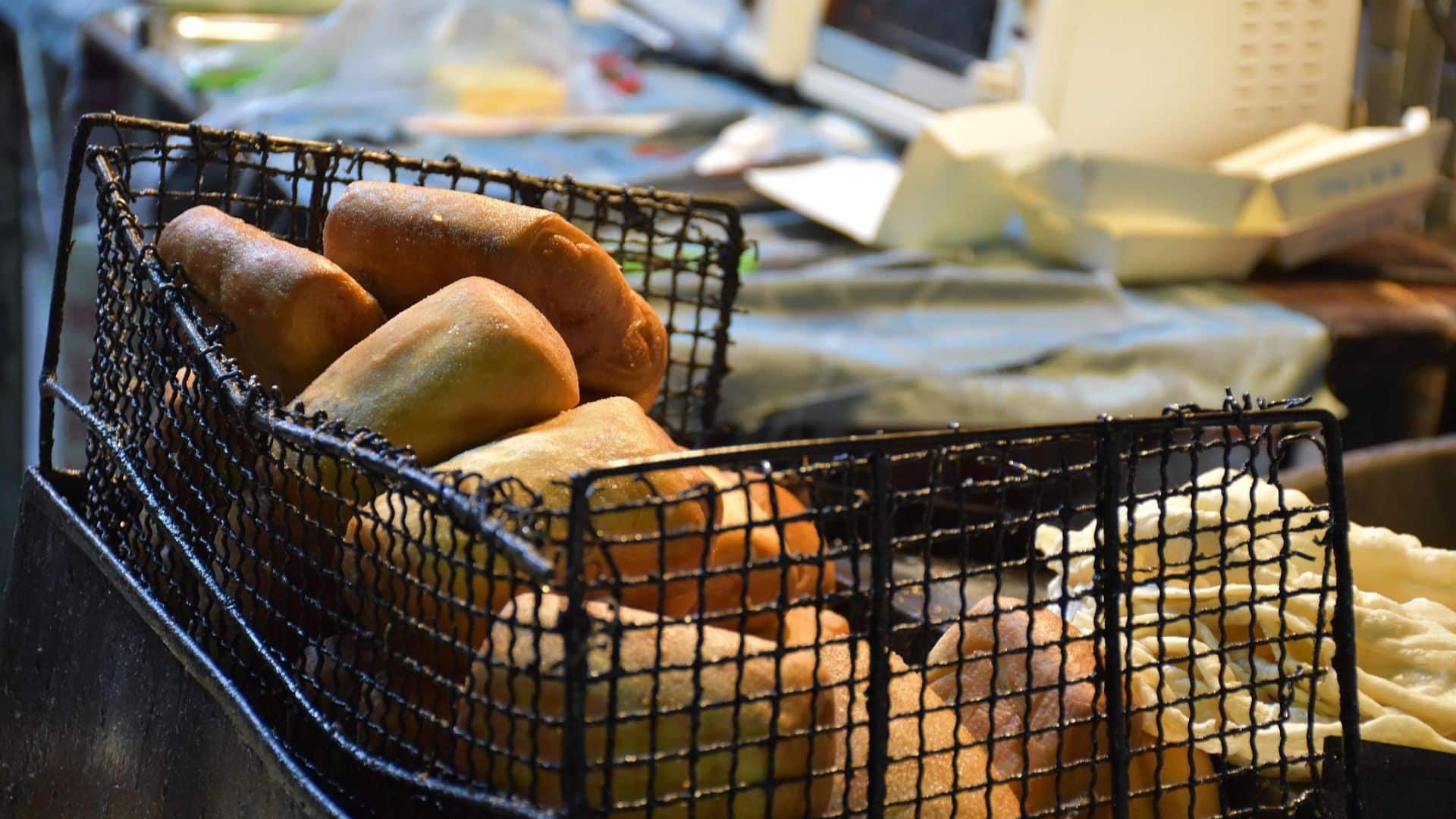
Fresh items that require refrigeration, leftovers, or anything likely to spoil are often unusable, because many sites lack sufficient cold storage. These foods can quickly become waste, so nonperishable options are usually preferred.
Home-cooked meals and food safety
Prepared dishes from private kitchens cannot be accepted at most organizations, because there is no way to verify ingredients, handling, or packaging. For safety reasons, pantries must rely on commercially sealed products.
Baked goods and homemade treats

Loaves, cookies, and pies made at home pose similar verification concerns, so individual donations of homemade bakery items are typically declined. Many banks, however, partner with local bakeries to obtain safe, bulk donations.
What pantries value most
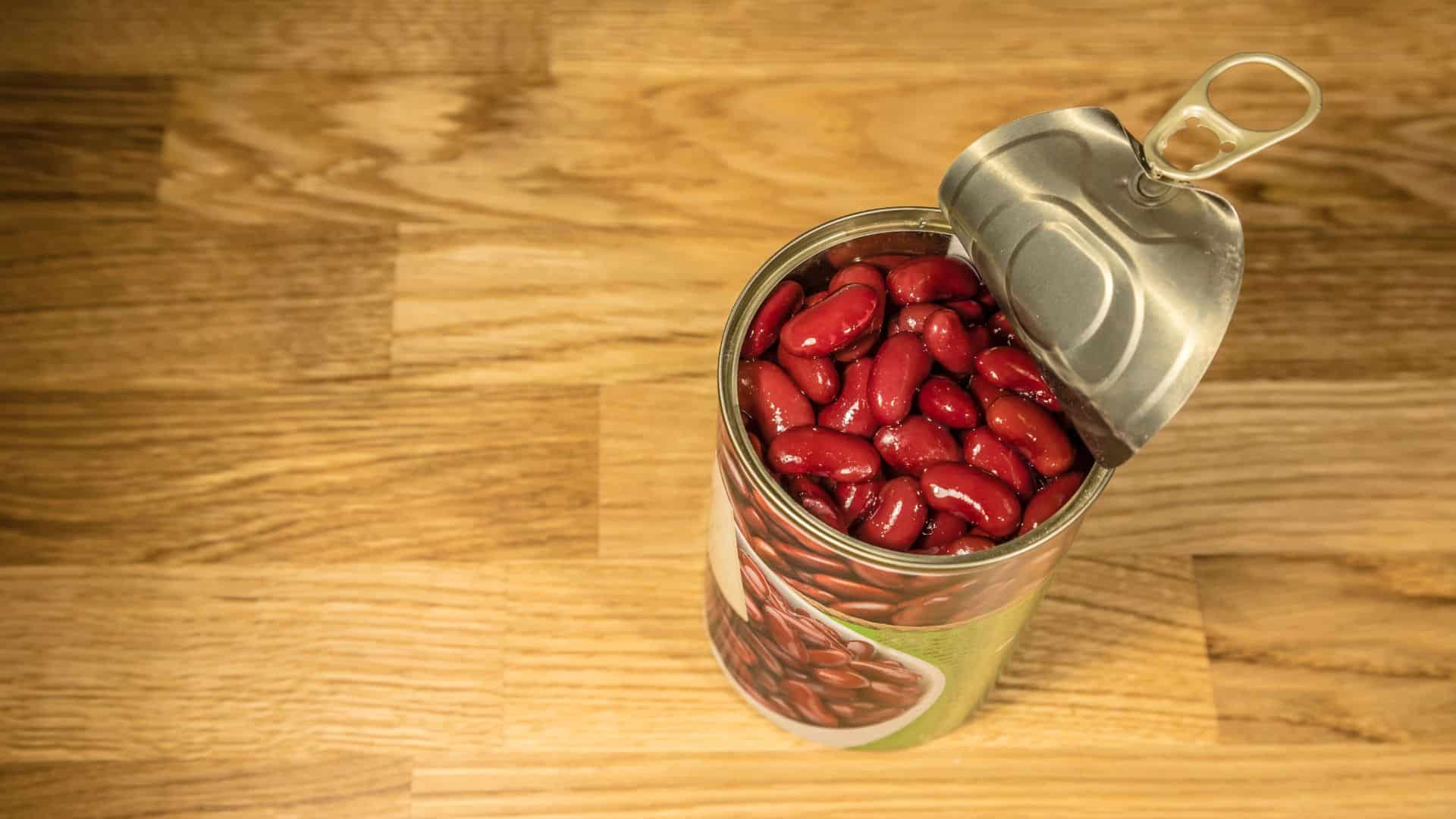
Items with long shelf life and clear nutrition, such as canned beans, nut butters, shelf-stable milk alternatives, and low-sodium vegetables, are particularly useful. These products store well and help recipients prepare balanced meals.
Check dates before giving
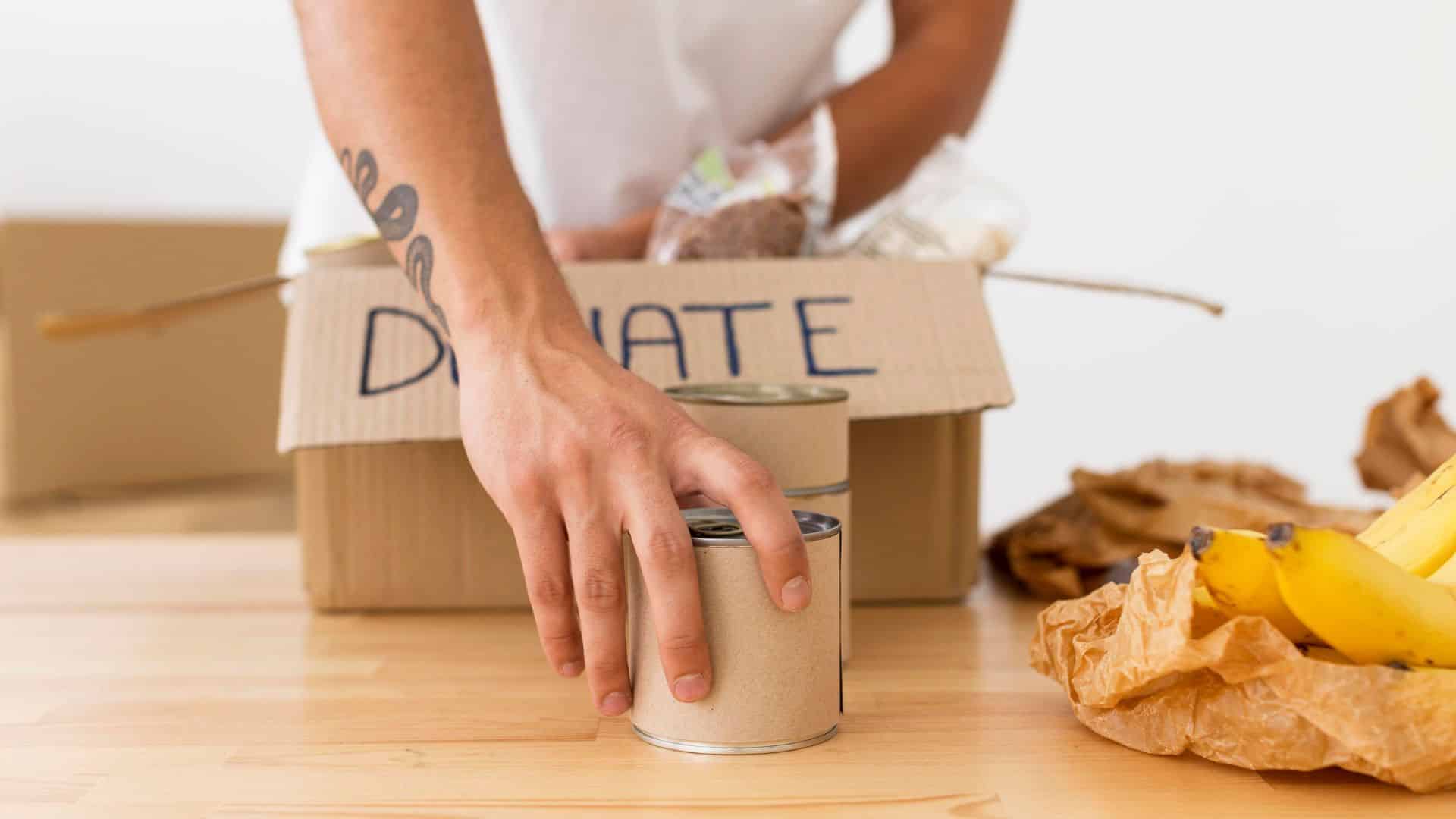
Expired or near-expired products often cannot be distributed, so check “use by” and “sell by” labels carefully. Home-canned goods have shorter recommended windows, and quality varies by ingredient, so prefer commercially processed items.
Avoid damaged packaging

Packages that are dented, bloated, cracked, or leaking are hazardous and must be discarded. Broken glass, compromised cans, and bulging lids can threaten both recipients and volunteers, so only donate intact containers.
Understanding canned food risks
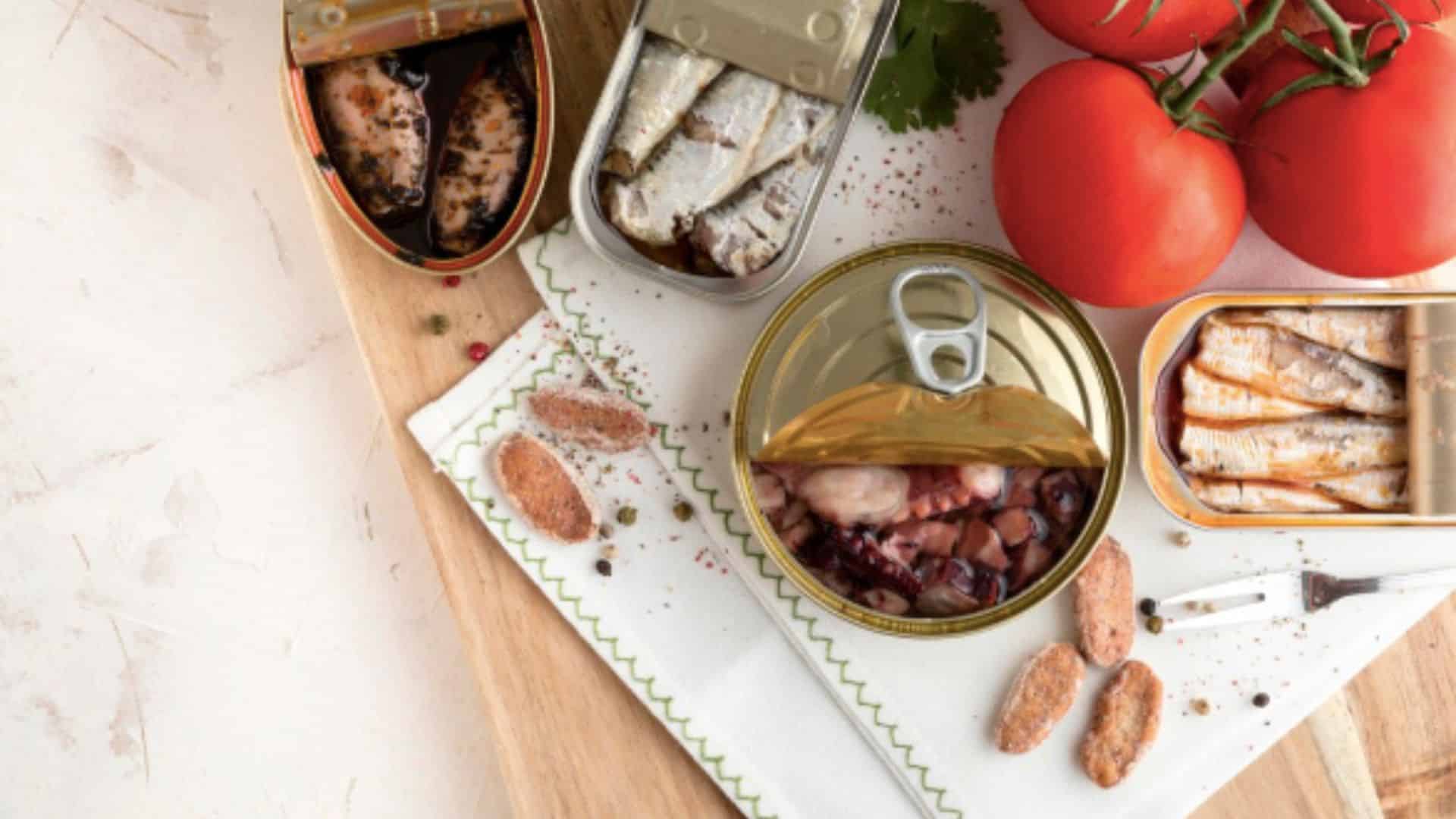
Cans with visible damage can harbor dangerous toxins, so pantries will not accept them. When in doubt, toss compromised items rather than risk contamination, and choose sturdy, well-sealed products instead.
Practical ways to help right now

If you want to be useful, give items on a pantry’s current needs list, donate grocery cards, or contribute cash for flexible purchasing. Monetary support often stretches further and allows organizations to buy culturally appropriate or fresh foods safely.
Where to check local guidelines

Before you bring contributions, review the specific pantry’s donation policies, most of which are available online or by phone. Following those rules saves time, prevents waste, and ensures your generosity reaches people reliably.