Multiple Butter Brands Recalled and Pulled From Shelves Over Potentially Dangerous Ingredients
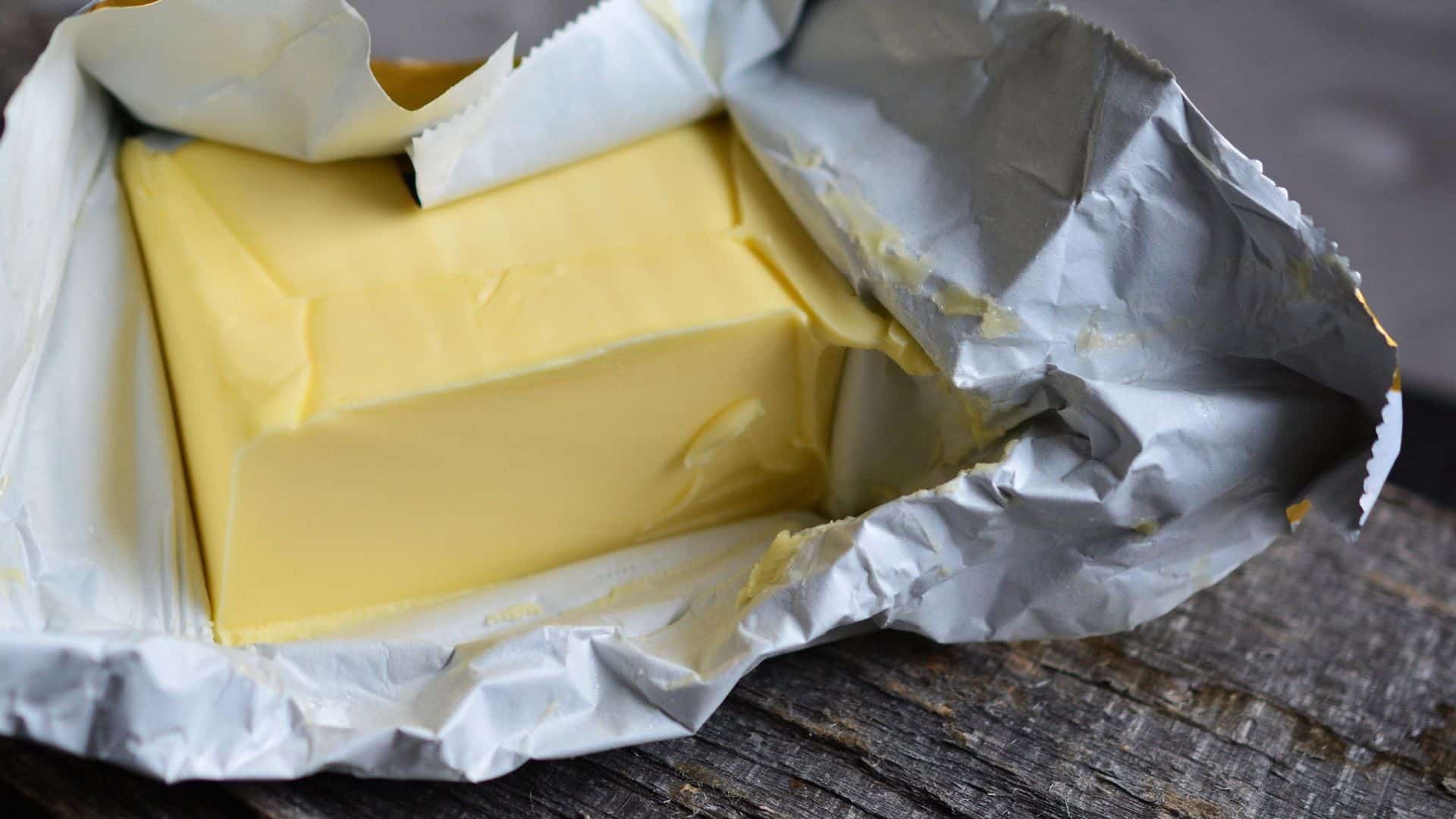

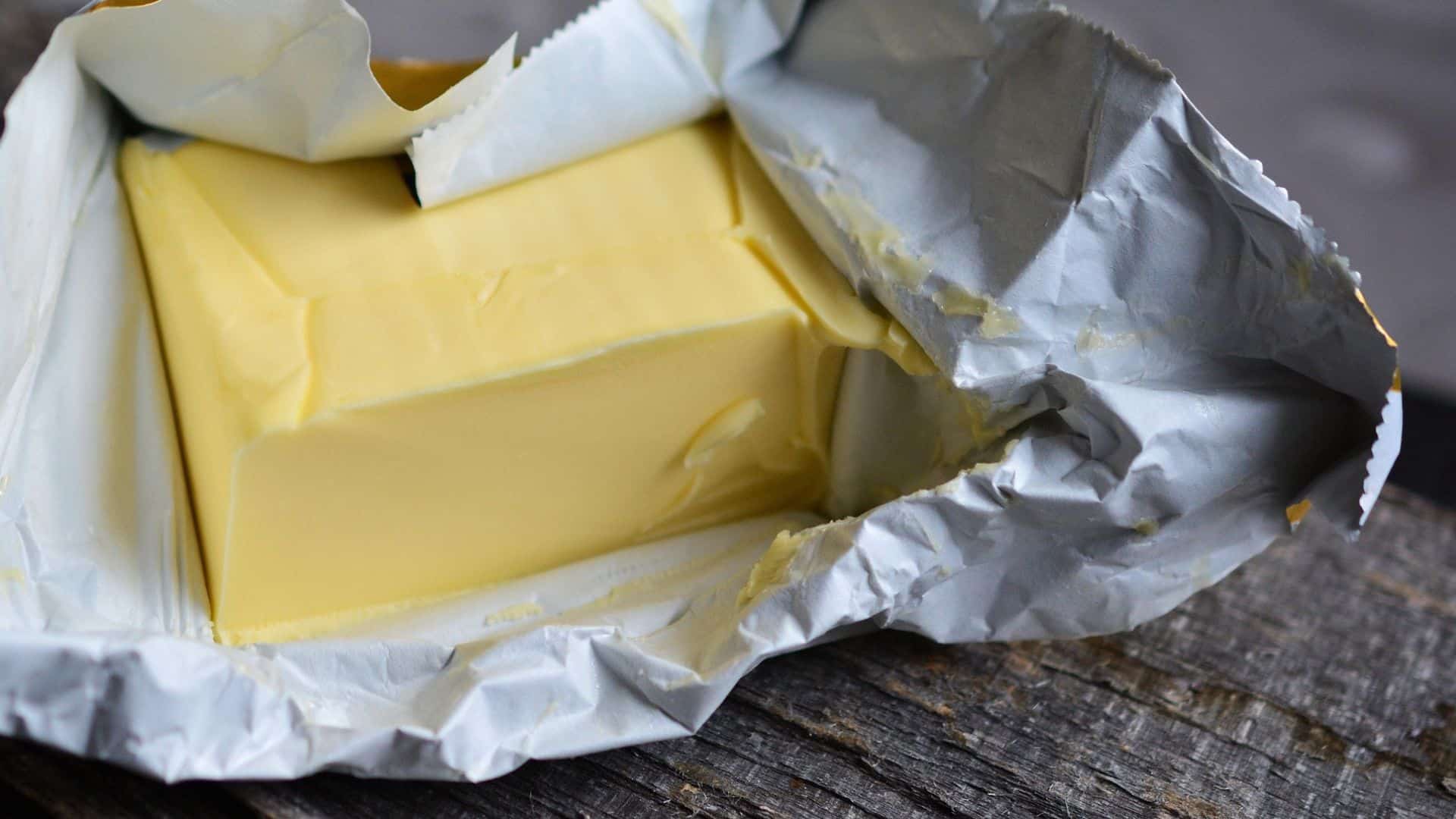
Butter is often perceived as one of the most traditional and uncomplicated foods found in households around the world. Its long history and everyday use tend to inspire trust, making it easy to overlook the complexity behind its production and distribution. From dairy farms to processing plants and global supply chains, butter passes through several stages where strict safety controls are essential.
Over the years, numerous butter brands and butter-like products have been recalled due to contamination concerns, labeling inaccuracies, or the inclusion of ingredients that failed to meet regulatory standards. These situations are not usually caused by butter itself, but by manufacturing errors, sanitation lapses, or breakdowns in oversight that compromise product safety.
For consumers, these recalls serve as a reminder that even the most familiar foods are subject to industrial risks. Understanding how and why these issues occur helps readers approach everyday products with greater awareness, without unnecessary alarm.
Recognized Brands and Quality Setbacks
Several well-known butter brands have faced recalls that challenged consumer confidence. Kerrygold, a widely respected Irish butter brand, has initiated recalls in the United States after routine testing indicated possible E. coli contamination in specific batches. This bacterium can cause serious gastrointestinal illness, particularly among children, older adults, and people with weakened immune systems.
Land O’Lakes has dealt with recalls for a different reason, incorrect labeling. In some cases, butter products were packaged without clearly declaring milk allergens. For individuals with severe dairy allergies, this type of oversight can present a significant health risk, highlighting how critical accurate labeling is for consumer safety.
These examples show that reputation and scale do not eliminate risk. Even established brands must continuously monitor quality, labeling, and compliance to prevent errors that can quickly escalate into public health concerns.
Packaging, Processing, and Product Sensitivity
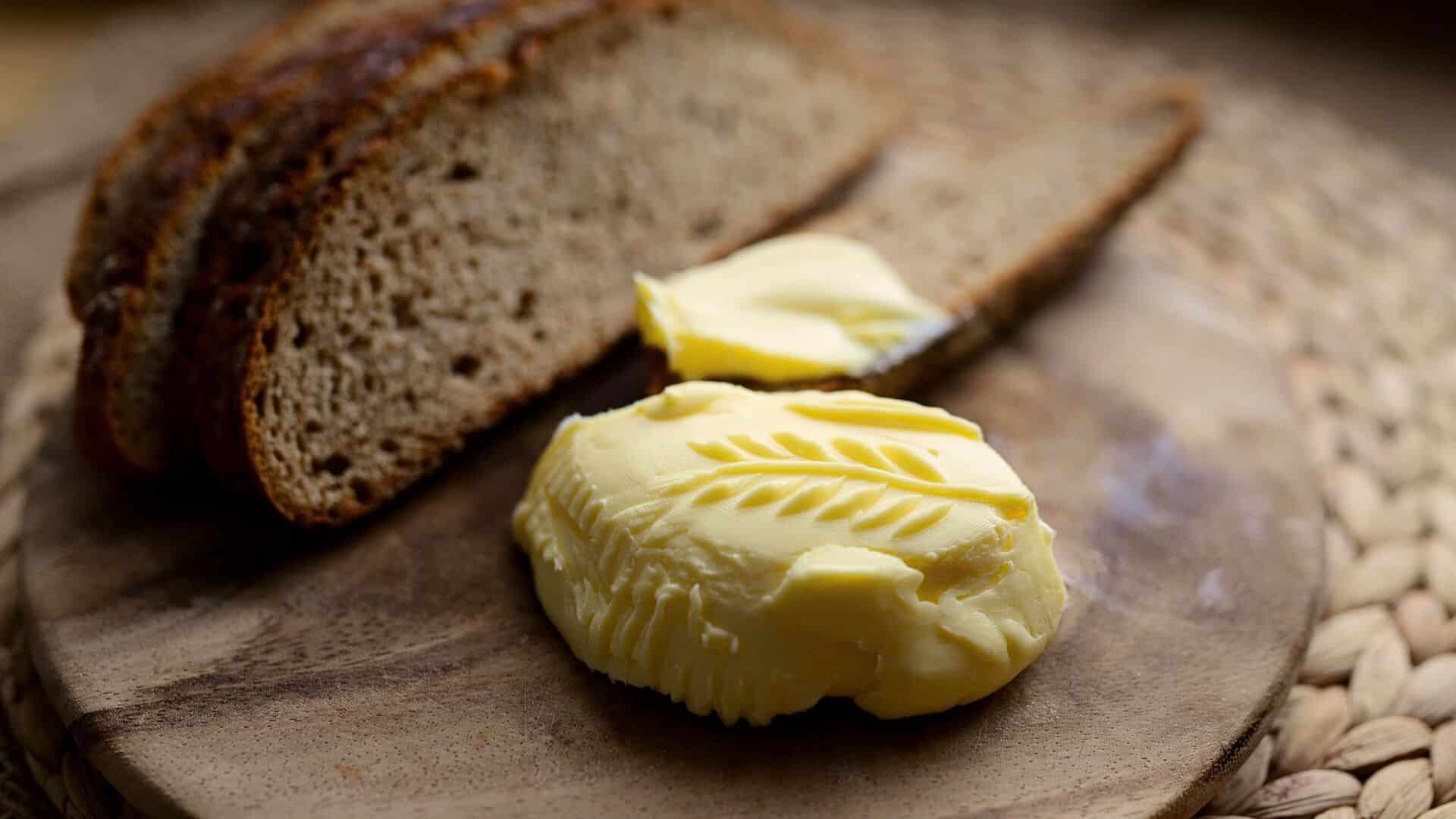
Not all recalls stem from contamination or labeling mistakes. Packaging defects have also played a role in product withdrawals. Challenge Butter, a brand popular in parts of the United States, has experienced limited recalls due to faulty seals that could expose butter to bacteria or environmental contaminants.
European-style butters, such as Plugrá, introduce additional production challenges. With higher butterfat content and lower water levels, these products require precise handling and strict sanitation. Small deviations in temperature control or cleanliness can increase the risk of contamination during processing.
These cases illustrate how variations in formulation and packaging can influence product stability. When safety margins are narrow, even minor production issues can result in recalls aimed at protecting consumers before harm occurs.
Store Brands, Additives, and Consumer Awareness
Private-label and store-brand butters have also been recalled, often due to shared manufacturing facilities that supply multiple retailers. Concerns related to Listeria monocytogenes have prompted several of these recalls, as the bacterium poses serious risks for pregnant women, older adults, and individuals with compromised immune systems.
Butter blends and margarine-style spreads have faced regulatory action for different reasons. Older formulations from brands such as Country Crock and Imperial were removed or reformulated after authorities restricted partially hydrogenated oils, a primary source of artificial trans fats linked to heart disease.
Overall, most butter recalls fall into a few clear categories, bacterial contamination, undeclared allergens, packaging failures, and prohibited additives. While butter remains a staple in many kitchens, these incidents emphasize the importance of staying informed, reading labels carefully, and paying attention to recall notices, even when dealing with foods that feel familiar and reliable.
Packaging Failures and Bacterial Contamination
Another recurring issue involves mechanical defects in packaging that allow external contaminants to enter. When seals fail or materials degrade, bacteria can bypass protective barriers and multiply unnoticed.
Pathogens such as Listeria monocytogenes are particularly concerning in dairy products. Even low levels can cause serious illness, especially among older adults, pregnant individuals, and young children.
These failures transform a nutrient-dense fat into a potential source of foodborne disease, emphasizing how small technical flaws can carry serious consequences.
Why High-Fat Butters Require Extra Care
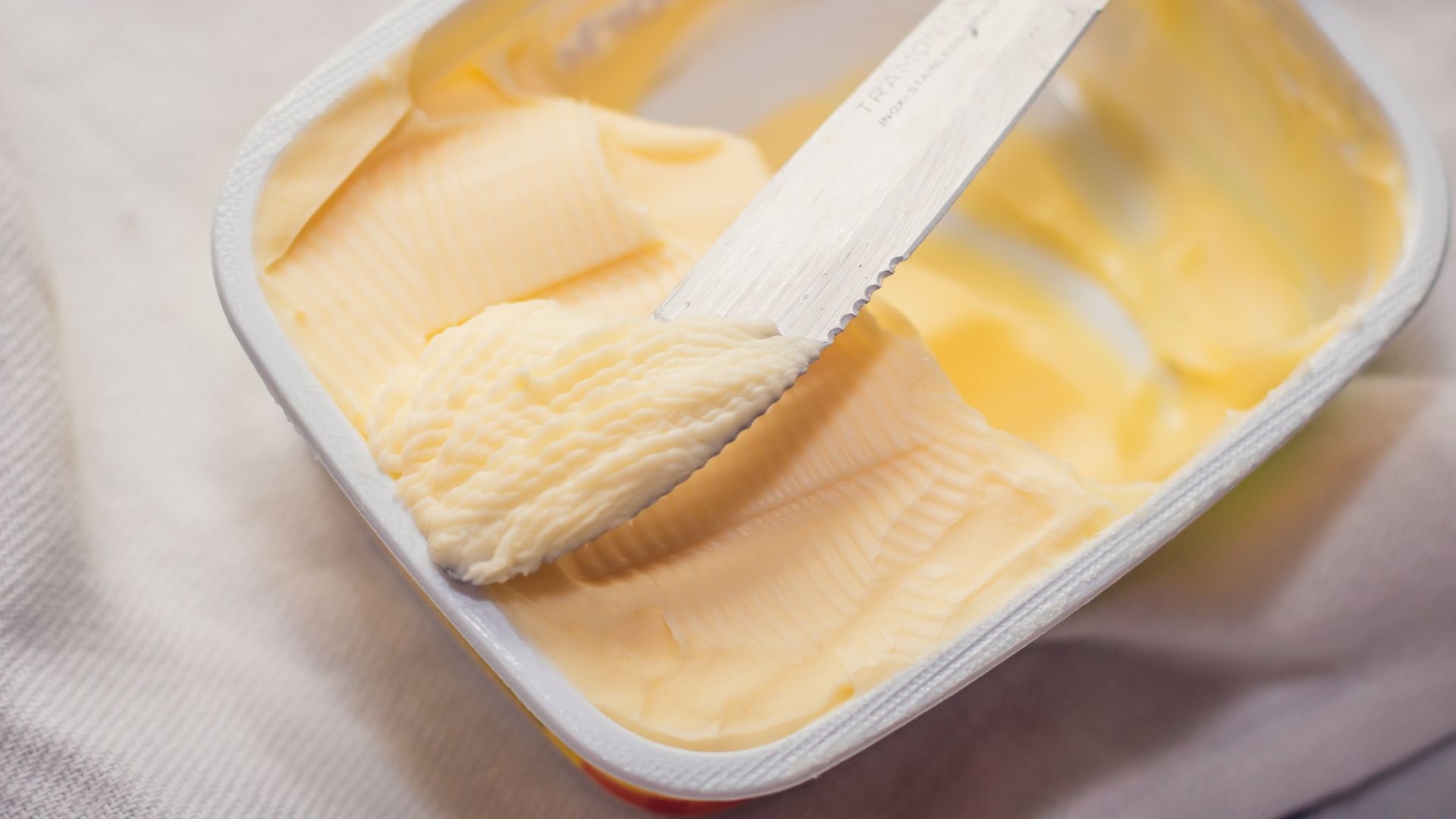
European-style and high-butterfat varieties are often favored for flavor and performance in cooking. Their lower water content, however, demands stricter hygiene and precise temperature control during production.
Any lapse in sanitation can rapidly compromise these products, prompting safety warnings or recalls. The very qualities that make them desirable also increase their vulnerability to contamination.
This balance between quality and risk illustrates why premium positioning does not automatically equate to safer handling. Precision matters as much as reputation.
Blends, Margarines, and Regulatory Shifts
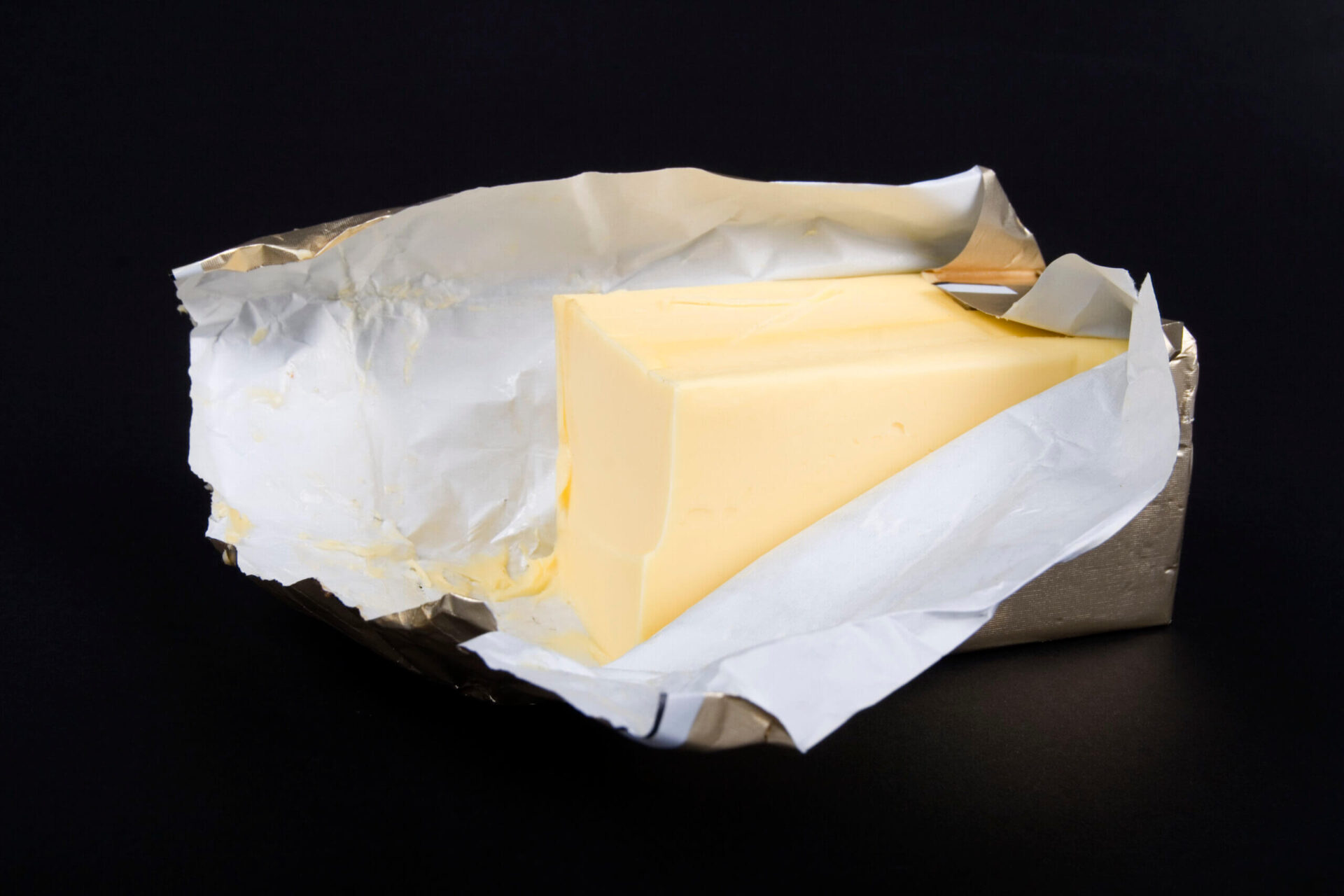
Health regulations have also reshaped the butter and spread market over the past decade. Authorities moved decisively against partially hydrogenated oils, once common in butter blends and margarines.
These oils were identified as a primary source of artificial trans fats, which raise harmful cholesterol levels and significantly increase cardiovascular risk. Products containing them were forced to reformulate or exit the market entirely.
Today, the presence of these banned fats signals a serious regulatory violation, reinforcing how evolving science continues to influence what is considered acceptable on grocery shelves.
Choosing Butter with Awareness

Most butter-related safety issues fall into a few clear categories, bacterial contamination, undeclared allergens, packaging failures, and prohibited additives. The common thread is not the butter itself, but weaknesses in the supply chain.
Informed consumers benefit from monitoring recall announcements and reviewing ingredient lists, regardless of brand loyalty. Familiar names and long-standing reputations should never replace careful attention.
Simplifying choices can offer added protection. Products with minimal ingredients, transparent sourcing, and responsibly designed packaging provide a stronger foundation for everyday nutrition. Staying informed helps ensure that even timeless foods remain part of a safe and balanced diet.