

There’s a reason people can’t resist that first bite of a perfectly cheesy slice of pizza or the comforting sweetness of warm cookies fresh out of the oven. It’s not just personal preference, it’s science. Behind every crave-worthy snack or satisfying meal is a complex mix of chemistry, biology, and brain response. The following explores what makes certain foods taste so good and why those irresistible flavors have such a powerful hold on the human brain.
The Maillard Reaction (Browning)
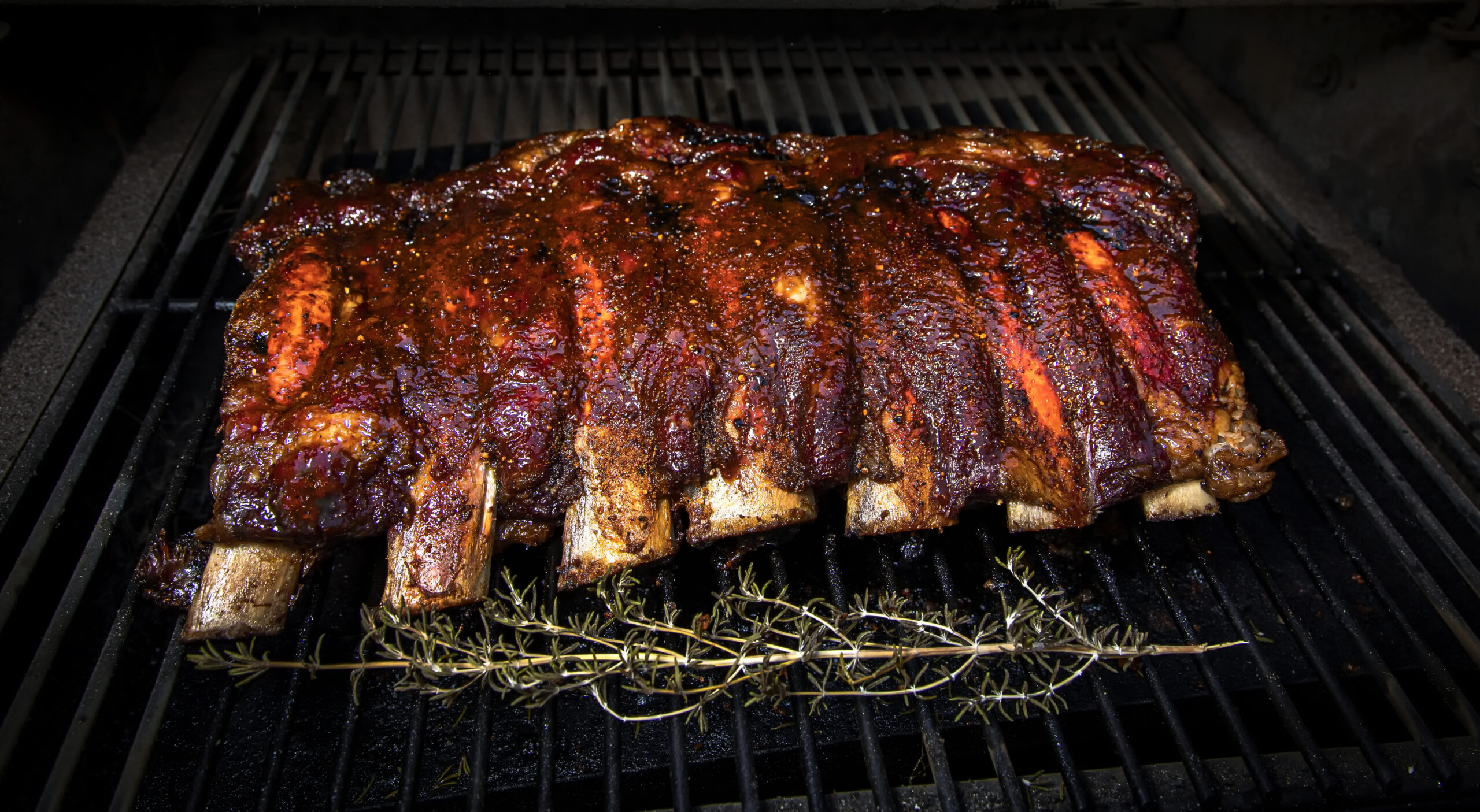
When you cook foods like seared meat, roasted vegetables, or toasted bread, the Maillard reaction creates hundreds of new flavor compounds. These contribute to rich, savory, and often nutty notes, making the food far more appealing. Think of the rich, flavorful crust on a perfectly seared steak, the complex aroma of roasted coffee beans, or the golden-brown deliciousness of a slice of toasted bread.
Caramelization (Sugars + Heat)

This process, similar to the Maillard reaction but involving only sugars, breaks down sugars under heat, leading to complex, sweet, and slightly bitter flavors. Consider the deep, sweet flavor of slowly caramelized onions, the crisp, slightly bitter top of a crème brûlée, or the golden syrup on a perfectly baked apple pie.
Umami (Savory Goodness)
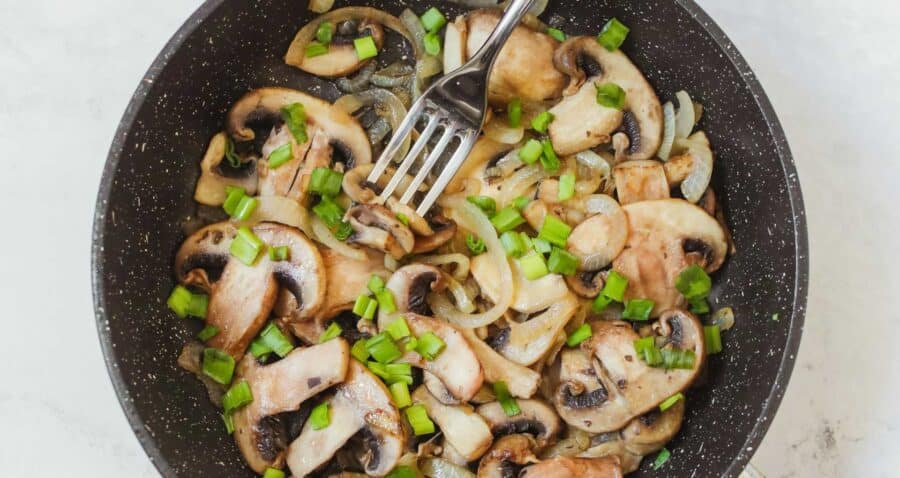
Often called the “fifth taste,” umami is triggered by glutamates, found naturally in foods like ripe tomatoes, aged cheeses, mushrooms, and fermented products. It creates a lingering, mouth-watering sensation that enhances the overall flavor profile and makes food feel more substantial. Examples include the intense, satisfying taste of aged Parmesan cheese, the hearty depth of sautéed mushrooms, the savory richness of sun-dried tomatoes, or the complex flavor of traditional soy sauce.
Fat Content
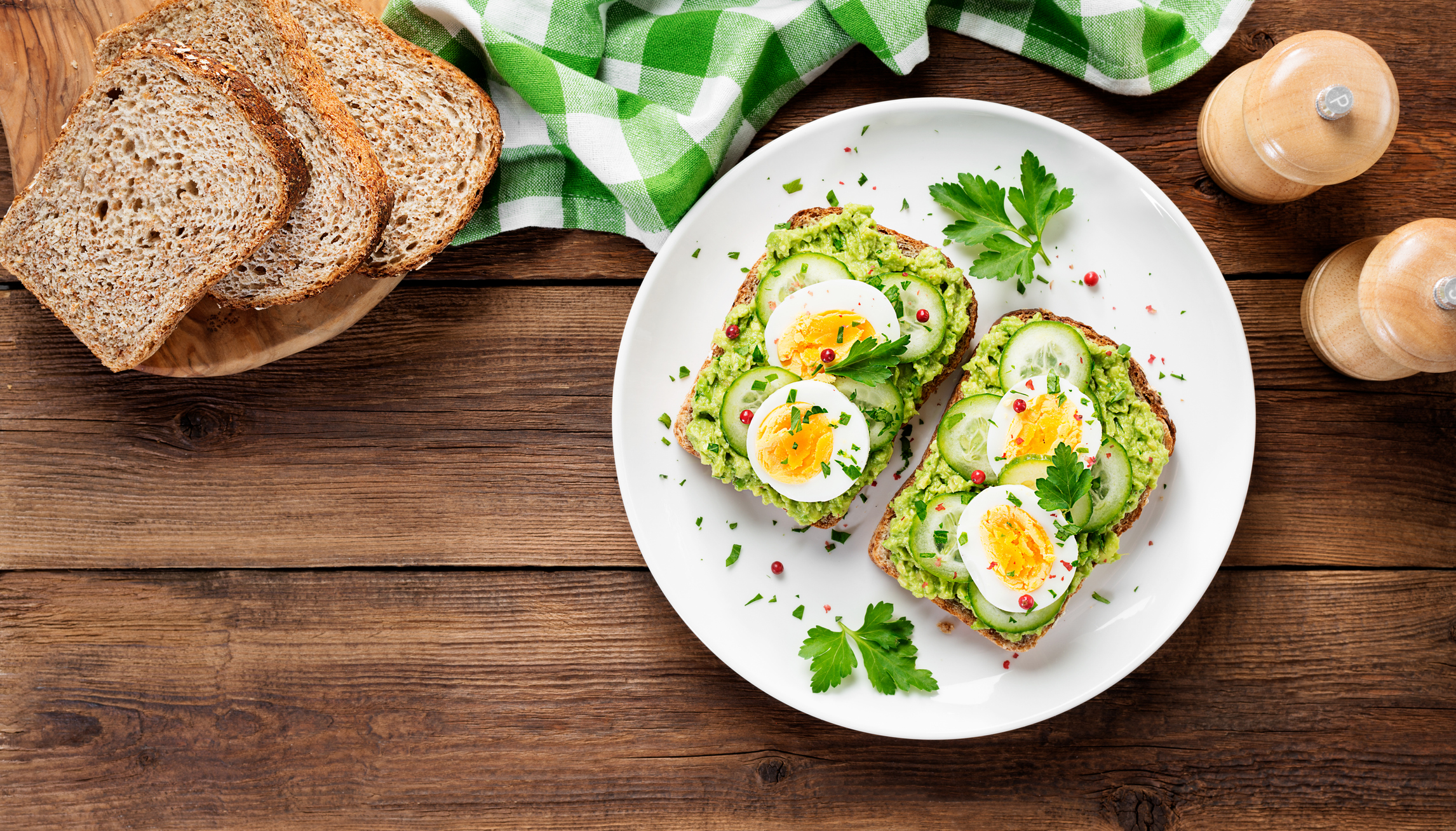
Fat is a powerful flavor carrier. It dissolves and distributes flavor compounds, enhances mouthfeel (creamy, rich), and contributes to satiety. Foods high in fat often register as intensely satisfying. Consider the melt-in-your-mouth experience of a perfectly marbled ribeye steak, the creamy richness of an avocado, the luxurious mouthfeel of full-fat ice cream, or the comforting flavor of buttered popcorn.
Aromatic Volatiles (Smell)

A huge part of what we perceive as “taste” actually comes from our sense of smell. Volatile aromatic compounds released from food as we chew travel up to our olfactory receptors, creating complex flavor experiences far more nuanced than what our taste buds alone can detect. This includes the invigorating scent of freshly brewed coffee, the pungent aroma of garlic and herbs sautéing, the fragrant burst of cilantro in a salsa, or the comforting smell of baking cinnamon rolls.
Sugar’s Reward System
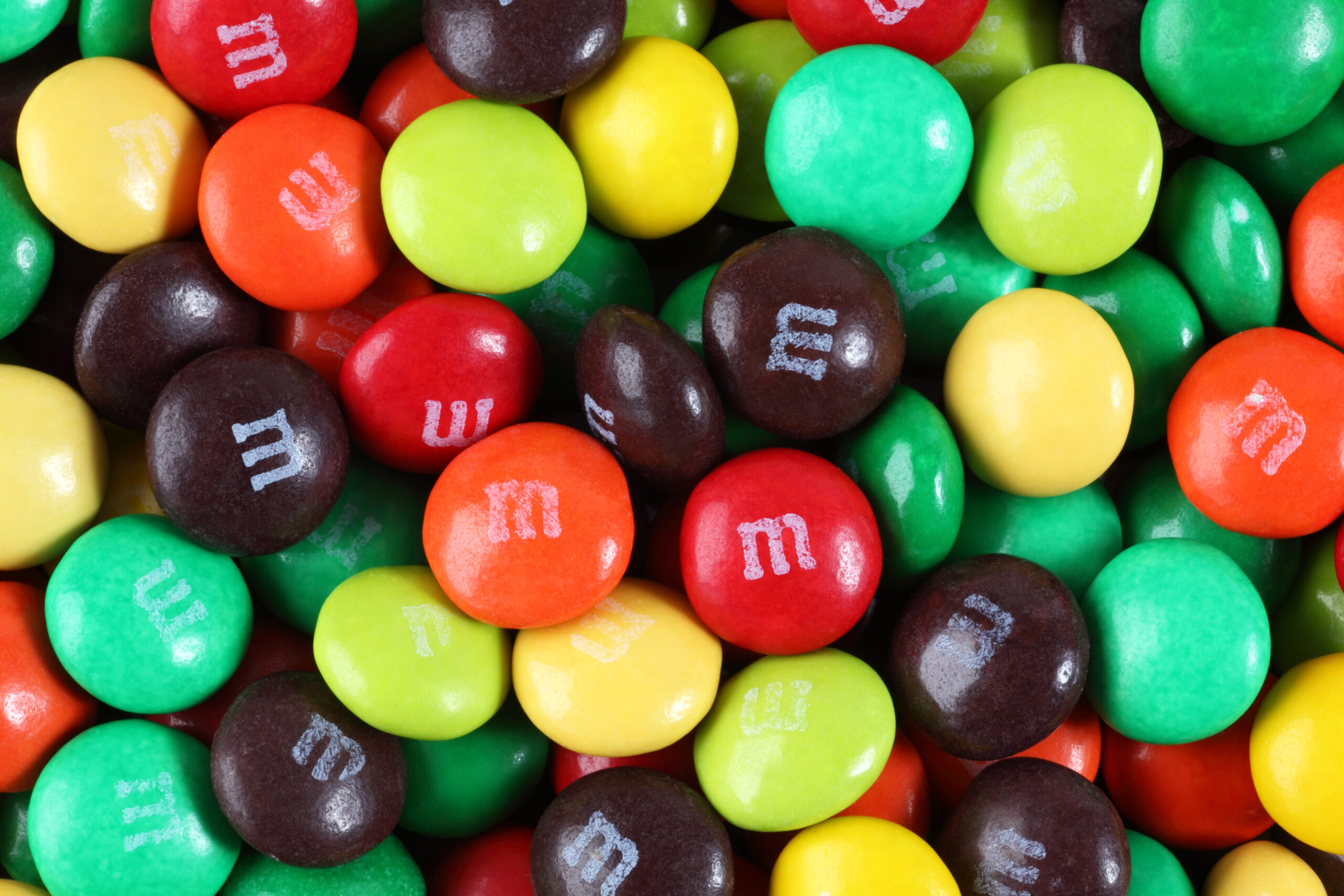
Brains are hardwired to seek out sugar because it’s a quick source of energy. The immediate burst of sweetness activates reward pathways in the brain, releasing dopamine and creating a pleasurable sensation that encourages us to eat more. This explains the immediate rush of pleasure from a piece of chocolate cake, the simple sweetness of a ripe strawberry, the satisfying taste of a spoonful of honey, or the pure delight of a scoop of ice cream.
Salt’s Flavor Enhancement
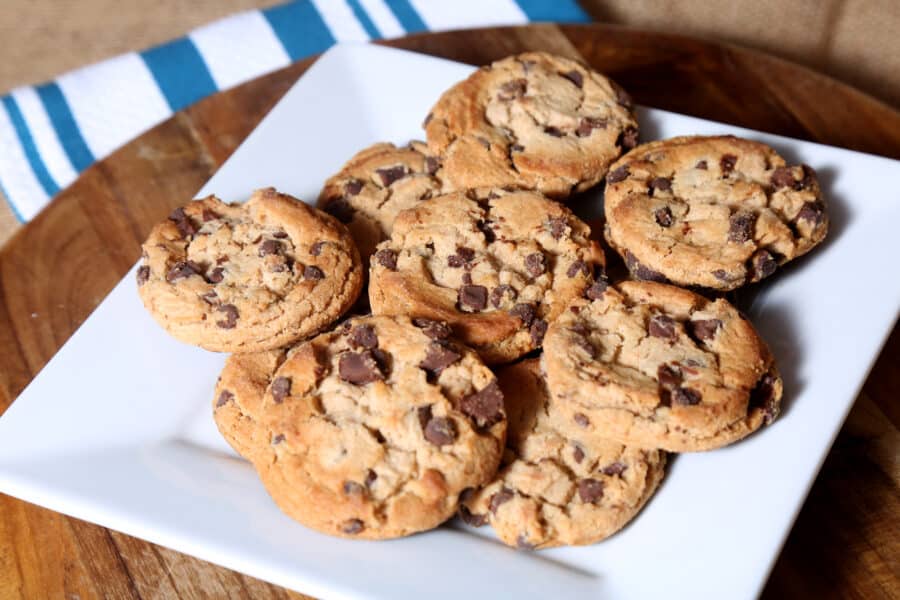
Salt doesn’t just taste salty; it actively enhances other flavors by suppressing bitterness and balancing sweetness. A touch of salt can make flavors pop and taste more vibrant, which is why it’s a staple in both savory and sweet dishes. Notice how a sprinkle of salt makes homemade chocolate chip cookies taste even better, how it brings out the sweetness in a slice of watermelon, or how it elevates the savory notes in roasted vegetables.
Texture and Mouthfeel
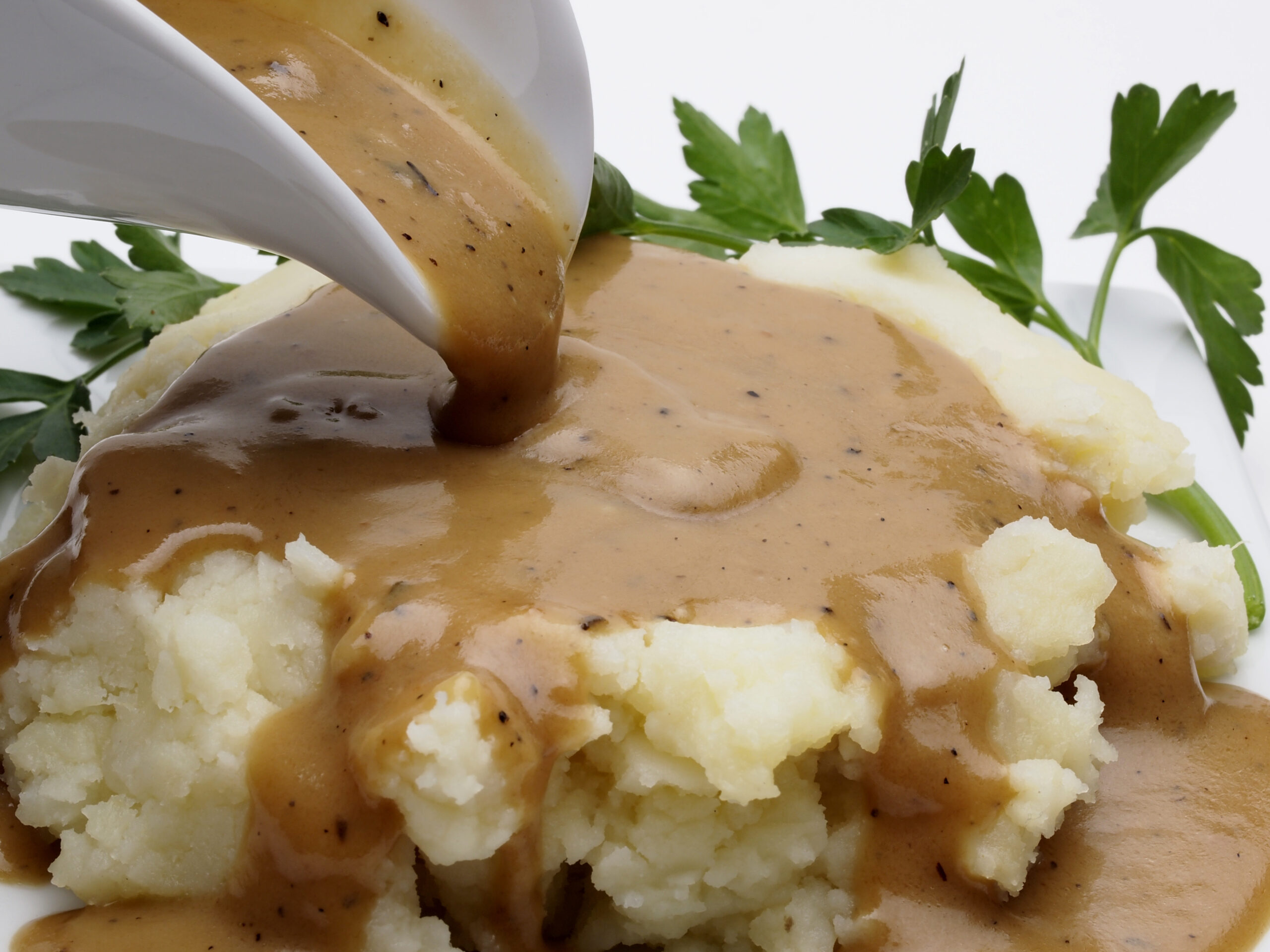
Beyond taste and smell, the physical sensation of food in our mouths plays a crucial role. The satisfying crunch of a potato chip, the creamy smoothness of ice cream, or the tender chewiness of perfectly cooked pasta all contribute significantly to our enjoyment. Think of the satisfying crunch of crispy fried chicken skin, the smooth and creamy texture of a perfectly ripe avocado or mashed potatoes, or the delightful chewiness of al dente pasta.
Acids for Brightness and Balance

Acids, found in foods like citrus, vinegar, and fermented products, provide a crucial counterpoint to richness and sweetness. They cut through fat, brighten flavors, and can make food taste more vibrant and refreshing, preventing it from feeling heavy or cloying. Examples include the zing of lemon squeezed over grilled fish, the tangy counterpoint of vinegar in a salad dressing, the refreshing kick of lime in a taco, or the bright acidity of yogurt with fruit.
Flavor Pairing and Synergy
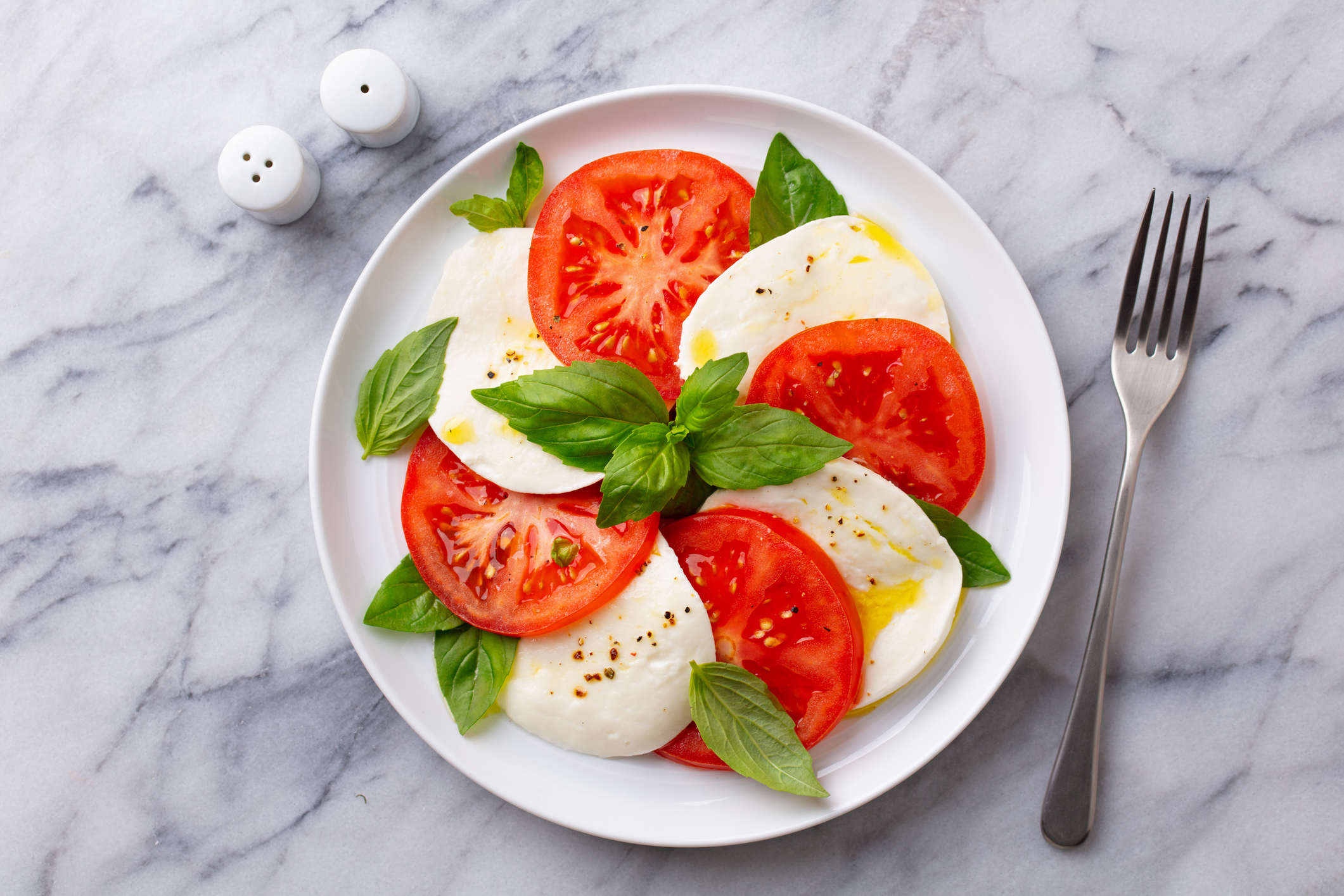
Certain food combinations create a synergistic effect where the combined flavors are greater than the sum of their parts. This can be attributed to complementary aromatic compounds, which balance tastes, or the creation of new flavor pathways when eaten together. Consider the classic combination of tomato and basil in a Caprese salad, the harmonious blend of chocolate and coffee in a mocha, or the balanced interplay of sweet and sour in a sweet and sour pork dish.
Addictive Ingredients
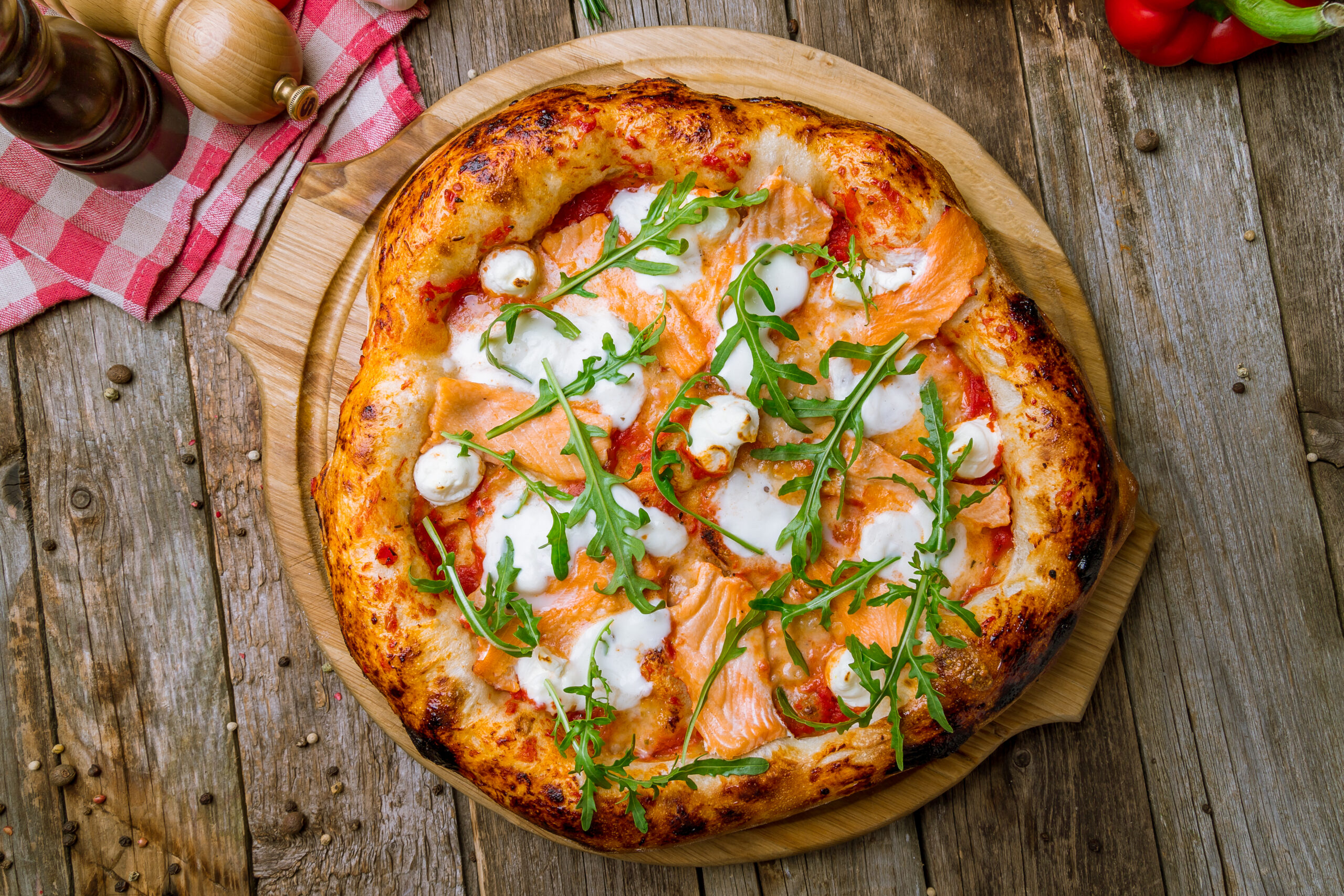
Combine fat, salt, and sugar, and you get a powerful flavor trio. Cheese and meat bring rich fat and savory salt, while tomato sauce adds natural sugar and a touch of acidity. Together, these elements stimulate the brain’s reward system, creating a sense of pleasure and comfort that naturally enhances one’s appetite.
Happy Eating

Why food tastes so good is a fun mix of science happening right on your plate. From the yummy browning on your food to the sweet hits of sugar and the savory magic of umami, our bodies are built to love these flavors. Add in how food smells and feels, and it’s no wonder a great meal makes us so happy!

