Fire Officials Warn Against Using Torches to Melt Snow After Homes Catch Fire
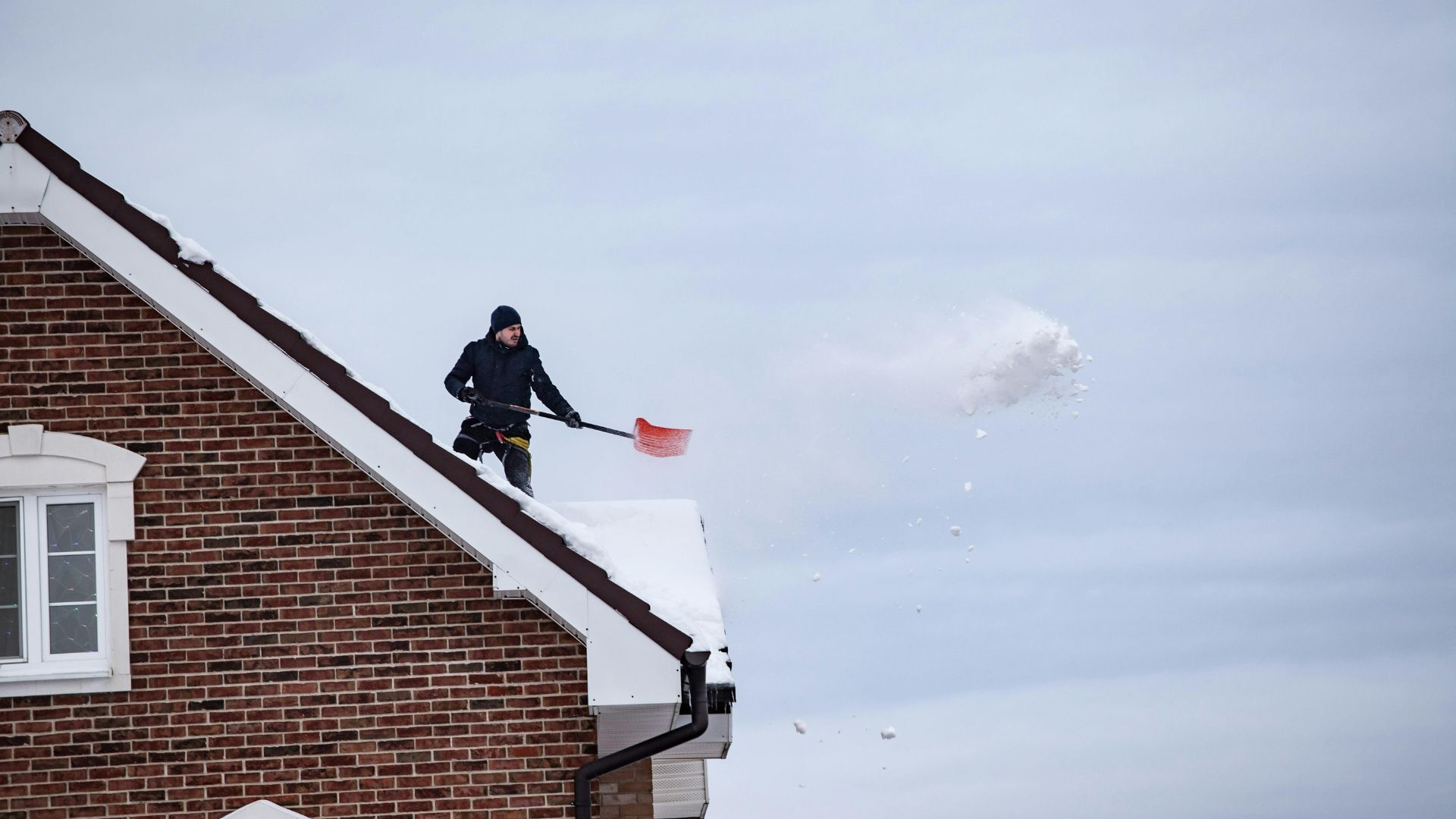

Fire officials across cold-weather states are issuing renewed warnings as winter cleanup efforts continue to trigger house fires tied to risky snow removal methods. Recent incidents show how quickly routine home maintenance can spiral when open flames enter the picture. Reports tied to torch use on icy roofs have drawn attention from local departments already stretched thin after severe storms.
Heavy snow and thick ice have pushed many homeowners to act fast as ice dams build along roof edges and gutters. As ladders go up and torches come out, fire crews say small sparks can turn into full attic fires within minutes. Stories from Massachusetts and other states show how fast flames travel once roofing materials ignite.
Authorities now emphasize safer approaches as snowfall continues across large portions of the country. Agencies point residents toward tools designed for snow removal and stress professional help when conditions worsen. The message carries urgency shaped by repeated calls and costly damage rather than theory or speculation.
Torch Use Triggers Repeated House Fires
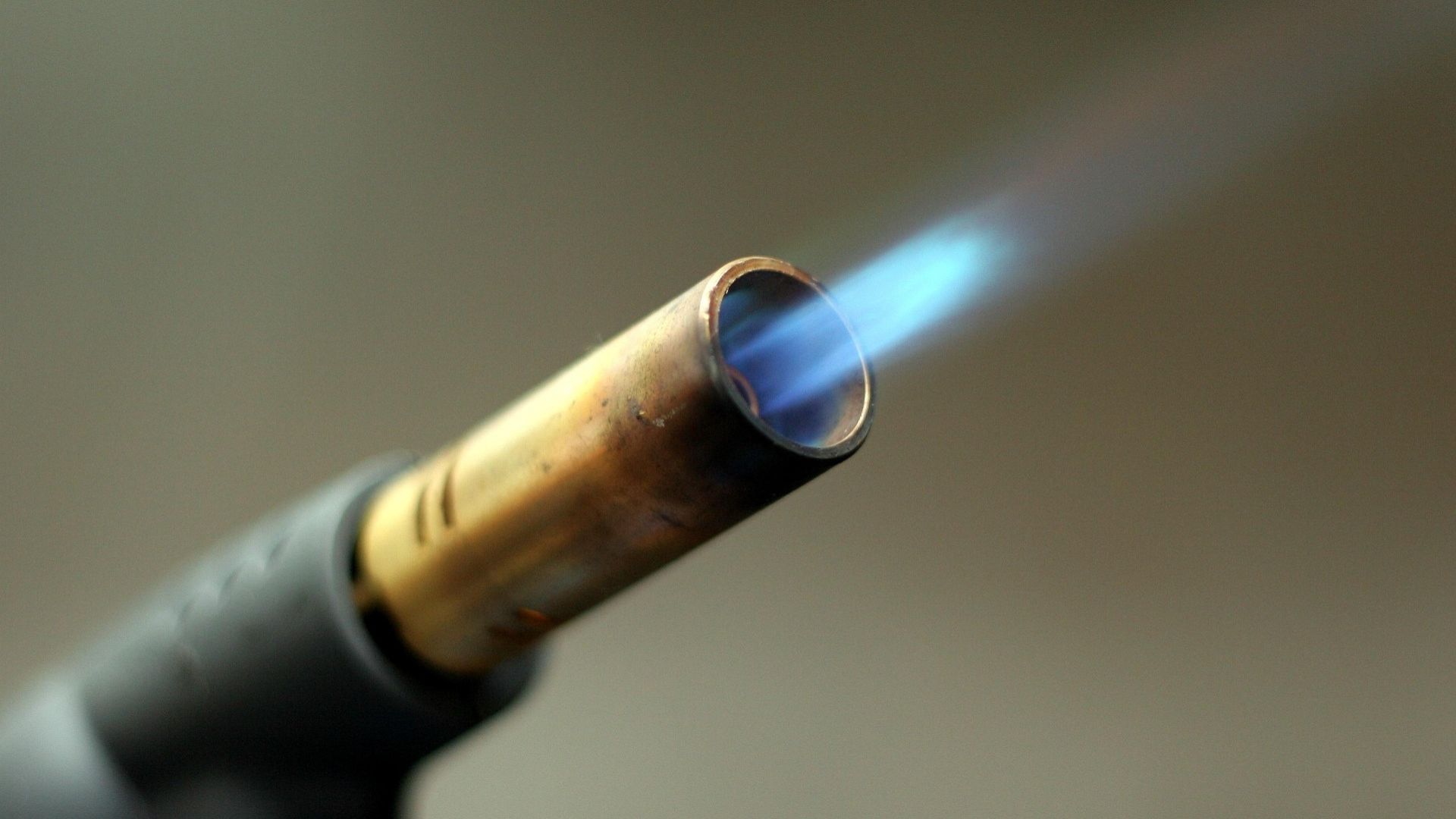
Fire officials say torch-related fires continue to surface as homeowners try to clear ice during heavy winter weather. Reports from Massachusetts describe a homeowner using a torch on a ladder to melt an ice dam when flames spread into the attic and consumed large portions of the house. Fire crews said the blaze moved fast through roofing materials and required hours to contain.
Similar incidents have appeared across other states as winter storms linger. In Illinois, firefighters responded after a propane kit ignited a porch during ice removal. In Ohio, a torch used on frozen steps sparked a fire that caused close to $100,000 in damage, according to local reports. Wisconsin officials also recalled a case where heated rubbing alcohol caught fire inside a home.
Fire departments say these incidents repeat the same pattern, with open flames meeting dry building materials under icy conditions. Warnings shared by local agencies stress that even brief torch use can ignite structural fires before homeowners have time to react.
Fire Agencies Outline Safer Snow Removal Methods
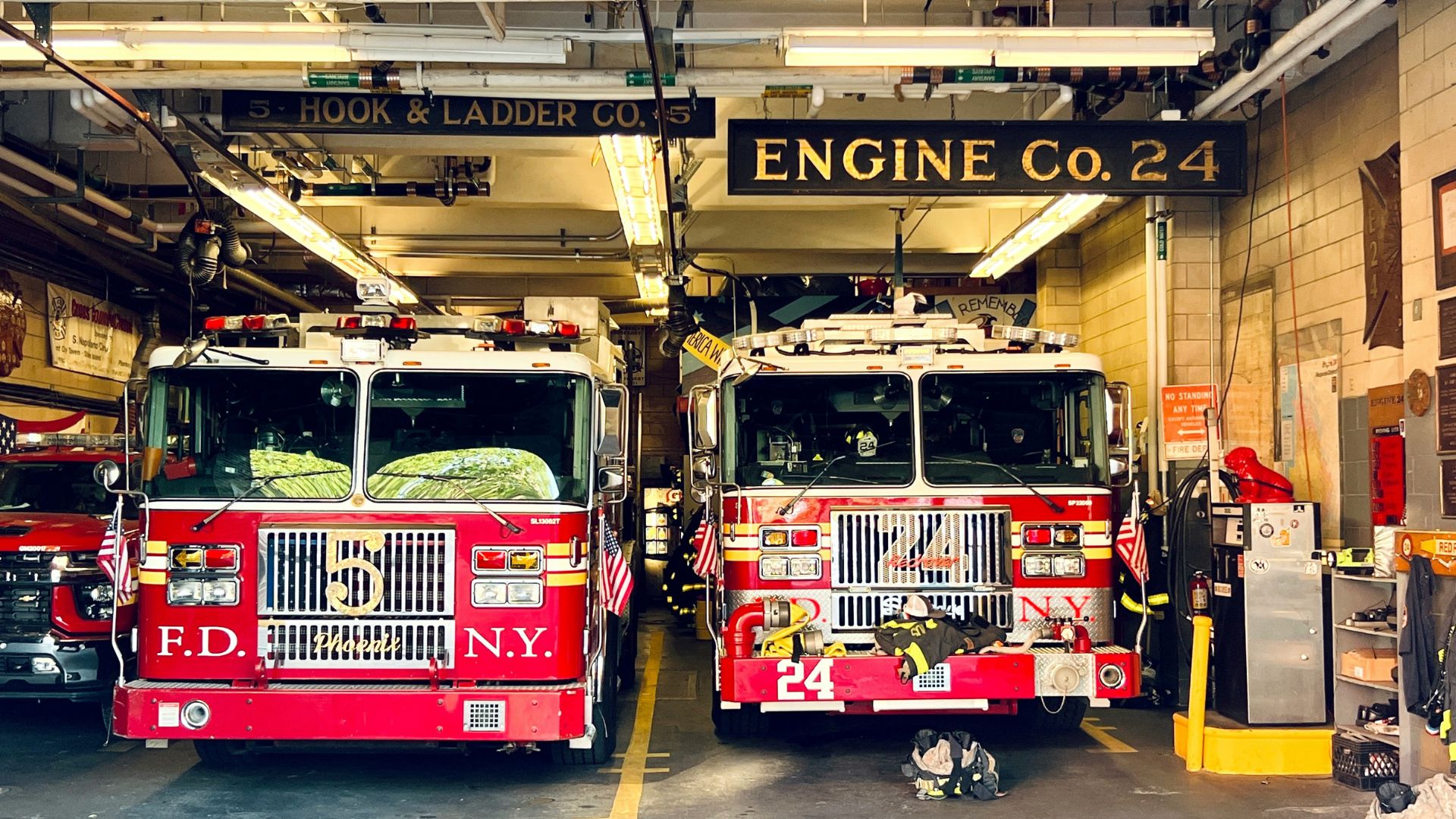
Fire agencies now point homeowners toward safer ways to deal with snow and ice as winter conditions linger. Guidance from state and federal officials focuses on removing weight from roofs without introducing open flames or heat sources. Officials say roof design, snow density, and accumulated ice all affect how much pressure builds over time.
Emergency management agencies encourage residents to keep removal methods simple and controlled. Snow rakes and plastic shovels allow people to work from the ground while keeping a distance from slick surfaces. Protective headgear and goggles help reduce injury risk as ice breaks free and slides off the roof edges.
Officials also advise leaving a thin layer of snow rather than scraping roofing materials bare. One agency notes homeowners should “try to shave the snow down to two or three inches on the roof” to avoid damaging shingles. Ladders require care as ice can collect on rungs and increase the chance of falls.
Insurance and Enforcement Pressure Grow After Winter Fires

Beyond safety warnings, these fires increasingly draw attention from insurers and local code officials. Insurance adjusters often treat flame-related snow removal incidents as preventable losses, which can complicate claims and raise premiums after repairs finish. Homeowners sometimes learn too late that policy language excludes damage tied to open flame misuse during maintenance.
Municipal officials also watch these incidents closely as winter conditions persist. Fire departments say repeated calls tied to ice removal strain crews already responding to weather-related emergencies. Local leaders now discuss tighter enforcement of fire codes tied to outdoor torch use near residential structures.
As winter storms continue to stack snow and ice on rooftops, officials expect messaging to grow sharper. Agencies want residents to recognize that common household tools can escalate small problems into major property losses. The focus remains on reducing emergency responses and limiting damage before another season of fires reshapes local enforcement and insurance responses.