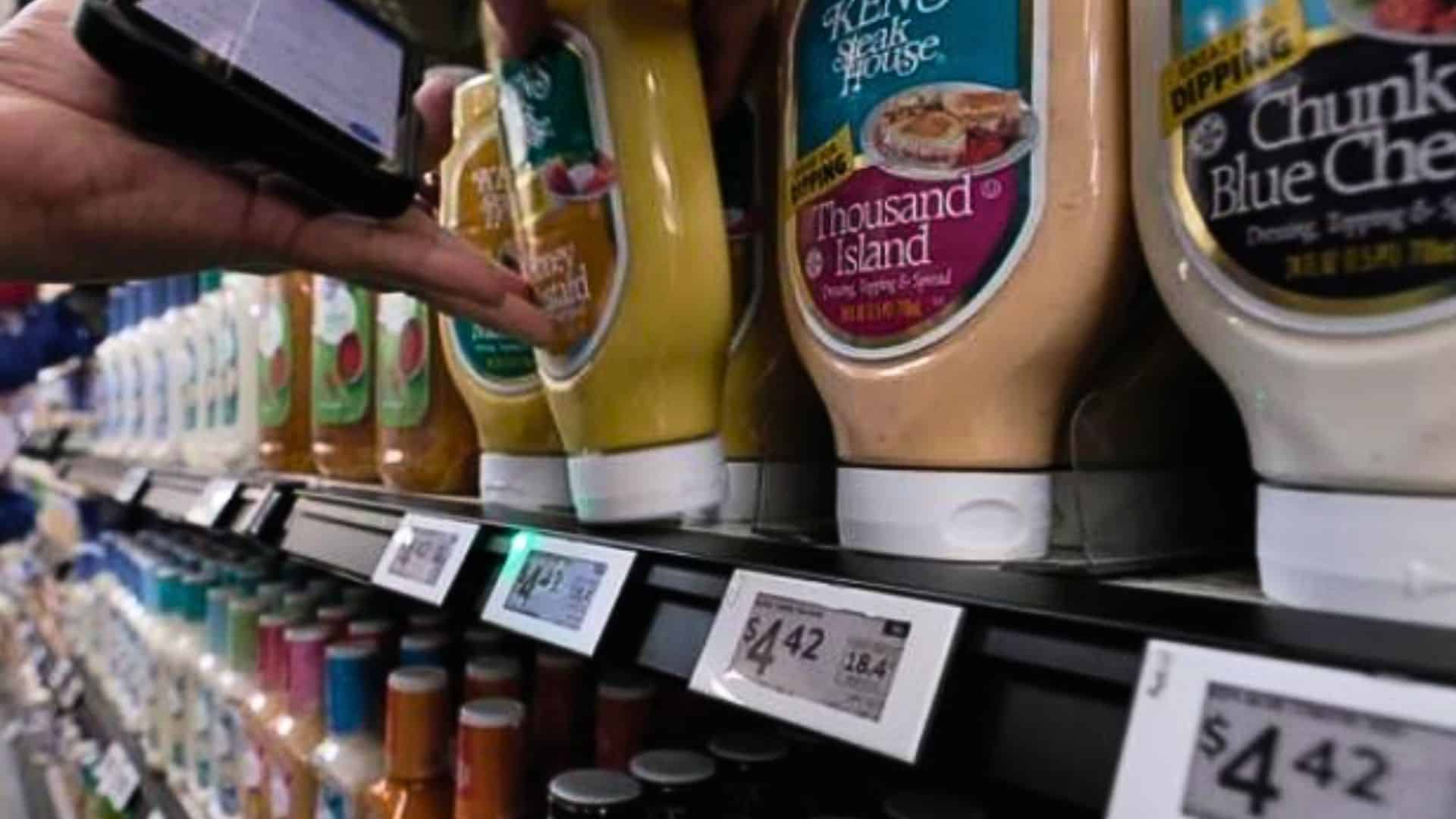
As digital tools reshape the in store shopping experience, lawmakers across the United States are stepping in to set new boundaries. Electronic shelf labels, once seen as a simple efficiency upgrade, are now at the center of a broader debate about transparency, fairness, and consumer trust.
State Legislators Turn Their Attention to Digital Pricing

After earlier debates over digital coupons, attention has shifted to electronic price displays on store shelves. Lawmakers in several states argue that these tools could be misused to alter prices too frequently or unfairly, especially for essential goods. Their concern is not the technology itself, but the lack of clear limits on how it may be applied in everyday retail environments.
Arizona Proposes a Strict Ban on Electronic Shelf Labels

In Arizona, Democratic representative Cesar Aguilar has introduced legislation that would prohibit businesses from using digital shelf labels altogether. The proposal also addresses emergency price increases and requires clearer return policies. By removing any allowance for electronic tags, the bill sends a strong signal that consumer protection should outweigh convenience driven innovation.
Retailers Face Potential Disruption
A full ban would affect major chains that already rely on digital pricing systems. Companies such as Kohl’s adopted electronic labels years ago, while Walmart and Kroger have been expanding their use more recently. For these retailers, the technology reduces manual labor and speeds up price updates, making legislative pushback a significant operational challenge.
Rhode Island Takes a More Moderate Approach
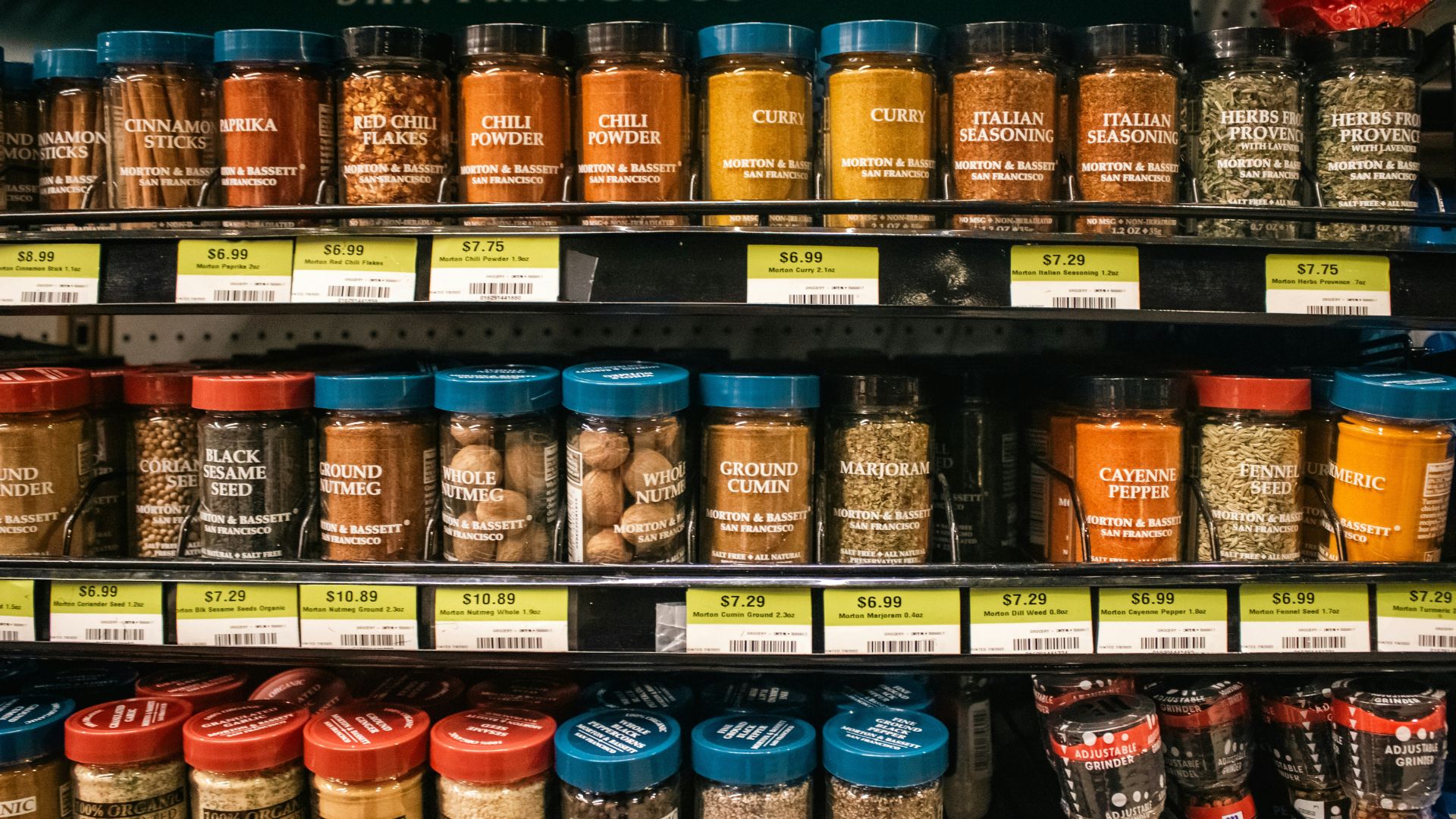
Rhode Island lawmakers are considering a different path. Rather than banning digital tags outright, their proposal would require physical price labels alongside any electronic display. The goal is to ensure shoppers always have a stable, visible reference point, even if digital prices change rapidly.
Concerns About Rapid Price Changes

Supporters of the Rhode Island bill argue that electronic labels can be updated multiple times within minutes. This frequency, they say, risks confusing consumers and undermining price consistency. By mandating printed tags, lawmakers hope to slow down price volatility and reinforce confidence at the shelf level.
The Broader Debate Over Surveillance Pricing
Several states are also targeting a related issue known as surveillance pricing. This practice involves adjusting prices based on personal data gathered through cameras, biometrics, or other tracking tools. California’s proposal goes further by naming electronic shelf labels as a possible vehicle for such practices, asserting that identical products should carry the same price for every shopper.
Why Walmart’s Expansion Raised Alarms

Public concern intensified after Walmart announced plans to deploy digital shelf labels across thousands of locations. While the company emphasized improved efficiency and better customer support, critics warned that dynamic pricing could allow subtle increases on high demand items or even changes between selection and checkout.
Rhode Island’s Fair Price Grocery Agenda

Lieutenant Governor Sabina Matos has framed her state’s proposals as part of a broader effort to stabilize grocery costs. Alongside rules on shelf labels, the agenda includes measures to help smaller grocers compete, streamline the opening of new stores, and regulate how discounts are offered in an increasingly digital marketplace.
Digital Coupons and Access Equity
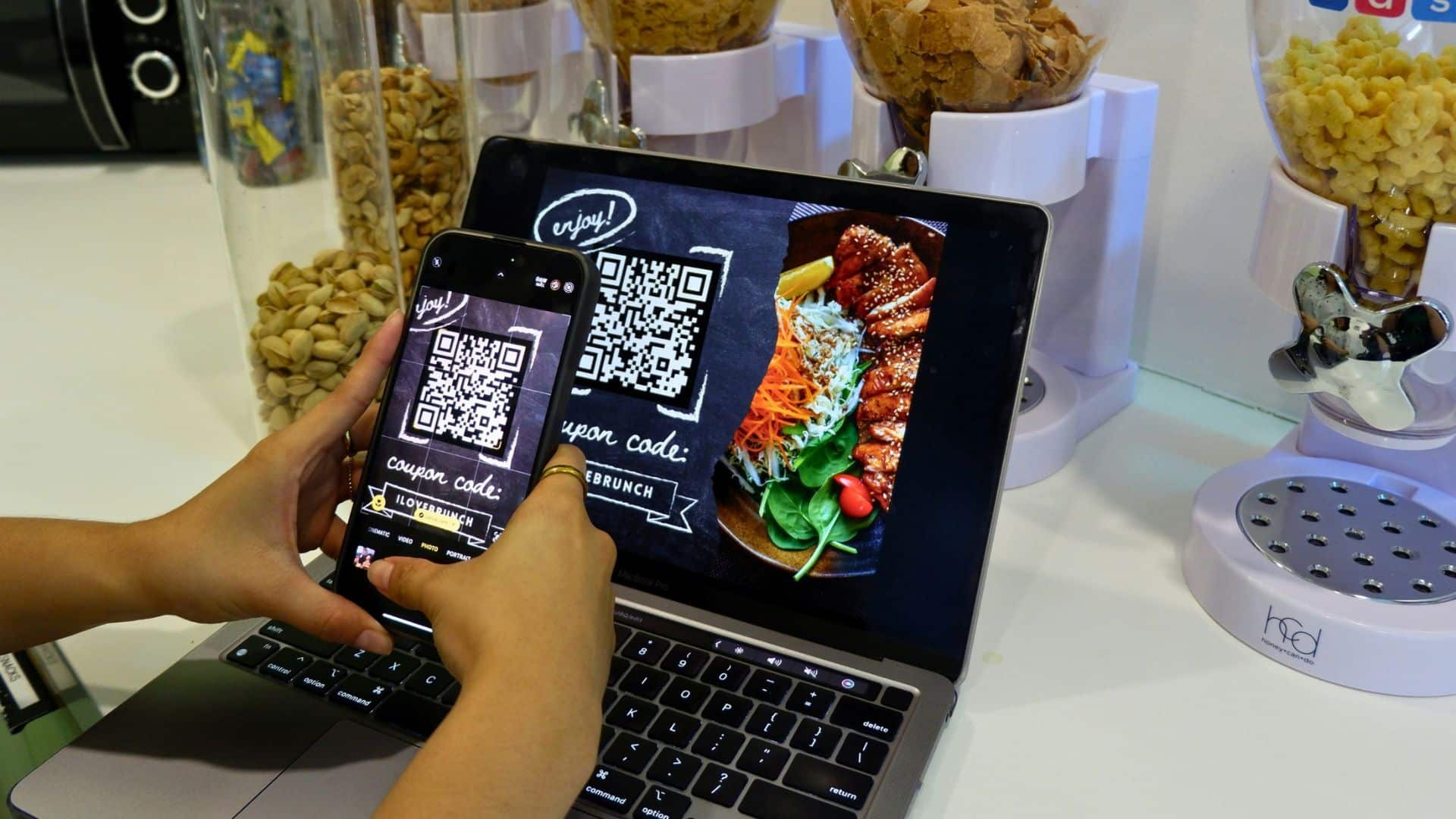
One proposal would require retailers to offer alternatives for shoppers who cannot easily use digital coupons. Supporters argue this levels the playing field for older adults and low tech consumers. Industry representatives counter that strict rules could reduce the availability of discounts overall, limiting savings rather than expanding them.
Who Will Shape the Future of Retail Pricing

As these bills move through committees, the outcome remains uncertain. Advocates believe legislative action is necessary to protect families and seniors from unpredictable pricing. Retailers maintain that digital tools ultimately lower costs and improve efficiency. The coming months will reveal whether market forces or public policy set the rules for how prices appear on store shelves.