New SNAP Rules Start in February and Millions Could Lose Food Benefits
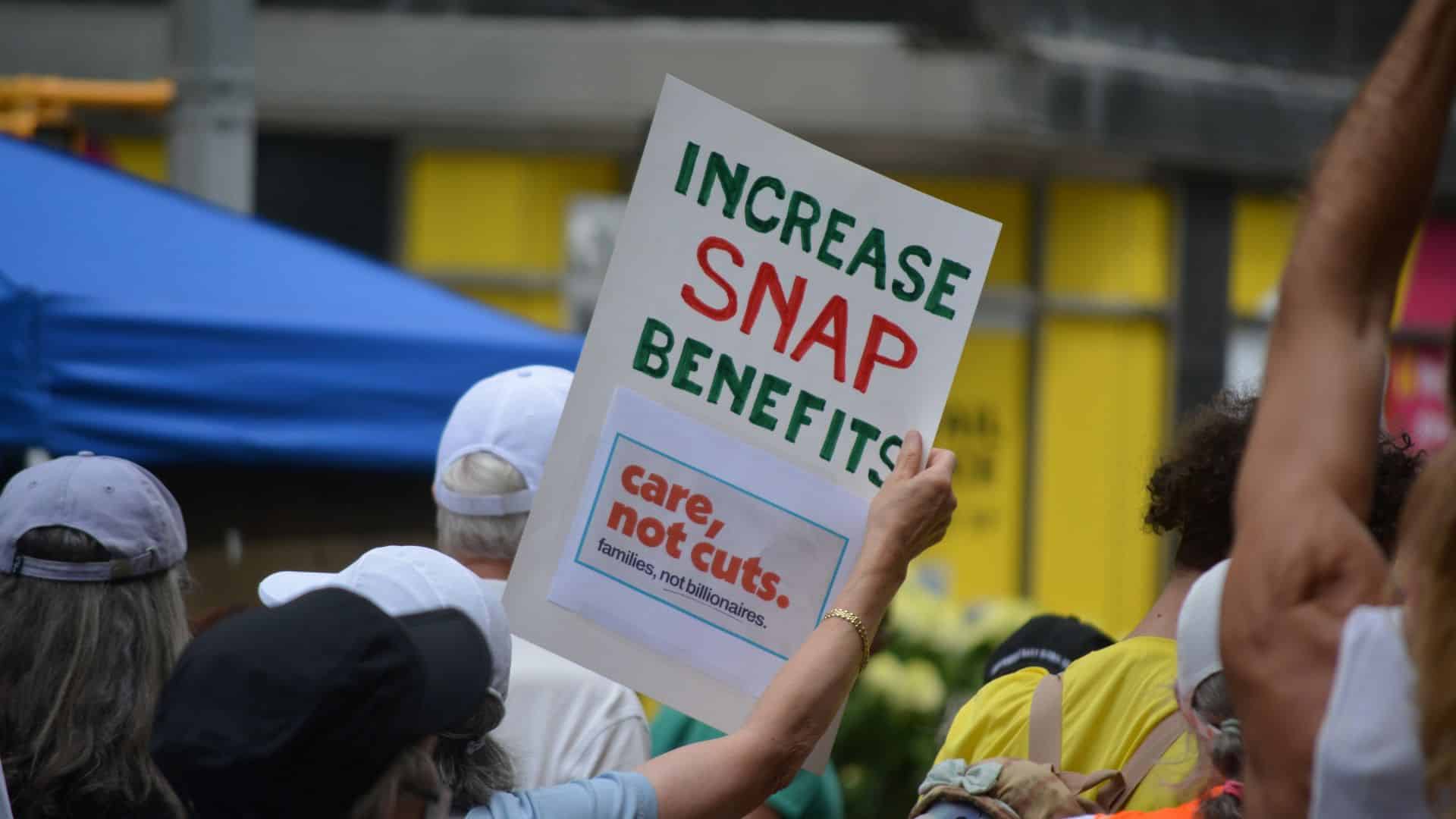

Millions of households relying on SNAP are about to feel a change that carries real consequences. As February begins, new federal rules tied to work hours and eligibility take effect, and the timing is unsettling for families already budgeting every grocery trip. For many recipients, the concern is not confusion but uncertainty, since benefits that once arrived predictably may now hinge on monthly reporting, age limits, and household details that rarely stayed under scrutiny.
New Federal Work Rules Begin February 1
New federal work rules tied to SNAP take effect February 1, and they arrive with clearer boundaries around eligibility. Under the updated law, adults ages 18 through 65 without dependents must meet monthly work or training hours to keep benefits, and that requirement now reaches further than before. As the date approaches, recipients face tighter timelines and fewer buffers, with eligibility increasingly tied to documented activity rather than prior exemptions.
Expanded Age Range for Required Work Hours

Parents With Teen Dependents Face New Conditions

Loss of Longstanding Exemptions for Vulnerable Groups

Longstanding exemptions that once shielded specific groups now disappear under the updated rules. Veterans, unhoused individuals, and young adults under 24 who recently exited foster care now fall under the same work expectations as other recipients. As those protections fade, compliance depends on steady reporting and program access, which ties benefit continuity to systems that many in these groups rarely navigate with consistency or reliable documentation.
Stricter Limits on State Waivers and Extensions
State flexibility around benefit extensions tightens under the new rules, and that change affects how long assistance can last in areas with limited jobs. Waivers that once allowed extensions beyond three months now depend on unemployment rates reaching 10 percent or higher. With that threshold in place, states face narrower options for relief, and recipients must track eligibility windows more closely as local job conditions carry less weight than before.
Citizenship and Residency Limits Tighten Eligibility
Eligibility rules now narrow around citizenship and residency status, and that change reaches households that previously qualified under broader federal definitions. Benefits now apply mainly to U.S. citizens and limited lawful permanent residents, which removes access for people admitted under asylum or humanitarian provisions tied to safety concerns. As that filter tightens, documentation reviews grow stricter, and households must align status records with state systems that allow little margin for delays or corrections.
States Absorb Higher Costs and Administrative Burden
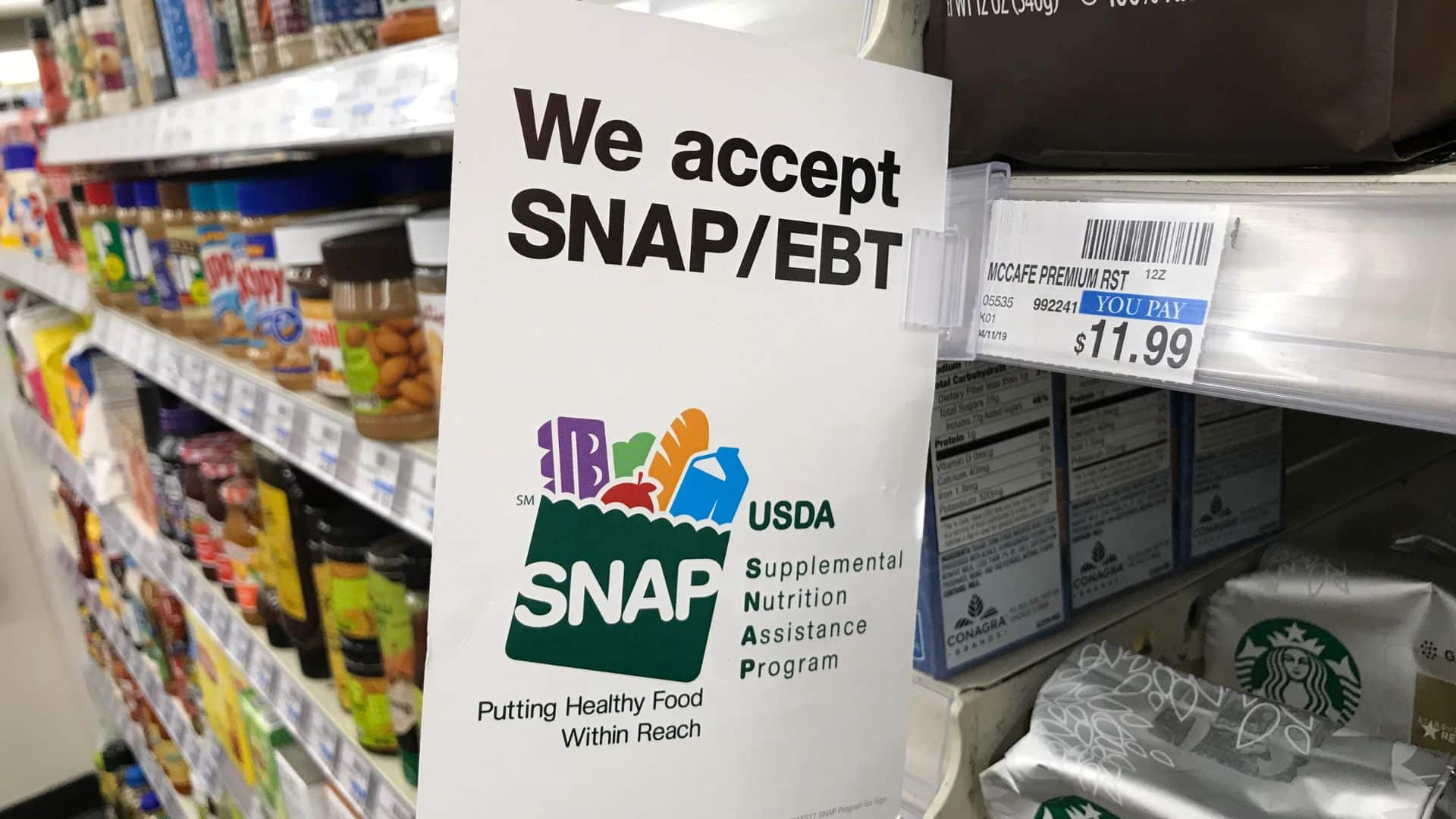
States now carry a larger share of SNAP costs as the new rules take hold. Under the law, states must cover up to 15 percent of benefit expenses when payment error rates rise, and that obligation connects directly to expanded oversight. At the same time, administrative cost sharing increases from 50 percent to 75 percent, which ties benefit delivery more tightly to state budgets, staffing levels, and compliance systems that already handle regular eligibility reviews.
Debate Grows Over Fraud Claims and Program Impact

Federal officials frame the new rules around fraud prevention, and that framing has sparked wider scrutiny. Agriculture Secretary Brooke Rollins has argued that ineligible recipients drain the program, and those claims now circulate as justification for tighter oversight. At the same time, research from the Congressional Research Service describes SNAP fraud as rare, which keeps advocates focused on how enforcement language may shape access rather than correct payment errors.
A Narrower Path to Keeping Benefits

What emerges as February approaches is a program that now moves with tighter guardrails. New work rules, narrower exemptions, and firmer state limits connect eligibility more directly to reporting and documentation, so households must track requirements closely. Because of that structure, benefits depend less on circumstance and more on compliance timelines, which in turn leaves millions watching deadlines, paperwork, and eligibility windows that no longer bend the way they once did.