U.S. ‘Inverted Food Pyramid’ Cuts Sugar, But Experts Worry About What It Puts Back on the Plate
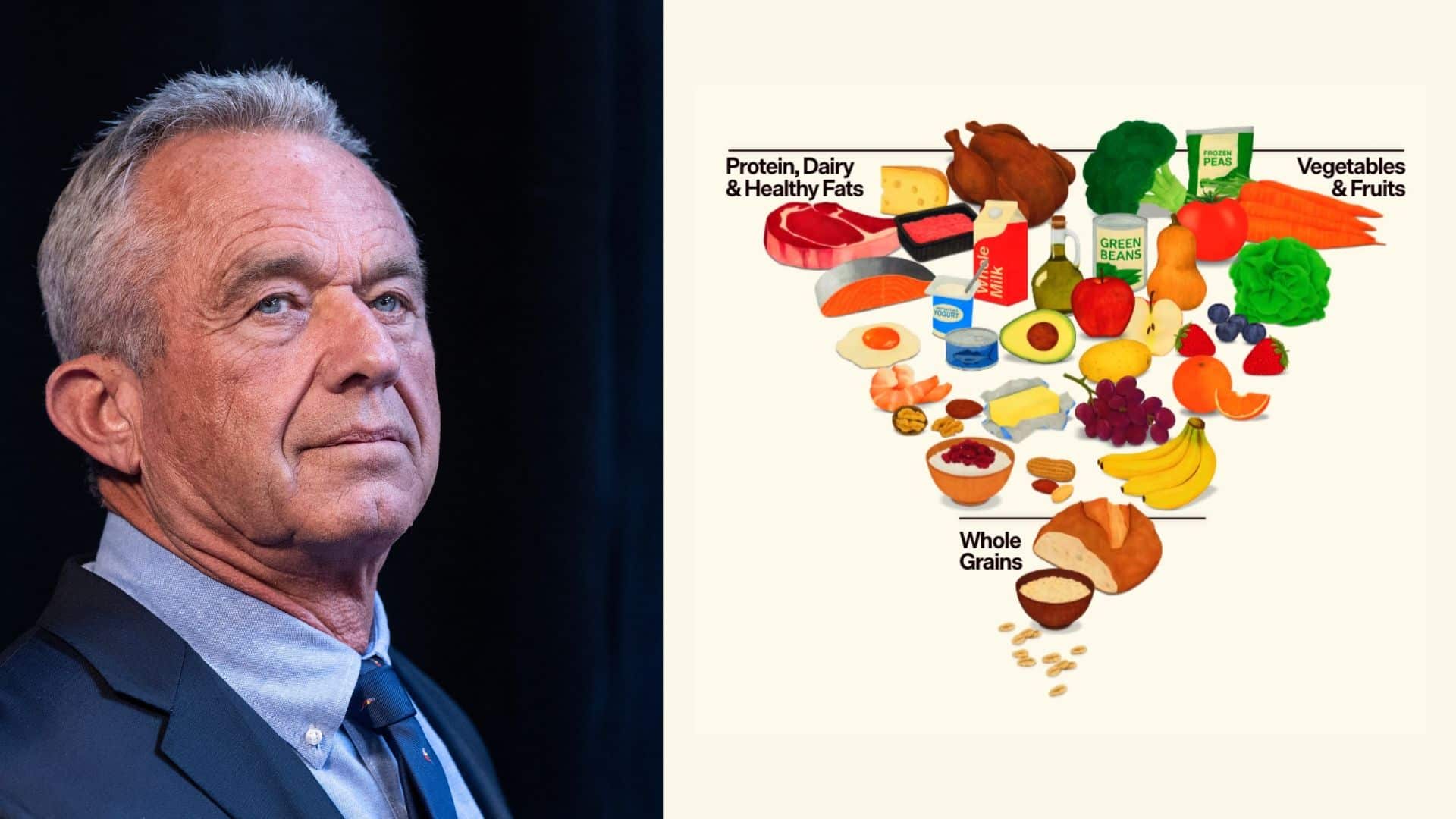

The United States has unveiled a redesigned food pyramid that places meat, dairy, and fat at the center of daily eating advice, a move that reaches far beyond personal diet choices. Federal nutrition guidelines shape meals served in schools, hospitals, and military bases, so even subtle changes ripple outward quickly. As the new graphic circulates, attention has turned to what the government now wants Americans to eat more of, and how that guidance fits with long-standing public health goals.
Health Secretary Robert F. Kennedy Jr. presented the updated model in January, framing it as a reset that cuts sugar, soda, and heavily processed foods. Fresh cooking and higher protein intake sit at the heart of the message, with steak and cheese replacing grains at the base of the chart. Protein targets now climb to 1.2 to 1.6 grams per kilogram of body weight per day, a level that exceeds guidance used by many international health bodies.
Nutrition experts have reacted with unease as the details sink in. Fruit and vegetables remain on the chart, yet red meat, butter, and full-fat dairy now carry a seal of approval that many researchers associate with higher long-term health risks. As institutions prepare to adapt, questions are already forming about health outcomes, scientific process, and whose interests the new pyramid ultimately serves.
Higher Protein Intake Concerns
Health researchers have focused closely on the protein targets embedded in the inverted pyramid, since daily recommendations now climb to 1.2 to 1.6 grams per kilogram of body weight. That figure nearly doubles guidance used by the World Health Organization and European health agencies, which already prompts debate inside nutrition science circles. As the numbers rise, attention naturally turns toward how people meet them through food choices promoted in the chart.
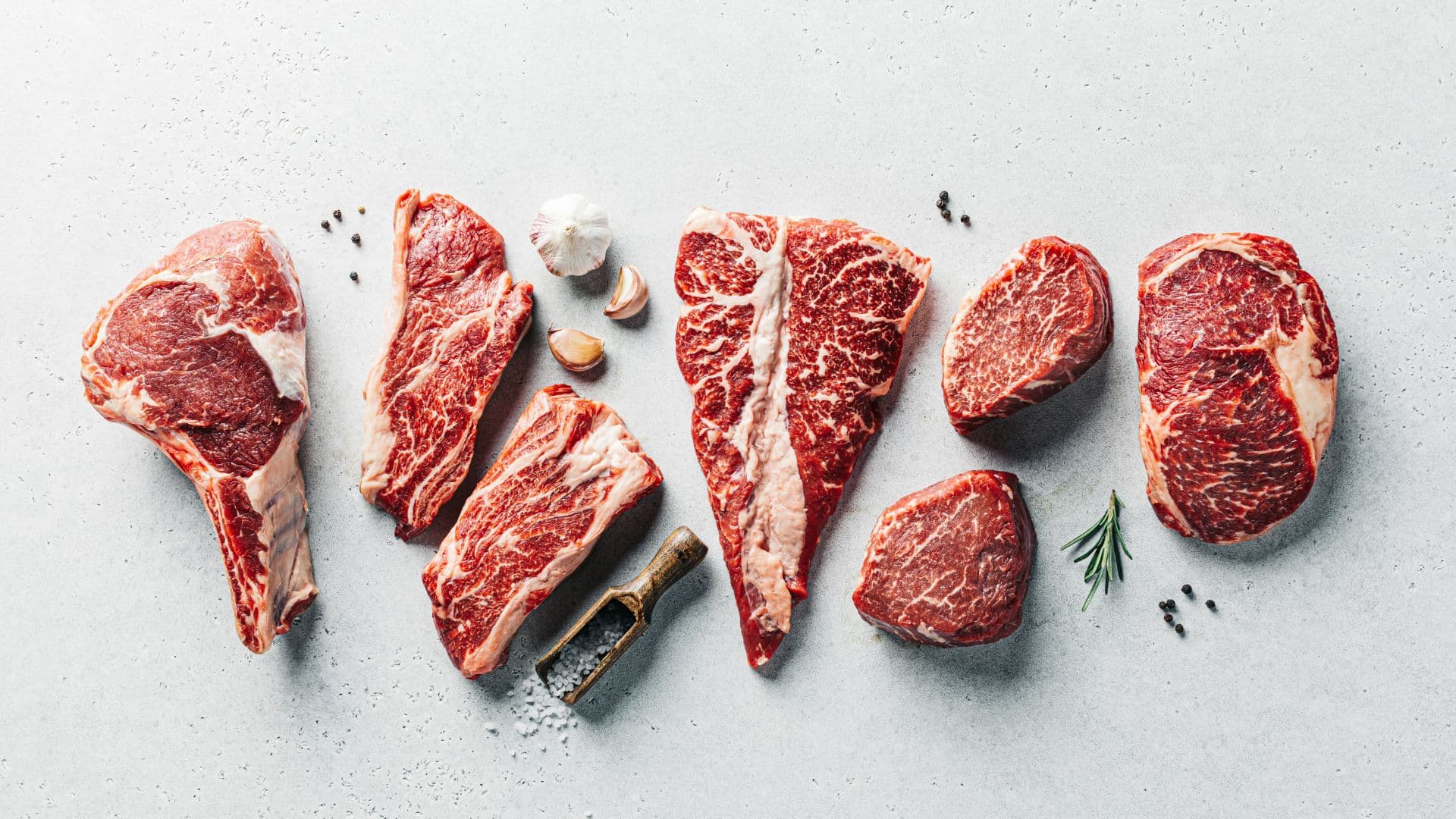
Cardiologists point out that steak, full-fat dairy, and butter dominate the new visual, and those foods often bring saturated fat and salt along with protein. A single marbled steak paired with whole milk products can exceed existing limits for saturated fatty acids outlined in federal guidance. Professional nutrition groups note that language about protein variety appears in supporting documents, yet meat remains the most visible option.
Public institutions face added pressure as they adapt menus around these targets. Budget limits, staffing gaps, and supply constraints make fresh cooking at scale difficult, which raises doubts about how faithfully the guidance can translate from chart to cafeteria.
Scientific Transparency Under Scrutiny
Attention has also turned toward how the new dietary guidance came together and who shaped its final form. The German Nutrition Society has questioned the process, pointing out that the U.S. advisory committee scaled back open consultations while conducting much of its work behind closed doors. That approach has fueled concerns about whether the evidence review reflected a full range of independent scientific voices.
Researchers in Europe and the United States note that studies cited in the appendices do not show clear health gains from long-term protein intake above 0.8 grams per kilogram of body weight per day. The German Nutrition Society said publicly that higher targets show no added benefit for most people, which raises doubts about why the ceiling moved upward so sharply. Sustainability metrics tied to climate and environmental impact also received limited attention.
Industry influence has become part of the conversation as well. Critics argue that producers of animal-based foods stand to gain the most, as political messaging around “real food” increasingly overlaps with agricultural lobbying interests.
Silence from global health bodies has added another layer of uncertainty around the new pyramid. The World Health Organization, often criticized by U.S. political leaders, has offered no formal response even as American guidance drifts further from its recommendations. That absence leaves national agencies and institutions without an external reference point as they weigh how closely to follow the new model.
Political framing has also drawn attention as officials promote the guidelines using language that appeals to cultural identity and voter sentiment. References to ending a “war on protein” place dietary advice inside broader debates that extend beyond nutrition science. As messaging grows louder, researchers worry that public understanding of healthy eating becomes harder to separate from campaign-style rhetoric.
Environmental considerations now sit near the edge of the discussion. Higher meat and dairy consumption carries climate and resource implications that the current framework does not fully address. As schools, hospitals, and public programs adjust their menus, questions about long-term health, environmental cost, and public trust continue to travel alongside the food now placed at the center of the plate.