FDA Wants Cheese Pulled From Shelves Because Growing Contamination Risks Could Impact Shoppers Nationwide

Federal health officials are investigating a multistate outbreak of E. coli O157:H7 infections linked to RAW FARM-brand raw cheddar cheese. According to the FDA’s March 2026 outbreak advisory, the investigation is ongoing and the agency has publicly connected the cheese to confirmed illnesses. The product in question includes both block and shredded varieties of raw cheddar.
As of mid-March, seven confirmed infections have been reported across three states: California, Florida, and Texas. Two people have been hospitalized, and four of the seven cases involve children aged three or younger. While no deaths or cases of hemolytic uremic syndrome (HUS) have been reported, the outbreak has drawn significant concern due to the vulnerability of young children to serious complications.
The FDA notes that epidemiological evidence indicates RAW FARM-brand raw cheddar cheese is the “likely source” of the outbreak. Whole genome sequencing has shown the bacterial strains in infected individuals are closely related, suggesting a common source. Even without positive product samples yet confirmed, the pattern of illnesses has been strong enough to prompt federal action.
Lawmakers Demand Immediate Action

Members of Congress are now urging the FDA to go further. In a public statement, Representatives Rosa DeLauro and other members of the Food Safety Caucus called on regulators to force a recall if the company refuses to comply voluntarily. Their message was blunt: “Get it off the shelves – now.”
The lawmakers emphasized that two people have already been hospitalized and that more than half of the illnesses involve very young children. They argued that allowing potentially contaminated products to remain available puts consumers at risk, especially families with small children who may be more susceptible to severe outcomes.
Under federal law, the FDA has mandatory recall authority when a company refuses to remove unsafe food from the market. RAW FARM has declined the agency’s voluntary recall recommendation so far. Lawmakers say that if voluntary cooperation fails, regulators should pursue court action to protect public health.
The Company Pushes Back
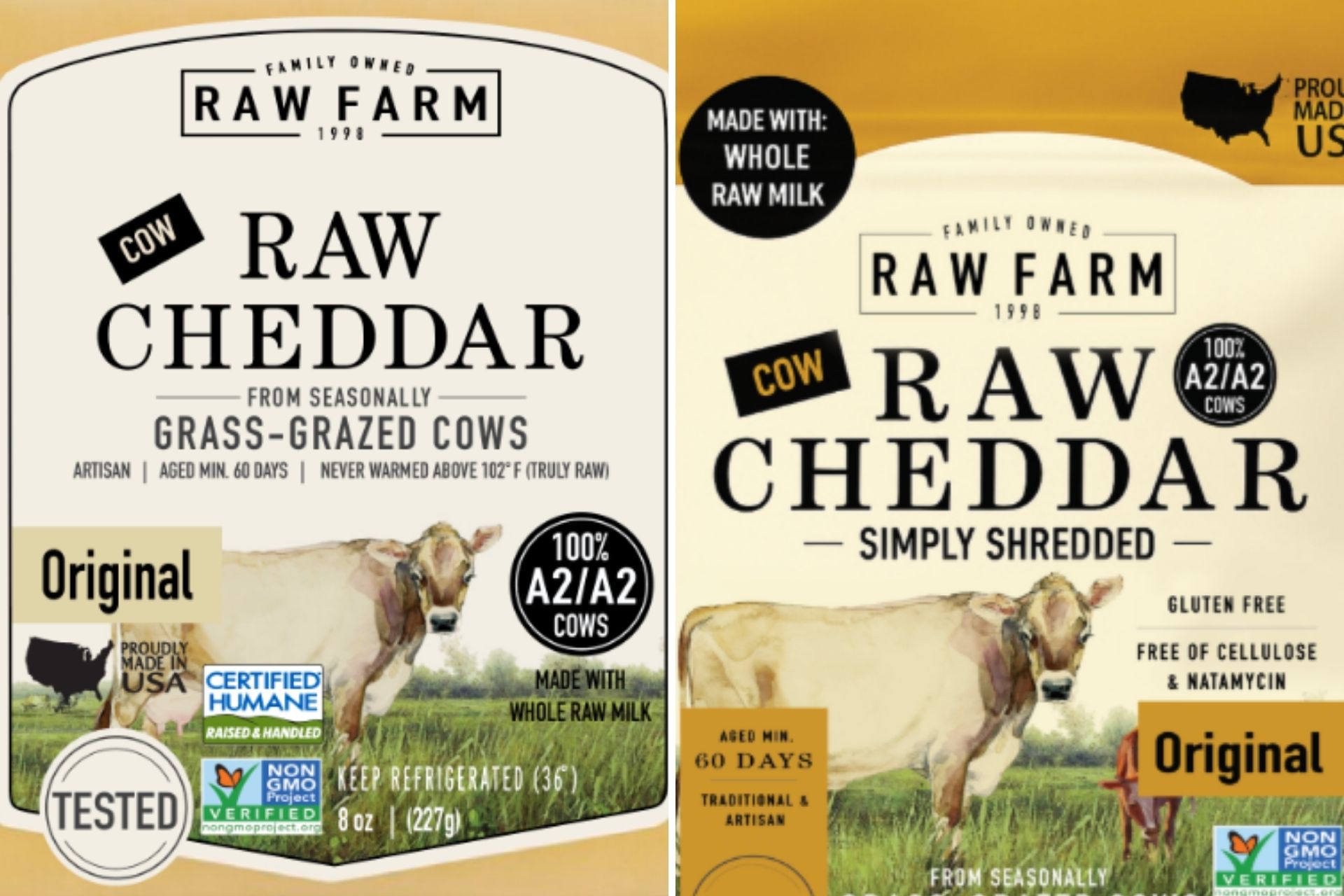
RAW FARM, one of the largest producers of raw dairy products in the United States, disputes the agency’s findings. Founder Mark McAfee has publicly criticized the FDA’s recommendation, arguing that regulators have not produced pathogen tests showing contamination in the company’s cheese. He has stated that the company conducts extensive internal testing and has found no positive results.
According to reporting from Fresno, where the farm is based, McAfee says the company runs its own on-site laboratory and performs frequent testing of milk and cheese batches. He has framed the FDA’s advisory as premature, saying regulators should wait for more definitive lab results before pushing for a recall.
The FDA, however, maintains that epidemiological evidence alone can justify strong public health recommendations. In outbreak investigations, interviews with sick individuals and genetic analysis of bacterial strains can establish likely sources even before product testing is complete. The agency has made clear that the investigation is still underway and updates will be provided as more information becomes available.
What Shoppers Should Know Now

E. coli O157:H7 can cause severe stomach cramps, bloody diarrhea, fever, nausea, and vomiting. In some cases, especially among young children and older adults, infections can lead to hemolytic uremic syndrome (HUS), a serious form of kidney failure that may require hospitalization. Even though no HUS cases have been reported in this outbreak, health officials are urging caution.
The FDA advises consumers, retailers, and restaurants to carefully clean and sanitize surfaces that may have come into contact with RAW FARM-brand cheddar cheese. Cross-contamination in kitchens can spread bacteria to other foods, increasing the risk of illness. Anyone who has eaten the product and experiences symptoms is encouraged to seek medical care immediately.
For now, the product distribution is listed as nationwide, meaning shoppers across the country could potentially encounter the cheese. While the company disputes the connection, federal investigators continue to examine the source of contamination. Until more definitive findings are released, consumers are left weighing competing claims—balancing personal preference for raw dairy products against the growing concern of a documented outbreak affecting families in multiple states.

