From $18 Beer to $75 Caviar Tots, the World Cup Food Prices Are Turning Heads

The 2026 FIFA World Cup was always expected to be an expensive event. Between international flights, hotel rates, and match tickets, fans traveling across North America knew they would be spending heavily. What many did not anticipate was the conversation that would erupt around the cost of food and drinks once they arrived at the stadiums.
Across venues in the United States, Canada, and Mexico, concession menus have become a story of their own. Social media posts featuring receipts, menu boards, and stadium food photos have circulated widely, with some supporters expressing disbelief at the prices attached to everyday snacks and beverages.
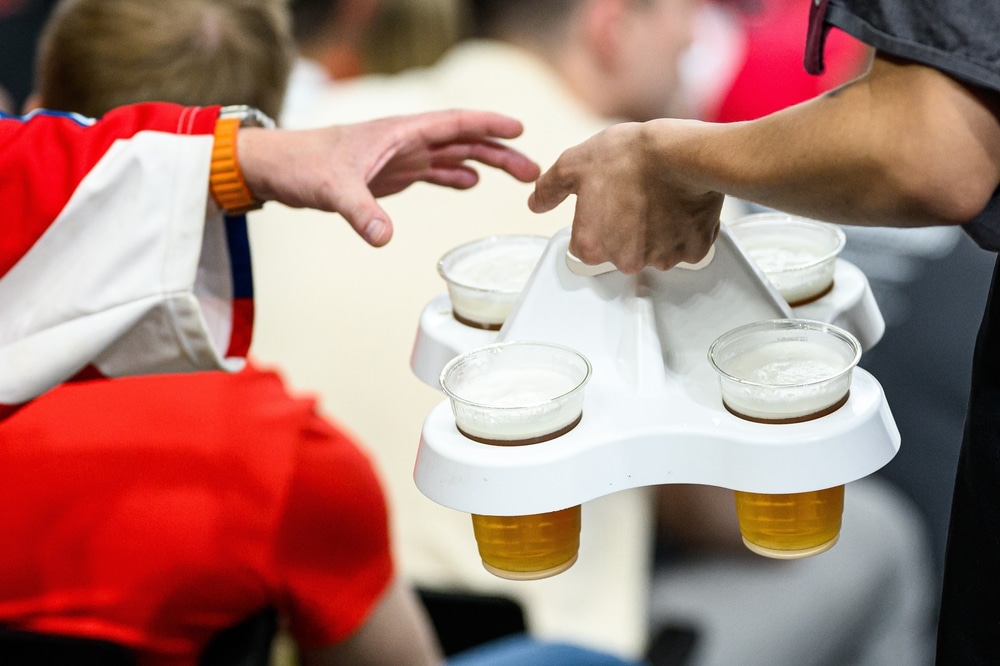
The numbers are difficult to ignore. In some venues, a standard beer costs around $18, while bottled water has been listed at more than $10. For international visitors accustomed to lower matchday prices, the experience has become an unexpected lesson in North American sports economics.
The Menu Items Everyone Is Talking About
While beer prices have generated the loudest complaints, some of the tournament’s signature food offerings have attracted attention for a different reason. Host cities have embraced local flavors, creating specialty items designed to showcase regional culture while generating social media buzz.
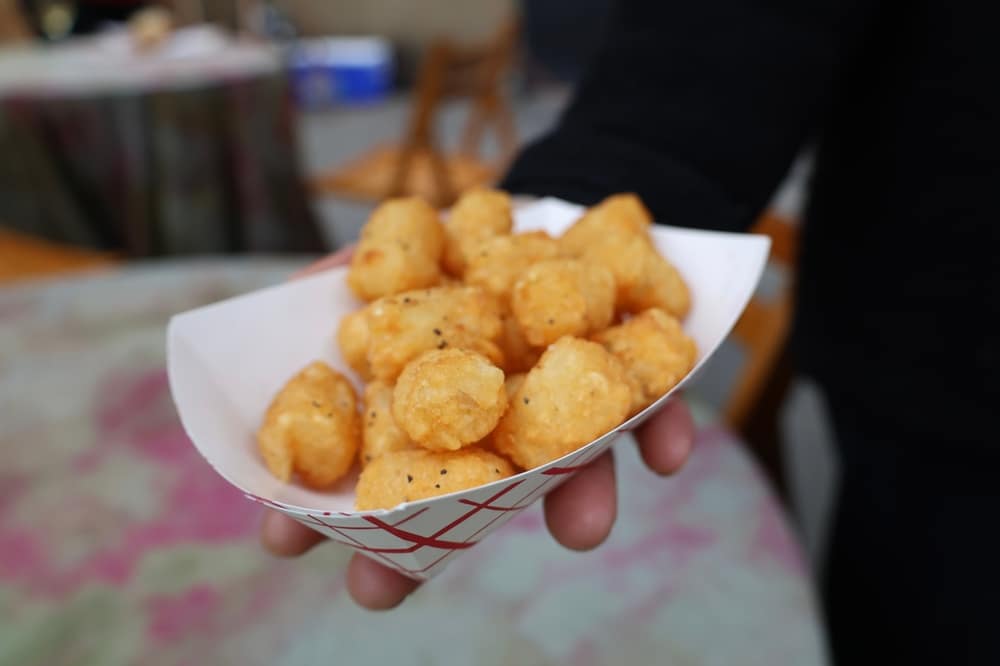
Among the most discussed offerings is Miami’s “Fancy AF Tots,” a $75 dish featuring deep-fried hash browns topped with caviar, crème fraîche, and chives. The same venue also offers a five-pound chicken-and-cheese empanada priced at $40, a portion large enough to share among several fans. In Los Angeles, a $22 Twinkie cheeseburger has become another conversation starter, combining a traditional burger with a bacon-wrapped jalapeño stuffed with brisket and cream cheese.
Other cities have taken a more local approach. Vancouver serves short-rib poutine and maple-bacon sausages, while Guadalajara offers comparatively affordable tacos and beer. The result is a World Cup food landscape that varies dramatically depending on where fans attend matches.
Why International Fans Are Feeling the Difference
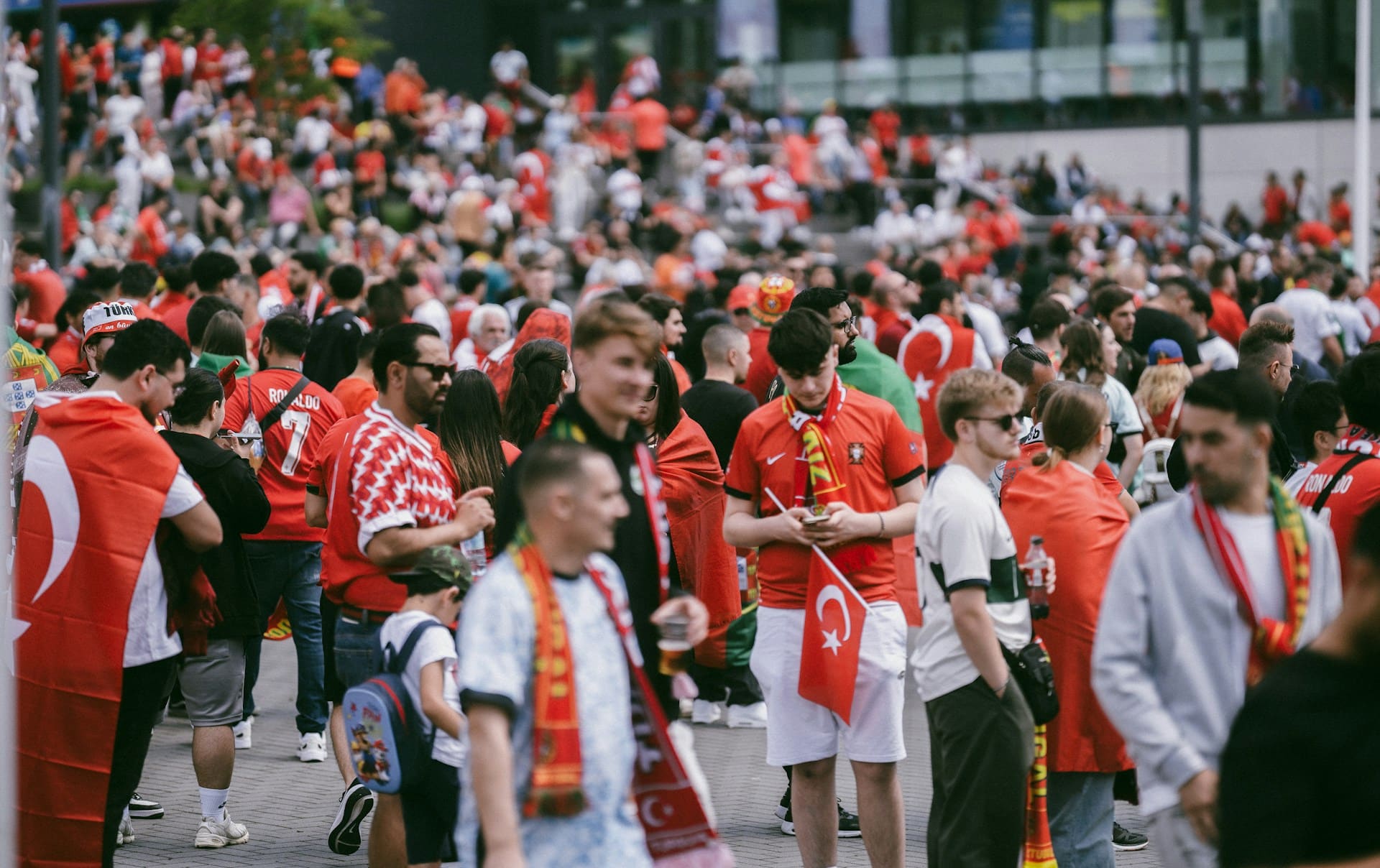
For many visitors, the issue is not simply the price itself but the contrast with what they typically pay at home. European supporters, in particular, have been vocal about the cost of beverages inside stadiums, where a beer can cost three times more than it would at a domestic match.
The reaction highlights a broader cultural difference. Many North American sports venues have long relied on premium concession pricing as a significant revenue source. NFL, NBA, and Major League Baseball fans are often accustomed to paying elevated prices for food and drinks during games. For international soccer supporters, however, those costs can feel unusually high compared with matchday experiences in Europe and South America.
Research into host-city pricing has found substantial gaps between stadium prices and nearby restaurants. In some locations, beer prices inside World Cup venues are more than double local market rates. In parts of Mexico, analysts found that a single stadium beer could approach the equivalent of a daily minimum wage.
Not Every Stadium Is Following the Trend
Despite the widespread attention surrounding expensive concessions, not every host venue has embraced premium pricing. Atlanta’s Mercedes-Benz Stadium has emerged as a notable exception, continuing a long-standing strategy aimed at keeping food and drinks affordable.
Fans attending matches there have reported finding pizza slices for $3, cheeseburgers for $5, chicken tenders with fries for $6, and beers starting around $8. Those prices stand in sharp contrast to many other World Cup venues and have earned praise from supporters looking to stretch already strained travel budgets.
As the tournament continues, the debate over concession costs is likely to remain part of the broader World Cup conversation.

