$100 Million Drug Bust After Shipment Found Hidden in Bananas
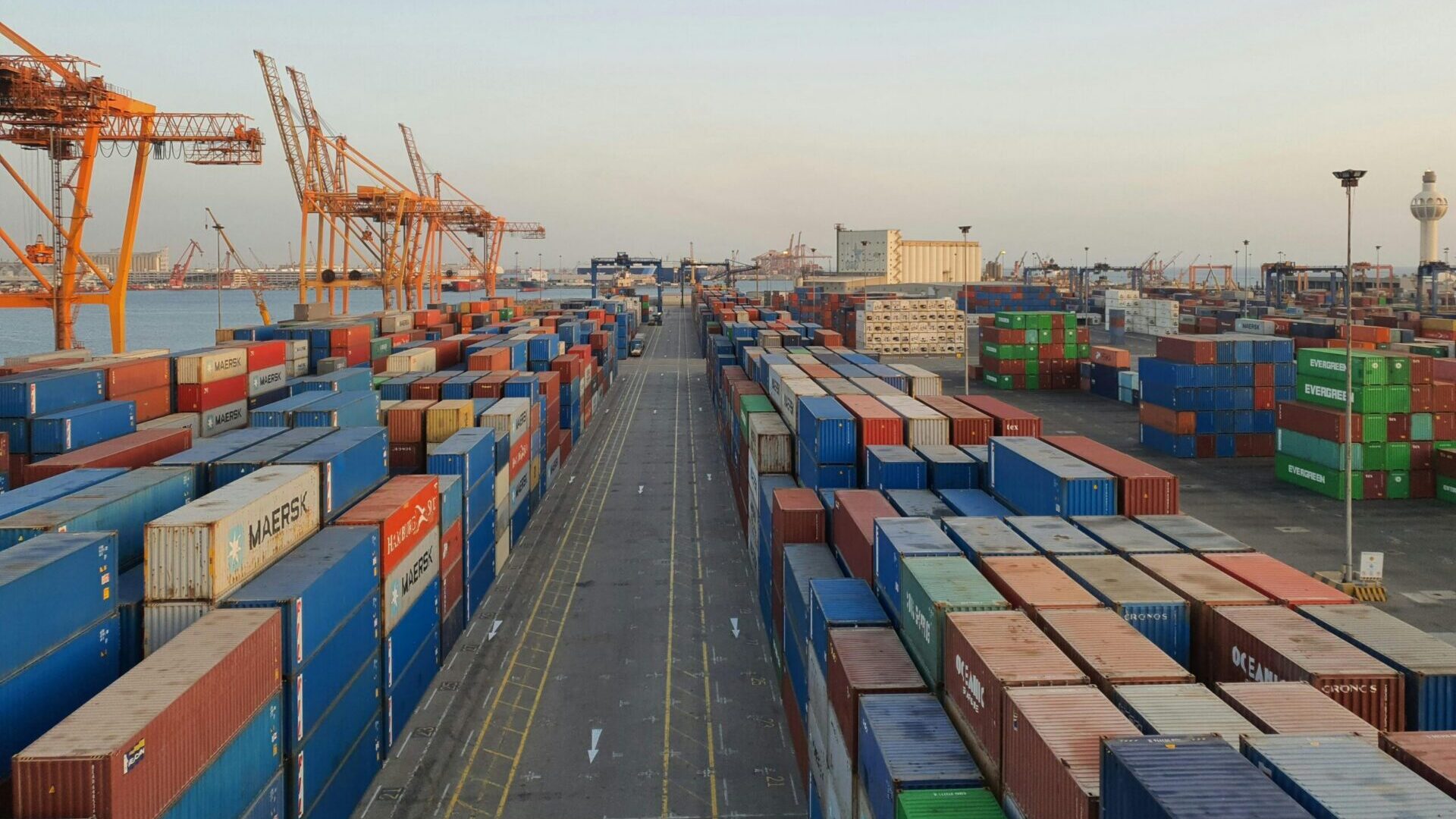

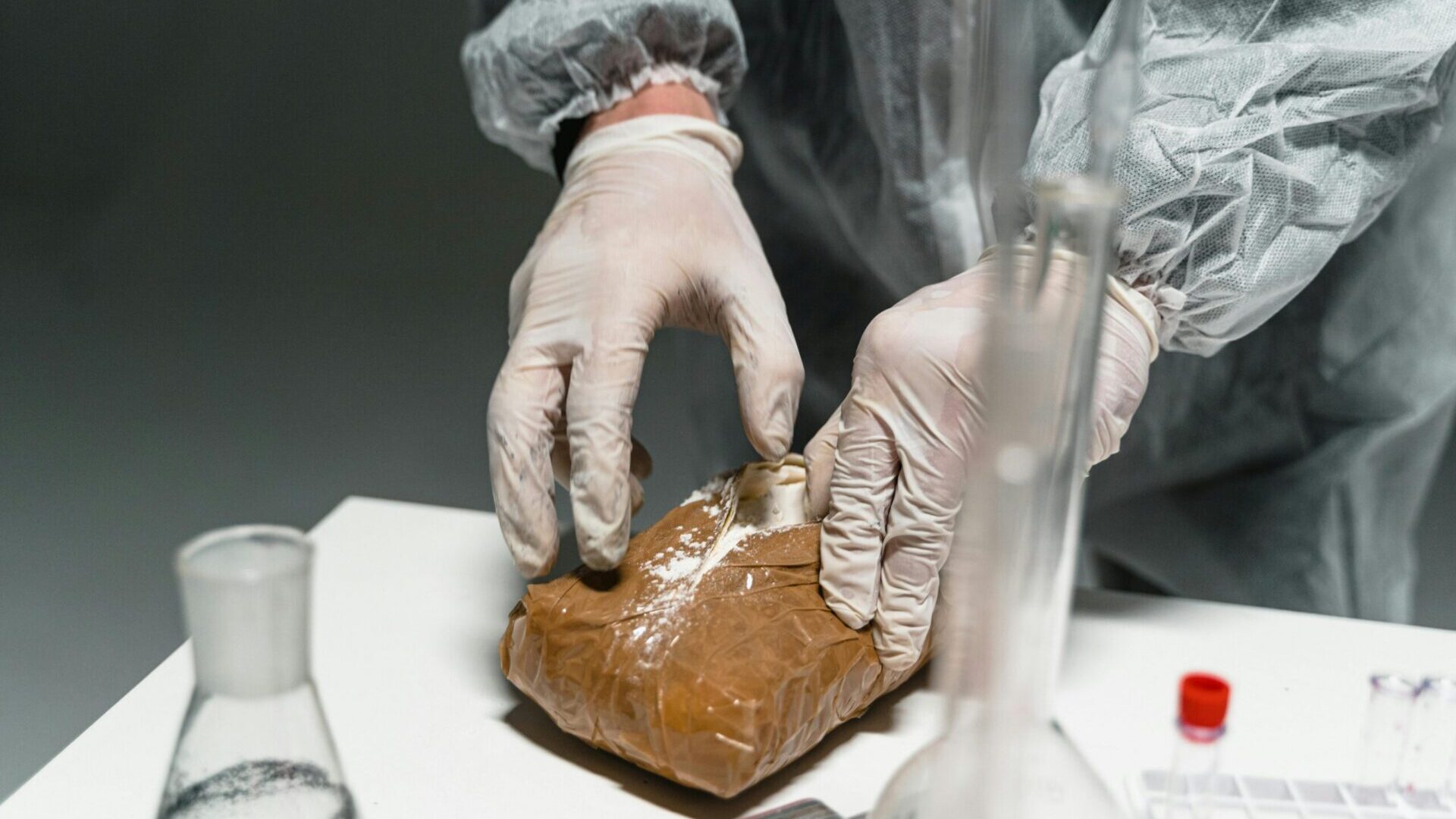
Authorities in the United Kingdom uncovered a staggering drug trafficking attempt after nearly $100 million worth of cocaine was allegedly hidden inside a shipment of bananas. The discovery highlights a recurring tactic used by organized crime groups, disguising illicit substances within everyday goods that pass through global trade routes with minimal suspicion.
Three individuals were arrested in connection with the case, marking a significant breakthrough for investigators tracking large scale narcotics operations. Officials emphasized that the scale of the seizure suggests a well coordinated network operating beyond national borders, with logistics designed to evade detection at ports and checkpoints.
The case has drawn attention not only for its value but also for its method, underscoring how criminal enterprises continue to adapt to enforcement strategies. As global trade intensifies, so too does the challenge of monitoring shipments that move rapidly across continents.
Arrests Signal Major Blow to Organized Crime Networks
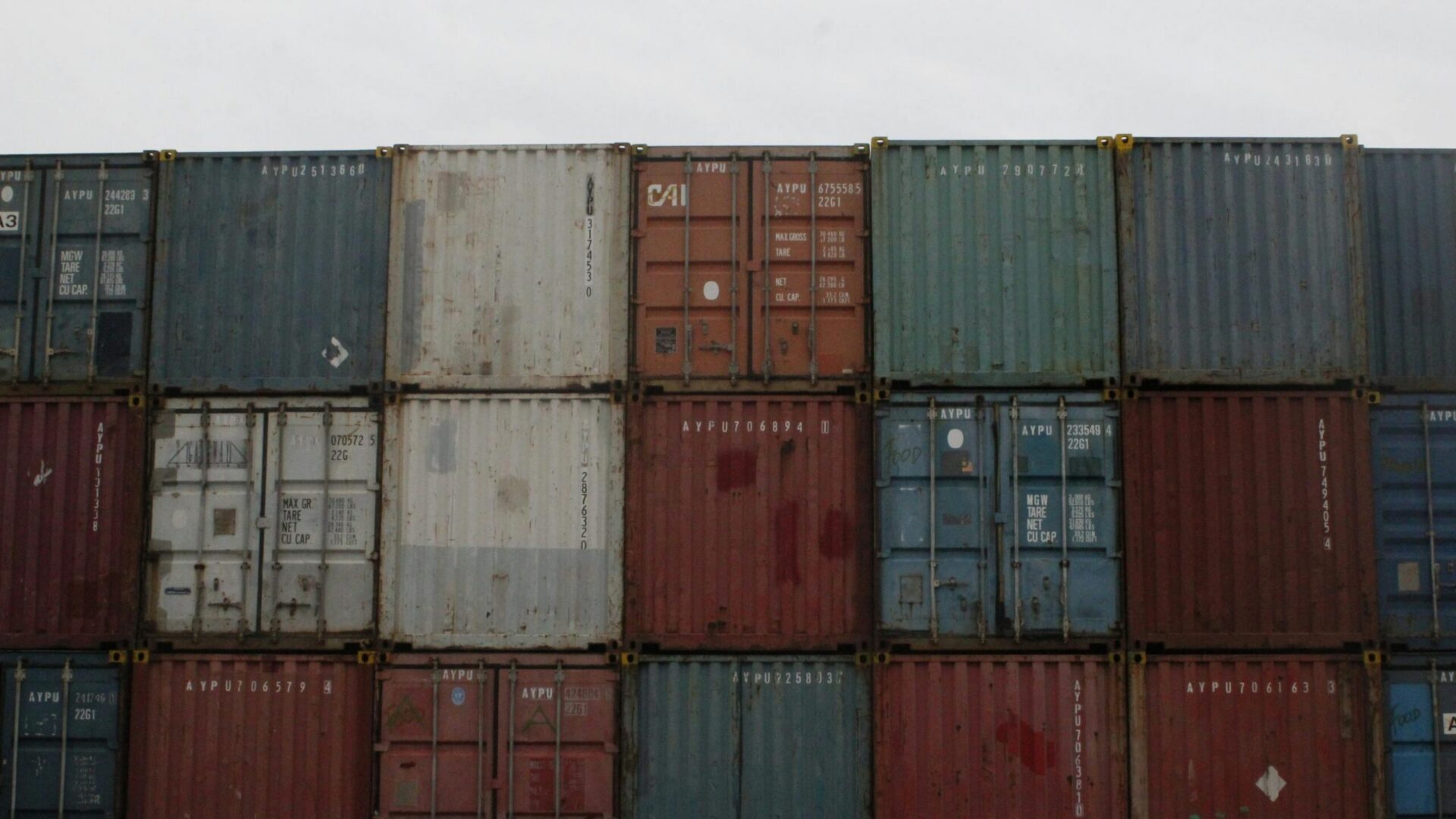
Law enforcement agencies charged three suspects following the seizure, each now facing serious legal consequences if convicted. According to authorities, the accused could face life imprisonment under U.K. sentencing laws, reflecting the severity of the crime and the volume of narcotics involved.
Investigators believe the shipment was intended for distribution within the United Kingdom, potentially flooding illegal markets with high value drugs. Officials stressed that intercepting such a large quantity prevents widespread harm and disrupts the financial backbone of trafficking syndicates.
Statements from enforcement leaders described the operation as a critical success, noting that removing such a large shipment denies criminal groups the profits that often fund further illegal activity. It also sends a clear message about the risks faced by those involved in international drug smuggling.
Banana Shipments Emerge as Common Smuggling Method
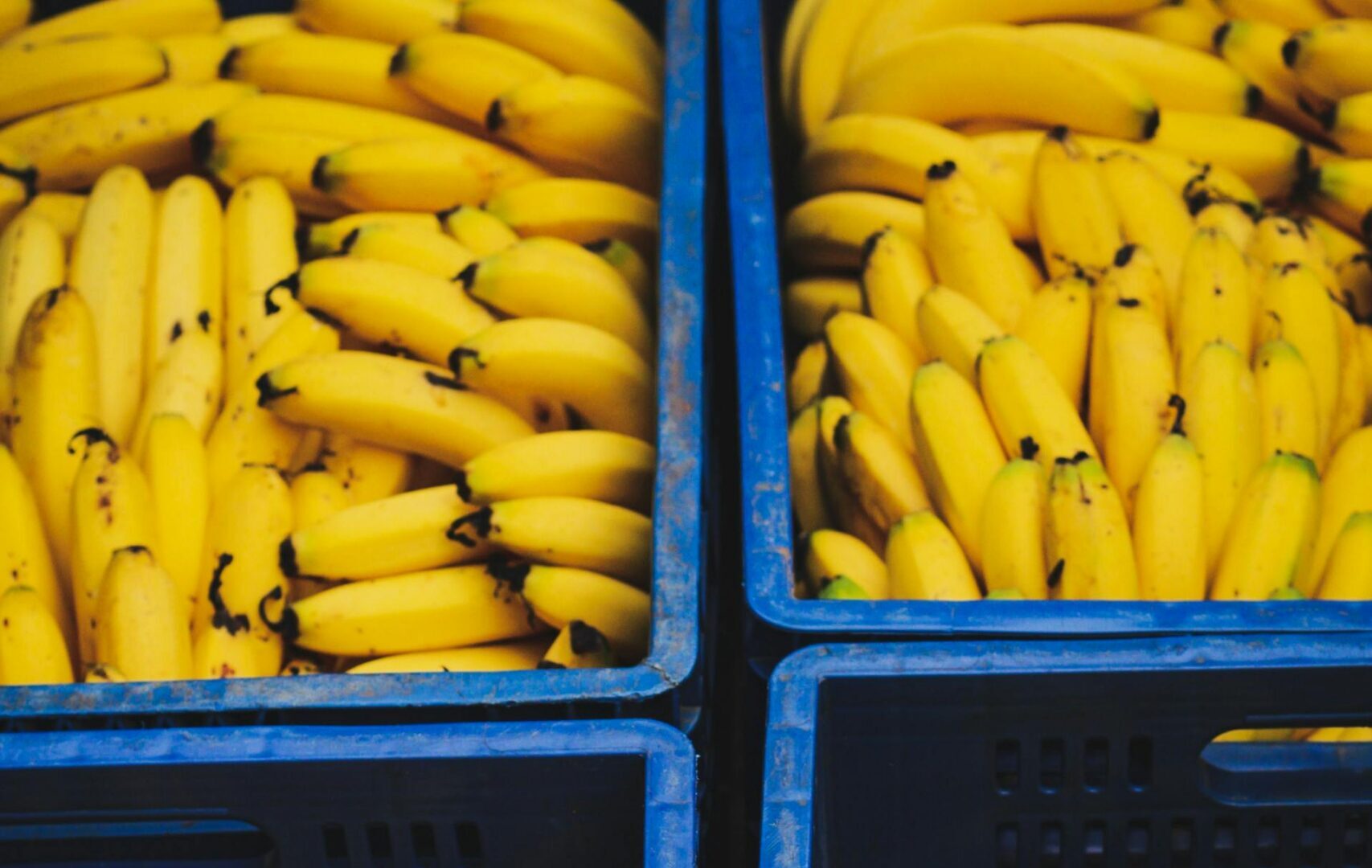
The use of banana shipments as a concealment method is far from new. Authorities worldwide have reported multiple cases where cocaine and other drugs were hidden among crates of the popular fruit, taking advantage of the high volume and rapid turnover of such imports.
Recent incidents across Europe and other regions suggest a pattern, with traffickers repeatedly exploiting the same supply chains. The perishability of bananas often discourages prolonged inspections, creating opportunities for illegal goods to slip through undetected.
Experts note that this method thrives on predictability. By embedding contraband within routine commerce, traffickers rely on the assumption that ordinary cargo will attract less scrutiny compared to suspicious or irregular shipments.
Growing Global Efforts to Combat Drug Trafficking Schemes
The latest seizure is part of a broader effort by international authorities to crack down on increasingly sophisticated trafficking operations. Enhanced surveillance, intelligence sharing, and advanced scanning technologies are now central to detecting concealed narcotics in commercial goods.
Officials warn that while major busts represent progress, they also reveal the scale and persistence of global drug networks. Each successful interception exposes only a fraction of the total volume being transported, prompting continued vigilance across ports and borders.
As enforcement tightens, criminal groups are expected to evolve their strategies further. The challenge for authorities lies in staying ahead of these adaptations while safeguarding the integrity of global trade systems that millions depend on every day.

