10,700 Jobs Vanished After California’s $20 Wage Law Yet Officials Are Pushing It Even Higher
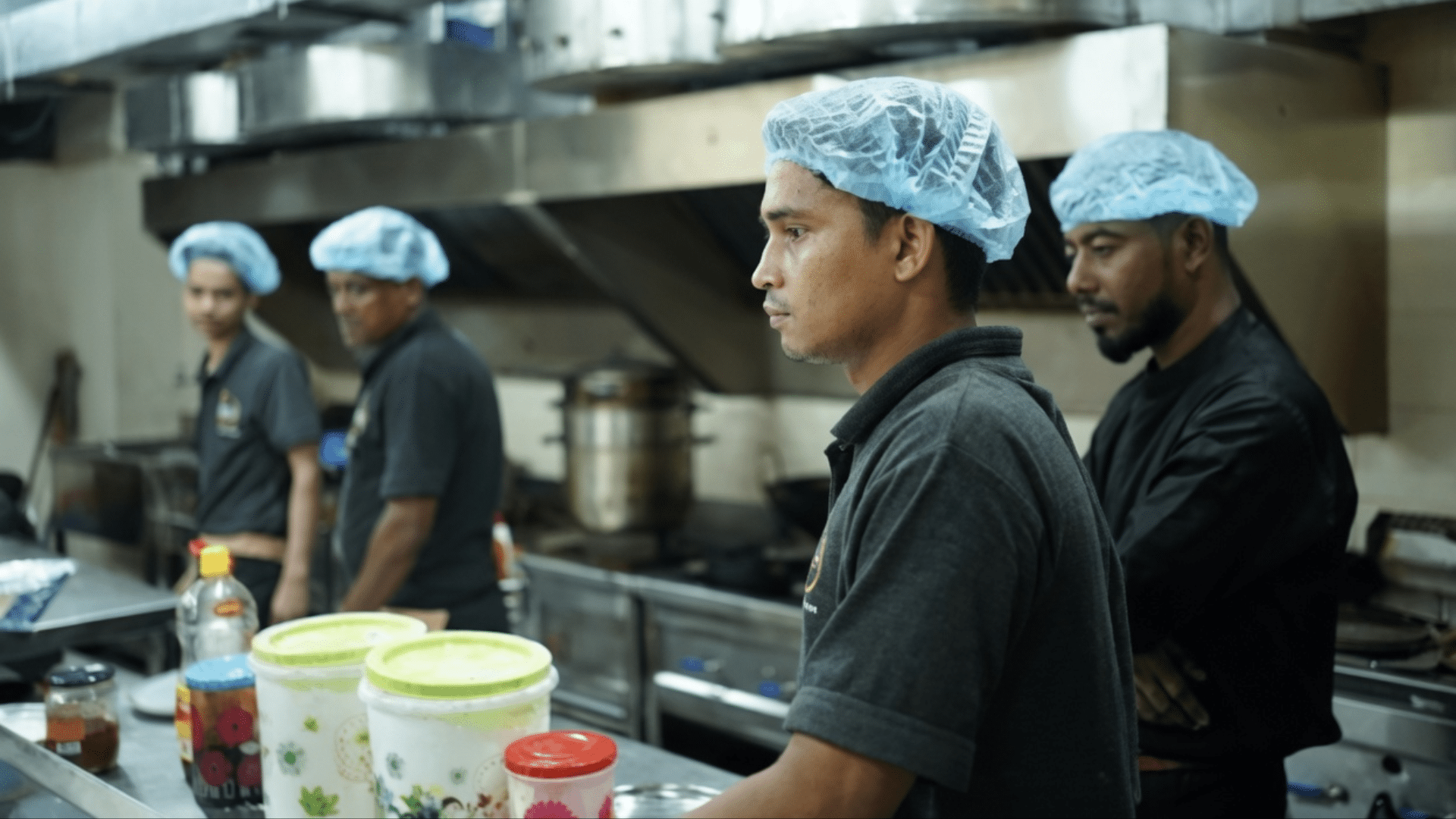

What happens when a policy designed to lift workers up ends up cutting their legs out from under them? In California, a bold leap to a $20 minimum wage for fast food workers has triggered a seismic shift in the industry. While the law aimed to combat the rising cost of living, the immediate fallout has been a staggering loss of over 10,000 jobs. Families are now grappling with the unintended reality of a shrinking workforce.
The ripples of this legislative change are being felt in kitchens and drive-thrus across the state. Data from the Bureau of Labor Statistics confirms that 10,700 positions vanished between June 2023 and June 2024. This sudden contraction suggests that the economic burden of higher wages is falling directly on the shoulders of the very employees the law intended to protect. As storefronts adjust, the vibrant energy of the fast food sector is beginning to dim.
Researchers at the University of California, Santa Cruz have documented a series of negative outcomes following the hike. Beyond just job losses, the report highlights a sharp decline in available working hours and the total elimination of overtime for many. It seems the dream of a higher paycheck is being offset by the reality of a shorter shift. This tension between hourly rates and take home pay is creating a new set of challenges for local communities.
The Hidden Cost of Your Morning Coffee

The impact of the $20 mandate is hitting consumers directly in their wallets at the checkout counter. Since the law took effect, menu prices at fast food establishments have soared by an average of 14.5%. This dramatic spike reflects the struggle of business owners to balance their ledgers while facing significantly higher labor costs. For many Californians, a quick and affordable meal is becoming a luxury they can no longer justify on a daily basis.
Establishments are not just raising prices: they are fundamentally changing how they operate to survive. The study found that many restaurants are cutting back on employee benefits to stay afloat. Stephen Owen, an economics lecturer at UC Santa Cruz, noted a plethora of negative outcomes including the loss of health perks and other workplace incentives. As these traditional safety nets disappear, the overall quality of employment in the sector appears to be in a steady decline.
The pressure to cut costs has also sparked an aggressive push toward automation. In kitchens where teams of people once worked, digital kiosks and robotic fryers are now becoming the new standard. This acceleration of labor replacement technology means that many of the lost jobs may never return to human hands. As machines take over routine tasks, the entry level positions that once served as a ladder for young workers are rapidly being programmed out of existence.
Doubling Down on a $30 Future

Despite the documented struggles in the fast food industry, California officials are not slowing down. In Los Angeles, Mayor Karen Bass has already signed a mandate that could see hotel and airport workers earning $30 per hour by 2028. This phased increase adds $2.50 to the hourly rate every single year. Proponents argue that these aggressive hikes are necessary for survival in expensive urban hubs, even as business associations warn of an impending crisis.
The hospitality sector is already reporting early signs of distress similar to the fast food industry. The Hotel Association of Los Angeles found that roughly 6% of positions have already been eliminated or are marked for the chopping block. This represents hundreds of jobs lost in a sector that relies heavily on personal service and human interaction. As labor becomes more expensive, hotels are finding ways to operate with smaller teams, often at the expense of guest experience.
The momentum for even higher wages is spreading north to cities like Oakland, where activists are demanding a $30 floor for all workers. This “30 by 30” movement is gaining political traction, suggesting that the $20 experiment was just the beginning. While the debate rages on the West Coast, the controversy has successfully crossed state lines. Now, the nation’s largest city is watching California’s data closely as it prepares to make its own monumental decision.
A National Tipping Point for Labor

In New York City, a proposal is currently on the table that would mirror California’s aggressive strategy. The plan seeks to raise the minimum wage to $30 by the year 2030 for large employers. Newly elected Mayor Zohran Mamdani has signaled strong support for the move, making it a cornerstone of his political platform. However, the New York State Restaurant Association warns that the industry is at a breaking point with consumers who cannot handle more price hikes.
The proposed New York law would create a tiered system based on benefits, requiring $25 an hour for those with perks and $30 for those without. This complex structure aims to force businesses to provide better overall packages, but critics fear it will only accelerate the trend of business closures. Experts warn that certain industries could be completely obliterated if they cannot find a way to pass these massive costs on to an already exhausted and frustrated public.
As these coastal giants push toward unprecedented wage floors, the rest of the country watches a high stakes economic experiment unfold. Will these laws eventually stabilize the middle class, or will they permanently replace human workers with algorithms and kiosks? The coming years will reveal if a $30 wage represents a new era of prosperity or the final bell for the traditional service industry. For now, the displaced workers in California are left searching for answers in a changing world.