2026 ‘Dirty Dozen’ List Finds Nearly All Produce Contaminated with Pesticides, Including ‘Forever Chemicals’
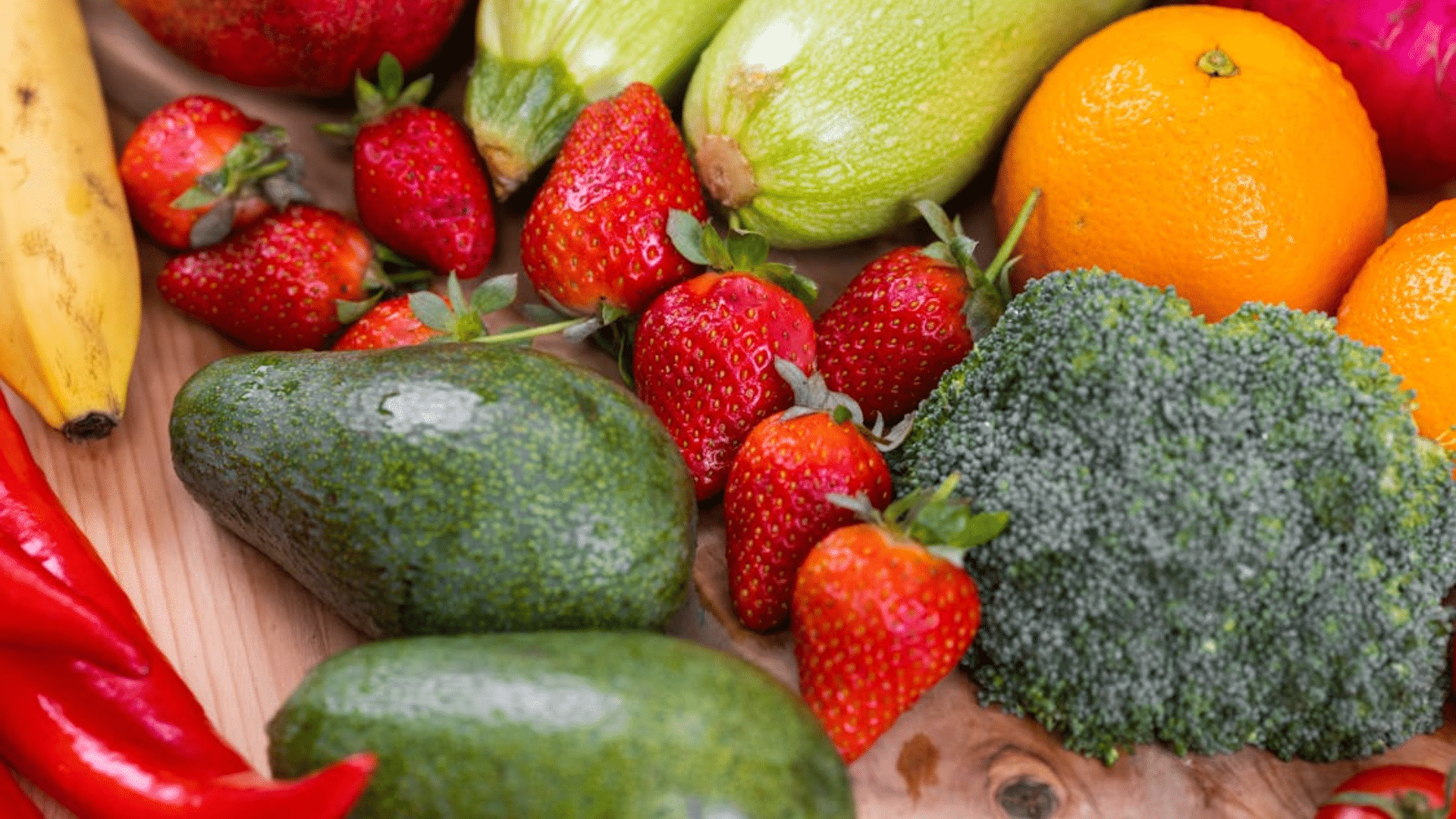

The Environmental Working Group has released its 2026 Shopper’s Guide to Pesticides in Produce, widely known as the “Dirty Dozen,” revealing that nearly all samples of the listed produce items contain residues of pesticides, including persistent chemicals called PFAS, often referred to as “forever chemicals.” The report analyzes thousands of produce samples from the U.S. Department of Agriculture and finds widespread pesticide contamination across common fruits and vegetables. This year’s findings raise consumer awareness about potential pesticide exposure while shopping for fresh produce.
What the Dirty Dozen List Means
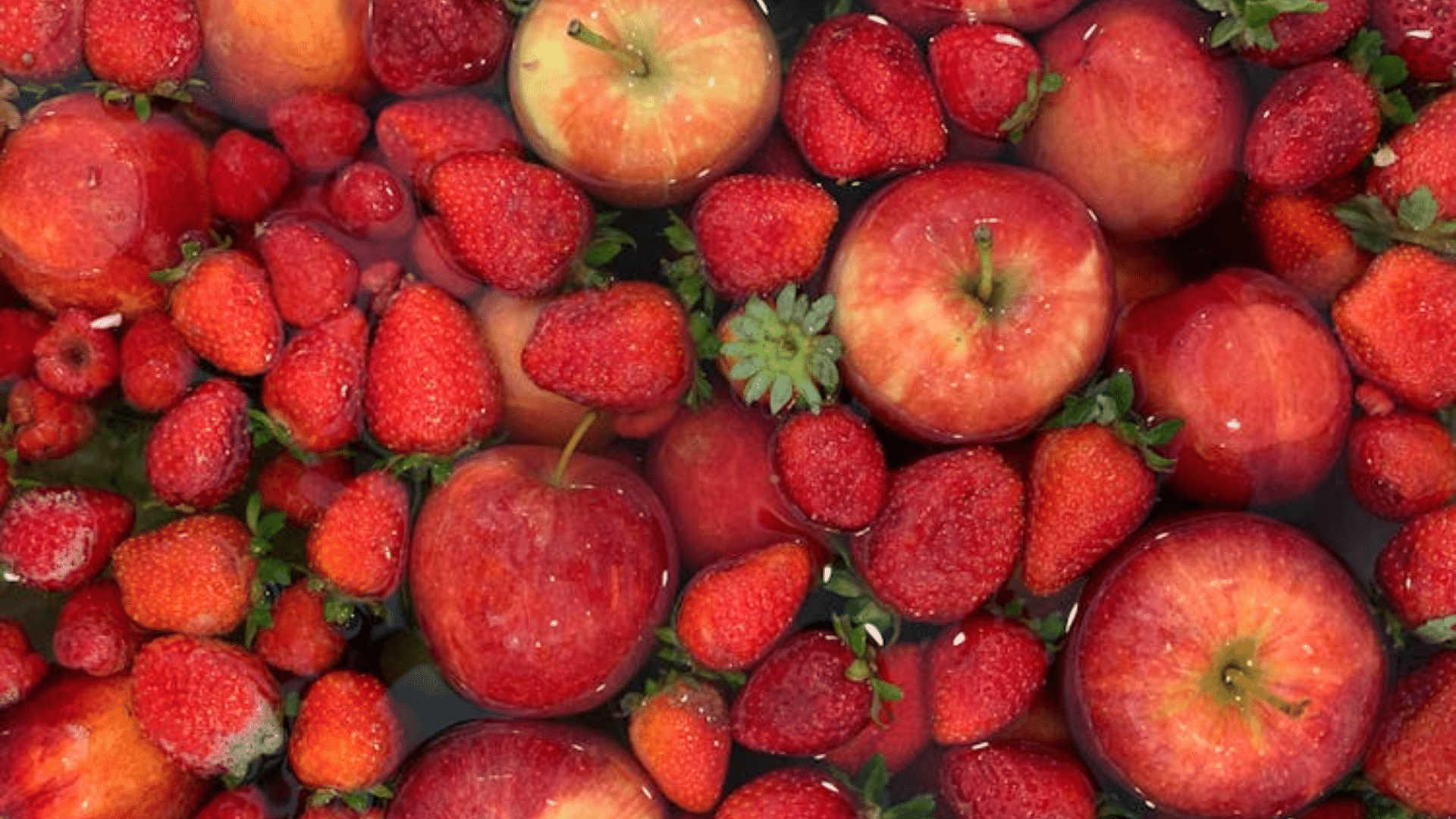
The Dirty Dozen is an annual list compiled by the Environmental Working Group that ranks the 12 types of produce with the highest pesticide residue levels based on USDA testing data, and in 2026 almost all samples tested positive for pesticides. The list aims to help shoppers identify which fruits and vegetables may carry more residues and provide guidance for choosing organic options when possible. The inclusion of PFAS pesticides in this year’s report marks a notable expansion in the list’s scope, reflecting growing concern about chemicals that do not break down easily in the environment.
The Data Behind the Ranking
The 2026 Shopper’s Guide draws on residue data from over 54,000 produce samples tested by the USDA, making it one of the largest datasets ever analyzed for the Dirty Dozen report. The analysis considers the number of different pesticide residues found, as well as their prevalence across samples, to determine which items are most contaminated. A staggering 96 percent of Dirty Dozen produce samples contained detectable pesticides, and scores of different chemicals were detected across the list.
Introduction of PFAS ‘Forever Chemicals’

For the first time, the 2026 Dirty Dozen report highlights the presence of PFAS pesticides, a class of chemicals known for their extreme persistence and resistance to breaking down in the environment or human body. Three PFAS pesticides, including fludioxonil, were among the most frequently detected chemicals in the produce, and these compounds are linked to concerns about health effects due to their long‑lasting nature. This new finding underscores ongoing worries about chemical exposure through food.
Top Produce on the Dirty Dozen List
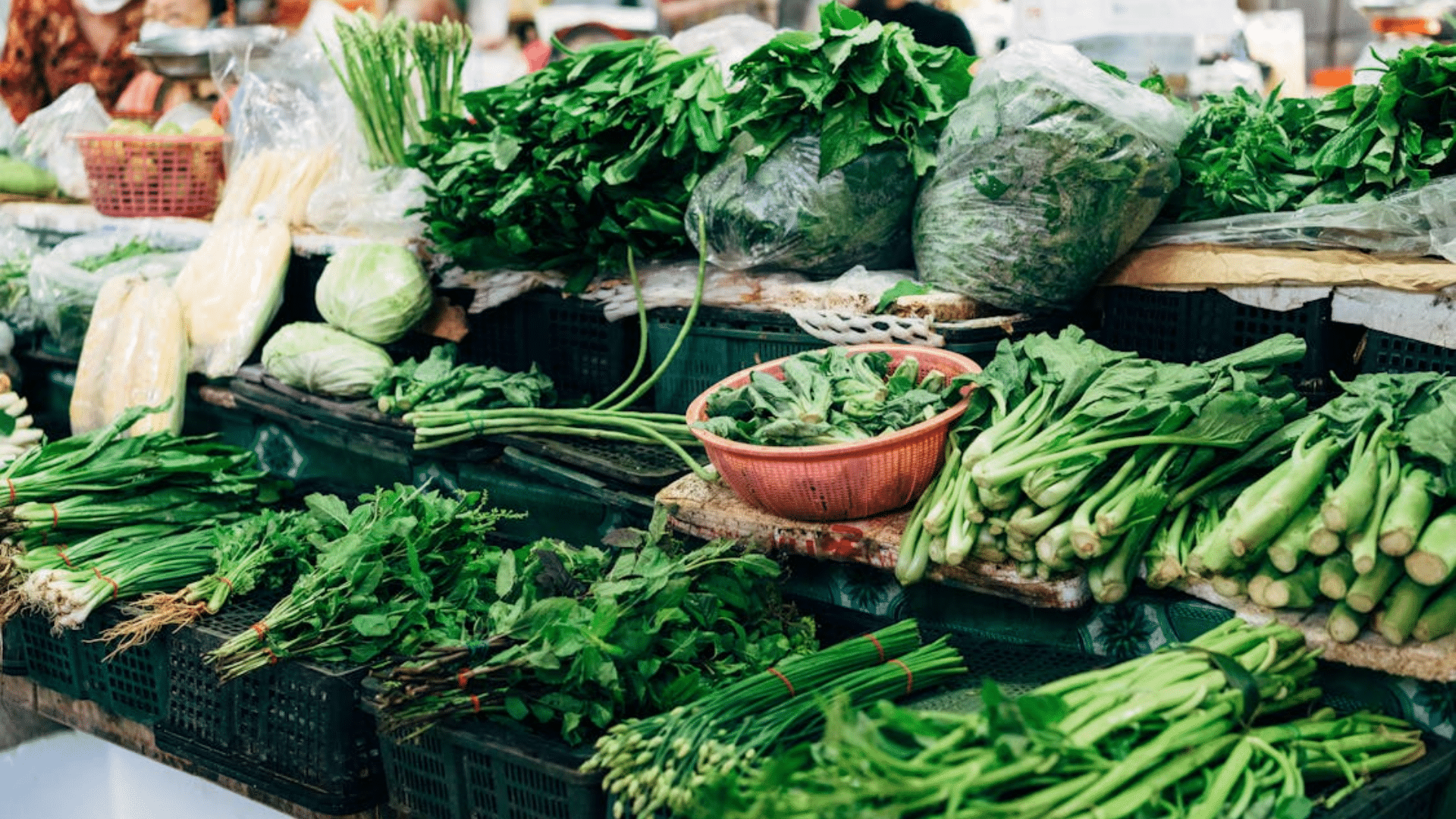
At the top of the 2026 Dirty Dozen list are leafy greens like spinach, kale, and collard greens, which tested with some of the highest pesticide residues on a per‑weight basis compared to other produce. Other common items on the list include fruits like strawberries, grapes, and nectarines, as well as items like potatoes and blueberries, all of which showed multiple detectable pesticide residues in testing. These findings aim to help consumers understand which produce might carry elevated residues.
Health and Exposure Concerns
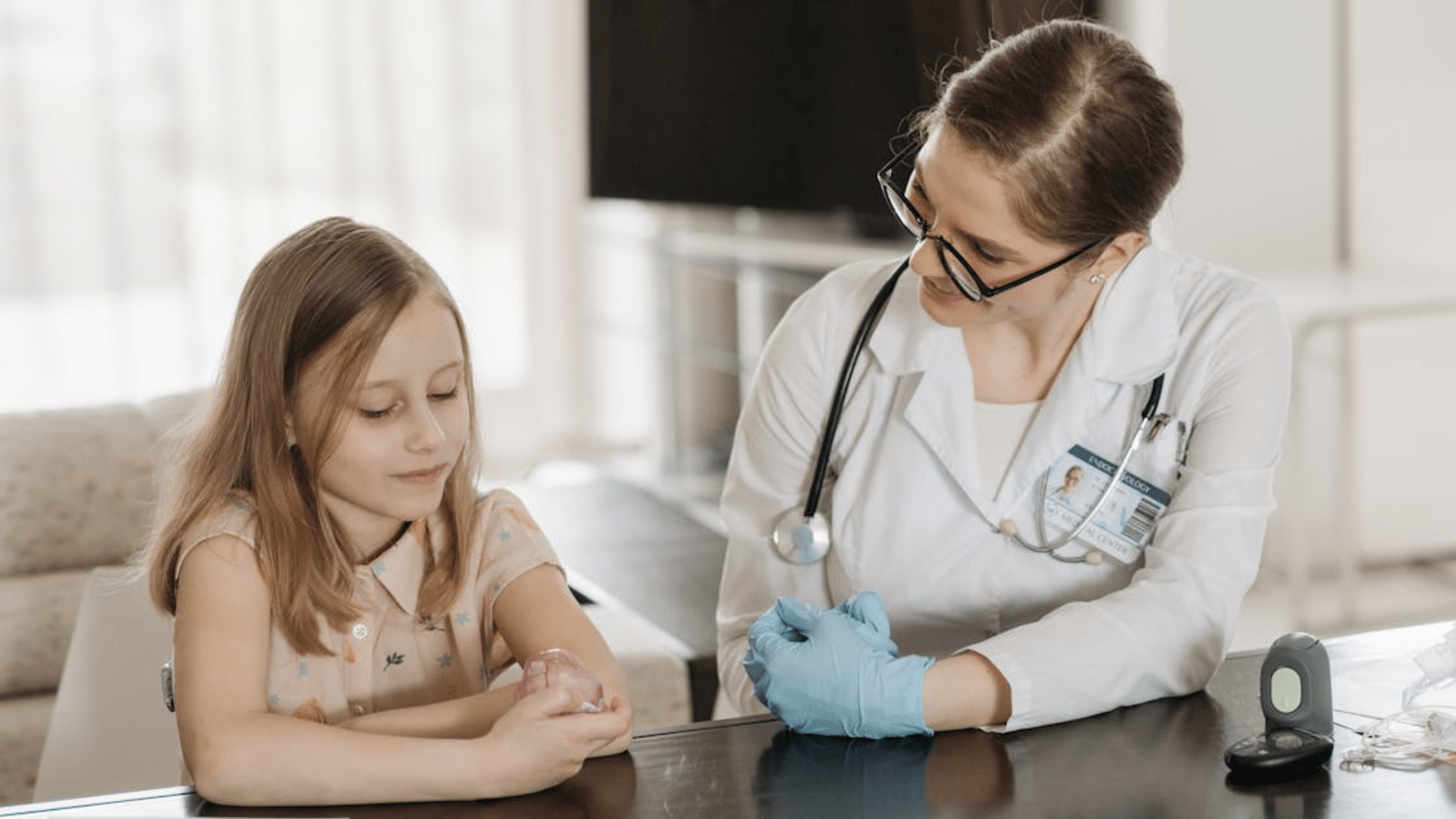
Pesticide residues, including PFAS, have been associated in some research with adverse health effects such as hormone disruption, reproductive issues, and developmental concerns, particularly for vulnerable populations like children and pregnant individuals. Although the presence of residues does not necessarily indicate a health hazard at levels typically consumed, the report highlights that chronic exposure and mixtures of chemicals merit further study and consideration when making dietary choices.
Clean Fifteen Offers Lower‑Residue Options
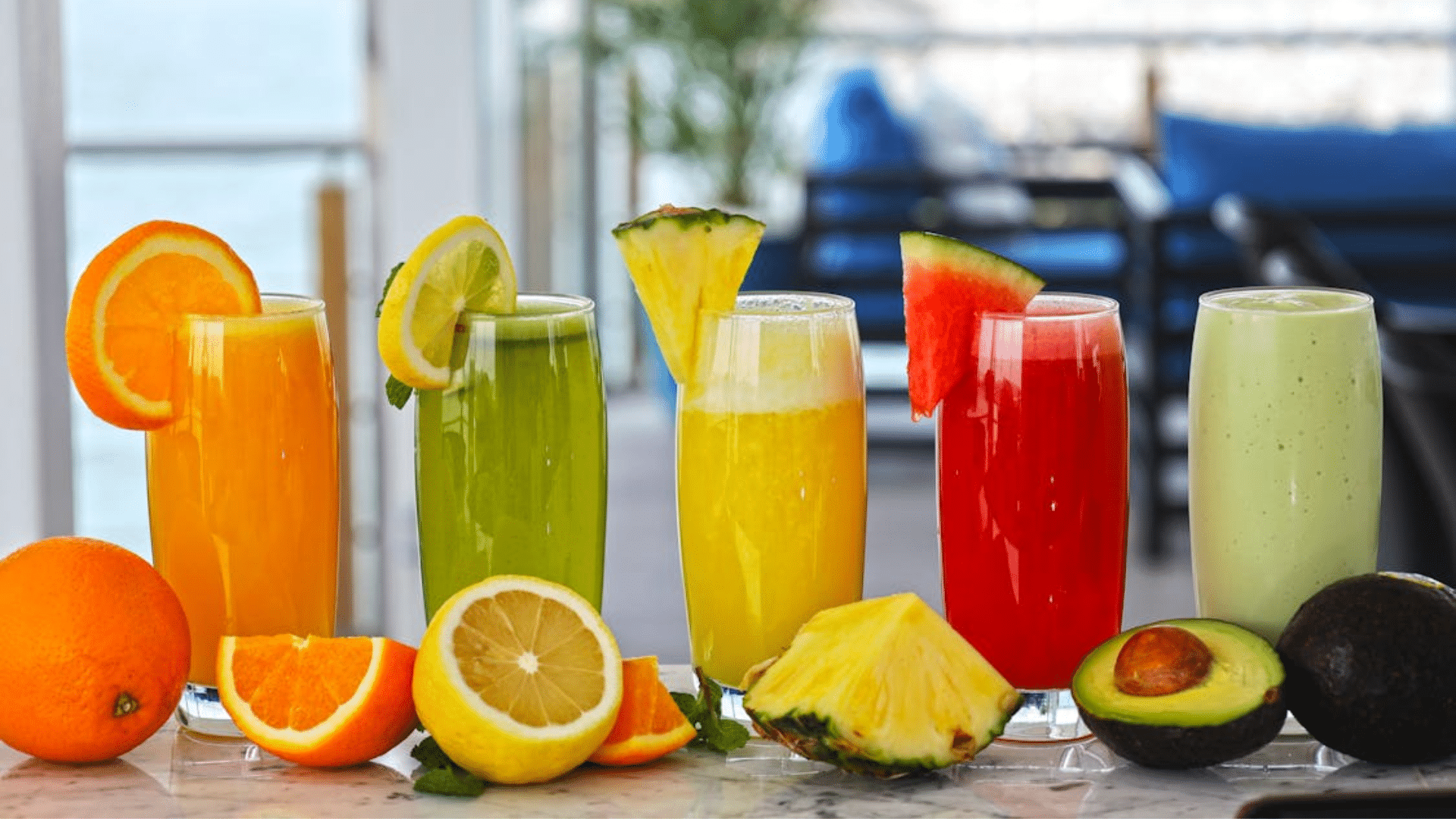
In contrast to the Dirty Dozen, the Clean Fifteen list identifies produce with the lowest pesticide residues, offering shoppers lower‑risk alternatives; items like pineapple, sweet corn, and avocados top this list. Nearly 60 percent of Clean Fifteen samples had no detectable pesticide residues, and fewer items carried multiple residues, making them comparatively safer for those concerned about pesticide exposure but still seeking a nutrient‑rich diet.
Consumer Tips to Reduce Exposure
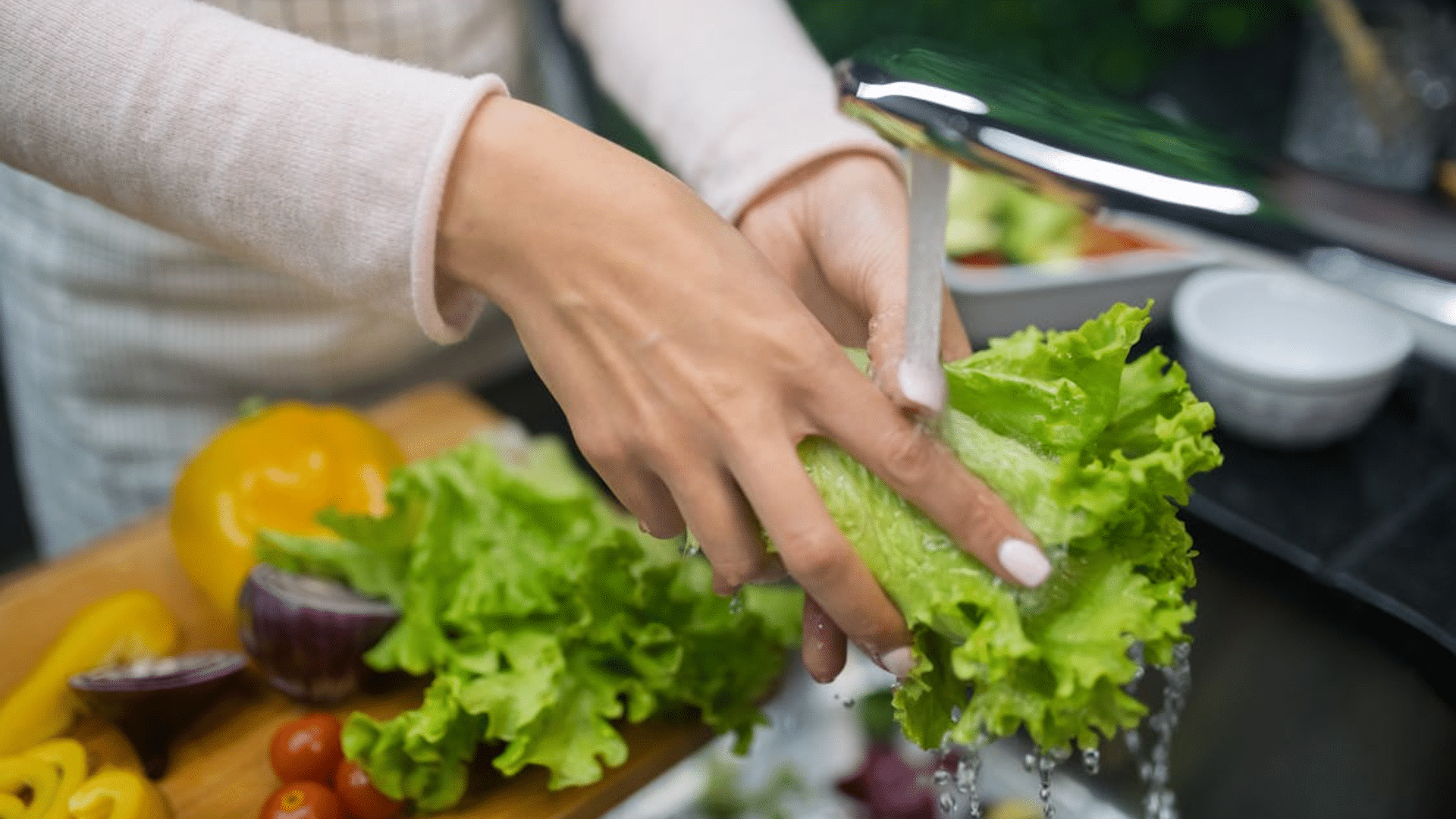
Experts recommend practical steps to reduce pesticide exposure, such as thoroughly washing fruits and vegetables before eating and choosing organic versions of the most contaminated items when feasible. Selecting frozen produce can also be an affordable alternative since pesticide residue levels often vary by processing and source, and eating a diverse diet rich in fruits and vegetables remains important for overall health despite residue concerns.
Debate Over Scientific Interpretation

While the Dirty Dozen report draws attention to pesticide residues, its methodology and interpretation have been debated by scientists and industry groups, some of whom point out that most residues fall within regulatory safety limits set by authorities such as the EPA. Critics argue that focusing on detectable residues without considering actual risk levels may exaggerate perceived dangers, and emphasize that fruits and vegetables continue to provide essential nutrients that support health.
Informed Choices About Produce

The 2026 Dirty Dozen list highlights widespread pesticide residues, including PFAS chemicals, across many common fruits and vegetables, and offers consumers information to make informed choices about their produce purchases. While some items carry higher residue levels, a balanced diet that incorporates a variety of fresh produce along with proper washing and selective organic purchases can help individuals enjoy the nutritional benefits of fruits and vegetables with awareness of potential pesticide exposure.

