4.3 Million Lost Food Stamps, Yet Experts Say Fraud Wasn’t the Reason

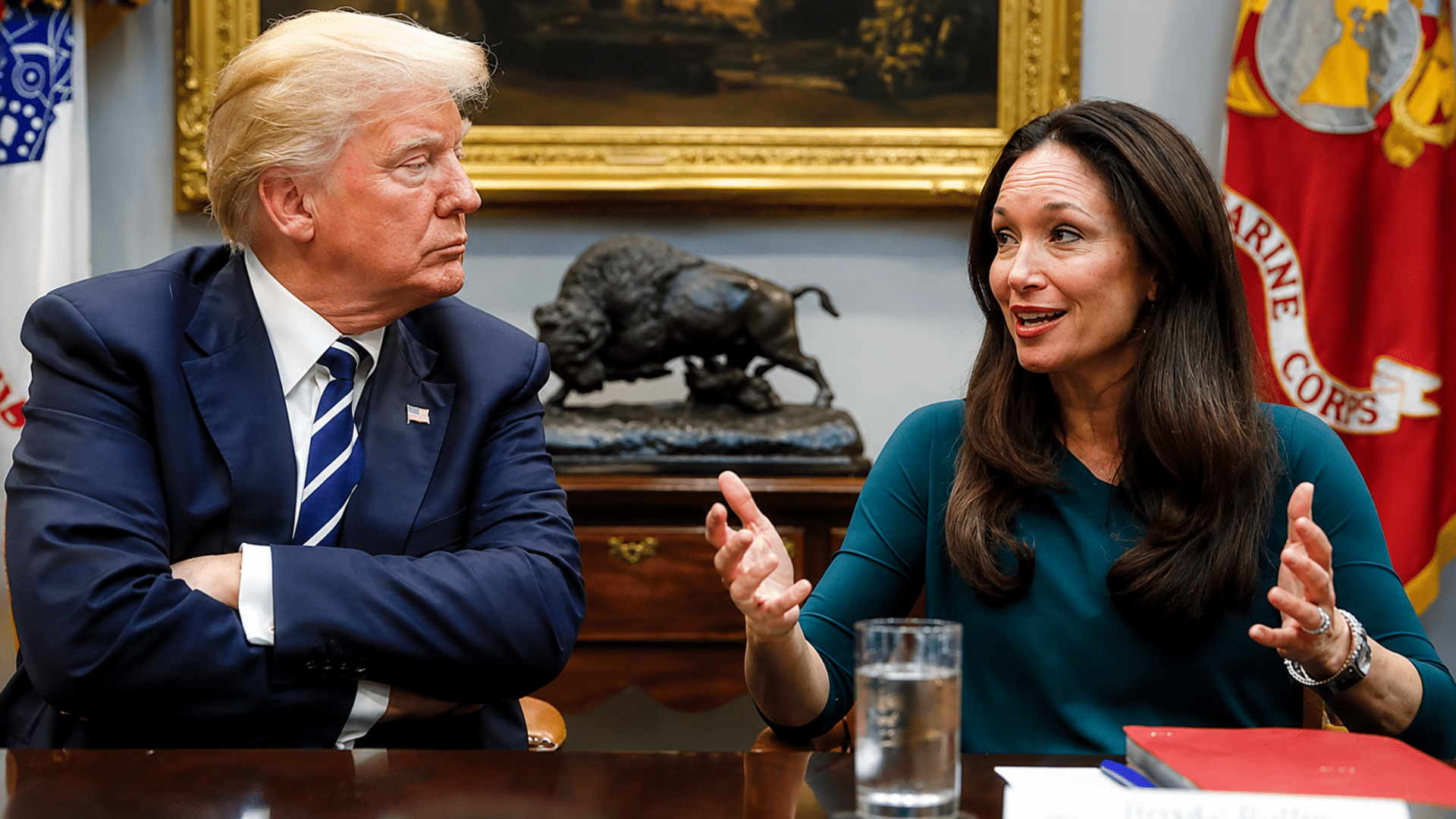
A massive shift in America’s social safety net has occurred over the last twelve months, with nearly 4.3 million people no longer receiving food stamps. Agriculture Secretary Brooke Rollins recently attributed this drop to a booming economy and a successful crackdown on fraud. However, independent experts and government data tell a very different story. While the administration celebrates these numbers as a sign of self-sufficiency, analysts point to a 940-page piece of legislation as the true architect of the decline.
Fraud Claims Face the Hard Data
The administration has cited “tamping down on fraud” as a primary reason for moving millions off the program. Yet, official data shows that fraud is an incredibly small part of the Supplemental Nutrition Assistance Program. In the 2023 fiscal year, fewer than 42,000 people were disqualified for fraud out of more than 42 million participants. This represents less than 1% of the total caseload. Experts argue that even a perfect crackdown on dishonest claims could not possibly explain a 4.3 million person decrease.
The ‘One Big Beautiful Bill’ Impact

The most significant driver of the decline is H.R. 1, officially known as the “One Big Beautiful Bill Act,” which was signed into law in July 2025. This massive tax and spending bill introduced sweeping changes to how SNAP operates, making it significantly harder for millions of Americans to stay eligible. The Congressional Budget Office had previously warned that these specific changes would cause a sharp drop in participation, projecting a 20% cut to total program spending over the next decade.
Stricter Work Requirements for Older Adults

One of the most impactful changes in H.R. 1 involves work requirements for able-bodied adults without dependents. Previously, adults older than 54 were exempt from these rules, but the new law raised that age limit to 64. These individuals must now prove they are working or participating in a work program for at least 80 hours every month. For many older Americans living in areas with stagnant job markets, meeting this 20 hour per week quota has proven to be a major barrier.
Parenting Exemptions Are Narrowed

The new legislation also drastically changed the definition of who counts as a dependent. Under the old rules, parents of children under 18 were exempt from the strictest work requirements. The “One Big Beautiful Bill” lowered that age to 14. This means parents of high schoolers are now required to maintain 80 hours of monthly work to keep their food assistance. Critics argue that this places an unfair burden on families with teenagers who still require significant parental supervision and financial support.
Losing Protections for the Vulnerable

Historically, certain vulnerable groups were protected from the strictest eligibility rules to ensure they didn’t fall through the cracks. H.R. 1 removed these broad exemptions for veterans, homeless individuals, and former foster children aged 24 or younger. By requiring these groups to meet the same stringent work mandates as everyone else, the law has effectively cut off a lifeline for thousands who face unique obstacles to steady employment. Experts worry these changes are trading fiscal savings for increased homelessness.
A New Map for Immigration Eligibility

The legal status requirements for food stamps were also tightened significantly under the new law. While U.S. citizens and green card holders remain eligible, H.R. 1 removed access for several groups of lawful immigrants. This includes refugees and asylees who were previously granted humanitarian protections. By narrowing the list of eligible residents, the federal government has seen a quick drop in participation numbers, though local charities report an increased demand at community food banks as a result.
Economic Gains vs. Food Price Reality
Secretary Rollins claimed that wage growth outpacing inflation has made food stamps unnecessary for many families. While it is true that wages grew by 3.4% in early 2026, food prices have continued to climb, rising over 3% in 2025. For low-income households, these small wage gains are often entirely swallowed by the rising cost of bread, eggs, and milk. Experts note that a “strong economy” on paper does not always translate to a full pantry for those living in persistent poverty.
Timing the Participation Plummet
The timeline of the participation drop provides the strongest evidence against the “strong economy” theory. Between January and June 2025, the number of participants fell by about 743,000. However, after the “One Big Beautiful Bill” was signed in July, the decline accelerated rapidly. Over the following six months, nearly 3.5 million more people disappeared from the rolls. This massive spike in exits directly aligns with the implementation of the new legislative requirements rather than a sudden shift in the national unemployment rate.
A Future of Higher Local Burden

As federal spending on SNAP is projected to shrink by 186 billion dollars, the responsibility for feeding the hungry is shifting toward state and local governments. New cost-sharing requirements mean states may soon have to pay up to 15% of their own food benefit costs. With the federal “safety net” being pulled back, many communities are left wondering how they will support those who no longer qualify for federal help. The debate over whether these cuts are a “reform” or a “hardship” continues to grow louder.