7 States Want to Limit Self-Checkout After Discovering a Problem That’s 65% Worse
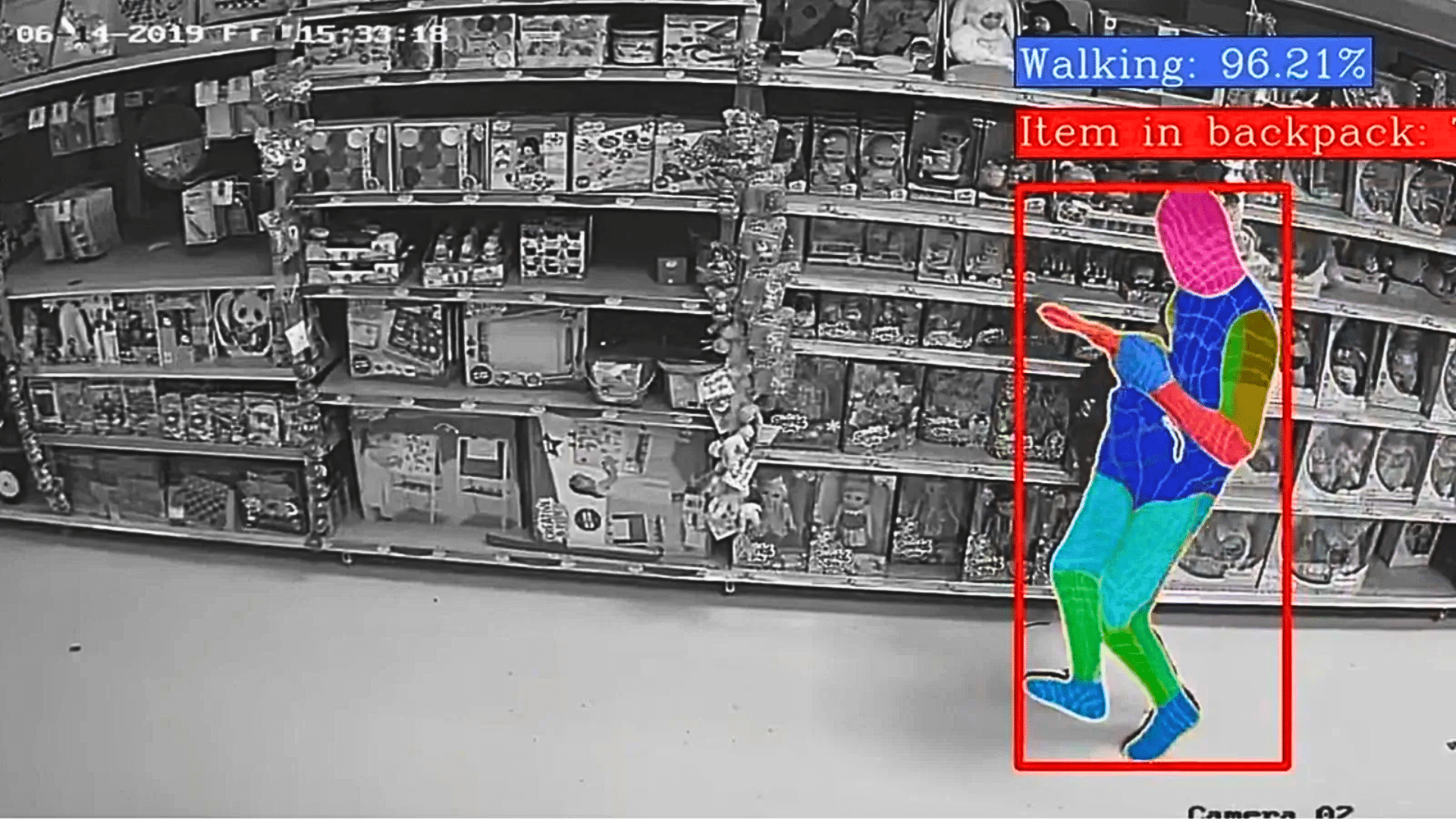

Over 36 million Americans have stolen something at a self-checkout kiosk, and according to a Capital One study, theft at those machines runs as much as 65% higher than at staffed lanes. That single statistic is now driving legislation across the country. Seven states (Ohio, California, New York, Massachusetts, Connecticut, Rhode Island, and Washington) are actively considering new laws to limit, monitor, or restructure how self-checkout operates, and in California, rules are already being enforced at the city level.
The push did not come out of nowhere. A 2025 LendingTree survey found that 27% of self-checkout users had deliberately walked out without scanning an item, a jump of 12% points from just two years earlier. Shoppers cited rising grocery prices and unaffordable essentials as their primary reasons. That trend, combined with hard data on theft rates, gave lawmakers exactly the political cover they needed to act.
What makes this moment different from previous retail theft debates is the breadth of states involved. The proposals span both political parties and multiple regions, from blue Connecticut and New York to red Ohio and Washington state. The specifics vary, but the core concern is the same: self-checkout has quietly become one of the most exploited vulnerabilities in retail, and the industry has been slow to respond. What exactly are these states proposing?
A State-by-State Push to Put Eyes Back on the Register
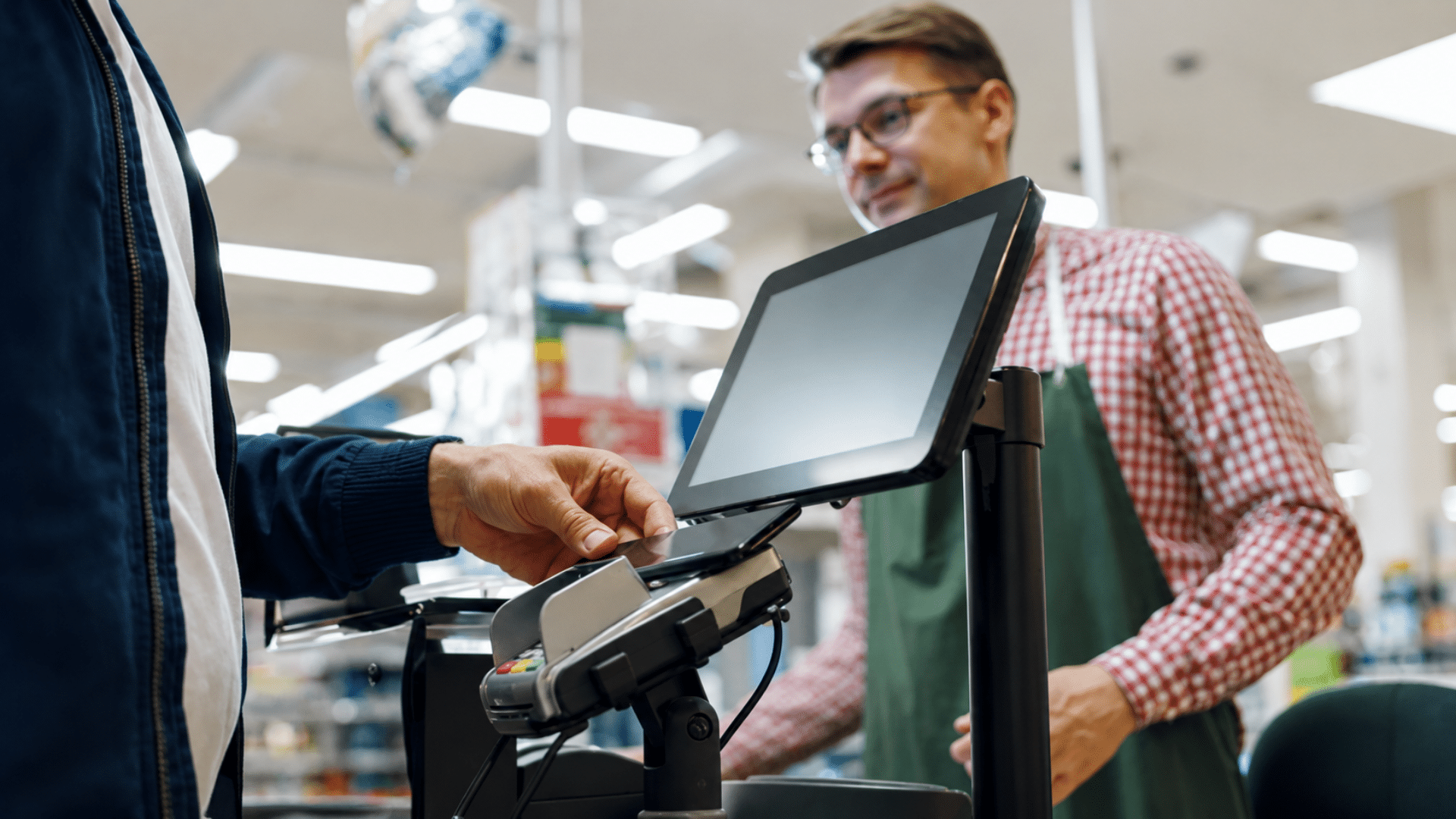
California has moved furthest and fastest. A statewide bill stalled, but two cities have already enacted binding rules. Long Beach passed an ordinance in August 2025, and Costa Mesa followed in February 2026, both requiring at least one staffed checkout lane and an on-site employee monitoring self-checkout use at all times. Those rules have already prompted chains including Target to shut down self-checkout entirely in some locations, according to TODAY.
In Massachusetts, State Senator Paul Feeney introduced a bill in 2025 to cap self-checkout stations at eight per store and require employee oversight at all times. According to Feeney, “It’s good for consumers. People get frustrated with them.” Rhode Island introduced similar legislation in January, capping stores at eight active machines and requiring one staffed lane for every two kiosks. Both bills remain under review but have built enough support to advance through early committee stages.
Washington state’s bill, HB 1739, would limit self-checkout to purchases of 15 items or fewer, require one staffed lane per kiosk, and cap the number of machines one employee can monitor at two. Ohio’s Senate Bill 415, introduced in April, mirrors that approach, adding the same 15-item cap and requiring one employee per three machines. Connecticut’s proposal went to the Senate Committee on April 15, joining New York City’s ongoing discussions about item caps and staffing ratios. The pattern across all seven states is the same: fewer machines, more staff, stricter limits.
The Numbers Behind the Crackdown
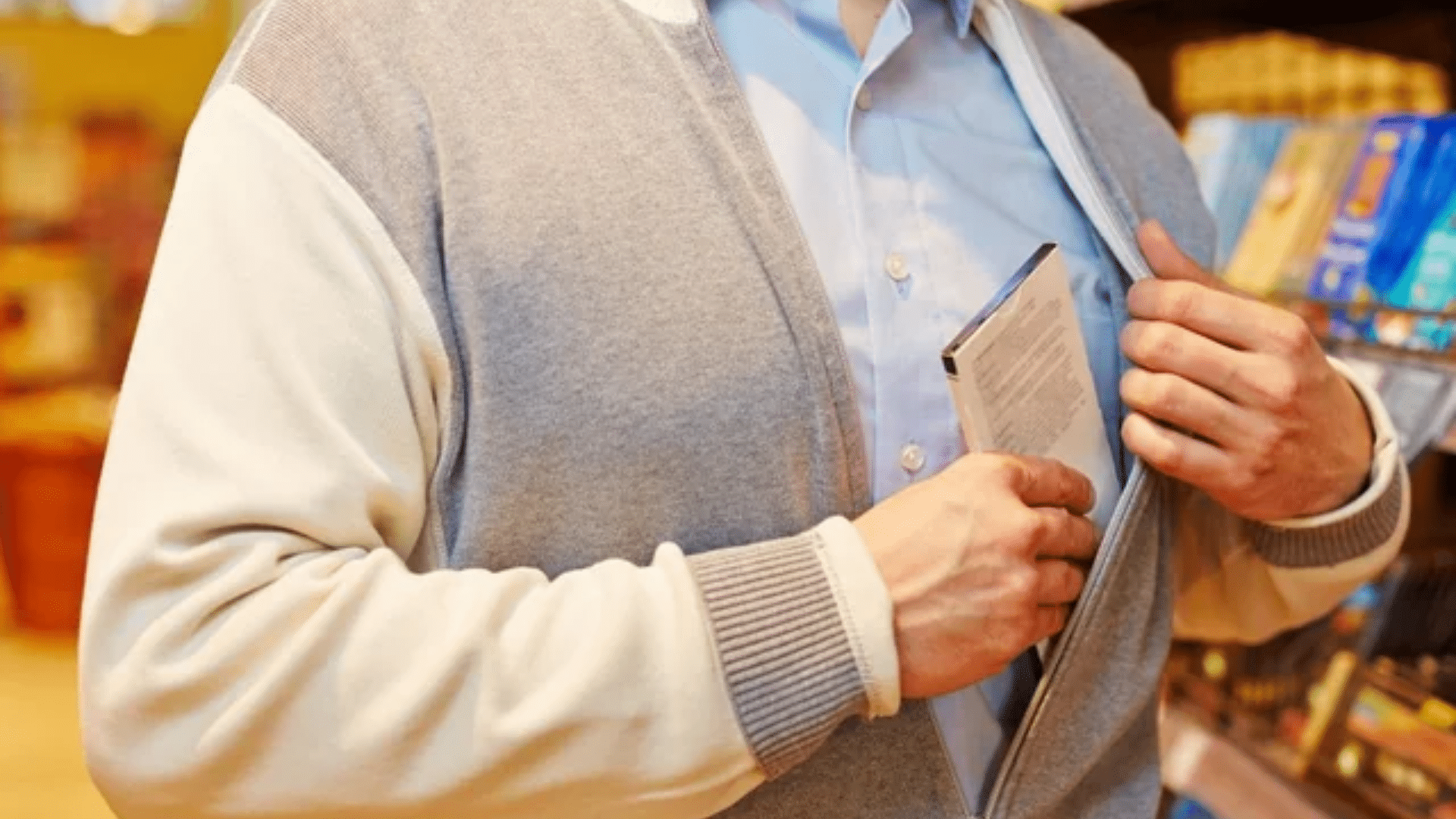
The 65% figure is doing a lot of work in this debate. Capital One’s research found that theft at self-checkout stations is up to 65% higher than at traditional lanes, a gap large enough to change the business case for the technology entirely. Nearly 20 million of the 36.3 million Americans who have stolen from a self-checkout say they would do it again, suggesting the behavior is not impulsive but habitual and deliberate.
Not every incident is intentional. Kiplinger’s reporting on the Capital One data notes that roughly 36% of self-checkout theft is accidental, caused by items failing to scan properly. But 69% of self-checkout users, whether or not they have stolen, believe the machines make theft easier. That perception matters. It shapes behavior, normalizes low-level theft, and erodes retailer margins in ways that only become visible when the losses are totaled at the end of a quarter.
There is a workforce dimension to this story that the theft headlines often obscure. A Harvard Kennedy School review of data from over 14,000 workers found that stores with self-checkout were significantly more likely to be reported as “always” or “often” understaffed. Fewer workers on the floor means less oversight, which compounds the theft risk. Critics of these new bills, including retail industry groups, argue the laws may actually hurt shoppers by creating longer lines, but supporters counter that the current system is already broken in ways shoppers simply have not been shown.
Convenience Was the Promise. Accountability Is the Debate
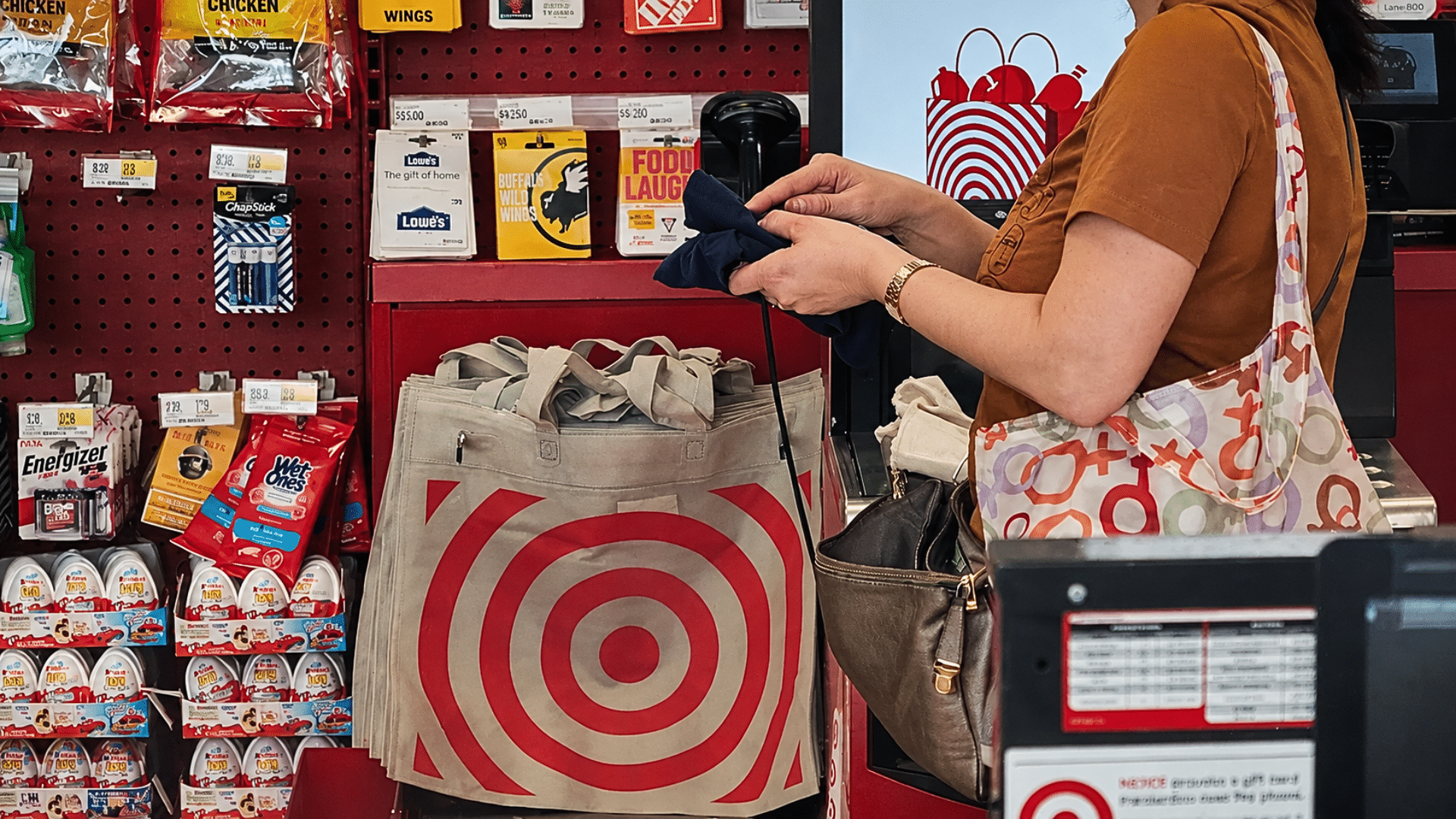
Target offers a telling preview of what regulated self-checkout could look like. After shifting to Express Self-Checkout lanes for 10 items or fewer and reopening more staffed lanes, the company reported a measurable drop in theft. That change was voluntary, driven by internal data rather than legislation. The proposed state laws would require every retailer to make similar adjustments, regardless of whether they have chosen to act on their own. For many chains, that is a significant operational shift.
Rachel Michelin, President and CEO of the California Retailers Association, offered the industry’s counterpoint in an interview on TODAY: “Self-checkout was always visualized as being a convenience for consumers. And that’s what we want to make sure that people, consumers, still have access to.” That framing captures the central tension. Self-checkout was sold to shoppers as a faster, simpler experience. Limiting it, however sensibly, will feel like a step backward for the nearly half of Americans who use it for most of their shopping.
None of the seven states is proposing a full ban, and no bill has yet become law at the state level. But the legislative momentum is real, bipartisan, and grounded in data that retailers can no longer dismiss. The deeper question this debate is forcing into the open is one the industry has avoided for years: if a system designed for convenience ends up costing more in theft than it saves in labor, was it ever actually a good deal for anyone? The answer may determine what grocery shopping looks like for the next decade.

