$80K Refund Scheme Leads to Charges Against Former Chick-fil-A Employee
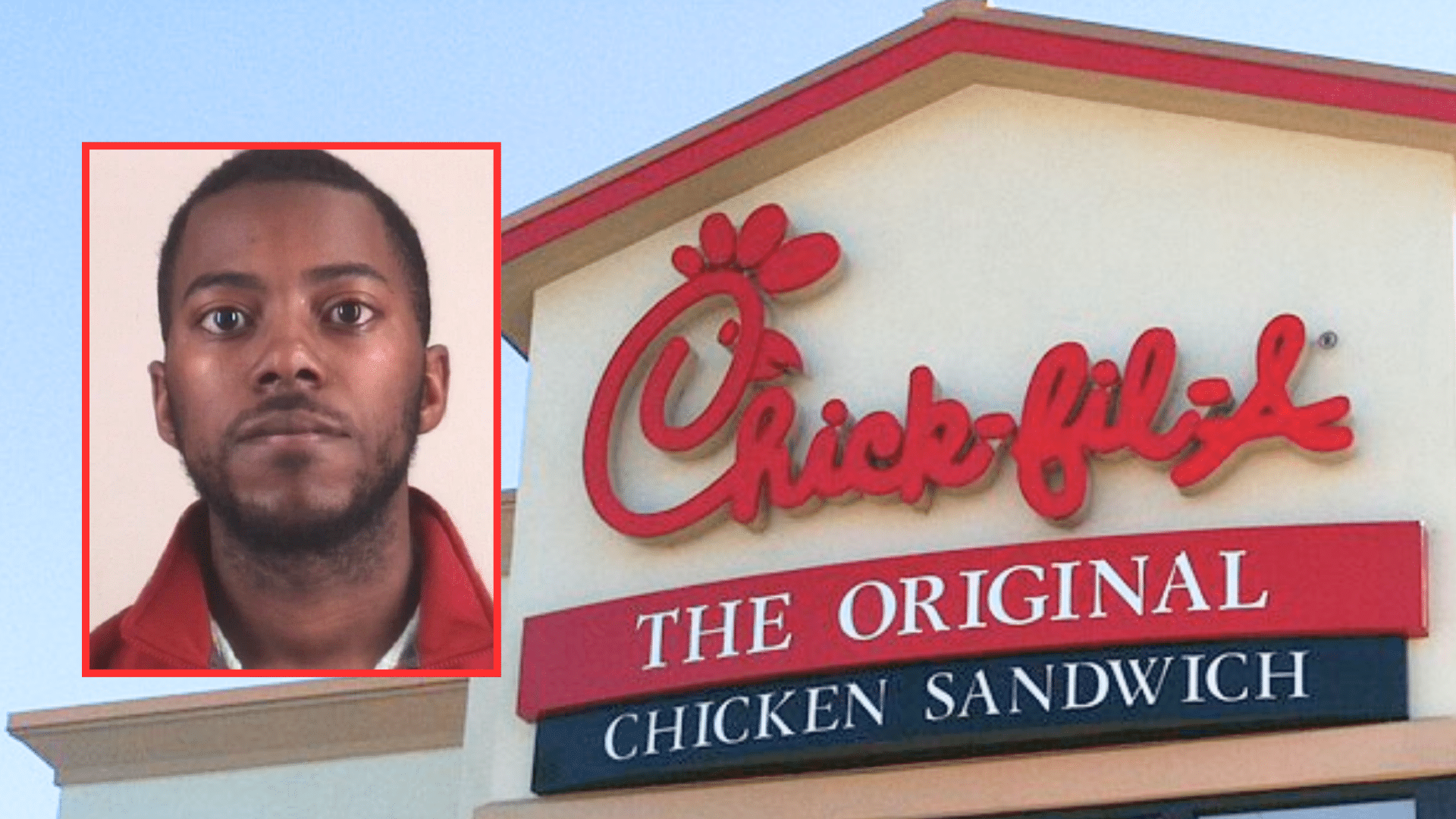

Keyshun Jones, a former Chick-fil-A employee, has been charged after authorities alleged he stole more than $80,000 through a fraudulent refund scheme involving fake mac and cheese orders. Investigators say the suspect repeatedly processed bogus transactions and funneled refunds directly to his personal credit cards. The case has drawn attention due to the scale and unusual method of the alleged scam.
The accused, identified as a former worker at a Texas Chick-fil-A location, was allegedly fired before returning to the restaurant to carry out the scheme. Police reports indicate that hundreds of fake orders were entered into the system over time. Security footage later played a key role in identifying the suspect and building the case.
Authorities say the fraudulent activity was discovered after the restaurant noticed irregular refund patterns tied to mac and cheese tray orders. The findings triggered an internal review and eventually a formal police investigation.
How the Alleged Mac and Cheese Refund Scheme Worked
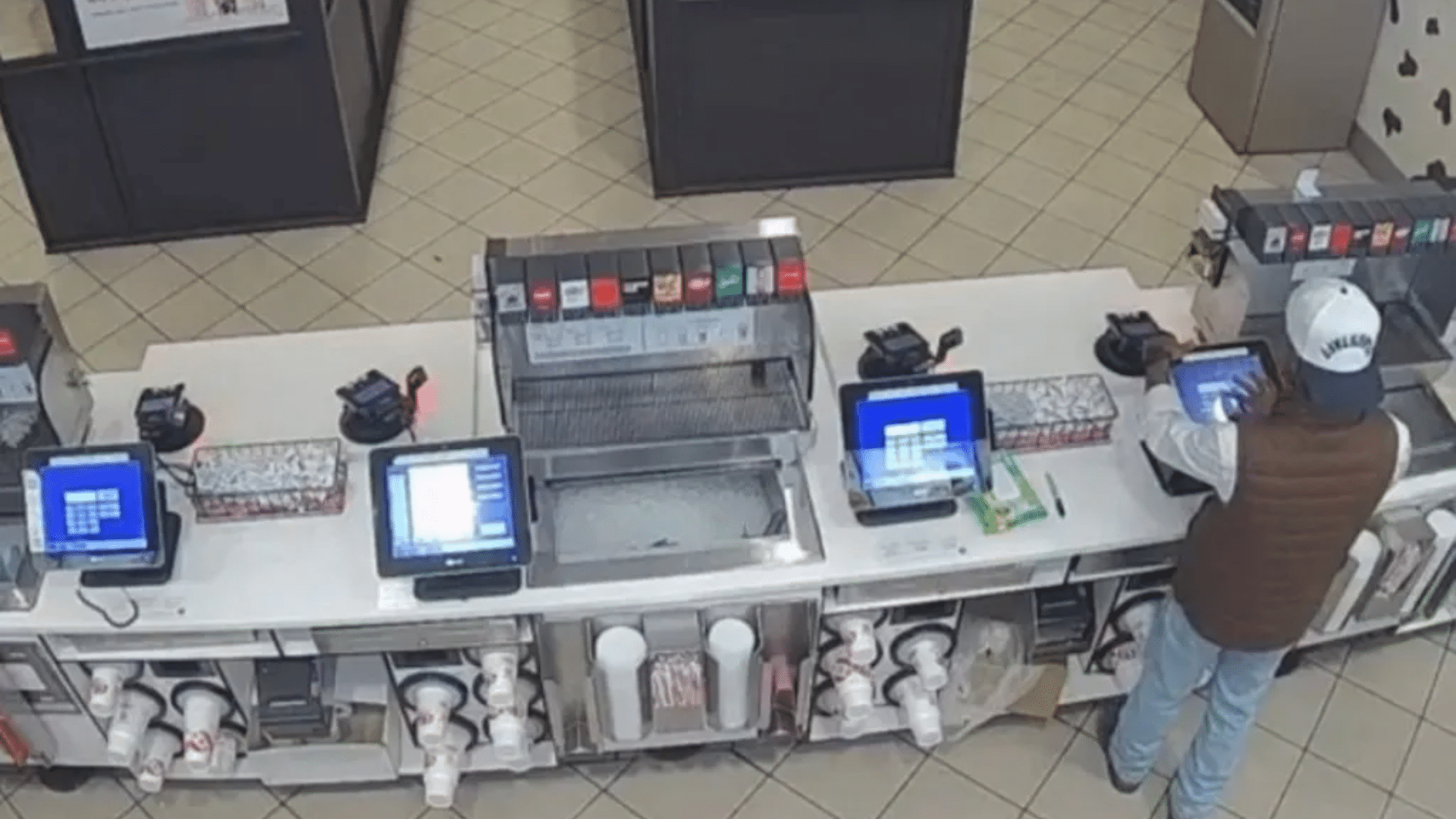
Investigators allege the scheme involved repeatedly ringing up fictitious mac and cheese tray purchases and then immediately refunding those transactions to personal accounts. Reports suggest the process was repeated hundreds of times, creating the appearance of legitimate sales while diverting funds.
According to police, the suspect allegedly conducted around 800 fake transactions in total, resulting in losses exceeding $80,000 for the business. The activity reportedly took place over multiple visits after the employee had already been terminated.
Authorities also say surveillance video showed the individual accessing the register and carrying out refund operations without supervision. The footage was considered key evidence in linking the suspect to the financial discrepancies.
Investigation, Arrest, and Possible Charges

Law enforcement officials say the case was initially reported by the restaurant owner after noticing unusual financial activity in late 2025. A formal investigation followed, spanning several months as officers gathered evidence and reviewed transaction records.
The suspect was eventually arrested in April 2026 after allegedly evading capture on multiple occasions. Authorities say he now faces charges including property theft, money laundering, and evading arrest.
If convicted, he could face significant prison time depending on the final court ruling. Officials have emphasized that the investigation is ongoing and additional details may still emerge.
Fraud Case Highlights Security Risks in Retail Systems
The Chick-fil-A refund scheme case underscores how internal access to point-of-sale systems can be exploited for financial gain. Allegations of $80,000 in losses highlight the potential scale of fraud when oversight gaps exist in retail environments. The case continues to develop as legal proceedings move forward.
Authorities rely heavily on digital records and surveillance footage in building cases involving employee fraud. This incident shows how modern restaurant systems can both enable and detect financial irregularities. The investigation has reinforced the importance of monitoring internal transactions closely.
As the case proceeds through the legal system, it serves as a reminder of vulnerabilities within fast-food and retail operations. The outcome will likely influence how similar businesses review their internal security controls.