A New ‘Hot Rotisserie Chicken Act’ Is Set to Shake Up Grocery Options for Millions of SNAP Recipients
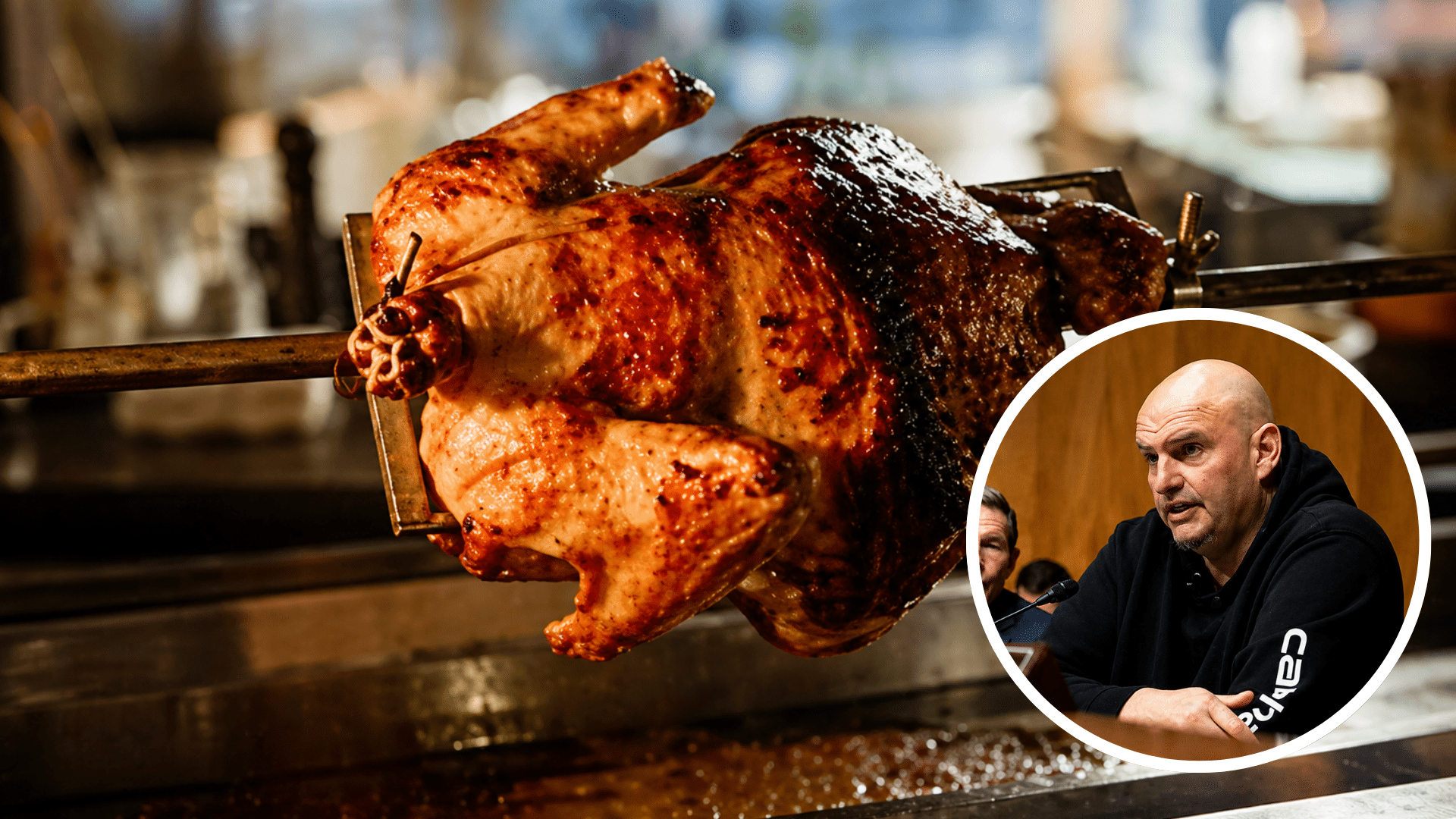

Right now, roughly 42 million Americans rely on federal food assistance to afford groceries. Many of them can buy a cold rotisserie chicken off the shelf, but the moment that same chicken comes out of the warmer, it is off-limits. That quirk in federal law has prompted a bipartisan push in the U.S. Senate to rewrite the rules. The bill has a simple name and a surprisingly complicated story behind it.
What Is SNAP and Who Does It Serve?

The Supplemental Nutrition Assistance Program, known as SNAP, is the federal government’s largest food assistance program. Formerly called food stamps, it provides eligible low-income households with a monthly benefit loaded onto a card, which functions like a debit card at approved grocery stores. About 42 million Americans are enrolled, according to the U.S. Department of Agriculture. The program has strict rules about what recipients can and cannot buy.
The Hot Food Rule That Trips Up Shoppers
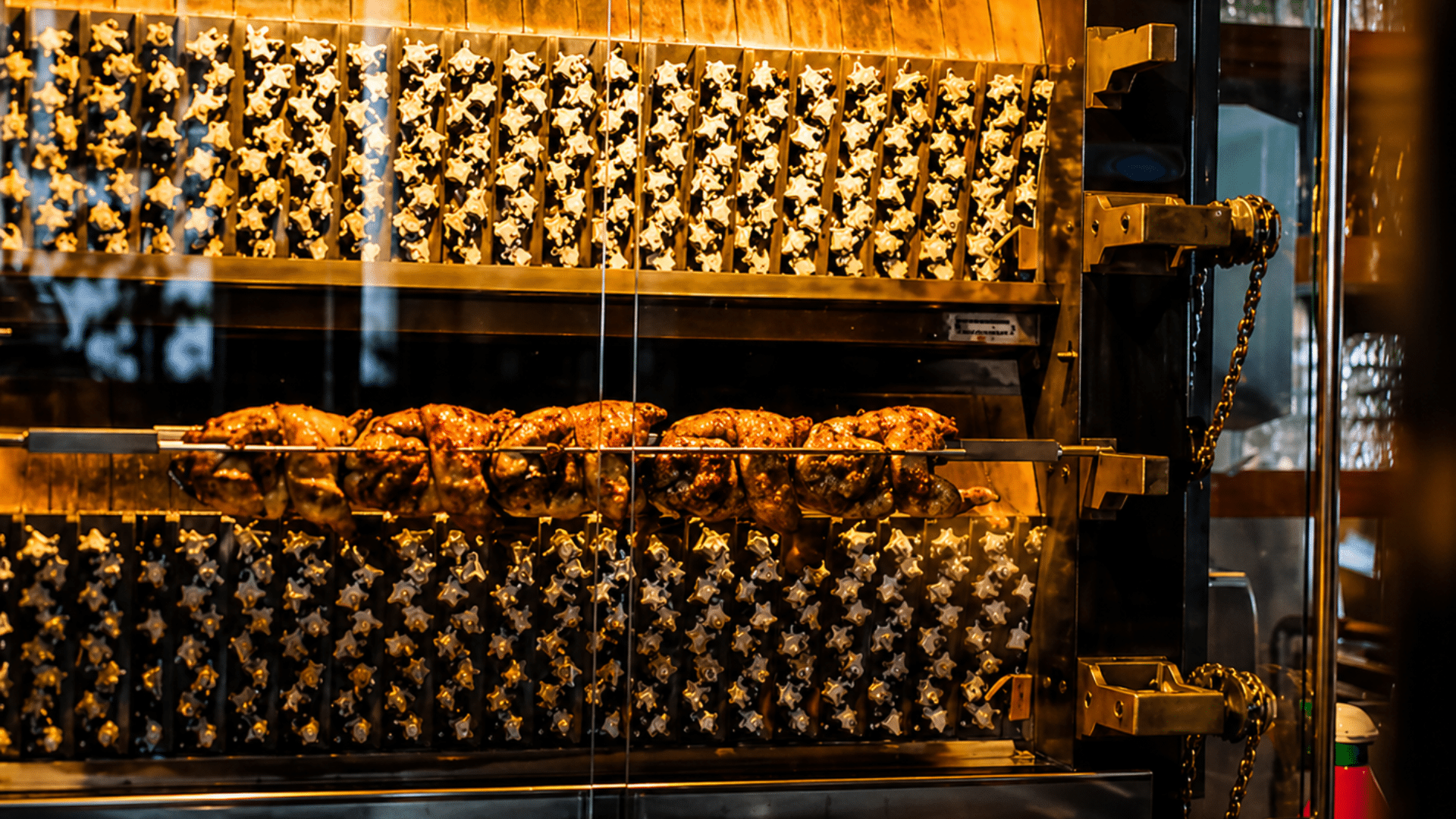
Federal law bans the use of SNAP benefits to purchase hot prepared foods. The reasoning is that SNAP is meant to support home cooking, not restaurant-style meals. But the rule creates an odd gap at the grocery store. A rotisserie chicken sitting cold on the shelf is SNAP-eligible. The exact same chicken, still warm in the store’s heated display case, is not. For shoppers on a tight budget, that distinction can mean the difference between a quick, affordable meal and an empty cart.
What the Hot Rotisserie Chicken Act Would Actually Do
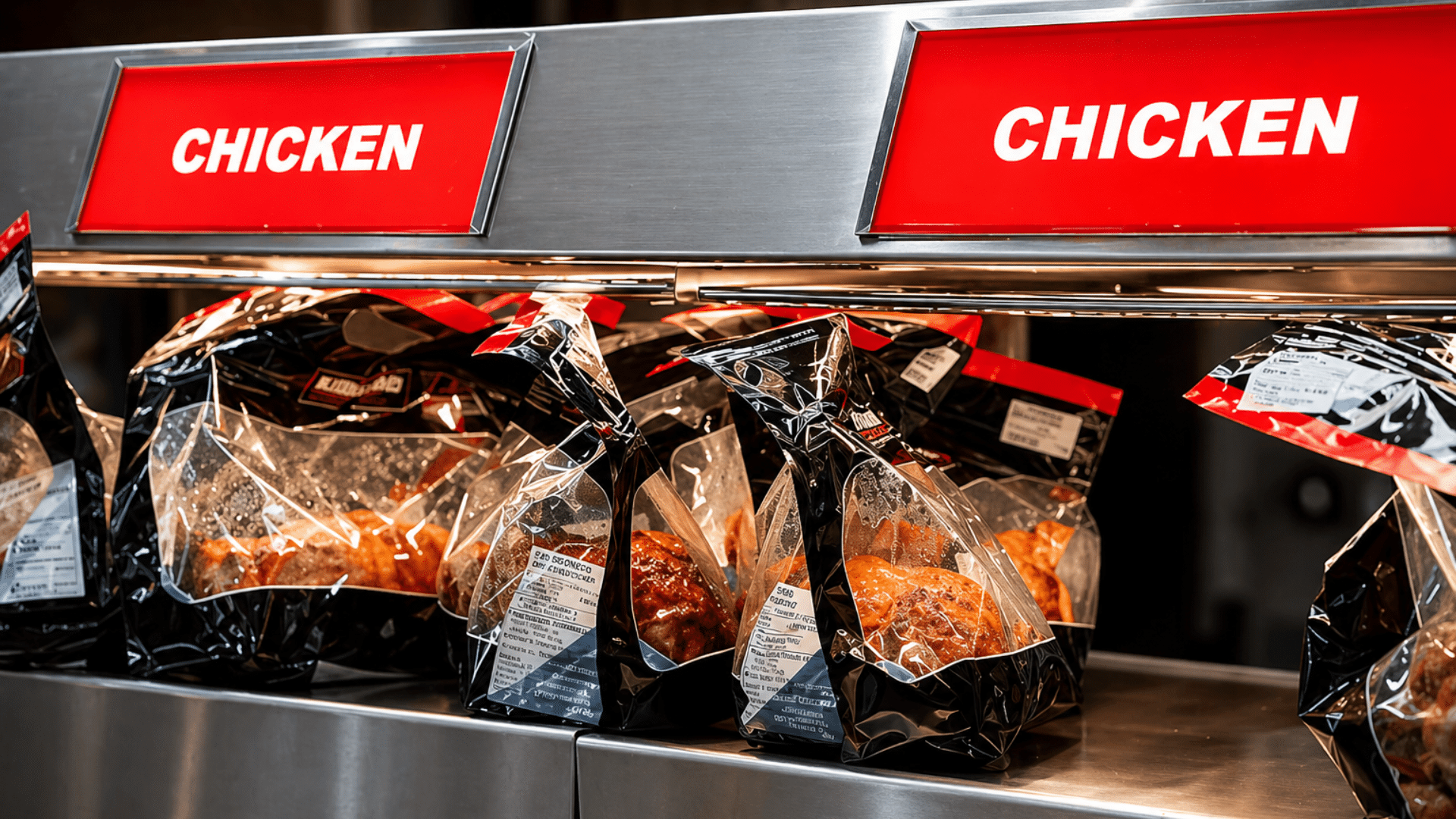
The proposed legislation would amend the Food and Nutrition Act of 2008 to specifically add hot rotisserie chicken as a SNAP-eligible food. It would not expand SNAP to cover all hot prepared foods or restaurant meals. Benefits would only be redeemable at approved grocery retailers, not fast food or sit-down restaurants. The bill also includes no new funding, meaning it would not increase program spending. Rotisserie chickens typically cost between $5 and $7 at most major grocery stores.
A Rare Moment of Bipartisan Agreement

The bill was introduced in the U.S. Senate by two Republicans, Jim Justice and Shelley Moore Capito of West Virginia, alongside two Democrats, John Fetterman of Pennsylvania and Michael Bennet of Colorado. Finding common ground across party lines on food policy is uncommon, particularly in the current political climate. Companion legislation was also introduced in the House by Rep. Rick Crawford of Arkansas, though that version was later withdrawn due to a budgetary complication, according to the National Chicken Council.
The Same Senators Also Voted to Cut SNAP

The bipartisan goodwill behind the bill comes with a notable tension. Senators Justice and Capito, both co-sponsors of the Hot Rotisserie Chicken Act, also voted in favor of the One Big Beautiful Bill Act in 2025. That law included what the Urban Institute called the largest cut to SNAP in the program’s history. The two West Virginia senators are simultaneously expanding a small benefit while having supported a sweeping reduction in the program’s overall reach.
How Much Did SNAP Actually Lose?

The One Big Beautiful Bill Act cut nearly $290 billion from SNAP over 10 years, according to the Congressional Budget Office. The Urban Institute estimated that affected families would lose an average of $146 per month in benefits, with some losing as much as $231 monthly. Participation in the program dropped by 2.5 million people between July and December 2025, the period immediately following the law’s enactment, according to the nonpartisan Center on Budget and Policy Priorities.
Who Got Left Out of SNAP Under the New Law

The One Big Beautiful Bill Act reshaped who qualifies for SNAP beyond just cutting dollar amounts. The legislation introduced new work requirements for able-bodied adults, added matching fund obligations for individual states, capped future benefit increases to limit inflation adjustments, and removed eligibility for refugees and asylum-seekers. Each of those provisions narrowed the pool of people who can access the program, making the cuts felt not just in smaller checks but in fewer recipients altogether.
Why a Rotisserie Chicken Matters More Than It Sounds

For a household with limited time, no car, and one burner working on a stovetop, a $6 rotisserie chicken can be the most practical protein of the week. It requires no preparation, no energy costs, and feeds multiple people. Advocates for low-income families have long pointed to the hot food ban as a rule that ignores the real logistics of poverty. The Hot Rotisserie Chicken Act is a narrow fix, but for millions of households, narrow fixes can have an outsized
A Small Bill in the Shadow of Big Cuts

The Hot Rotisserie Chicken Act would deliver a practical, if modest, benefit to millions of SNAP recipients. But it arrives in the wake of the largest reduction to food assistance in the program’s history, a reduction that some of its own sponsors helped pass. Whether this bill becomes law, or remains a feel-good proposal beside far deeper losses, is still an open question. The bigger question may be what kind of food safety net Americans actually want their government to provide.